Some kitchen objects work so hard they deserve a tiny parade. The humble tea towel is one of them. It dries the wine glasses, saves the counter from a rogue puddle, covers warm bread like a cozy little blanket, and occasionally poses on the oven handle pretending the kitchen is far more organized than it is. That is exactly why Enormous Champion tea towels at Heath Ceramics still feel worth talking about: they represent the sweet spot where practical kitchen linens meet artful design.
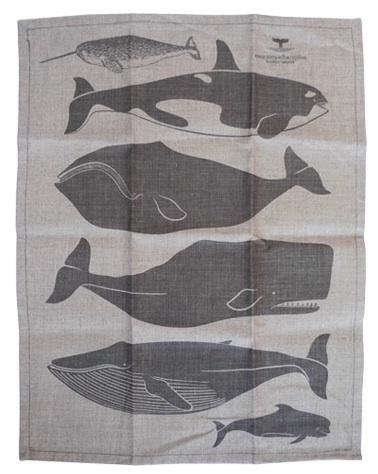
Heath Ceramics has long been associated with timeless American tableware, honest materials, and a California-modern sense of restraint. Enormous Champion, the Brooklyn-based design studio known for charming illustrated goods, brought a different but compatible personality to the kitchen: playful, graphic, and quietly eco-conscious. Their Belgian linen tea towels, including the memorable whale design featured by design editors years ago, were not just “something to wipe dishes with.” They were the kind of kitchen textile that makes you pause before using it on spaghetti sauce. Then, because life is short and marinara is powerful, you use it anyway.
Why Tea Towels Matter More Than We Admit
A tea towel is not just a smaller towel with better manners. Traditionally made from linen or cotton, tea towels are flat-woven, smooth, and low-lint, which makes them ideal for drying glassware, polishing plates, lining trays, wrapping baked goods, or adding a decorative accent to a kitchen. Unlike fluffy terry towels, a good tea towel does not leave your stemware looking like it had a close encounter with a sweater.
In a well-used kitchen, the best towels earn their place quickly. One may be reserved for clean hands, another for dishes, another for bread, and another for emergencies involving coffee, olive oil, or the mysteriously wet spot that appears even when no one admits to spilling anything. The best kitchen tea towels combine absorbency, quick drying, durability, and enough visual appeal to live in plain sight.
The Heath Ceramics Effect: Everyday Objects With Staying Power
Heath Ceramics began in California in 1948 with Edith and Brian Heath, and the brand’s identity has remained rooted in useful beauty. Heath is famous for ceramics, of course, but its larger design universe includes table linens, kitchen tools, glassware, and objects selected for the way they support daily rituals. That context matters. A tea towel sold through Heath is not treated like a forgettable checkout add-on. It becomes part of a broader philosophy: own fewer things, choose better things, and let everyday objects do their job with a little dignity.
That is the charm of the Enormous Champion tea towels. They fit into Heath’s world because they are practical, but they also have enough personality to avoid the dreaded “beige towel of despair” problem. The designs feel friendly without being childish, graphic without shouting, and decorative without losing their purpose. In short: they look like they belong beside hand-thrown ceramics, wooden cutting boards, and the one perfect mug everyone in the house secretly fights over.
Enormous Champion: Small Studio, Big Kitchen Personality
Enormous Champion was known as a Brooklyn-based husband-and-wife creative studio with a thoughtful approach to design and materials. Their work often carried an illustrated, handmade feelingclean enough for modern homes, warm enough to feel personal. In the kitchen, that balance is especially valuable. Too sleek, and the space feels like a showroom where even toast is nervous. Too cute, and suddenly your counter looks like it is auditioning for a novelty gift shop. Enormous Champion managed to land in the middle.
The standout detail in the Heath Ceramics context was the use of Belgian linen. Linen has a long history in kitchen textiles because it is strong, naturally textured, quick to dry, and low-lint after washing. It also softens over time, which means a linen tea towel often becomes better with use rather than slowly transforming into a sad rag with emotional baggage.
Belgian Linen: The Fancy Workhorse
Belgian linen sounds like something that should speak in a soft accent and own excellent luggage. But in the kitchen, linen is not precious by nature. It is made from flax fibers, which are strong and moisture-wicking. That makes linen especially useful for drying delicate dishes, polishing glassware, covering rising dough, or wrapping a loaf of bread. It absorbs, releases moisture efficiently, and does not cling to surfaces the way fuzzier fabrics can.
Compared with thick terry towels, linen tea towels are slimmer and often dry faster between uses. Compared with basic cotton towels, linen tends to feel more structured at first, then relaxes with each wash. This is why people who love linen become mildly evangelical about it. One day you buy a linen towel; the next day you are explaining flax fibers at brunch while your friends look for the emergency exit.
Design That Works Beyond Drying Dishes
One of the smartest things about a beautiful tea towel is that it has more than one job. Yes, it should dry dishes. But a towel like an Enormous Champion design can also line a breakfast tray, soften a bread basket, wrap a hostess gift, cover fruit on the counter, or become an instant backdrop for a small kitchen vignette. Folded over an oven handle, it adds color and pattern without committing you to wallpaper, tile, or a paint color called “Brave Mustard Decision.”
Heath Ceramics has continued that idea in its broader tea towel collections. Many of its current kitchen linens include graphic patterns, glaze-inspired colors, flour sack cotton, and collaborations with design studios. Some towels are even described as handsome enough to hang on the wall. That is not marketing fluff; a strong tea towel design really can behave like affordable textile art, especially in a small kitchen where wall space is limited and the refrigerator is already holding five magnets, three receipts, and a photo from 2017.
How to Style Enormous Champion Tea Towels in the Kitchen
1. Keep One Visible and One Ready for Battle
The first rule of attractive kitchen linens is simple: do not expect one towel to do everything. Keep the prettiest Enormous Champion tea towel on display or use it for clean tasks like drying glasses, lining a tray, or covering bread. Keep a more rugged towel nearby for wiping counters and dealing with beet juice, turmeric, or whatever happened under the espresso machine.
2. Pair Linen With Ceramics and Wood
Linen looks especially good beside matte ceramics, stoneware plates, wood cutting boards, and handmade bowls. That is one reason the Heath Ceramics connection feels natural. The texture of linen softens the harder surfaces of clay, glass, and metal. A whale-patterned towel beside a stack of simple plates creates a scene that says, “I have taste,” without also saying, “Please do not touch anything.”
3. Use It as a Color Bridge
If your kitchen is neutral, a graphic tea towel can introduce color without chaos. If your kitchen already has colorful tile, ceramics, or painted cabinets, choose a towel that repeats one accent shade. Designers use this trick constantly: repeat a color three times and suddenly it looks intentional. Once in the towel, once in a bowl, once in a vaseand boom, the kitchen has a plan.
4. Frame or Hang the Best Designs
If a tea towel is too beautiful for dish duty, hang it. Use a simple wooden magnetic poster hanger or a slim dowel. This approach works particularly well with illustrated towels because they bring softness and art into the kitchen without needing custom framing. It also solves the problem of buying a towel you love but secretly treating it like a museum artifact.
Care Tips: How to Keep Linen Tea Towels Looking Good
Good tea towels are meant to be used, but a little care helps them age gracefully. Wash linen and cotton towels with similar colors, avoid heavy fabric softeners, and do not overload the washer. Fabric softeners can coat fibers and reduce absorbency over time, which is not ideal unless your dream towel is one that merely pushes water around with confidence.
For linen, cool or warm water is usually safer than very hot water, especially during early washes. Air drying is gentle, but machine drying on low can work if the care label allows it. Remove linen while slightly damp if you want fewer wrinkles. Or embrace the wrinkles, because linen wrinkles with elegance. Cotton wrinkles like it lost a fight; linen wrinkles like it writes poetry.
For stains, treat quickly. Rinse from the back of the fabric when possible, use a mild detergent, and avoid harsh bleaching unless the towel’s care instructions specifically allow it. Printed towels deserve extra respect: turn them inside out or wash them with gentle cycles to preserve the artwork. The goal is not to keep them perfect forever. The goal is to let them become beautifully used instead of tragically abused.
Why These Tea Towels Make Great Gifts
A good tea towel is one of the safest design gifts because it is useful, compact, and does not require knowing someone’s sofa dimensions. Enormous Champion tea towels at Heath Ceramics would make sense for housewarmings, weddings, host gifts, birthdays, or “I came over for dinner and did not bring wine” emergencies. They feel personal without being risky.
The best part is that tea towels suit many lifestyles. A serious cook uses them constantly. A casual cook uses them to look more serious. A non-cook can hang one decoratively and pretend the oven is not just storage for baking sheets. Unlike gadgets, tea towels do not need batteries, firmware updates, or a drawer labeled “things we thought would change our lives.”
Enormous Champion vs. Ordinary Kitchen Towels
Ordinary kitchen towels can be perfectly useful. In fact, every kitchen needs a few no-nonsense towels that can handle spills, hot pans, and countertop chaos. But the appeal of Enormous Champion tea towels lies in their blend of function and illustration. They do what a towel should do, while adding a layer of story and design.
That difference matters in kitchens because kitchens are emotional rooms. They are where coffee happens before language, where weeknight dinners are negotiated, where children sneak snacks, where friends gather even when the living room is perfectly available. Objects in the kitchen should be sturdy, but they should also make the room feel alive. A tea towel is a small object, yet it can shift the mood of the whole space.
How to Choose the Right Tea Towel for Your Kitchen
When shopping for premium kitchen linens, start with material. Linen is excellent for glassware, bread, and display. Cotton flour sack towels are lightweight, absorbent, and versatile. Waffle-weave cotton offers texture and strong drying power. Terry cloth is better for heavy spills and hand drying but can be lintier on glassware. The best kitchen setup includes a mix.
Next, consider size. A larger towel is useful for covering dough, drying big platters, or lining a tray. A smaller towel may be easier for everyday hand drying. Pattern also matters. If the towel will live on display, choose a design that complements your kitchen palette. If it will be used hard, choose forgiving colors or patterns that do not panic at the first splash of tomato sauce.
Finally, think about replacement rhythm. Beautiful towels last longer when you rotate them. Keep several in use, wash frequently, and give each towel time to dry fully between tasks. Damp towels left in a heap are where freshness goes to file a complaint.
Experience Notes: Living With Design-Forward Tea Towels
Using a design-forward tea towel in a real kitchen teaches you something funny: beautiful objects become more lovable when they stop being perfect. At first, a towel like an Enormous Champion Belgian linen design may feel too nice for daily chores. You hang it neatly. You admire it from across the room. You move it away from the sink when someone starts rinsing berries with the enthusiasm of a garden hose. But eventually, the towel enters the rhythm of the kitchen. It dries a plate. It wraps warm muffins. It catches a drip from a teapot. It becomes not just decoration, but evidence of a life being lived.
One of the best experiences with linen tea towels is how they change over time. Fresh linen can feel crisp, almost formal, like it is waiting for an invitation. After several washes, it relaxes. The fibers soften, the folds become easier, and the towel starts to feel familiar in the hand. That aging process is part of the appeal. Unlike cheaper towels that look tired quickly, a good linen tea towel develops character. It becomes the towel you reach for when guests come over, not because it is flawless, but because it looks like it belongs.
In a small kitchen, a striking tea towel can also do surprising visual work. Many renters cannot change tile, counters, cabinets, or lighting. But they can change textiles. A graphic towel on the oven door, a linen napkin under a fruit bowl, and a ceramic pitcher with herbs can make a basic kitchen feel curated instead of temporary. The effect is subtle, but real. It is the design equivalent of combing your hair before a video call: not a renovation, but a noticeable improvement.
There is also a sustainability lesson hiding in the towel drawer. When you keep attractive, absorbent cloth towels nearby, you are more likely to use fewer paper towels for everyday tasks. Not every mess should go to clothraw chicken spills, for example, deserve a more hygienic single-use approachbut many ordinary kitchen moments can be handled with washable textiles. Drying hands, covering bread, wiping clean water, polishing glasses, wrapping herbs, cushioning stacked dishes: these are all jobs a tea towel can do elegantly.
The best routine is to create a simple towel system. Keep one clean decorative towel for dishes and display, one absorbent towel for hands, and one sturdy utility cloth for spills. Swap them daily or whenever they become damp or dirty. Hang them where air can circulate. Wash them before they develop that unmistakable “forgotten gym bag meets old soup” aroma. A beautiful towel is still a towel; it needs boundaries.
What makes the Enormous Champion and Heath Ceramics combination memorable is that it respects both sides of kitchen life. It understands that kitchens are practical rooms, but not joyless ones. We need tools that function, but we also need small moments of delight: a whale illustration near the sink, a linen texture against a ceramic bowl, a towel that makes drying dishes feel slightly less like punishment. That is the quiet magic of a well-designed tea towel. It will not cook dinner for you, which is rude, frankly. But it will make the cleanup look better.
Conclusion: A Small Kitchen Upgrade With Outsized Charm
Kitchen: Enormous Champion Tea Towels at Heath Ceramics is more than a product note; it is a reminder that small household objects can carry design, craft, humor, and usefulness all at once. A Belgian linen tea towel with a memorable illustration can dry dishes, decorate a kitchen, wrap bread, line a tray, and turn a daily chore into something just a little more pleasant.
Heath Ceramics brings the heritage of American craft and timeless tableware. Enormous Champion brings wit, illustration, and personality. Together, they show why kitchen linens deserve more attention than the average junk drawer resident. In a world full of complicated appliances and overdesigned gadgets, the tea towel remains refreshingly simple: beautiful fabric, useful shape, endless jobs. Not bad for something that spends half its life hanging from an oven door.
Note: This article synthesizes publicly available product, design, textile, and kitchen-care information from reputable U.S. home, food, design, and lifestyle references. It is rewritten as original editorial content for web publication.