Cloud gaming has spent years promising the same magical idea: play big games anywhere, on almost anything, without needing a console that sounds like a tiny jet engine under your TV. Then Logitech and Tencent walked into the handheld gaming conversation with a device designed around that promise. The result was the Logitech G CLOUD Gaming Handheld, a portable system built less like a miniature gaming PC and more like a comfortable doorway into Xbox Cloud Gaming, NVIDIA GeForce NOW, Steam Link, and other streaming services.
The partnership made sense from the start. Logitech G brought decades of hardware know-how: controllers, mice, keyboards, headsets, racing wheels, and the kind of ergonomic experience that keeps hands from turning into confused pretzels. Tencent Games brought software, gaming platform knowledge, and a massive presence in the global games market. Together, they aimed to build a cloud gaming handheld for players who wanted console-style controls, a bigger screen than a phone, and fewer “where did I put that controller clip?” moments.
But the Logitech and Tencent cloud gaming handheld was never just about another gadget. It represented a bet on where gaming could go next: away from one box, one screen, and one room, and toward a flexible ecosystem where your game library follows you around like a very loyal digital dog.
What the Logitech and Tencent Partnership Actually Built
The partnership between Logitech G and Tencent Games was announced in 2022 with a clear goal: bring a dedicated cloud gaming handheld to market. The companies said the device would support multiple cloud gaming services and that they were working with the Xbox Cloud Gaming and NVIDIA GeForce NOW teams. That detail mattered because a cloud handheld lives or dies by service support. Hardware alone is not enough; it needs access to games people already want to play.
The product that followed, the Logitech G CLOUD Gaming Handheld, launched as a purpose-built streaming device. It features a 7-inch full HD touchscreen, integrated gaming controls, ergonomic grips, Wi-Fi connectivity, and a lightweight body designed for long sessions. In plain gamer language: it is a controller with a screen that does not require you to sacrifice your phone battery, your notifications, or your dignity while balancing a mobile controller in bed.
The handheld supports Xbox Cloud Gaming through Xbox Game Pass, NVIDIA GeForce NOW, Steam Link, Xbox Remote Play, and Android apps from the Google Play Store. That means users can stream cloud games, remotely access their own PC or Xbox console, or install compatible Android games directly. It is not trying to be a Steam Deck-style portable PC. It is more like a dedicated cloud gaming lounge chair that happens to fit in your hands.
Why Cloud Gaming Needed a Device Like This
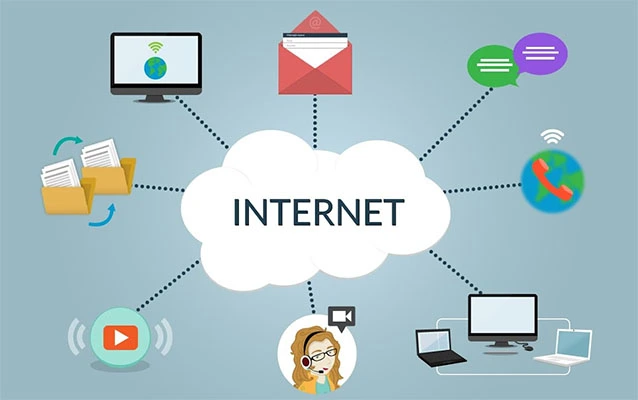
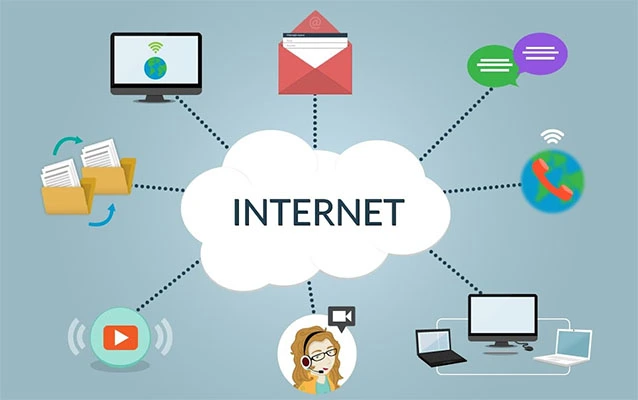
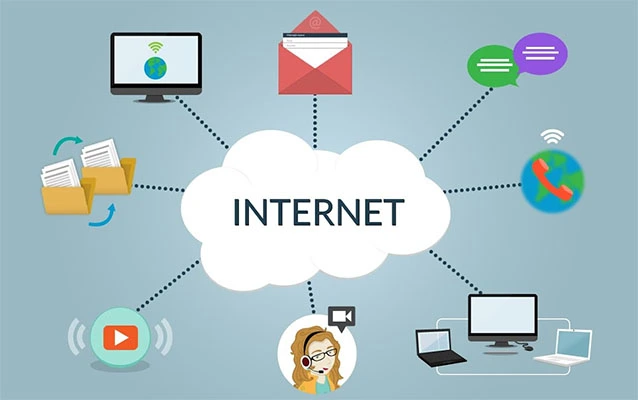
Cloud gaming is simple in theory and brutally picky in practice. Instead of running a game locally, the game runs on remote servers. The video feed streams to your device, and your button presses travel back to the server. When everything works, it feels almost magical. When it does not, your character runs into a wall while you question every life choice that led you to this Wi-Fi router.
Before handheld cloud devices, many players used smartphones with controller attachments. That works, but it is not always comfortable. Phone screens are narrow, battery life disappears quickly, and notifications have a talent for appearing at exactly the wrong time. A dedicated handheld solves many of those annoyances by offering a larger display, built-in controls, longer battery life, and a gaming-first interface.
That is the core idea behind the Logitech G CLOUD. Instead of asking players to turn their phones into makeshift consoles, Logitech and Tencent created a device that treats cloud gaming as the main event. The handheld is not distracted by phone calls, camera bumps, text messages, or your cousin sending another meme during a boss fight.
Hardware: Built for Streaming, Not Brute Force
The Logitech G CLOUD uses a Qualcomm Snapdragon 720G processor, 4GB of LPDDR4X memory, and 64GB of UFS storage with microSD expansion. Those specs are modest compared with handheld gaming PCs, but that is intentional. Since cloud gaming offloads the heavy graphical work to remote servers, the handheld does not need a monster processor or a fan that sounds like it is auditioning for a leaf blower commercial.
The star is the 7-inch 1920 x 1080 IPS touchscreen with a 60Hz refresh rate. For cloud gaming, that screen choice is practical. A 1080p panel pairs well with Xbox Cloud Gaming and GeForce NOW streams, while the 16:9 aspect ratio avoids awkward scaling in many console and PC games. The result is a cleaner full-screen experience than many phones, especially for games with small text, dense menus, or HUD elements that were clearly designed by someone sitting three feet from a giant monitor.
Battery life is another major selling point. Logitech advertised 12-plus hours of playtime, and many reviewers highlighted battery endurance as one of the handheld’s strongest features. That advantage comes from the device’s streaming-first design. Because it is decoding video rather than rendering high-end graphics locally, it can sip power instead of gulping it like a gaming laptop at a buffet.
Controls and Comfort: Logitech’s Home Turf
Logitech’s biggest contribution is obvious the moment you look at the device: it is built like a real handheld console, not a phone wearing a controller costume. The G CLOUD includes asymmetrical analog sticks, a D-pad, ABXY buttons, triggers, shoulder buttons, function buttons, gyroscope support, remappable controls, and textured grips.
Comfort became one of the most frequently praised parts of the device. Several hands-on impressions and reviews noted that the G CLOUD feels lighter and easier to hold than many heavier handheld gaming PCs. That matters more than spec sheets suggest. A device can have enough power to simulate weather systems on Mars, but if it makes your wrists file a complaint after 30 minutes, it is not exactly portable bliss.
The Logitech G CLOUD weighs about 463 grams, making it significantly lighter than devices such as the Steam Deck. For players who mostly stream games at home, that lightness is a practical advantage. It makes the handheld comfortable for couch gaming, bed gaming, travel downtime, and the sacred ritual of “just one more mission” that somehow lasts until midnight.
Software: Android With a Gaming Jacket
The handheld runs Android and includes access to the Google Play Store. That gives it flexibility beyond cloud gaming, including video apps, Android games, remote-play tools, and other streaming platforms. Logitech also designed a gaming-focused interface to make the device feel less like a generic tablet and more like a console-style launcher.
Preloaded support for Xbox Cloud Gaming and NVIDIA GeForce NOW helped define the device’s identity. Xbox Cloud Gaming gives players access to many Game Pass titles from Microsoft’s cloud infrastructure, while GeForce NOW lets users stream supported PC games from stores such as Steam and Epic Games, depending on service availability and account connections.
Steam Link adds another useful angle. Instead of streaming from remote cloud servers, players can stream from their own gaming PC on the same network. Xbox Remote Play works similarly for console owners. For many users, this may be the best experience because local network streaming can reduce latency compared with wider internet-based cloud gaming.
Why Xbox and NVIDIA Support Was So Important
The Logitech and Tencent partnership would have been far less interesting without Xbox and NVIDIA in the picture. Cloud hardware needs strong software ecosystems, and these services gave the G CLOUD immediate relevance.
Xbox Cloud Gaming positioned the handheld as a portable Game Pass companion. A player could start a campaign on console, continue through the cloud, and use the same general control layout on a dedicated device. It fit Microsoft’s broader strategy of bringing Xbox games to more screens, including phones, tablets, smart TVs, PCs, and handhelds.
NVIDIA GeForce NOW added a different flavor. Instead of focusing mainly on a subscription library, GeForce NOW connects to existing PC game libraries and streams from NVIDIA’s cloud servers. For PC players, that makes the G CLOUD less like a separate console and more like a remote window into games they may already own.
Together, those services made the Logitech G CLOUD a multi-platform device. It did not ask players to pledge loyalty to one store, one console, or one subscription. That openness was one of its smartest design choices.
The Big Debate: Price, Purpose, and Competition
The Logitech G CLOUD launched with a suggested retail price of $349.99, with early preorder pricing at $299.99. That price sparked debate immediately. Critics argued that a cloud-focused Android handheld was expensive compared with a smartphone controller attachment or a more powerful handheld gaming PC. Supporters countered that it offered better comfort, battery life, display size, and convenience than a phone-based setup.
The debate really comes down to purpose. If you want a handheld that runs demanding PC games locally, the G CLOUD is not the correct tool. That is Steam Deck, ASUS ROG Ally, Lenovo Legion Go, and similar territory. But if you already use Xbox Cloud Gaming, GeForce NOW, Xbox Remote Play, or Steam Link, the G CLOUD becomes much easier to understand.
It is not trying to win a horsepower contest. It is trying to make streaming feel natural. That is a narrower mission, but also a cleaner one. Think of it as the difference between buying a Swiss Army knife and buying a really comfortable gaming chair. One does more things. The other knows exactly why it exists.
Strengths of the Logitech G CLOUD Gaming Handheld
1. Excellent Battery Life
The 12-plus-hour battery claim is one of the device’s biggest practical wins. Many handheld gaming PCs deliver far less battery life when running demanding games locally. Since the G CLOUD streams games, it can last much longer during typical use. For travel, couch gaming, and long sessions, that is a major advantage.
2. Comfortable Design
Reviewers consistently praised the ergonomic grips, weight balance, and controller layout. The device is easy to hold for extended sessions, which sounds boring until you remember that comfort is the difference between finishing a quest and inventing a new wrist stretch.
3. Full HD 16:9 Display
The 7-inch 1080p screen is well matched to cloud gaming. It is sharper than the displays on some older handhelds and larger than most phones. For games with text-heavy interfaces, maps, inventories, or menus, that extra space matters.
4. Multi-Service Support
Xbox Cloud Gaming, NVIDIA GeForce NOW, Steam Link, Xbox Remote Play, and Android app support give the device flexibility. It is not locked to one cloud gaming ecosystem, which makes it more useful for players with mixed libraries.
Weaknesses and Limitations
1. Dependence on Internet Quality
The biggest limitation is obvious: cloud gaming needs a strong, stable connection. A weak router, crowded network, or poor service coverage can cause input lag, compression artifacts, stutter, or dropped sessions. The G CLOUD can be comfortable, clever, and nicely built, but it cannot magically fix bad Wi-Fi. No handheld can defeat a router hiding behind a microwave with the confidence of a supervillain.
2. Limited Native Gaming Power
The Snapdragon 720G is fine for streaming and lighter Android use, but it is not designed for high-end local gaming. Players expecting Steam Deck-level native performance will be disappointed. The device’s best use case is streaming, not replacing a gaming PC.
3. No Built-In Cellular Model
Because the G CLOUD depends on Wi-Fi, it is less useful for gaming everywhere in the literal sense. A cellular option could have made it more flexible for commuting, travel, and outdoor use. Without it, “play anywhere” usually means “play anywhere with decent Wi-Fi.” That is still useful, just not quite as dramatic as the marketing dream.
Who Should Consider the Logitech G CLOUD?
The Logitech G CLOUD makes the most sense for players who already believe in cloud gaming or remote play. If you use Xbox Game Pass Ultimate, GeForce NOW, Steam Link, or Xbox Remote Play regularly, this handheld gives you a dedicated, comfortable way to access those services.
It is also a good fit for households where the main TV is frequently occupied. Instead of negotiating with family members like you are at a diplomatic summit, you can continue your game on the handheld. It is useful for parents, students, frequent travelers with reliable Wi-Fi, and PC gamers who want to stream from another room without hauling a laptop around.
However, it is not ideal for competitive players who demand the lowest possible latency. Fighting games, twitch shooters, and ranked competitive matches are still best played locally on strong hardware and a fast display. Cloud gaming has improved dramatically, but physics remains undefeated.
What the Partnership Says About the Future of Gaming
The Logitech and Tencent partnership showed that the handheld market was no longer just about local hardware power. It also became about access. Players now expect their libraries to move across screens. They want to start on a console, continue on a handheld, check something on a phone, and maybe finish on a TV. The device matters, but the ecosystem matters even more.
This is why the G CLOUD is interesting even for people who never buy one. It helped define the cloud-first handheld category. Later devices and services continued exploring similar ideas, from streaming-focused handhelds to cloud apps on smart TVs and portable PCs. The market is still deciding how big the audience is, but the direction is clear: gaming is becoming less tied to one machine.
In that sense, Logitech and Tencent were not just building a handheld. They were testing a new gaming habit. The question was not, “Can this device run every game locally?” The question was, “Can this device make streaming feel good enough that players stop caring where the game is actually running?”
Real-World Experience: Living With a Cloud Gaming Handheld
Using a cloud gaming handheld like the Logitech G CLOUD changes how you think about gaming time. Instead of planning a session around a desk, TV, or console, you start spotting small windows of play throughout the day. The couch becomes a gaming zone. The bed becomes a gaming zone. The quiet corner near the good Wi-Fi becomes, frankly, sacred ground.
The biggest experience upgrade is comfort. A phone with a controller attachment can work, but it often feels like a clever workaround. The balance may be awkward, the screen may feel cramped, and the entire setup can look like your phone is wearing mechanical antlers. A dedicated handheld feels cleaner. You pick it up, press a button, open a cloud app, and you are playing. That simplicity matters.
Battery life also changes the mood. On many handheld gaming PCs, you may keep one eye on the battery indicator like it owes you money. With a streaming-first device, long sessions feel less stressful. You can play a slow RPG, a farming sim, a racing game, or an open-world adventure without immediately hunting for a charger. That makes the device feel more casual and relaxed, which is exactly where cloud gaming often shines.
Another pleasant surprise is how well cloud gaming fits slower-paced games. Turn-based strategy, adventure games, RPGs, simulation titles, puzzle games, and single-player action games can feel excellent on a stable connection. You do not always need laboratory-grade latency. Sometimes you just want to clear side quests while sitting somewhere comfortable, and the G CLOUD is basically built for that lifestyle.
Remote play can be even better. Streaming from a local Xbox or gaming PC over a strong home network often feels smoother than cloud streaming over the public internet. For many players, the best use of a Logitech G CLOUD-style device may be in-home streaming. Your powerful hardware stays in one room, while the handheld becomes a lightweight screen-and-controller combo that follows you around the house.
Of course, the experience is not flawless. Cloud gaming teaches patience in very specific ways. If the network hiccups, the game hiccups. If someone starts downloading a giant update, your heroic fantasy adventure may briefly become a slideshow with ambition. The device can only be as good as the connection behind it. A strong 5GHz Wi-Fi network, a modern router, and a reasonable distance from the access point can make a huge difference.
The Logitech and Tencent cloud gaming handheld also encourages a more library-based mindset. Instead of asking, “What can this hardware run?” you ask, “Which service has the game I want, and how well does it stream?” That is a major shift. It makes subscriptions, digital ownership, platform compatibility, and server quality just as important as processors and graphics chips.
For casual players, that trade-off can be wonderful. There are no massive downloads, fewer storage worries, and less heat. For enthusiasts, it can feel limiting because cloud access depends on service rules, supported regions, licensing, and internet performance. The G CLOUD lives right in the middle of that tension. It is convenient when the ecosystem lines up and frustrating when it does not.
After spending time with the idea behind this device, the best way to describe it is simple: it is not a replacement for every gaming machine, but it is a very good companion. It is for the player who wants to keep progressing through a campaign while the TV is busy, stream PC games from another room, or enjoy Game Pass without sitting at a desk. It is not the loudest handheld in the room, but it may be one of the easiest to live with.
Conclusion
The Logitech and Tencent partnership to build a cloud gaming handheld was a smart response to a changing gaming landscape. Instead of chasing raw performance, the Logitech G CLOUD focused on comfort, battery life, display quality, and access to major cloud gaming services. That made it different from handheld gaming PCs and more specialized than a smartphone controller setup.
Its limitations are real. It depends heavily on strong Wi-Fi, lacks high-end native gaming power, and occupies a niche that not every player needs. But its strengths are equally real. For cloud gaming fans, Xbox Game Pass users, GeForce NOW subscribers, and remote-play enthusiasts, it offers a polished way to play big games away from the main screen.
Most importantly, the G CLOUD helped prove that handheld gaming does not have to follow one formula. Some devices are portable PCs. Some are hybrid consoles. Some are retro machines. And some, like the Logitech G CLOUD, are comfortable little portals to games running somewhere far away, probably in a data center that never has to argue over the living room TV.