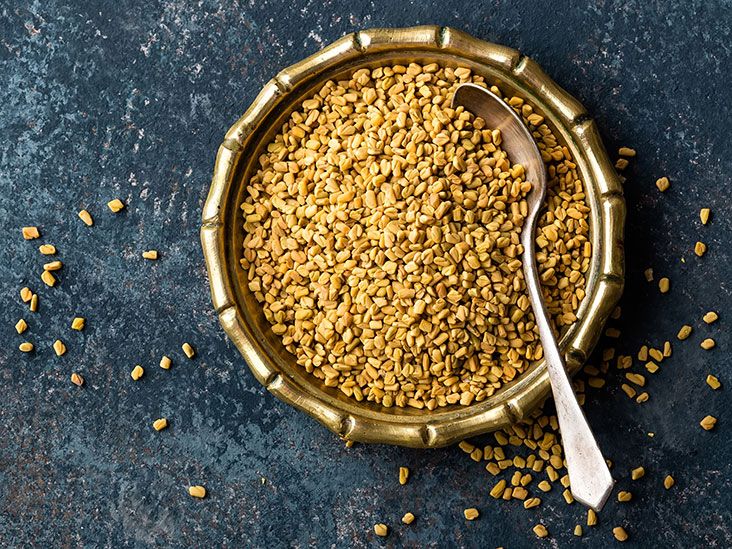
Sapo: Fenugreek may be tiny, but it has a big reputation in the blood sugar world. This earthy, slightly bitter seedalso known as methihas been studied for its possible effects on glucose control, insulin sensitivity, and cholesterol. But before anyone starts sprinkling it on everything short of the family dog, it is important to understand what the research actually says, where the benefits may be real, and where the risks deserve serious attention.
What Is Fenugreek?
Fenugreek, scientifically known as Trigonella foenum-graecum, is a plant used as a spice, food ingredient, and traditional remedy. Its seeds are common in Indian, Middle Eastern, and North African cooking, where they add a warm, nutty, slightly maple-like flavor. In the United States, fenugreek often appears in capsules, powders, teas, extracts, and “blood sugar support” supplement blends.
For people researching diabetes, fenugreek gets attention because its seeds contain soluble fiber, saponins, alkaloids such as trigonelline, and an amino acid called 4-hydroxyisoleucine. These compounds may influence how the body digests carbohydrates, releases insulin, and handles glucose after meals. That sounds impressive, but biology is not a vending machine: you do not put in one seed and receive perfect fasting glucose. The relationship is more nuanced.
The Link Between Fenugreek and Diabetes
Diabetes is a condition in which blood glucose levels remain too high because the body either does not make enough insulin, does not use insulin well, or both. Type 2 diabetes, the most common form, is strongly linked to insulin resistance. Prediabetes means blood sugar is higher than normal but not yet in the diabetes range.
Fenugreek is most often discussed in relation to type 2 diabetes and prediabetes. Some clinical trials and meta-analyses suggest that fenugreek may help lower fasting blood glucose, post-meal glucose, and hemoglobin A1C, which reflects average blood sugar over about three months. Some studies also report improvements in triglycerides, total cholesterol, and LDL cholesterol.
However, the research is not perfect. Many studies are small, use different doses and preparations, and do not always have the strongest design. Some use whole seeds, others use powders, extracts, or defatted seed preparations. This makes it difficult to say exactly how much fenugreek works, which form works best, and who is most likely to benefit.
The most honest summary is this: fenugreek may support blood sugar control for some people, especially when used as part of a broader diabetes plan, but it is not a proven replacement for prescribed medication, medical nutrition therapy, exercise, or regular glucose monitoring.
How Fenugreek May Affect Blood Sugar
1. It May Slow Carbohydrate Absorption
Fenugreek seeds are rich in soluble fiber. Soluble fiber forms a gel-like texture in the digestive tract, which may slow the breakdown and absorption of carbohydrates. This can lead to a slower rise in blood sugar after eating. Think of it as putting a speed bump on the glucose highway. The cars still move, but they are less likely to come flying through the neighborhood at 70 miles per hour.
2. It May Support Insulin Activity
Some research suggests that compounds in fenugreek may help improve insulin sensitivity or stimulate insulin release. Insulin is the hormone that helps move glucose from the bloodstream into cells. If fenugreek improves the way the body responds to insulin, it could theoretically help reduce elevated blood sugar levels. Still, this effect can vary from person to person.
3. It May Improve Post-Meal Glucose Spikes
Post-meal glucose spikes are important because repeated sharp rises in blood sugar may contribute to long-term diabetes complications. Fenugreek taken with meals may reduce the speed or size of those spikes in some people. This is one reason fenugreek powder mixed into food has been studied more than simply swallowing a capsule at random times of the day.
4. It May Have Modest Effects on Cholesterol
Diabetes and heart health are closely connected. People with diabetes have a higher risk of cardiovascular disease, so cholesterol and triglyceride management matter. Some fenugreek studies show improvements in triglycerides and LDL cholesterol. This may be related to fiber, saponins, or other plant compounds that affect fat metabolism. But again, fenugreek should not be treated as a magic cholesterol eraser. Statins, nutrition changes, movement, sleep, and weight management still do the heavy lifting for many people.
Potential Benefits of Fenugreek for People With Diabetes
Better Fasting Blood Sugar
Some clinical research has found that fenugreek supplementation may reduce fasting blood sugar. Fasting glucose is usually measured after not eating overnight. If fenugreek improves insulin sensitivity or slows glucose release, it may help lower morning readings in certain people. That said, fasting blood sugar is influenced by many factors, including dinner composition, sleep, stress, medication timing, liver glucose output, and even whether your cat decided 3 a.m. was the ideal time to perform opera.
Lower A1C in Some Studies
Hemoglobin A1C is one of the most important markers in diabetes care. Some studies have shown a reduction in A1C with fenugreek use, but not all research is equally strong. A1C improvement is more meaningful when it happens alongside healthy eating, consistent medication use, physical activity, and reduced glucose variability.
Improved Fullness and Appetite Control
The fiber in fenugreek may help people feel fuller after meals. Better satiety can support portion control, which may indirectly help blood sugar and weight management. This does not mean fenugreek melts fat or “detoxes” the body. It means fiber can help make meals more satisfying, and satisfying meals are easier to repeat than meals that leave you staring into the pantry like it owes you money.
Possible Support for Prediabetes
Some research has explored fenugreek in people with prediabetes. The idea is that improving insulin resistance and post-meal glucose control may help delay or reduce progression to type 2 diabetes. This is promising, but lifestyle habits remain the foundation: balanced meals, weight management when appropriate, regular physical activity, adequate sleep, and routine medical checkups.
Risks and Side Effects of Fenugreek
Low Blood Sugar
The same glucose-lowering effect that makes fenugreek interesting can also make it risky. If someone takes insulin, sulfonylureas, or other diabetes medications, adding fenugreek may increase the risk of hypoglycemia, or low blood sugar. Symptoms can include shakiness, sweating, hunger, dizziness, confusion, headache, weakness, or a racing heartbeat. Severe hypoglycemia can be dangerous and requires immediate treatment.
Digestive Problems
Fenugreek can cause gas, bloating, diarrhea, nausea, or stomach discomfort, especially in larger amounts. This is not shocking; high-fiber foods often arrive with digestive fine print. Starting with small food-based amounts may be gentler than jumping into concentrated supplements.
Allergic Reactions
Fenugreek is a legume. People with allergies to peanuts, chickpeas, soybeans, or other legumes may need to be cautious. Allergic reactions can include rash, swelling, wheezing, or difficulty breathing. Anyone with a history of severe food allergy should speak with a healthcare professional before trying fenugreek.
Medication Interactions
Fenugreek may interact with diabetes medications because of its blood-sugar-lowering potential. It may also affect blood-thinning medications or supplements that influence bleeding risk. Anyone taking warfarin, antiplatelet drugs, insulin, sulfonylureas, or multiple glucose-lowering therapies should get medical guidance before using fenugreek supplements.
Pregnancy and Breastfeeding Concerns
Fenugreek has traditionally been used to support milk supply, but evidence is mixed, and safety is not guaranteed for everyone. During pregnancy, concentrated fenugreek supplements are generally approached with caution because of concerns about uterine stimulation. Pregnant or breastfeeding individuals should ask a qualified clinician before using fenugreek medicinally.
Supplement Quality Issues
In the United States, dietary supplements are not approved by the FDA in the same way prescription medications are. Supplement quality can vary by brand, dose, purity, and testing standards. A bottle that says “glucose support” may sound official, but it is not the same thing as an FDA-approved diabetes treatment. Look for third-party testing when possible, such as USP, NSF, or ConsumerLab-style verification.
How Much Fenugreek Is Used for Diabetes?
There is no universally approved fenugreek dose for diabetes. Studies have used a wide range, from smaller capsule doses to larger amounts of seed powder. Some research has used around 5 to 10 grams of seed powder daily, while older studies used much higher amounts. But study dosing should not be copied casually. Higher doses may increase side effects, interact with medications, or make meals taste like you accidentally seasoned your breakfast with curry cabinet dust.
For everyday cooking, fenugreek seeds or powder can be used in small amounts as a spice. This is different from using concentrated extracts or high-dose capsules. Food-level use is generally less aggressive, though people with diabetes should still monitor their blood sugar response.
Practical Ways to Use Fenugreek Safely
Use It With Food, Not as a Miracle Cure
Fenugreek may fit best as part of a meal pattern that already supports diabetes management. For example, it can be added to lentil soup, vegetable curries, bean dishes, savory yogurt sauces, or whole-grain recipes. Pairing carbohydrates with fiber, protein, and healthy fat is a proven strategy for reducing sharp blood sugar rises.
Monitor Blood Sugar Closely
If someone with diabetes tries fenugreek, they should track blood glucose more carefully at first. Fasting readings, post-meal readings, or continuous glucose monitor trends can show whether fenugreek is doing anything helpfulor causing unexpected lows.
Talk to a Healthcare Professional
This is especially important for people who take insulin, sulfonylureas, GLP-1 medications, SGLT2 inhibitors, blood pressure medications, cholesterol drugs, or anticoagulants. A doctor, pharmacist, registered dietitian, or certified diabetes care and education specialist can help evaluate whether fenugreek makes sense.
Choose Products Carefully
If using a supplement, choose a reputable brand that lists the exact amount per serving and has third-party testing. Avoid products that claim to “cure diabetes,” “replace insulin,” or “reverse diabetes overnight.” The only thing such claims reliably lower is trust.
Who Should Avoid Fenugreek or Use Extra Caution?
Fenugreek may not be appropriate for everyone. Extra caution is recommended for people who:
- Use insulin or medications that can cause low blood sugar
- Have frequent hypoglycemia or hypoglycemia unawareness
- Take blood thinners or have bleeding disorders
- Are pregnant, trying to become pregnant, or breastfeeding
- Have allergies to legumes such as peanuts or chickpeas
- Have upcoming surgery
- Have liver, kidney, or complex medical conditions
Fenugreek vs. Proven Diabetes Strategies
Fenugreek may be helpful for some people, but it belongs in the “possible support” categorynot the “foundation of diabetes care” category. The strongest diabetes strategies are still familiar because they work: consistent meal planning, carbohydrate awareness, fiber-rich foods, lean protein, non-starchy vegetables, regular movement, quality sleep, stress management, medication when prescribed, and medical follow-up.
A useful way to think about fenugreek is as a supporting actor. It may improve the scene, but it should not grab the steering wheel, rewrite the script, and fire the endocrinologist.
Real-Life Experiences: What People Often Notice When Trying Fenugreek
Experiences with fenugreek and diabetes can vary widely. One person may see a modest improvement in post-meal glucose, while another may notice nothing except a suspicious maple-like smell in sweat or urine. That smell is a known fenugreek quirk and usually harmless, though it can make a gym locker room feel like breakfast got lost.
Consider a common scenario: a person with prediabetes starts adding a small amount of fenugreek powder to lentil soup or plain yogurt. They also begin walking after dinner and reducing sugary drinks. A month later, their fasting glucose looks slightly better. Was it the fenugreek? Maybe partly. But it could also be the walking, the improved meal balance, the reduced added sugar, or the fact that they stopped treating sweet tea like a hydration strategy. This is why fenugreek should be viewed in context, not isolation.
Another person with type 2 diabetes may take medication and decide to try fenugreek capsules after reading about natural blood sugar remedies. Within a few days, they feel shaky before lunch. Their glucose meter shows a lower-than-usual reading. In that case, fenugreek may be interacting with medication or changing glucose patterns. The right move is not to panic or quit medication independently. The right move is to contact a healthcare professional and review the full plan.
Some people prefer food-based fenugreek because it feels more natural and easier to control. Toasted fenugreek seeds can be used sparingly in soups, stews, and vegetable dishes. The taste is strong, so a little goes a long way. Too much can turn dinner into a bitter science experiment. Others choose capsules because they dislike the flavor, but supplements vary more in dose and quality.
People using continuous glucose monitors sometimes report that fenugreek-containing meals appear to produce smoother glucose curves. That can be useful feedback, but it is still personal data, not universal proof. Glucose patterns depend on the whole meal, portion size, medication timing, sleep, stress, hormones, illness, and activity. A bowl of rice with fenugreek is not the same as a balanced plate with vegetables, protein, healthy fat, and a measured portion of carbohydrates.
The most successful experiences tend to share a pattern: people use fenugreek cautiously, keep expectations realistic, monitor glucose, and communicate with their care team. The least successful experiences usually involve high-dose supplements, vague product labels, no glucose monitoring, and the belief that “natural” automatically means “safe.” Arsenic is natural too, and nobody wants that sprinkled on oatmeal.
In practical terms, fenugreek may be worth discussing for people who enjoy it as a food, tolerate it well, and want an additional tool for glucose-friendly eating. It is less appropriate for people who are prone to low blood sugar, pregnant, allergic to legumes, or taking medications with interaction risks. The goal is not to chase a miracle seed. The goal is steady, sustainable diabetes management that works in real life.
Conclusion
Fenugreek has a legitimate connection to diabetes research. Its fiber and plant compounds may help improve fasting blood sugar, post-meal glucose, insulin sensitivity, and lipid markers in some people. But the evidence is mixed in quality, and results are not guaranteed. Fenugreek should not replace prescribed diabetes medications, glucose monitoring, healthy eating, physical activity, or professional care.
For many people, fenugreek is best viewed as a possible add-on: flavorful in food, interesting in research, and worth caution in supplement form. If you have diabetes or prediabetes, the smartest move is to treat fenugreek like a toolnot a cure, not a shortcut, and definitely not a reason to break up with your healthcare team.