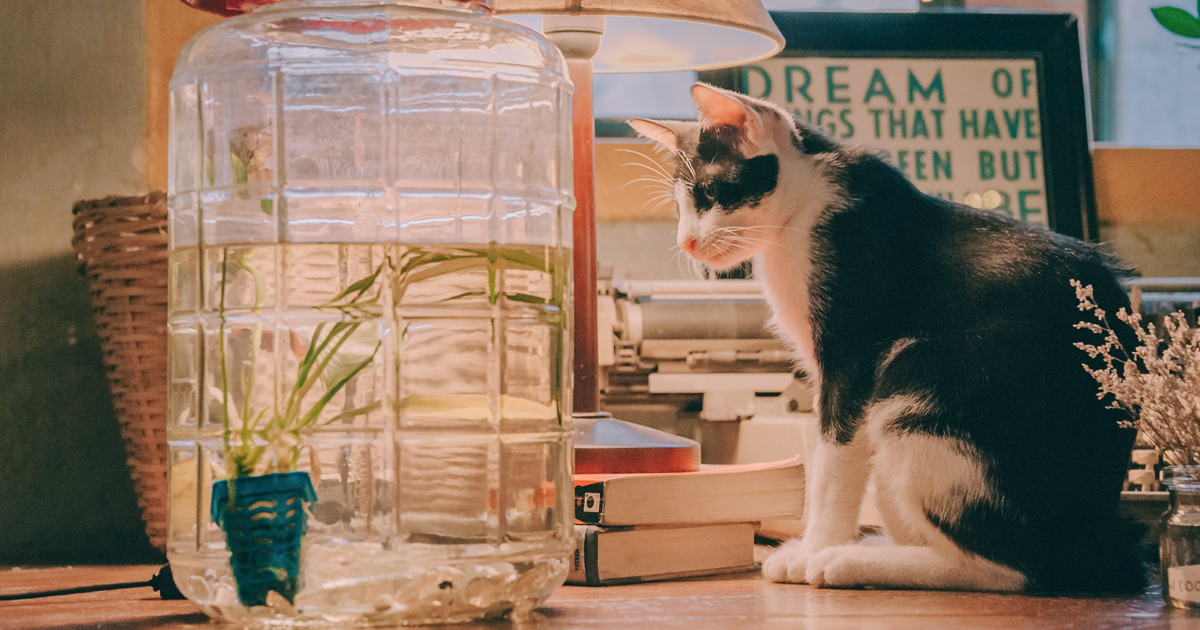
There are few sounds more instantly recognizable to a cat owner than the tiny, dramatic clink… pause… crash of something being pushed off a table. You turn around, and there sits your cat, looking less guilty than a tax attorney and twice as confident. The coffee mug is on the floor. The pen is gone forever. The houseplant has seen better days. Naturally, you ask the big question: why do cats knock things over?
The good news is that your cat is probably not plotting against you. Probably. Cats knock things over for several normal feline reasons: curiosity, hunting instinct, boredom, attention-seeking, play, stress, and sometimes because humans accidentally teach them that gravity is the fastest way to summon a servant. Understanding the reason behind the behavior is the first step toward stopping your cat from turning your dresser into a bowling alley.
This guide explains why cats push things off tables, counters, desks, and shelves, how to tell what your cat is trying to communicate, and what you can do to protect your belongings without turning your home into a joyless museum. Spoiler: yelling rarely works, but smart enrichment, routine, training, and cat-proofing can work wonders.
Why Do Cats Knock Things Over?
Cats are not tiny dogs in mysterious pajamas. They are predators, explorers, climbers, problem-solvers, and professional testers of household physics. When your cat taps a lip balm tube across the counter, several instincts may be working at once.
1. Your Cat Is Practicing Hunting Behavior
In the wild, cats use their paws to investigate prey. A mouse, bug, or lizard may freeze, dart, wiggle, or fight back. Domestic cats still carry those same instincts, even when their toughest daily challenge is deciding whether the sunny spot on the rug is warm enough.
Small objects on a table can look suspiciously prey-like. A pen rolls. A bottle cap skitters. A hair tie bounces. To your cat, these are not random objects; they are possible “creatures” that need a good paw inspection. When the object falls and makes noise, the whole event becomes even more exciting. Congratulations: your cat has discovered interactive entertainment, powered by gravity.
2. Your Cat Is Curious
Cats are sensory investigators. They learn by touching, sniffing, watching, pawing, and occasionally licking things that absolutely should not be licked. Knocking something over may simply be your cat’s way of asking, “What happens if I do this?”
Curiosity is especially common in kittens and young cats. Their brains are still collecting information about the world, and your home is basically a giant science lab filled with forbidden experiments. A glass of water, a stack of mail, a decorative candle, and your phone charger are all fascinating research subjects.
3. Your Cat Wants Attention
Here is the uncomfortable truth: many cats knock things over because it works. If your cat pushes a cup off the nightstand and you immediately jump up, speak, run over, or make dramatic human noises, your cat has just learned a powerful lesson.
The lesson is not “cups are bad.” The lesson is “when I touch the cup, my person activates.”
Even negative attention can be rewarding. If your cat is bored, lonely, hungry, or simply in the mood for interaction, a scolding may still feel like a successful result. From your cat’s perspective, one paw tap created a full human performance. That is not misbehavior; that is excellent cause-and-effect learning.
4. Your Cat Is Bored
Boredom is one of the biggest reasons cats knock things off counters and tables. Indoor cats are safe from cars, predators, and many diseases, but they can also miss out on the mental stimulation they would naturally get from climbing, stalking, chasing, scratching, exploring, and solving problems.
A bored cat will invent a hobby. Unfortunately, that hobby may be “desk demolition.” If a cat does not have enough play, vertical space, puzzle feeding, or environmental enrichment, everyday household objects become toys. Your favorite ceramic mug may not have signed up for this role, but the cat has appointed it anyway.
5. Your Cat Has Too Much Energy
Some cats are furry espresso shots. Young cats, active breeds, and under-stimulated indoor cats may knock things over because they have energy with nowhere appropriate to go. The behavior may happen most often in the early morning or evening, when many cats naturally become more active.
If your cat gets the “zoomies,” races through the house, attacks rugs, climbs curtains, and clears the coffee table like a tiny wrecking ball, the problem may not be the objects. The problem may be unused energy.
6. Your Cat Likes the Sound and Movement
Some objects are simply satisfying. A pen rolls beautifully. A plastic cap bounces. A spoon makes a dramatic metallic clatter. A stack of papers flutters like a flock of very boring birds. Cats are attracted to movement and sound, so the falling object may become part of the reward.
This is why one cat may ignore a heavy book but obsess over a bottle cap. The bottle cap gives better feedback. It moves, spins, and makes noise. In cat terms, that is premium programming.
7. Your Cat Is Testing Boundaries
Cats notice patterns. If one counter is always full of interesting things, they will return. If you sometimes allow counter climbing and sometimes yell about it, your cat may keep experimenting. Inconsistent rules create confusion, and confused cats often keep trying until the environment makes sense.
That does not mean your cat is being “stubborn” in a human way. It means the behavior has not been clearly redirected or made unrewarding. Cats learn best when the rules are consistent, calm, and paired with better alternatives.
8. Your Cat May Be Stressed
Stress can also lead to destructive or attention-seeking behavior. A new pet, new baby, move, schedule change, lack of hiding places, conflict with another cat, or too little control over the environment can make a cat restless. Knocking things over may be one of several signs that your cat needs more security and predictability.
Stress-related behavior often comes with other clues: hiding, overgrooming, appetite changes, litter box issues, increased vocalizing, aggression, or clinginess. If the behavior appears suddenly or comes with physical symptoms, a veterinary checkup is wise.
Is My Cat Being Naughty on Purpose?
Not exactly. Cats can learn that certain actions get results, but they are not usually knocking over your water glass because they are morally opposed to hydration. They are responding to instinct, stimulation, reinforcement, or unmet needs.
Calling a cat “naughty” may feel satisfying in the moment, especially when your favorite vase becomes modern floor art. But labeling the behavior does not solve it. A better question is: what is my cat getting from this behavior?
If the answer is attention, reduce the payoff. If the answer is play, provide better play. If the answer is boredom, enrich the environment. If the answer is stress, improve security and routine. Once you understand the reward, you can create a smarter plan.
How to Stop Cats from Knocking Things Over
You cannot remove your cat’s instincts, and you should not try. The goal is to give those instincts a better outlet while making your valuables less available. Think of it as negotiating with a tiny roommate who has knives on their feet and strong opinions about shelf decor.
1. Stop Accidentally Rewarding the Behavior
If your cat knocks something over and you immediately run over, yell, pick them up, feed them, or start a conversation, your reaction may reinforce the behavior. Instead, stay calm. If the item is not dangerous, avoid making a big scene. Clean it up when your cat is no longer focused on the performance.
This does not mean ignoring safety. If glass breaks, food spills, or something dangerous falls, protect your cat immediately. But when the object is harmless, reduce the drama. Cats are excellent audience analysts. If the show no longer gets applause, they may stop booking the venue.
2. Schedule Daily Interactive Play
Interactive play is one of the best ways to stop cats from knocking things over. Use wand toys, feather teasers, toy mice, crinkle balls, or soft toys that mimic prey. Move the toy like a real creature: hide it behind furniture, let it pause, dart, wiggle, and “escape.” Do not just wave it in your cat’s face like you are dusting an invisible shelf.
Aim for short, regular sessions. Many cats do well with 10 to 15 minutes of play once or twice a day. High-energy cats may need more. End the session by letting your cat catch the toy, then offer a small treat or meal. This follows the natural hunt-catch-eat pattern and can leave your cat more satisfied.
3. Use Puzzle Feeders and Food Games
Food puzzles can turn mealtime into mental exercise. Instead of putting all food in a bowl, place a portion in a puzzle feeder, treat ball, snuffle mat, or homemade cardboard puzzle. This gives your cat a job and lets them use problem-solving skills.
Start easy. If the puzzle is too hard, your cat may quit and file a complaint with management, also known as staring at you. Choose simple puzzles at first, then gradually increase difficulty. For cats that eat dry food, puzzle feeders can be especially useful. For cats on wet food, lick mats or slow-feeding dishes may help.
4. Rotate Toys to Prevent Boredom
Leaving every toy out all the time can make them boring. Cats love novelty, but you do not need to buy a toy store. Keep a few toys available, store the rest, and rotate them every few days. An old toy that disappears and returns later can feel brand-new.
Pay attention to your cat’s preferences. Some cats like toys that fly like birds. Others prefer toys that crawl like bugs or scurry like mice. Some enjoy kicker toys. Some want tunnels. Some believe the finest toy ever invented is a cardboard box, because cats understand luxury differently than we do.
5. Create Legal Knock-Over Opportunities
If your cat clearly loves pushing objects, give them safe things to push. Place lightweight cat-safe toys, soft balls, or treat-filled wobble toys on the floor or a low play surface. Some cats enjoy batting ping-pong balls in a bathtub or pushing soft toys off a cat tree.
The idea is not to punish the desire to interact with objects. The idea is to move that desire away from breakable, expensive, or dangerous items. You are not canceling the game; you are changing the equipment.
6. Cat-Proof Your Surfaces
Training helps, but management matters. If you leave fragile objects on the edge of a table in a home with cats, you are basically setting up a physics demonstration. Move breakables, plants, candles, medications, sharp objects, food, and electronics away from edges or into closed storage.
Use museum putty for decorative items, closed cabinets for fragile keepsakes, cord organizers for chargers, and lidded cups for drinks. Keep nightstands simple if your cat is an early-morning offender. The fewer tempting objects available, the fewer opportunities your cat has to practice the behavior.
7. Add Vertical Space
Cats love height. A cat tree, shelf, window perch, or sturdy climbing structure can reduce counter surfing and object knocking by giving your cat a better place to observe the world. Many cats knock things over because they are exploring surfaces where humans keep interesting items. Give them their own approved lookout posts.
Place perches near windows when possible. Watching birds, squirrels, people, and leaves can be deeply enriching. Just make sure screens are secure and windows are safe.
8. Keep a Predictable Routine
Cats often feel safer with predictable routines. Regular feeding times, play sessions, quiet rest areas, and consistent rules can reduce attention-seeking and stress-related behavior. If your cat knocks things over right before meals, they may have learned that destruction speeds up breakfast. Try feeding on a schedule or using an automatic feeder so the food comes from the routine, not from your reaction.
Consistency is key. If counters are off-limits, they should be off-limits every day. If you allow your cat on the desk sometimes, do not be shocked when they return to inspect your water glass during an important video call.
9. Reward Better Choices
Catch your cat being good. When your cat uses a scratching post, plays with an approved toy, rests on their perch, or walks away from a forbidden surface, reward them with praise, treats, play, or gentle attention. Cats repeat behaviors that work for them.
You can also teach simple cues like “come,” “touch,” or “off” using treats and positive reinforcement. Never shove, scare, spray, or yell at your cat. Punishment can increase stress and may damage trust without teaching the cat what to do instead.
10. Make Counters Less Interesting
If your cat keeps targeting counters, remove rewards from that area. Do not leave food, dirty dishes, crinkly wrappers, hair ties, or small objects out. Clean surfaces so they do not smell exciting. Provide a nearby cat tree or stool where your cat can watch kitchen activity without walking across the counter.
Some pet owners use harmless deterrents such as placing a flat baking sheet or aluminum foil on a counter temporarily, but deterrents should never frighten or hurt your cat. The best long-term solution is usually a combination of enrichment, consistency, and removing temptation.
What Not to Do
When a cat knocks something over, frustration is normal. But some common reactions make the problem worse.
Do Not Yell
Yelling may give your cat attention or make them anxious. Either way, it does not teach a useful replacement behavior.
Do Not Spray with Water
Spray bottles can make cats fearful of you and may increase stress. Your cat may simply learn to knock things over when you are not nearby.
Do Not Chase Your Cat
Chasing can turn the behavior into a game. Your cat knocks something down, you run, and suddenly the living room is a theme park.
Do Not Remove All Fun
A bare, boring home may protect your objects but frustrate your cat. The goal is not less life; it is better outlets.
When to Call a Veterinarian or Behavior Professional
Occasional object knocking is normal. However, sudden behavior changes deserve attention. Contact a veterinarian if your cat’s behavior appears suddenly, becomes extreme, or comes with appetite changes, weight loss, increased thirst, litter box problems, hiding, aggression, vomiting, or signs of pain.
If your cat is healthy but the behavior continues despite enrichment and management, a certified cat behavior consultant or veterinary behaviorist can help identify triggers and create a customized plan. This is especially useful in multi-cat homes, where tension between cats may show up as restless or destructive behavior.
Quick Troubleshooting Guide
If Your Cat Knocks Things Over at Night
Try a play session before bed, followed by a small meal. Clear your nightstand, use a lidded water bottle, and provide a cozy sleeping area or perch. If your cat wakes you for food, consider an automatic feeder.
If Your Cat Knocks Things Over Before Meals
Your cat may have learned that chaos brings dinner. Feed on a predictable schedule and avoid feeding immediately after the knocking. Puzzle feeders can also slow down mealtime and reduce food-related boredom.
If Your Cat Knocks Over Plants
Make sure every plant in your home is cat-safe. Move plants to hanging baskets, closed rooms, or shelves your cat cannot access. Offer cat grass as an approved alternative for nibbling and sniffing.
If Your Cat Knocks Things Over While You Work
Your cat may want attention or stimulation. Schedule play before work, place a perch near your desk, offer a puzzle toy, and keep important objects out of paw range. A decoy keyboard may sound ridiculous, but many cat owners know it is not ridiculous enough to dismiss.
Real-Life Experiences: Living with a Tiny Gravity Expert
Many cat owners eventually develop a sixth sense for dangerous silence. If the house is quiet and the cat is awake, something suspicious may be happening. One common experience is the “eye contact push.” The cat sits beside an object, looks directly at the human, slowly extends one paw, and gives the item a gentle tap. This is not just behavior; it is theater. The pause before the fall is where the drama lives.
In real homes, the solution usually starts with accepting that cats are not trying to ruin our lives. They are trying to enrich theirs. A cat who knocks pens off a desk may be asking for play. A cat who clears a nightstand at 5 a.m. may be asking for breakfast. A kitten who attacks every object on a shelf may simply be learning how the world works. Once owners stop treating the behavior as an insult, they can respond more effectively.
For example, a cat named Milo might knock over a water glass every morning. At first, his owner may think he is being difficult. But after watching the pattern, the reason becomes obvious: every time Milo knocks over the glass, his owner wakes up and feeds him. Milo has not been bad. Milo has been efficient. The fix is not yelling. The fix is removing the glass, using a spill-proof bottle, feeding on a schedule, and adding a short morning play session before breakfast.
Another common case is the bored office cat. Picture a person working from home while their cat, Luna, slowly removes sticky notes, pens, and earbuds from the desk. Luna is not interested in quarterly reports. She is interested in movement, attention, and participation. A good solution might include a cat tree beside the desk, a food puzzle during meeting times, and a five-minute wand toy session before long work blocks. Luna gets a job. The earbuds survive. Peace returns to the kingdom.
Some owners also discover that their cats prefer specific “prey.” One cat may love soft toys tossed down a hallway. Another may prefer bottle caps sliding across tile. Another may only play when a wand toy disappears behind a chair like a sneaky mouse. Finding a cat’s preferred play style can dramatically reduce unwanted knocking because the cat finally gets an outlet that feels better than pushing your lip balm into the underworld beneath the dresser.
The biggest lesson from real-life cat ownership is that prevention beats reaction. A fragile vase on a narrow shelf is not decor; it is a challenge. A full glass on a nightstand is not hydration; it is a future puddle. A bored cat with no puzzle toys is not relaxing; they may be preparing a home improvement project you did not approve. Smart cat owners learn to arrange the environment so the easiest choices are also the safest choices.
Over time, many cats improve when their people combine three simple strategies: remove temptation, increase enrichment, and stop rewarding chaos. The house becomes calmer, the cat becomes happier, and fewer objects meet the floor in a tragic finale. Your cat may still test gravity now and then, because cats are cats and gravity remains undefeated. But with patience and planning, your home does not have to be a daily crash site.
Conclusion
Cats knock things over because they are curious, playful, instinctive, energetic, bored, stressed, or rewarded by human reactions. The behavior may look mischievous, but it usually makes sense from a feline point of view. Your cat is not a villain with whiskers. Your cat is a hunter, explorer, scientist, and occasional chaos goblin trying to meet natural needs in a human-designed home.
To stop a cat from knocking things over, focus on enrichment and prevention. Offer daily interactive play, puzzle feeders, toy rotation, vertical space, consistent routines, and safe objects your cat is allowed to bat around. Protect fragile items, reduce attention rewards, and use positive reinforcement to encourage better choices. If the behavior is sudden, extreme, or paired with other concerning signs, talk with your veterinarian.
With the right approach, you can protect your belongings while still letting your cat be wonderfully, weirdly, magnificently cat-like. And really, that is the deal we make when we invite a feline into our lives: fewer perfect shelves, more personality.
Note: This article is for general educational purposes about cat behavior and does not replace guidance from a veterinarian or certified cat behavior professional.