Step onto a modern bathroom scale and it may tell you far more than your weight. In a few seconds, it might claim to know your body fat percentage, muscle mass, water weight, bone mass, metabolic age, and possibly your emotional relationship with last night’s pizza. But how does a flat piece of glass on the bathroom floor know anything about body fat?
The short answer: it does not “see” fat. A body fat scale estimates fat using a method called bioelectrical impedance analysis, often shortened to BIA. The scale sends a very small electrical signal through your body, measures how that signal moves, and then uses formulas to estimate body composition. It is clever technology, but it is not magic. It is more like a well-trained guess wearing Bluetooth.
Understanding how body scales measure fat helps you use them wisely. A smart scale can be useful for tracking long-term trends, especially when paired with consistent habits. But if you treat one reading as a courtroom verdict on your health, you may end up arguing with an algorithm before breakfast. Let’s unpack what these scales actually measure, what they estimate, when they can be helpful, and when they deserve a polite side-eye.
What Body Fat Scales Actually Measure
A regular scale measures body weight. It does not know whether those pounds come from fat, muscle, bone, water, organs, or the heroic amount of soup you ate yesterday. A body fat scale adds another layer by using bioelectrical impedance analysis.
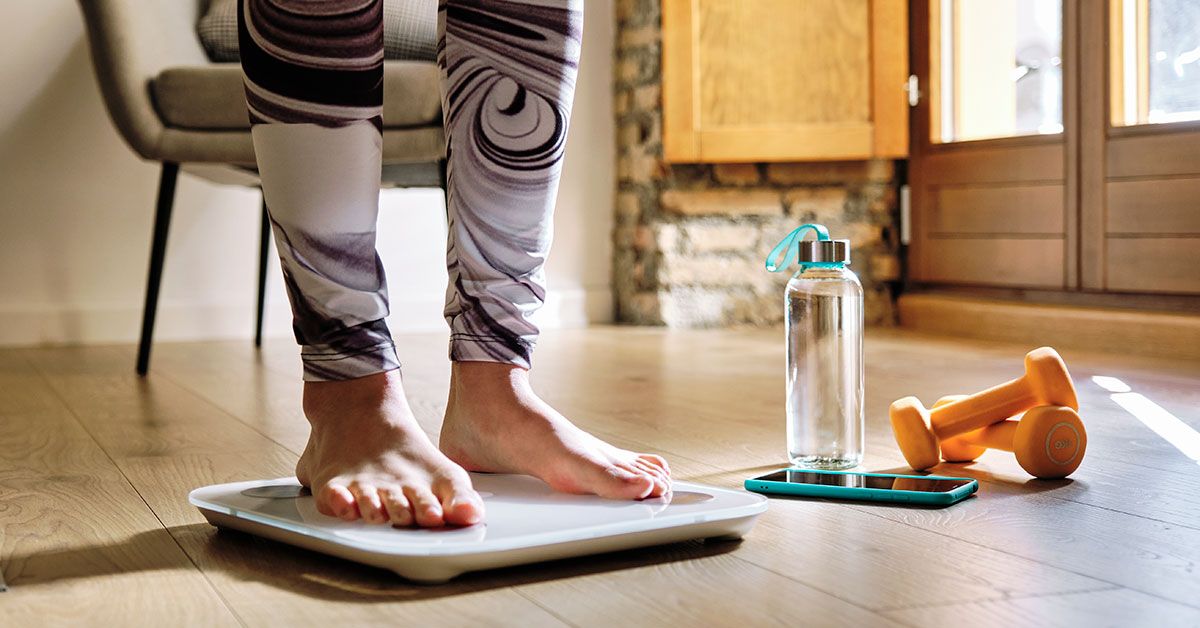
When you stand barefoot on the metal electrodes, the scale sends a tiny, painless electrical current from one foot through your body to the other foot. Some models with handles send signals through the hands as well, which can give the device more upper-body information. The scale then measures impedance, meaning how much your body resists or slows the electrical signal.
Why does that matter? Different tissues conduct electricity differently. Lean tissue, especially muscle, contains more water and electrolytes, so it conducts electrical current more easily. Fat tissue contains less water, so it offers more resistance. By measuring that resistance, the scale estimates how much of your body is lean mass and how much is fat mass.
The Science Behind Bioelectrical Impedance Analysis
Bioelectrical impedance analysis starts with one practical idea: body water is closely related to lean mass. Since muscle and other lean tissues hold a lot of water, the scale first estimates total body water. From there, it estimates fat-free mass. Once it has an estimate of fat-free mass, it subtracts that number from your total body weight to estimate fat mass.
For example, imagine a person weighs 180 pounds. If the scale estimates 140 pounds of fat-free mass, it may calculate 40 pounds of fat mass. That would result in an estimated body fat percentage of about 22 percent. The math sounds simple, but the assumptions behind it are not.
Consumer scales do not directly measure your fat cells. They combine impedance readings with personal data such as height, weight, age, sex, and sometimes activity level. Then they run those inputs through proprietary equations. That means two scales can give different body fat readings for the same person on the same morning. The hardware matters, but the formula matters too.
Foot-to-Foot vs. Segmental Smart Scales
Most affordable body fat scales use a foot-to-foot design. The signal travels up one leg and down the other, so the scale gets most of its information from the lower body. It then estimates the rest of the body using formulas. This can work reasonably well for trend tracking, but it may be less accurate for people who carry more fat or muscle in the upper body.
More advanced scales use hand electrodes, multiple frequencies, or segmental analysis. These devices may estimate fat and muscle distribution in the arms, legs, and trunk. They can provide more detailed data, but they still rely on algorithms and assumptions. A fancier scale is not automatically a tiny hospital in your bathroom.
Why Hydration Changes the Reading
Hydration is one of the biggest reasons body fat scale readings jump around. Because BIA depends heavily on body water, changes in fluid balance can affect the result. If you are dehydrated, electrical resistance may increase, and the scale may estimate a higher body fat percentage. If you are well hydrated, the scale may estimate more lean mass and a lower fat percentage.
This is why your body fat reading may look different after a salty dinner, a sweaty workout, a long flight, a big breakfast, or several cups of coffee. Your body did not gain or lose three pounds of fat overnight. Your water balance changed, and the scale interpreted that change through its formula.
For the best consistency, measure under similar conditions. Many people get the most stable trend by weighing in the morning, after using the bathroom, before eating or drinking, and before exercise. The exact time matters less than the routine. Your scale likes consistency because, frankly, it is easily confused.
What Can Make Body Fat Scales Inaccurate?
Body fat scales are sensitive to many variables. Some are obvious, while others are sneakier than a cookie disappearing from the pantry.
Recent Exercise
Exercise changes blood flow, body temperature, sweat levels, and fluid distribution. A hard workout can temporarily shift water into muscles, which may make the scale estimate lower body fat or higher lean mass. This does not mean you instantly built a new biceps department. It means your body is in a different physiological state.
Meals and Alcohol
Food and alcohol can alter hydration, gut contents, and fluid balance. Eating a large meal before weighing may change both your weight and impedance reading. Alcohol can contribute to dehydration, which may distort the result the next morning. Your scale is not judging your brunch, but it may report confusing numbers afterward.
Skin Temperature and Foot Contact
Cold feet, dry skin, calluses, dirty electrodes, or uneven contact can interfere with the signal. For best results, stand barefoot with clean, dry feet placed correctly on the electrodes. If your scale requires heel and toe contact, do not perch on it like a flamingo trying to avoid bad news.
Body Type and Population Differences
BIA formulas are usually built from population averages. They may be less accurate for elite athletes, older adults, people with very high or very low body fat, people with edema, and individuals whose body composition differs from the reference groups used to build the algorithm. This is one reason the number should be treated as an estimate, not a medical diagnosis.
Are Body Fat Scales Accurate?
The honest answer is: accurate enough for some uses, not accurate enough for others. Body fat scales can be useful for watching trends over weeks and months. They are less reliable as a one-time measurement of true body fat percentage.
Clinical methods such as DXA scans, air displacement plethysmography, hydrostatic weighing, and professionally performed skinfold assessments can offer more precise body composition information. Even those methods have limitations, but they are generally more appropriate when a highly accurate measurement is needed.
Consumer body fat scales are best used like a weather app, not a laboratory report. If the app says it might rain, you take an umbrella. You do not write a dissertation about the exact number of droplets. Similarly, if your scale shows a gradual downward trend in body fat over three months while your strength and energy improve, that may be useful. If it jumps two percent overnight, breathe deeply and do not start blaming your oatmeal.
Body Fat Percentage vs. BMI
Body fat percentage and BMI are often discussed together, but they are not the same thing. BMI uses height and weight to estimate weight category. It is simple and widely used, but it does not distinguish fat from muscle. A muscular athlete and a sedentary person can have the same BMI while having very different body compositions.
Body fat percentage tries to estimate how much of your weight comes from fat. This can be more informative than weight alone, especially for people gaining muscle while losing fat. However, body fat percentage from a smart scale is still an estimate. The most useful approach is to combine several indicators: weight trend, waist measurement, strength, fitness, blood pressure, blood sugar, cholesterol, energy level, sleep quality, and how your clothes fit.
How to Use a Body Fat Scale the Smart Way
The best way to use a body fat scale is to make peace with its imperfections. It can be a helpful tracking tool if you control the conditions and focus on trends.
Use the Same Scale
Different scales use different algorithms. Do not compare your home scale to the gym scale, your friend’s scale, and a random hotel scale unless you enjoy numerical chaos. Pick one device and use it consistently.
Measure at the Same Time
Morning is often the easiest time to standardize. Weigh after using the bathroom and before breakfast. Avoid measuring immediately after exercise, heavy meals, alcohol, sauna sessions, or long travel.
Watch the Trend, Not the Drama
Daily readings can bounce. Weekly and monthly averages are more meaningful. A smart scale app may show trend lines, which are usually more useful than individual numbers. Think of each reading as one pixel in a larger picture.
Pair the Data With Real-Life Signals
If your body fat percentage is moving down slowly, your waist is shrinking, your workouts feel better, and your energy is stable, that is a stronger signal than the scale alone. If your scale says your body fat improved but you feel exhausted and weak, listen to your body too.
Who Should Be Careful With Body Fat Scales?
Body fat scales use a small electrical current, so people with implanted medical devices such as pacemakers or defibrillators should follow their device guidance and ask a medical professional before using impedance-based features. Some manufacturers advise against use during pregnancy or recommend weight-only mode. When in doubt, use the regular weight function or choose a scale that allows impedance features to be disabled.
People with a history of eating disorders, body image distress, or obsessive weighing may also need caution. More data is not always better if the data becomes emotionally loud. A body fat scale should support health decisions, not become a tiny bathroom bully.
Common Myths About Body Fat Scales
Myth 1: The Scale Directly Measures Fat
It does not directly measure fat. It measures electrical impedance and estimates fat using formulas. That difference matters.
Myth 2: A Higher Price Always Means Better Accuracy
Premium scales may offer better design, app features, multi-frequency measurement, or segmental data. Still, they are not automatically clinically accurate for every body. Price can buy convenience, but it cannot cancel biology.
Myth 3: One Bad Reading Means You Failed
A single reading can be affected by hydration, timing, exercise, and many other factors. One number is not a moral report card. It is just a data point, and sometimes a moody one.
Practical Example: Why Your Reading Changes Overnight
Suppose your body fat scale says you are 25.4 percent body fat on Monday. On Tuesday, it says 27.1 percent. Did you gain several pounds of fat in 24 hours? Almost certainly not. More likely, your hydration shifted. Maybe you ate salty food, slept poorly, exercised hard, drank less water, or measured at a different time.
Now imagine that over three months, your average body fat reading moves from 27 percent to 24 percent, your waist measurement drops two inches, and your strength improves. That trend is more meaningful. The scale may not know your exact body fat percentage, but it may be detecting a real direction of change.
Experience-Based Tips for Living With a Body Fat Scale
Using a body fat scale well is less about worshiping the number and more about building a calm relationship with feedback. Many people buy a smart scale expecting instant clarity. Instead, they get charts, percentages, arrows, app notifications, and a sudden urge to question whether their left leg is mostly water. The trick is to make the scale serve your habits, not your mood.
One useful experience is to set a weighing routine that feels boring. Boring is good. The same time, same place, same conditions, same scale. Stand on it, record the number, and move on. Do not weigh yourself before dinner, after dinner, after a workout, before bed, and then again because you “just want to check.” That is not data collection; that is bathroom surveillance.
Another practical lesson is to compare the scale with how life actually feels. If your body fat percentage is slightly up but your workouts are stronger, your pants fit better, and your energy is steady, the number may not deserve center stage. On the other hand, if the trend is moving in the wrong direction for several months and your waist measurement is increasing, the scale may be giving you a useful nudge.
People also learn quickly that smart scales can be oddly dramatic after travel. Long flights, restaurant meals, different sleep schedules, and dehydration can create readings that look like your body was replaced by a salty suitcase. Give yourself a few normal days before interpreting the trend. The same goes for holidays, stressful weeks, illness, and major changes in training.
For fitness beginners, body fat scales can be encouraging when weight alone is confusing. Someone starting strength training may see body weight stay the same while body fat slowly trends down and muscle estimate trends up. The exact numbers may not be perfect, but the pattern can reinforce the idea that progress is not always lighter. Sometimes progress is stronger, better fueled, better rested, and less out of breath carrying groceries.
For experienced exercisers, the scale can be useful but humbling. Athletes often have hydration patterns and muscle distribution that confuse consumer algorithms. An athletic mode may help on some devices, but it is still a model. The most experienced users tend to treat the scale as one tool among many: training logs, photos, measurements, performance, recovery, and medical markers all matter.
The healthiest experience with a body fat scale is usually quiet and practical. Check it consistently. Look at averages. Ignore small jumps. Celebrate behavior, not just numbers. If the device motivates better sleep, regular exercise, balanced meals, and patience, it is doing its job. If it makes you anxious, obsessive, or discouraged, weight-only mode may be the smarter technology.
Conclusion: A Body Fat Scale Is a Trend Tool, Not a Crystal Ball
Knowing how body scales measure fat makes the numbers easier to understand and much easier to handle. A body fat scale uses bioelectrical impedance analysis to estimate body composition based on how a small electrical signal travels through your body. Muscle, water, and fat affect that signal differently, and the scale uses equations to turn the result into body fat percentage.
That estimate can be helpful, especially when measured consistently over time. But it can also be influenced by hydration, food, exercise, skin contact, device design, and algorithm differences. The best use of a smart scale is not to chase perfect accuracy. It is to track direction, notice patterns, and combine the data with real-world health markers.
So step on the scale if it helps. Just remember: it is a tool, not a judge. It can report a number, but it cannot measure discipline, confidence, strength, consistency, or whether you are becoming the kind of person who keeps promises to yourself. And honestly, that progress weighs more than any percentage on a screen.