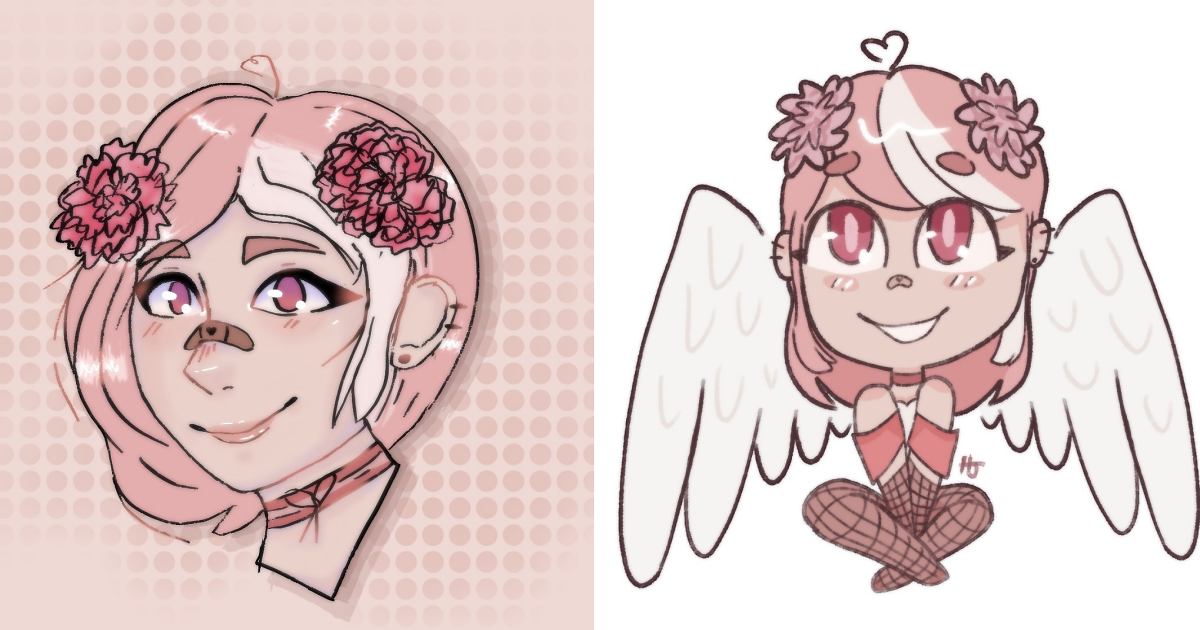
Every artist has a secret little universe living rent-free in their sketchbook. Mine happens to include dramatic coats, suspiciously expressive eyebrows, fantasy boots that would absolutely fail an airport security check, and at least one character who looks like they know the ending of the story but refuses to share it. Welcome to Some Drawings Of My OCs, a small gallery of six original character drawings made with love, caffeine, and the occasional “why does this hand look like a decorative fork?” crisis.
In the art world, an OC means “original character.” Unlike fan art, where the character already exists in a movie, game, comic, or fandom, an OC comes from the artist’s own imagination. That makes OC art wonderfully personal. You are not just drawing a face, outfit, or cool pose; you are designing a tiny fictional person with a history, attitude, wardrobe budget, emotional baggage, and possibly a pet crow named Biscuit.
This collection includes six OC drawings, each with a slightly different mood and design goal. Some are polished character illustrations, some are looser sketches, and some still have that “fresh from the sketchbook swamp” charm. Together, they show the fun and chaos of creating characters from scratch: building personality through silhouette, pose, color, expression, costume, and little visual details that whisper, “Yes, this character has a playlist.”
Why OC Drawings Are So Addictive
Drawing original characters is addictive because it combines storytelling, fashion design, acting, worldbuilding, and problem-solving into one creative sandwich. A good OC is not just “person with sword” or “girl with cool hair.” The character needs a visual identity that feels readable and memorable. Viewers should be able to ask questions immediately: Who are they? What world do they belong to? Are they friendly, dangerous, tired, magical, dramatic, or all of the above before breakfast?
Character design often begins with simple ideas: shape, silhouette, posture, color palette, facial expression, and props. A rounder shape can feel soft, playful, or approachable. Angular shapes can suggest danger, energy, or intensity. Tall vertical forms may feel elegant or distant. A slouched pose can tell us a character is shy, exhausted, or secretly plotting. The magic happens when these design choices support the character’s personality instead of just decorating them like a holiday tree.
OC art also gives artists room to improve without feeling trapped by perfection. You can redesign a character ten times and call it “development” instead of “I changed my mind again.” Hair too boring? Add braids. Outfit too plain? Give them a jacket with unnecessary buckles. Eyes not expressive enough? Raise one eyebrow and suddenly they have trust issues. Original character drawing rewards experimentation, and that is exactly why it stays fun.
The Six OC Drawings
Here are the six drawings in this mini-gallery. Each one focuses on a different part of character design, from facial expression to costume storytelling. Replace the placeholder image file names with the actual artwork when publishing.


What Makes These OC Drawings Work
1. Clear Silhouettes
One of the strongest ways to make an OC memorable is to give them a recognizable silhouette. Before details like buttons, hair strands, tattoos, or magical sparkles get involved, the big shape should already say something. A wide cloak can make a character feel mysterious. Big boots can make them look grounded or scrappy. A spiky hairstyle may suggest nervous energy, rebellion, or a tragic relationship with hair gel.
In these drawings, the silhouettes help separate the characters from one another. The traveler is built with flowing shapes, while the warrior uses stronger angles and a stable stance. The sidekick has a bouncy, compact shape that feels more playful. This variety matters because OCs can start looking too similar if every character has the same posture, face shape, and fashion sense. Nobody wants an entire cast that looks like cousins at a very specific family reunion.
2. Personality Through Pose
Poses are visual acting. A confident character does not stand the same way as a nervous one. A quiet scholar might hold their shoulders inward, while a warrior may stand with weight evenly planted. A chaotic inventor might lean forward, gesture wildly, or look like they just heard a machine make a noise machines should not make.
When drawing OCs, pose can communicate personality faster than a paragraph of backstory. Even a simple standing pose becomes more interesting when the weight distribution, hand placement, and head angle support the character’s mood. A tilted head can suggest curiosity. Crossed arms can suggest defensiveness. A relaxed hand on a belt can suggest confidence. A hand hidden behind the back can suggest secrets, snacks, or both.
3. Costumes That Tell a Story
Costumes are not just decoration. In character design, clothing tells viewers what kind of life the character lives. Practical boots, patched sleeves, tool belts, gloves, armor dents, jewelry, and bags all carry story clues. A scholar with ink stains feels different from a royal mage covered in polished gold. A warrior with chipped armor feels more experienced than one wearing shiny, untouched metal.
The best OC outfits balance personality and function. The mysterious traveler needs layers, pockets, and protective fabric. The inventor needs rolled sleeves, straps, tools, and maybe goggles that are more fashionable than safe. The warrior needs armor that looks strong but still allows movement. The sidekick’s oversized jacket suggests youth, humor, and perhaps a habit of stealing clothes from taller friends.
4. Expressions That Do More Than Smile
A character’s face should feel alive. That does not mean every OC needs a huge dramatic expression. Small changes can say a lot: lowered eyelids, a slight smirk, tight lips, raised brows, or a tired stare. A blank face can be powerful if it matches the character, but accidental blankness is dangerous. It can make an OC look like they are waiting in line at the Department of Magical Paperwork.
The portraits in this set use expression to hint at inner life. The scholar looks calm but guarded. The inventor looks energetic and slightly sleep-deprived. The warrior looks focused. The sidekick looks ready to cause a plot complication. These expressions help viewers connect with the characters even before they know their names.
How Original Character Art Builds a World
One of the best parts of drawing OCs is that one character almost always leads to another. You sketch a traveler, then wonder where they are traveling. You design a warrior, then ask who trained them. You draw a scholar, then suddenly there is a library, a forbidden map, a missing moon, and a villain with immaculate cheekbones. Congratulations, you now have lore.
Worldbuilding does not need to begin with a giant encyclopedia. Sometimes it starts with a single design choice. A necklace may imply family history. A scar may imply danger. A uniform may imply an organization. A strange symbol on a glove may imply magic, technology, religion, rebellion, or a very intense club. Visual details can quietly expand the world without overwhelming the viewer.
That is why OC drawings are powerful for artists, writers, comic creators, animators, and roleplayers. They turn abstract ideas into visible characters. Once a character has a face, posture, and outfit, they feel easier to write. They begin to make decisions. They develop opinions. They may even refuse the plot you carefully planned for them, which is rude but artistically useful.
Tips For Drawing Better OCs
Start With the Big Idea
Before spending three hours rendering a belt buckle, ask what the OC is about. Are they brave, anxious, elegant, wild, mysterious, funny, gentle, dangerous, or dramatic? Pick a few core traits and let them guide your shapes, pose, clothing, and colors. Details should support the main idea, not fight it in the parking lot.
Use References Without Copying
References are not cheating. They are how artists learn. Use pose references, clothing references, anatomy studies, historical fashion, animal photos, lighting examples, and real-world textures. The key is to combine and transform references instead of copying one image directly. Your OC should feel original because the choices come from your story, not because you avoided looking at reality.
Create a Simple Color Palette
Color can make an OC feel unified. A limited palette often works better than using every color available, even if the color wheel is standing there looking tempting. Choose one or two dominant colors, then add supporting accents. A muted traveler with one bright scarf may be more memorable than a character wearing twelve equally loud colors and visually shouting from across the internet.
Draw Multiple Expressions
If you want to know whether an OC really works, draw them happy, angry, embarrassed, suspicious, exhausted, and smug. Expression sheets reveal personality quickly. They also help you understand the structure of the face from different emotional angles. Plus, drawing your serious villain mildly inconvenienced by soup is good for morale.
Redesign Without Fear
Most strong OCs are redesigned many times. The first version is rarely the final version. Hair changes, outfits improve, proportions shift, and personalities evolve. Redesigning is not failure; it is character development wearing an artist hoodie. Keep old versions if you can, because seeing the evolution is motivating and sometimes hilarious.
Why Sharing OC Art Online Matters
Sharing OC drawings online can feel scary because the characters are personal. When you post fan art, people already know the character. When you post an OC, you are asking viewers to care about someone they have never met. That can feel like introducing a shy friend at a party and hoping nobody asks too many questions about their sword collection.
But OC art communities thrive because people love seeing imagination made visible. Artists share character sheets, sketch dumps, redraws, lore posts, comic panels, expression studies, and “ask my OC anything” prompts. These posts invite conversation. Viewers may ask about the character’s backstory, powers, relationships, or design choices. That feedback can help the creator refine the character and stay motivated.
Search-friendly posts also help more people discover the work. Phrases like OC drawings, original character art, character design sketches, digital illustration, character sheet, and drawing my OCs describe the content clearly without stuffing keywords awkwardly into every sentence. Good SEO for art posts is simple: use natural language, descriptive captions, helpful alt text, and headings that match what people actually search for.
Behind the Sketchbook: Personal Experience With Drawing OCs
Drawing OCs has taught me that characters rarely arrive fully formed. They usually show up as a tiny visual spark: a hairstyle, a jacket shape, a face, a pose, or a mood. At first, the idea feels exciting but blurry. I might know that a character is “a tired moon scholar” or “a reckless inventor,” but I do not yet know how they stand, what they carry, or whether they drink tea like a civilized person or consume coffee like a haunted raccoon.
My process usually begins with messy thumbnails. These are not beautiful drawings. They are little scribbly experiments where I test shapes quickly. I try different heads, shoulders, coats, boots, and props. At this stage, I avoid getting too precious because the first idea is not always the best one. Sometimes the best design is hiding in the fourth tiny sketch that looks like it was drawn during an earthquake.
After the thumbnails, I choose the version with the clearest personality. Then I refine the pose. This is where I ask practical questions. Does the character look balanced? Do they feel stiff? Is the gesture saying anything? If the pose does not match the personality, I adjust it. A shy character may need a smaller posture. A bold character may need open shoulders and a stronger stance. A sneaky character might need a tilted head or hands tucked away like they are definitely not holding stolen biscuits.
Clothing is often the most fun and the most dangerous part. It is very easy to add too many details because details feel impressive. But too many belts, buttons, trims, charms, pockets, and mysterious dangling objects can turn an OC into a walking craft store. I try to make every major detail earn its place. A pouch should suggest what the character carries. A scarf should help the silhouette. A necklace should hint at history. Decoration works best when it feels connected to the character’s life.
Color comes later for me because values and shapes matter first. If the grayscale design is readable, color becomes easier. I like choosing palettes that match the character’s emotional tone. Calm characters may get cooler or softer colors. Energetic characters may get stronger contrast. Mysterious characters often get darker values with one small accent color. That little accent can become a visual hook, like a red ribbon, glowing charm, or blue earring that viewers remember.
The biggest lesson is that OC drawing is not only about making a pretty picture. It is about learning who the character is by drawing them repeatedly. The first drawing introduces them. The second drawing corrects them. The third drawing argues with them. By the sixth drawing, they start to feel real enough to complain about the plot. That is when I know an OC is working: when they no longer feel like a design problem, but like a character with opinions, secrets, and a suspiciously specific taste in boots.
Conclusion
Some Drawings Of My OCs (6 Pics) is more than a simple sketch gallery. It is a celebration of original character art, creative growth, and the delightful madness of inventing fictional people who somehow become emotionally important. These six OC drawings show how silhouette, pose, expression, costume, color, and story details can turn a blank page into a living cast.
Whether you are a beginner filling a sketchbook, a digital artist building a portfolio, a writer designing characters for a story, or someone who simply enjoys making tiny imaginary people suffer for plot reasons, drawing OCs is one of the most rewarding creative habits you can build. Start simple, use references, redraw often, and let your characters evolve. Your first sketch does not need to be perfect. It only needs to open the door.