Comedy used to have a fairly simple travel plan: a joke was born in a notebook, tested in a club, sharpened on stage, andif it survived the emotional obstacle course known as “Tuesday open mic night”maybe it reached TV, radio, a comedy album, or the friend who ruins every punchline by retelling it wrong at brunch.
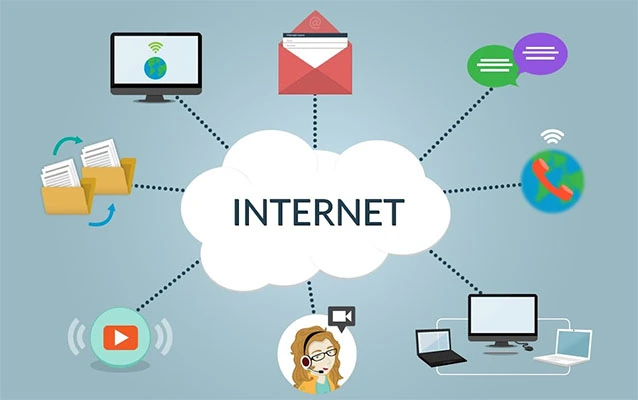
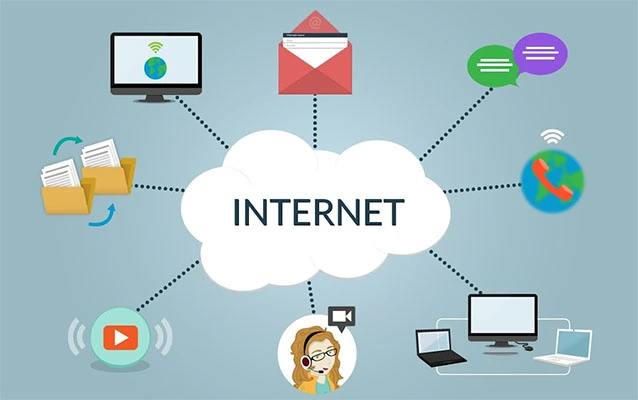
Then the internet walked in wearing sunglasses indoors and said, “What if every human with Wi-Fi could be a comedian, critic, distributor, heckler, editor, archivist, and unpaid brand manager at the same time?” Suddenly, comedy was not just something you watched in a club or on late-night television. It became a global, searchable, remixable, screenshot-able language.
The internet changed comedy in ways that are genuinely exciting. It helped unknown comics bypass gatekeepers. It created new formats like memes, TikTok sketches, YouTube specials, reaction videos, and viral crowd-work clips. It helped niche comedians find niche audiences who finally said, “Wait, someone else also thinks airport carpet has villain energy?”
But the internet also changed comedy in ways that are exhausting. Algorithms reward speed over depth. Jokes are judged before context arrives. Comedians now compete not only with other comedians, but with cats, conspiracy theories, cooking hacks, and people whispering into tiny microphones. The result is a comedy landscape that is bigger, faster, stranger, more democraticand sometimes more brutalthan anything before it.
Here are four major ways the internet changed comedy, for better and worse.
1. The Internet Made Comedy More Democratic
Before the web, breaking into comedy usually required access to physical comedy clubs, TV bookers, radio shows, entertainment agents, or newspaper critics. A comedian in New York, Los Angeles, or Chicago had a better shot simply because the industry lived there. A hilarious person in a small town could still succeed, but they often had to move, network, tour relentlessly, or wait for someone powerful to notice.
The internet blew a hole through that wall. YouTube, TikTok, Instagram, Reddit, podcasts, newsletters, and streaming platforms gave comedians direct access to audiences. A comic no longer had to wait for a late-night show to offer six minutes of national exposure. They could upload a one-minute bit from their bedroom and reach millions by breakfast, assuming the algorithm had enjoyed its coffee.
The better side: more voices, fewer gatekeepers
This democratization has been one of the most positive changes in modern comedy. Online platforms have helped comedians from underrepresented backgrounds build audiences without begging traditional media for permission. Women, LGBTQ+ comedians, comedians of color, disabled comics, immigrant comics, regional comics, and creators outside the old entertainment hubs have used the internet to turn personal perspective into cultural currency.
That matters because comedy is strongest when it is specific. The internet made it easier for a comic to say, “This is my weird little corner of experience,” and find thousandsor millionsof people who recognize it. A joke about growing up in a bilingual household, working retail, surviving corporate video calls, dating after 35, or explaining modern slang to your parents can now travel instantly to the people most likely to appreciate it.
In the old model, a comedian often had to appeal to broad gatekeeper tastes. Online, a comic can build a career by being intensely specific. The audience does not need to be everyone. It just needs to be loyal, engaged, and preferably willing to buy tickets, merch, or a digital special that was edited at 2:00 a.m. by someone fueled by iced coffee and vengeance.
The worse side: everyone is always auditioning
The downside is that democratization also created a never-ending talent show. Every post is a mini audition. Every joke is a public test. Every comedian is expected to be a writer, performer, editor, marketer, analytics reader, brand strategist, community manager, and emotional support animal for their own comment section.
That pressure can distort the craft. A great stand-up set takes time to build. Some jokes need silence, tension, surprise, or a slow reveal. The internet often rewards the opposite: immediate payoff, loud captions, big facial expressions, and hooks that grab viewers before they scroll to a raccoon eating grapes.
So yes, the internet gave more comedians a microphone. But it also turned the microphone into a treadmill. The opportunity is real. So is the burnout.
2. The Internet Changed the Shape of the Joke
A classic stand-up joke often follows a familiar rhythm: setup, misdirection, punchline, maybe a tag. Sketch comedy builds characters and scenes. Sitcom humor depends on relationships, timing, and repeated situations. The internet did not erase these forms, but it created new ones that move faster and mutate constantly.
Memes may be the clearest example. A meme is not just a joke; it is a joke template. One person creates a format, millions remix it, and suddenly the same image or phrase can explain politics, dating, sports, parenting, student debt, and why your dog stares at invisible ghosts in the hallway.
The better side: comedy became participatory
The internet made audiences part of the writing room. People do not just watch jokes now; they remix, caption, duet, stitch, parody, quote, and screenshot them. A funny idea can become a shared cultural shorthand within hours. That kind of participation has made comedy feel more alive and communal.
Online humor also expanded the tools of comedy. A joke can be a reaction GIF, a fake motivational quote, a deliberately bad PowerPoint slide, a TikTok sound, an absurd edit, a screenshot of a text exchange, or a single sentence paired with the perfect image. The punchline might not even be spoken. Sometimes the joke is the font. Sometimes the joke is the pause. Sometimes the joke is that everyone knows exactly why a stock photo man holding a salad looks guilty.
This new visual and participatory language has made comedy more flexible. A creator can use timing, editing, sound effects, filters, subtitles, jump cuts, and comments as part of the joke. Internet comedy is not limited to the stage. It can live in the gap between a caption and an image, in the reuse of a trending sound, or in the chaos of a comment thread where strangers somehow become co-writers.
The worse side: jokes expire faster
The problem is that internet comedy ages like an avocado in July. A meme that feels hilarious on Monday can feel ancient by Thursday. Trends move so quickly that even explaining one can make it sound like a fossil wearing cargo shorts.
This speed creates pressure to produce disposable humor. Instead of developing a strong comic point of view, creators may chase formats that are already working. The internet rewards familiarity: the same video structure, the same caption style, the same exaggerated reaction, the same “POV” setup, the same fake podcast clip energy. What begins as a fresh comedic form can quickly become a factory line.
There is also the issue of context collapse. A joke meant for one community can spread to people who do not understand the tone, reference, or intended target. Suddenly a niche joke is being judged by a global audience, including people who arrived late, read nothing, and brought a folding chair to the outrage picnic.
Comedy has always depended on context. The internet removes context for sport.
3. The Internet Rewired Stand-Up Comedy
Stand-up comedy may be the art form most visibly changed by the internet. For decades, the live room was sacred. Comedians tested material in clubs, protected their best jokes, and saved polished sets for specials. A joke had value because audiences had not already seen it.
Now, clips are the currency. A comedian’s online presence can sell tickets before a traditional review ever appears. Crowd-work videos, in particular, have become a dominant promotional tool. These clips are usually short, vertical, subtitled, and built around spontaneous interaction with audience members. They travel well because they feel unscripted, immediate, and slightly dangerouslike watching someone defuse a bomb, except the bomb is a man in the front row who thinks his job in software is interesting.
The better side: clips can fill rooms
For working comedians, the upside is enormous. A viral clip can introduce a comic to audiences across the country. It can turn local recognition into national touring power. It can help a performer prove demand without waiting for a network, streamer, or agent to approve them.
Social media also lets comedians maintain relationships with fans between shows. Instead of disappearing after a set, comics can share bits, behind-the-scenes moments, podcast appearances, tour announcements, and personal observations. Fans feel closer to the performer, and that closeness can translate into ticket sales.
In that sense, the internet did not kill live comedy. It helped many comedians promote it. People discover a comic online, then buy tickets to see whether the magic works in person. When it does, the live room still wins. A phone screen can deliver a laugh, but it cannot fully duplicate the feeling of a roomful of strangers laughing at the same wrong thing at exactly the same time.
The worse side: stand-up can become clip bait
The risk is that comedians may start shaping their stage work around what clips well. Crowd work is exciting, but it is not the same as a carefully written hour. A brilliant long-form bit may not survive online if it needs three minutes of setup. A subtle joke may lose to a clip titled “Comedian DESTROYS Heckler,” even if nobody was destroyed and the heckler was just trying to order mozzarella sticks.
This can create a distorted picture of what stand-up is. Online audiences may assume the best comedians are the ones with the most viral moments. But virality is not the same as craft. A great comic controls rhythm, persona, structure, vulnerability, callbacks, silence, and surprise. Those qualities can be hard to capture in a 38-second clip with captions shouting like a motivational speaker trapped in a casino.
There is also a practical problem: audiences now record everything. A new joke can leak before it is ready. A rough idea can be judged as a finished statement. A moment that worked in the room can look harsh, strange, or incomplete when divorced from the atmosphere that made it funny.
The internet gave stand-up a powerful marketing engine. It also handed every audience member a distribution device and said, “Good luck, artists.”
4. The Internet Made Comedy More Accountableand More Anxious
Comedy has always pushed boundaries. That is part of the job. Comedians test what can be said, how it can be said, and why it makes people laugh. The internet changed what happens after the joke landsor fails.
In the past, a bad joke might die in a room. Now it can be clipped, shared, debated, criticized, defended, misunderstood, ratioed, re-uploaded, monetized, and turned into a discourse cycle before the comedian has even found parking.
The better side: harmful jokes face real pushback
One positive change is accountability. Audiences now have more power to challenge lazy stereotypes, cruelty disguised as edginess, stolen jokes, punching down, or comedy that relies on shock without insight. Marginalized groups can respond publicly instead of waiting for critics or institutions to care.
This has pushed many comedians to become sharper. The best comics are not less funny because they think harder. Often, they are funnier. Constraint can force creativity. A comedian who cannot rely on cheap targets has to develop better angles, stronger observations, and more original writing.
Online accountability has also exposed joke theft more quickly. Because performances are searchable and shareable, comics can compare material, call out suspicious similarities, and protect their work. The internet is a chaotic courtroom, yes, but occasionally it does find the guy who stole the punchline and tried to hide it under a new hoodie.
The worse side: fear can flatten comedy
At the same time, the internet can make comedians anxious in ways that hurt the art. Not every failed joke is a moral emergency. Not every awkward premise is a public confession. Comedy needs room for experimentation, and experimentation includes bombing. A culture that treats every imperfect joke as a permanent character document may discourage comics from taking creative risks.
The algorithm adds another layer of pressure. Platforms reward engagement, and outrage is highly engaging. A thoughtful bit may travel less than a controversial fragment. A comedian may be punished not for the full joke, but for the most inflammatory ten seconds. That creates incentives for both over-caution and deliberate provocation.
Some creators respond by becoming bland. Others respond by becoming aggressively offensive because backlash itself can build an audience. Neither outcome is ideal. Comedy thrives in the messy middle: bold enough to surprise, thoughtful enough to mean something, and honest enough to risk discomfort without mistaking cruelty for courage.
So, Is Internet Comedy Better or Worse?
The honest answer is yes.
The internet made comedy better by opening doors, amplifying new voices, creating new formats, and helping comedians reach audiences directly. It made humor more participatory, more visual, more immediate, and more connected to everyday life. A funny person with a phone can now build a career that once required institutional approval.
It also made comedy worse by speeding everything up, flattening context, rewarding repetition, pressuring comics to feed platforms constantly, and turning every joke into a potential public trial. It created a world where comedians must think not only about whether a joke works, but also how it will look as a clip, how it will be interpreted by strangers, and whether the caption should be in yellow or white block letters. These are not the questions Aristotle had in mind, although to be fair, Aristotle would have crushed on Substack.
The internet did not destroy comedy. It changed the conditions under which comedy is made, shared, judged, and monetized. The best comedians are learning how to use digital platforms without becoming servants to them. The best audiences are learning how to enjoy jokes online while still valuing context, craft, and live performance.
Comedy has always adapted to technology. Vaudeville adapted to radio. Radio adapted to television. Television adapted to cable. Cable adapted to streaming. Now comedy is adapting to platforms, algorithms, memes, and audiences who can respond instantly. The form is not dying. It is molting, which is less glamorous but probably more accurate.
Personal Experiences and Everyday Lessons From Internet Comedy
One of the strangest things about internet comedy is how quickly it becomes part of daily life. You may not think of yourself as a comedy scholar while scrolling in bed at midnight, but there you are, studying timing, tone, captions, facial expressions, and the ancient art of “why did that seven-second video make me laugh harder than a movie with a $90 million budget?”
Many people first notice the internet’s impact on comedy through shared references. A friend sends a meme instead of writing a full emotional explanation. A coworker reacts to office chaos with a GIF. A family group chat develops its own recurring jokes. Suddenly, comedy is not only something produced by professionals. It becomes a social glue, a shorthand for feelings that would otherwise require paragraphs, therapy, or both.
There is also a wonderful intimacy to niche internet humor. Before the internet, you might have assumed your oddly specific annoyance belonged only to you. Then you find a comedian joking about the exact same thing: the panic of replying “you too” when a waiter says “enjoy your meal,” the suspicious confidence of people who back into parking spaces, or the emotional damage caused by a software update that moves one button three inches to the left. The laugh comes from recognition. It says, “I am not alone. Other people are also ridiculous in this precise way.”
At the same time, internet comedy can make people impatient. After enough short clips, a slower joke can feel like it is taking the scenic route through a cornfield. Live comedy asks for a different kind of attention. It asks you to sit with a performer, trust the setup, and wait for the payoff. That patience can be difficult when your brain has been trained by platforms to expect a punchline every few seconds and a new video immediately after.
Another common experience is seeing a joke travel outside its original audience. A post meant for one group gets shared widely, and suddenly people who do not understand the context are arguing about it with the confidence of a man explaining a dishwasher he has never opened. This can be funny, frustrating, or both. It reveals one of the internet’s biggest comedy lessons: jokes do not travel with their original room attached.
For comedy fans, the internet has made discovery easier than ever. You can find a local comic, a podcast improviser, a sketch group, a satirical writer, or a creator making jokes about a life experience that mainstream entertainment rarely touches. That access is valuable. It makes comedy feel less like a polished product handed down from studios and more like a living conversation.
For aspiring comedians, however, the lesson is more complicated. Posting online can build an audience, but it can also create the illusion that metrics equal mastery. A viral video is useful, but it is not the same as a strong voice. A million views can open doors, yet the craft still has to hold up when the phone is gone and the stage lights come on.
The healthiest relationship with internet comedy may be one of balance. Enjoy the memes. Share the clips. Laugh at the absurd edits. But also watch full specials. Go to local shows. Let comedians build ideas longer than a reel. Remember that some of the funniest moments still happen in rooms where nobody is recording, where the joke exists briefly, beautifully, and then disappearslike a perfect sneeze, but with a two-drink minimum.
Conclusion
The internet changed comedy by making it more accessible, more participatory, more visual, and more accountable. It also made comedy faster, harsher, more disposable, and more dependent on platforms that value engagement above artistry. That tension is the story of modern humor.
The future of comedy will not belong only to traditional gatekeepers or only to algorithms. It will belong to comedians who understand both the screen and the room, both the viral clip and the carefully built hour, both the meme and the meaningful point of view behind it. The internet may have changed the rules, but the heart of comedy is still the same: surprise, truth, timing, and the deep human need to laugh at the chaos before the chaos invoices us.
Note: This article is fully rewritten and synthesized from reputable reporting, research, and industry analysis about social media, online platforms, meme culture, stand-up comedy, creator economics, and digital audience behavior. No source links are embedded in the article body to keep the HTML clean for publication.