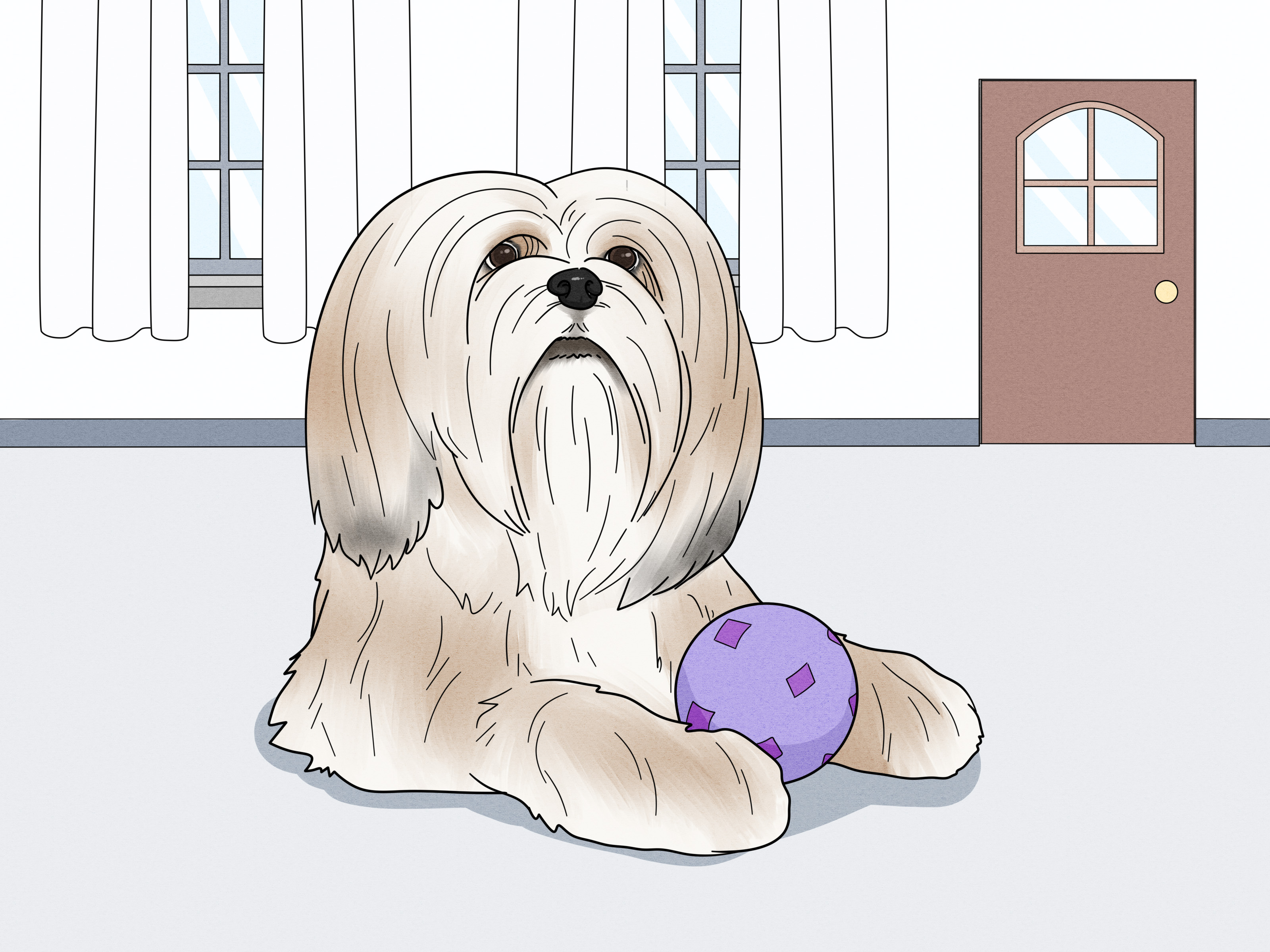
At first glance, a Lhasa Apso can look like a glamorous little mop with opinions. But spend five minutes with one and you’ll realize this ancient Tibetan breed is not merely a cute lap dog wearing a curtain of hair. The Lhasa Apso is sturdy, alert, independent, and surprisingly serious about home securitylike a tiny doorman who has read the rulebook and does not care for your nonsense.
If you are trying to identify a Lhasa Apso, the trick is to look beyond “small dog with long hair.” Several breeds share that description, including the Shih Tzu, Maltese, Havanese, Tibetan Terrier, and Yorkshire Terrier. A true Lhasa Apso has a specific combination of physical structure, coat style, facial expression, movement, and personality. This guide breaks the process into three practical ways: study the body, examine the coat and face, and observe the temperament.
Whether you met a mystery dog at the park, adopted a fluffy rescue, or are simply trying to win a friendly “guess the breed” argument, these clues will help you identify a Lhasa Apso with more confidenceand fewer awkward moments of calling someone’s dog a Shih Tzu while the owner silently judges you.
Way 1: Look at the Lhasa Apso’s Size, Shape, and Build
The first way to identify a Lhasa Apso is to look at the dog’s overall structure. A Lhasa Apso is a small dog, but not a fragile one. This breed was developed in the harsh climate of Tibet, where it served as an indoor sentinel in monasteries and homes. That background matters because the Lhasa is built more like a sturdy little guardian than a delicate decorative pet.
Check the Size
Most Lhasa Apsos stand about 10 to 11 inches tall at the shoulder, with females often slightly smaller. Their weight commonly falls in the 12- to 18-pound range, depending on sex, age, body condition, and individual genetics. A healthy Lhasa should feel compact and solid, not spindly or toy-like.
If the dog is much taller and heavier, you may be looking at a Tibetan Terrier or a mixed breed. If the dog is extremely tiny and fine-boned, it may be closer to a Maltese or toy mix. The Lhasa Apso lives in that charming middle zone: small enough to fit comfortably in an apartment, but confident enough to behave as if it owns the building.
Notice the Body Proportions
A Lhasa Apso is usually slightly longer than tall. This gives the body a rectangular look rather than a square one. The back should appear strong, the chest reasonably deep, and the overall outline balanced. The dog should not look leggy, narrow, or exaggerated.
When viewed from the side, a Lhasa often appears low, sturdy, and purposeful. Even under a long coat, you can usually sense that there is a real little dog underneathnot just a cloud with paws. The legs are short but not weak, and the body carries enough substance to match the breed’s bold personality.
Look at the Tail
One of the easiest physical clues is the tail. A Lhasa Apso typically carries its tail well over the back. The tail is often heavily feathered, creating a plume-like effect. When the coat is long, the tail may blend into the rest of the flowing hair, but the carriage over the back is still a strong breed marker.
Do not rely on tail shape alone, though. Shih Tzus and some other small companion breeds also carry their tails over their backs. Use the tail as one piece of the puzzle, not the entire detective board. Breed identification is like baking: one ingredient does not make the cake, unless the cake is just frosting, in which case please invite us.
Watch the Movement
A Lhasa Apso should move freely and confidently. Despite its long coat, the breed is not supposed to shuffle, wobble, or move as though the floor has personally offended it. A healthy Lhasa has a jaunty, purposeful gait. In simple terms, it walks like a small dog with a big schedule.
If the coat is full length, movement may be partly hidden by hair, but the dog should still seem steady and balanced. The Lhasa was never meant to be a helpless ornament. Its physical presence should suggest alertness, endurance, and a surprising amount of grit packed into a small frame.
Way 2: Examine the Coat, Face, and Expression
The second way to identify a Lhasa Apso is by studying its coat and head. This is where the breed becomes especially distinctive. The Lhasa Apso is famous for its long, heavy coat, but the texture and layout matter just as much as the length.
Identify the Long, Dense Coat
A classic Lhasa Apso coat is long, dense, and straight. In show condition, it may fall almost to the floor and part down the middle from the head along the back. This center part is one of the breed’s signature visual traits. The coat should look substantial rather than wispy. It is not supposed to be woolly, curly, or overly silky like fine human hair.
Many family Lhasas, however, wear a shorter “puppy cut” because full-coat maintenance is a serious commitment. A trimmed Lhasa may not have the dramatic floor-length look, but the coat will still usually appear thick, straight, and low-shedding. If the dog has a short haircut, look for other clues: body shape, tail carriage, facial hair, and temperament.
Know the Common Colors
Lhasa Apsos come in many colors. Gold, honey, cream, white, black, grizzle, slate, red, parti-color, and black-and-tan combinations are all possible. Many people picture the breed in warm golden or honey shades because those colors create the famous “little lion dog” look. However, color alone is never enough to identify a Lhasa Apso.
A white fluffy dog is not automatically a Maltese. A golden long-haired dog is not automatically a Lhasa. A black-and-white long-haired dog is not automatically a mystery from a Victorian painting. Coat color can help, but structure and behavior should do the heavy lifting.
Look for the Heavy Head Furnishings
The Lhasa Apso’s face often has a dramatic fall of hair over the eyes, long ears covered in hair, and a beard or mustache effect around the muzzle. The head may appear round because of the abundant hair, even though the actual skull structure is more precise than the haircut suggests.
The eyes are usually dark and oval, giving the dog an expressive, thoughtful look. A Lhasa often appears alert, slightly suspicious, and deeply aware of its surroundings. In other words, if the dog looks like it is silently deciding whether you are worthy of entering the living room, you may be on the right track.
Notice the Muzzle and Bite
The Lhasa Apso has a moderately short muzzle, but it should not look as flat-faced as some heavily brachycephalic breeds. The muzzle is shorter than that of a long-nosed breed, yet the overall expression should remain balanced. Some Lhasas may have an undershot bite, which means the lower jaw extends slightly beyond the upper jaw.
This can help separate the Lhasa from breeds with different head proportions. Compared with a Shih Tzu, the Lhasa often looks a bit more serious, less round-faced, and more rugged. The Shih Tzu tends to have a more openly sweet companion-dog expression, while the Lhasa often wears the face of a tiny palace guard who has seen things.
Do Not Confuse Grooming Style with Breed
One common mistake is identifying the haircut instead of the dog. Groomers can make several breeds look similar, especially when they use a puppy cut. A trimmed Lhasa Apso, Shih Tzu, Havanese, or mixed breed may look nearly identical at a quick glance.
To avoid this, inspect the natural traits that remain after grooming: body length, tail carriage, coat density, ear shape, eye expression, and behavior. Ask about the dog’s history if possible. In rescues, DNA testing may be helpful, especially if the dog has a mixed background.
Way 3: Observe the Lhasa Apso Temperament
The third way to identify a Lhasa Apso is to observe personality. Breed identification should never be based only on behavior, because every dog is an individual. Training, environment, age, health, and socialization all matter. Still, Lhasa Apsos have a recognizable temperament pattern: alert, independent, loyal, playful, and often reserved with strangers.
Look for Watchdog Instincts
The Lhasa Apso was historically bred as an indoor watchdog. Its job was not to attack intruders like a large guard dog; its job was to notice, alert, and sound the alarm. That instinct is still present in many modern Lhasas.
A Lhasa may bark when someone approaches the door, enters the home, or behaves in a way the dog considers suspicious. This does not mean the dog is aggressive. It means the breed has a built-in security system. Unfortunately, the system does not come with a mute button, so early training is important.
Expect Loyalty Without Instant Friendliness
A Lhasa Apso is usually devoted to its family, but it may be reserved or aloof with strangers. Some small breeds greet every new person as a long-lost best friend. A Lhasa may prefer to conduct a full background check first.
This trait is one reason the breed can be misread. A Lhasa that stands back and watches is not necessarily shy or unfriendly. It may simply be evaluating the situation. Once trust is established, many Lhasas are affectionate, funny, and deeply attached to their people.
Notice the Independent Streak
Lhasa Apsos are intelligent, but they are not always eager to perform just because a human has made a request. This breed can be stubborn, thoughtful, and selective. Training works best with patience, consistency, rewards, and a sense of humor.
If a dog seems to understand a command but pauses as though considering whether the instruction aligns with its personal philosophy, that is very Lhasa-like. Harsh training methods are usually ineffective and can damage trust. Positive reinforcement, short sessions, and clear boundaries are much better suited to the breed.
Watch for the “Clown in Royal Clothing” Personality
One of the most charming Lhasa Apso traits is the contrast between dignity and silliness. A Lhasa can look regal one moment and become a goofy little comedian the next. Owners often describe them as mischievous, expressive, and almost human-like in their reactions.
This combination is a major clue. The breed is not simply aloof or stubborn. A well-adjusted Lhasa often has a playful, clownish side, especially with trusted people. It may toss toys, perform dramatic zoomies after grooming, or act like the living room is a royal court and everyone else is staff.
How to Tell a Lhasa Apso from Similar Breeds
Because the Lhasa Apso shares ancestry and appearance with several small companion breeds, comparison is useful. The most common confusion is between the Lhasa Apso and the Shih Tzu. Both are small, long-coated dogs with tails carried over the back, but their personalities and builds differ.
Lhasa Apso vs. Shih Tzu
The Shih Tzu was bred primarily as a companion dog, while the Lhasa Apso has stronger watchdog roots. Shih Tzus often appear more openly friendly with strangers, while Lhasas may be more reserved and alert. Physically, the Lhasa often looks slightly longer, sturdier, and more rugged. The face of a Shih Tzu may appear rounder and shorter-muzzled, while the Lhasa’s expression often has a more serious, watchful quality.
Lhasa Apso vs. Maltese
The Maltese is usually smaller, finer-boned, and most often associated with a white silky coat. A Lhasa Apso has a denser, heavier coat and comes in a much wider range of colors. The Maltese tends to have a lighter, more delicate outline, while the Lhasa feels more compact and substantial.
Lhasa Apso vs. Havanese
The Havanese is typically more social and bouncy, with a softer, sometimes wavier coat. A Lhasa Apso usually has a straighter, heavier coat and a more independent watchdog temperament. If the dog greets the entire block as if hosting a party, Havanese may be more likely. If the dog greets the block by filing a security report, consider Lhasa Apso.
Health and Care Clues That Support Identification
Health and grooming needs can also support Lhasa Apso identification. This breed is often described as hardy and long-lived, with many individuals reaching 12 to 15 years or more. Like all breeds, Lhasas can be prone to certain health issues, including eye concerns, dental problems, skin issues, and inherited kidney problems in some lines.
The coat is one of the biggest care clues. A Lhasa with a long coat needs frequent brushing to prevent mats and tangles. Even a shorter puppy cut requires regular brushing, bathing, ear checks, nail trims, and professional grooming. If a small dog’s coat grows continuously and needs scheduled trimming, that supports the possibility of Lhasa ancestry.
Because the breed can have a shorter muzzle, owners should also be mindful of heat. A Lhasa Apso should not be pushed into intense exercise in hot weather. Short walks, indoor play, puzzle toys, and gentle training games are usually better than expecting this small sentinel to become a marathon partner.
Practical Checklist: Is This Dog a Lhasa Apso?
Use this quick checklist when trying to identify a Lhasa Apso:
- Small but sturdy body, usually around 10 to 11 inches tall at the shoulder.
- Slightly longer-than-tall rectangular outline.
- Tail carried over the back with heavy feathering.
- Long, dense, straight coat that may part down the middle when grown out.
- Many possible coat colors, including gold, cream, white, black, grizzle, and parti-color.
- Heavy facial hair, beard, long ear furnishings, and dark expressive eyes.
- Alert, independent, loyal temperament with possible stranger reserve.
- Watchdog bark and strong awareness of household activity.
- Playful, clownish behavior with trusted family members.
- Regular grooming needs, even when clipped short.
If most of these traits match, the dog may be a Lhasa Apso or a Lhasa Apso mix. For absolute certainty, especially with rescue dogs, consider a reputable canine DNA test or consult a veterinarian, breeder, or breed rescue specialist.
Common Mistakes When Identifying a Lhasa Apso
Mistake 1: Judging Only by Hair Length
Not every long-haired small dog is a Lhasa Apso, and not every Lhasa has long hair. Many owners keep their Lhasas trimmed short for comfort and easier care. Always look beyond the haircut.
Mistake 2: Expecting a Constant Lap Dog
A Lhasa Apso can be affectionate, but it is not always clingy. This breed often enjoys companionship on its own terms. It may sit beside you rather than on you, or follow you from room to room while pretending it had business there anyway.
Mistake 3: Calling Alertness “Bad Behavior”
Barking and watchfulness are part of the breed’s history. That does not mean uncontrolled barking should be ignored, but it does mean the instinct is natural. Training should teach the dog when to stop alerting, not punish it for noticing the world.
Experience Notes: What It Feels Like to Identify and Live Around a Lhasa Apso
One of the best ways to understand a Lhasa Apso is to imagine meeting one in a home setting. The doorbell rings. Before anyone else reacts, a small dog with a magnificent coat appears from nowhere like a furry security manager. The dog may bark sharply, stand tall, and watch the visitor with impressive seriousness. This is often the first real-life clue: the Lhasa Apso notices everything.
After the first alert, the next phase begins: evaluation. A Golden Retriever might rush forward with a tennis ball and emotional openness. A Lhasa Apso may stay back, observing. It is not necessarily afraid. It is deciding. The guest’s voice, movement, smell, confidence, and snack-carrying potential are all under review. Only after the dog accepts the person does the softer side appear.
That softer side can be wonderfully funny. Many Lhasas have a dramatic sense of timing. They may ignore a toy for three days, then suddenly pounce on it as if it insulted their ancestors. They may sit calmly like royalty during a quiet evening, then explode into zoomies after a bath or grooming session. A clipped Lhasa often seems to celebrate the loss of extra coat weight by running through the house as if released from a tiny medieval costume.
Grooming is another experience that teaches you about the breed. A full-coated Lhasa Apso is beautiful, but that beauty requires commitment. The coat can pick up leaves, crumbs, dust, and mysterious objects from under the sofa. Regular brushing is not optional if you want to prevent painful mats. Many pet owners choose a puppy cut, which keeps the dog comfortable and makes daily care much easier. Even then, the ears, beard, paws, and tail need attention.
Training a Lhasa Apso also reveals the breed’s personality. This dog is smart, but not robotic. Repetition can bore it. Harsh correction can make it shut down or push back. The best results usually come from reward-based training, short sessions, and making the lesson feel worth the dog’s time. A Lhasa often responds beautifully when it respects the handler and understands the routine.
Living with a Lhasa Apso can feel like sharing your home with a small, ancient-minded companion who believes love and boundaries should coexist. The breed is affectionate but not foolish, playful but not always obedient, small but not weak. Once you recognize that combinationsturdy body, heavy coat, alert expression, loyal heart, and independent brainyou will spot the Lhasa Apso more easily. And when one looks at you as if it knows your browser history, just be polite. The little lion dog is probably taking notes.
Conclusion
Identifying a Lhasa Apso becomes easier when you focus on three core clues: body structure, coat and facial features, and temperament. The breed is small yet sturdy, often slightly longer than tall, with a tail carried over the back. Its coat is dense, straight, and capable of growing long enough to create the famous center-parted, floor-skimming look. Its face often has heavy furnishings, dark expressive eyes, and a wise, watchful expression.
Personality completes the picture. A Lhasa Apso is loyal, alert, independent, and often reserved with strangers. It may be clownish with family and serious with visitors, which is exactly the blend that makes the breed so memorable. This is not just a pretty small dog. It is a historic Tibetan sentinel wrapped in hair, humor, and quiet confidence.
If you are still unsure, compare the dog with similar breeds and consider professional guidance or DNA testing. But if the dog looks like a tiny lion, moves with purpose, watches the door like it pays rent, and makes you earn its approval, there is a very good chance you have met a Lhasa Apso.