Converting Ethereum to USD sounds like something that should require a hoodie, three monitors, and a suspicious amount of caffeine. In reality, it can be surprisingly straightforward when you understand the basic path: choose a trusted platform, move or select your ETH, sell it for U.S. dollars, and withdraw the cash to a bank account or payment app.
Ethereum, often called ETH, is one of the most widely traded cryptocurrencies in the world. Because of that, most major U.S. crypto exchanges, brokerages, and financial apps support buying and selling it. The tricky part is not usually finding a place to sell Ethereum. The tricky part is choosing the safest, lowest-friction method for your situation while avoiding unnecessary fees, slow withdrawals, tax surprises, and the occasional “why did I click that link?” disaster.
This guide explains easy ways to convert Ethereum to USD in nine clear steps. It is written for beginners, but it also includes practical details that more experienced crypto holders will appreciate, such as spread costs, network fees, order types, bank transfer timing, and recordkeeping. Think of it as your calm friend standing next to you while crypto markets do their usual roller-coaster impression.
What Does It Mean to Convert Ethereum to USD?
To convert Ethereum to USD, you are selling ETH in exchange for U.S. dollars. Those dollars may appear as a cash balance inside a crypto exchange, brokerage account, PayPal-style wallet, or other financial platform. From there, you can usually withdraw the funds to a linked bank account through ACH, wire transfer, debit card cash-out, or another supported method.
There are several ways to do it. The most common method is using a centralized crypto exchange such as Coinbase, Kraken, Gemini, Binance.US, or Crypto.com. Some people use brokerage apps like Robinhood, payment platforms like PayPal, or peer-to-peer marketplaces. A smaller group uses decentralized exchanges, stablecoins, or crypto ATMs, though those methods can be more complicated or expensive.
The best option depends on where your ETH is stored, how fast you need the cash, how much you are converting, your comfort with crypto wallets, and whether your chosen platform supports direct USD withdrawals in your state or region.
Easy Ways to Convert Ethereum to USD: 9 Steps
Step 1: Check the Current ETH to USD Exchange Rate
Before you sell, check the live Ethereum price in U.S. dollars. Crypto prices change constantly, sometimes politely and sometimes like a squirrel trapped in a ceiling fan. The quoted ETH to USD rate can vary slightly between platforms because each marketplace has its own order book, liquidity, fees, and spread.
For example, if Ethereum is quoted at $3,000 and you sell 0.5 ETH, the simple math suggests a value of $1,500 before fees and spread. However, the final amount may be lower if the platform charges a trading fee, includes a spread, or executes your order at a slightly different market price.
When comparing rates, look at the final preview screen before confirming the sale. Do not rely only on the headline price. The preview usually shows how much ETH you are selling, the estimated USD proceeds, fees, and the final amount you will receive.
Step 2: Choose a Reliable Platform
The easiest way to convert Ethereum to USD is usually through a reputable, U.S.-available platform that supports ETH sales and USD withdrawals. Popular options include major crypto exchanges, regulated brokerages, and payment apps. A good platform should offer account verification, two-factor authentication, clear fee disclosures, customer support, and the ability to withdraw USD to your bank.
Centralized exchanges are often the most flexible because they let you deposit ETH from an external wallet, sell it for USD, and withdraw cash. Brokerage apps can be simpler if your ETH is already there, but they may provide fewer wallet controls or different withdrawal rules. Payment apps may be convenient for small amounts, especially if you already use them, but they can include spreads or limits that make large conversions less attractive.
Do not choose a platform only because it promises “instant cash” or “zero fees.” In crypto, “free” often hides in the spread, like a raccoon in a very shiny trash can. Compare the total amount you receive, not just the advertised fee.
Step 3: Verify Your Account Before You Need the Money
Most legitimate U.S. platforms require identity verification before allowing crypto sales or USD withdrawals. This process may involve your legal name, date of birth, address, Social Security number or taxpayer identification information, and a government-issued ID. The platform may also require you to link a bank account in your name.
Do this before you urgently need cash. Verification can be quick, but it can also take longer if documents are unclear, your information does not match bank records, or the platform requests extra review. Nothing turns a simple ETH sale into a tiny personal opera quite like needing rent money today while your account says “verification pending.”
Make sure your account is fully verified, your bank is linked, and your withdrawal method is active before initiating a large conversion.
Step 4: Move Your Ethereum to the Platform If Needed
If your ETH is already on the platform where you plan to sell it, you can skip this step. If your Ethereum is in a self-custody wallet such as MetaMask, Ledger, Trezor, or another wallet, you will need to transfer it to the exchange or app before selling.
Always confirm that you are sending ETH on the correct network. Ethereum can exist on the Ethereum mainnet and may also be represented on layer-2 networks or other chains. Sending funds to the wrong address or network can lead to delays or permanent loss. Crypto is powerful, but it is not famous for offering a friendly “undo” button.
Before sending a large amount, consider sending a small test transaction. Yes, it costs extra gas. No, it is not glamorous. But it can save you from a very expensive lesson in blockchain finality.
Step 5: Review Fees, Spreads, and Network Costs
When converting Ethereum to USD, you may encounter several types of costs. The first is a trading fee, which may be a percentage of the transaction or a flat amount. The second is the spread, which is the difference between the price you see and the price at which the platform can execute the trade. The third is a network fee, also called gas, if you transfer ETH from a wallet to an exchange.
Bank withdrawals may also have costs. ACH withdrawals are often free or low-cost but may take one to several business days. Wire transfers may arrive faster but can carry a fee. Instant debit card withdrawals can be convenient but may cost more.
For small conversions, convenience may matter more than shaving off a few dollars. For larger conversions, even a small percentage difference can become meaningful. For example, a 1% total cost on a $500 sale is $5. On a $50,000 sale, it is $500. That is not a fee; that is a weekend getaway trying to escape your wallet.
Step 6: Decide Between a Market Order and a Limit Order
Most beginner-friendly platforms offer a simple “sell” button, which usually behaves like a market order or instant sale. This means the platform sells your ETH at the best available current price, minus fees and spread. It is fast and easy, which is why many people use it.
More advanced exchanges may let you place a limit order. With a limit order, you choose the minimum price at which you are willing to sell your Ethereum. For example, if ETH is trading near $3,000, you could place a limit sell order at $3,050. The order will only execute if the market reaches your chosen price. The trade-off is that it may not fill at all.
A market order is better when speed matters. A limit order is better when price control matters. If you are selling during high volatility, a limit order can help prevent unpleasant surprises. If you are selling a small amount and simply want USD quickly, the standard sell option may be enough.
Step 7: Sell Ethereum for USD
Once your ETH is available on the platform, select Ethereum from your assets, choose “Sell,” “Trade,” or “Convert,” and select USD as the receiving currency. Enter the amount of ETH you want to sell or the dollar amount you want to receive.
Carefully review the confirmation screen. It should show the ETH amount, estimated price, fees, spread if disclosed, and final USD amount. If anything looks wrong, cancel and review your settings. You are not defusing a bomb, but you are moving money, so a little caution is healthy.
After confirmation, the platform will execute the sale. In many cases, your USD balance appears almost instantly. During periods of heavy market activity, settlement or balance updates may take longer.
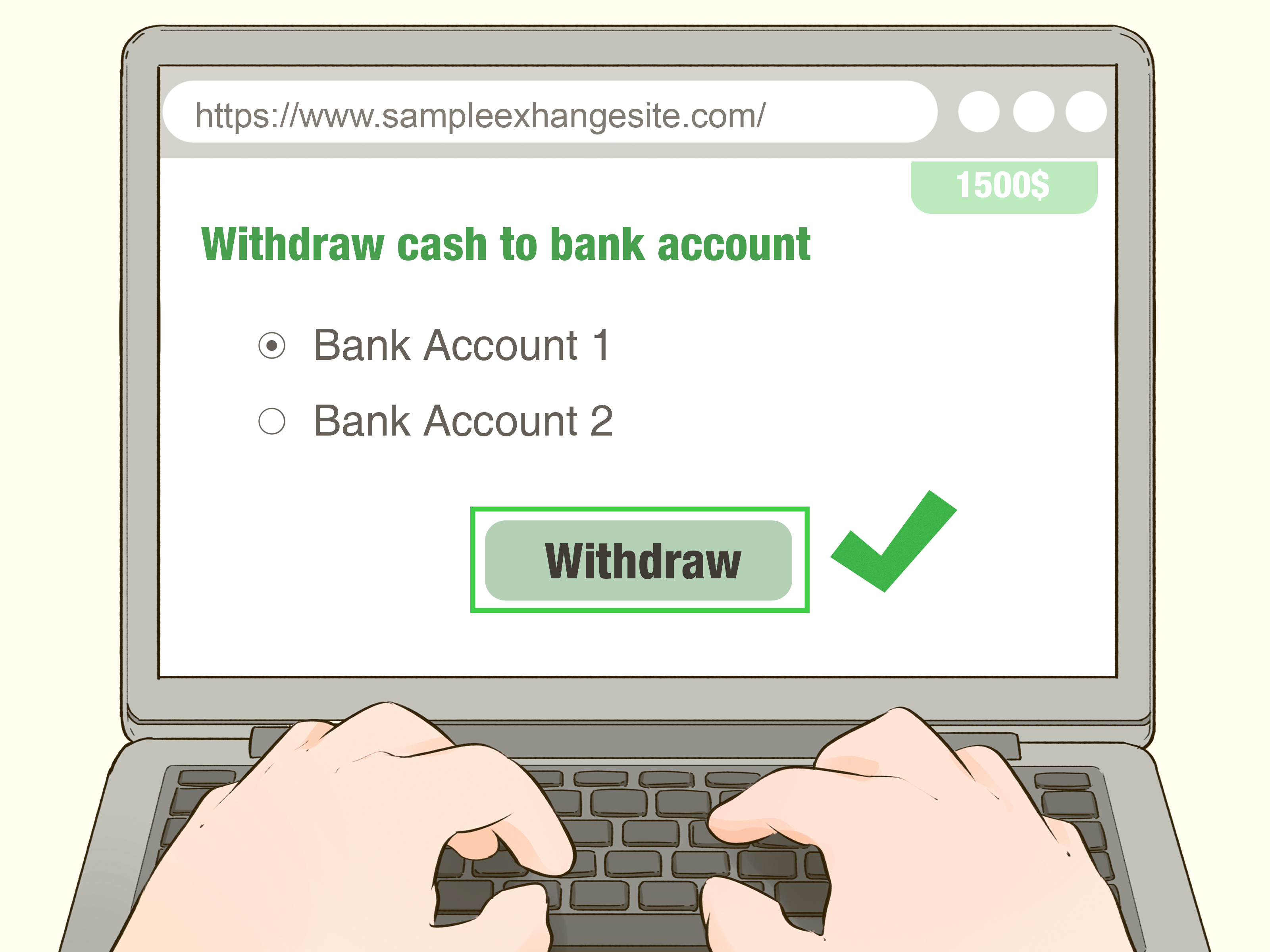
Step 8: Withdraw USD to Your Bank Account
After selling ETH, your money may sit as a USD cash balance on the platform. To use it outside the platform, withdraw it to your bank account or supported payment method. Common withdrawal options include ACH transfer, wire transfer, debit card withdrawal, and sometimes PayPal or other linked services.
ACH is popular in the United States because it is often free or inexpensive. The downside is timing. It may take a few business days, and weekends or banking holidays can slow things down. Wire transfers may be faster, but they can involve fees from the platform, receiving bank, or both.
Before withdrawing, check your available balance. Some platforms place temporary holds on funds after recent deposits, purchases, or account changes. If your USD is not available for withdrawal yet, the platform should show a reason or estimated release time.
Step 9: Save Records for Taxes and Tracking
Selling Ethereum for USD may create a taxable event in the United States. The IRS generally treats digital assets as property, meaning you may have a capital gain or loss when you sell, exchange, or otherwise dispose of ETH. Your gain or loss is usually based on the difference between your cost basis and the sale proceeds.
For example, if you bought 1 ETH for $2,000 and later sold it for $3,000, you may have a $1,000 capital gain before considering fees. If you bought ETH for $3,000 and sold it for $2,400, you may have a capital loss. Holding period also matters because short-term and long-term capital gains may be taxed differently.
Keep records of purchase dates, sale dates, amounts, fees, wallet transfers, exchange statements, and transaction IDs. Many platforms provide tax reports or transaction history downloads, but you should not rely on memory. Memory is great for song lyrics from 2009, less great for crypto cost basis.
Best Methods for Converting Ethereum to USD
Centralized Crypto Exchanges
Centralized exchanges are often the best all-around choice for converting Ethereum to USD. They typically support ETH deposits, USD trading pairs, ACH withdrawals, wire transfers, and account statements. They are suitable for beginners who want a guided interface and for advanced users who want lower-cost trading tools.
The main advantages are liquidity, speed, and multiple withdrawal options. The main disadvantages are account verification requirements, custody risk while funds are on the exchange, and possible withdrawal limits.
Brokerage Apps
Brokerage apps can be convenient if you already bought Ethereum there. Selling is usually simple: choose ETH, tap sell, review, and confirm. The USD then becomes part of your brokerage cash balance, where you can withdraw it according to the app’s rules.
The trade-off is that brokerage apps may not offer the same depth of crypto features as dedicated exchanges. Some users prefer them for simplicity, while others prefer exchanges for wallet transfers, order types, and fee transparency.
Payment Apps
Payment apps can make crypto feel familiar. If you use a platform that supports Ethereum, you may be able to sell ETH and keep the proceeds in your account balance or transfer them to a bank. This is helpful for small, casual conversions.
However, always compare the exchange rate and fees. Payment apps may be convenient, but convenience is sometimes priced like popcorn at a movie theater.
Peer-to-Peer Sales
Peer-to-peer selling means selling ETH directly to another person through a marketplace or private arrangement. This can offer flexible payment methods, but it carries more risk. Scams, chargebacks, fake payment confirmations, and personal safety issues are real concerns.
If you use peer-to-peer platforms, stick with reputable services that offer escrow, verified users, dispute resolution, and clear rules. Avoid moving the transaction off-platform. If someone says, “Trust me, bro,” consider that your official warning siren.
Crypto ATMs
Some crypto ATMs allow users to sell cryptocurrency for cash, though many machines only support buying. Even when selling is supported, fees can be high, limits may be low, and identity verification may still be required. Crypto ATMs are usually best for convenience, not cost efficiency.
They can also be associated with scams, especially when criminals pressure victims to send funds through a machine. Never use a crypto ATM because someone on the phone, in a message, or in a pop-up warning told you to do it.
Common Mistakes to Avoid
Ignoring the Final Preview
The final preview is your best friend. It shows the estimated proceeds, fees, and payment destination. Read it carefully. If the numbers do not match your expectations, stop and investigate before confirming.
Selling During Panic Volatility
Ethereum can move quickly. If you sell during a sudden market drop, you may receive less than expected. Sometimes selling is necessary, but panic-selling without checking price movement can be costly. Consider whether a limit order or staged selling approach makes more sense.
Sending ETH to the Wrong Network
Wrong-network transfers are one of the most painful crypto errors. Always confirm the deposit address, network, and platform instructions. If your exchange says to send ETH only on the Ethereum network, do not guess. Guessing belongs in trivia night, not blockchain transfers.
Forgetting Tax Records
Taxes are not the exciting part of crypto, but they matter. Keep clean records throughout the year. Your future self, your tax software, and possibly your accountant will thank you.
Security Tips Before You Convert ETH to Cash
Use two-factor authentication on your exchange, email account, and any wallet connected to your crypto. Avoid SMS-based authentication when stronger options such as authenticator apps or hardware security keys are available. Use unique passwords and a password manager.
Always access exchanges by typing the website address directly or using a trusted bookmark. Phishing sites can look almost identical to real platforms. Do not click login links from random emails, social messages, or search ads that seem slightly suspicious.
Never share your seed phrase or private key. A legitimate exchange, wallet provider, government agency, celebrity, romantic interest, or “support technician” will not need it. Anyone asking for it is trying to take your crypto. That is not customer service; that is robbery with nicer fonts.
Practical Example: Converting 0.75 ETH to USD
Imagine you have 0.75 ETH in a self-custody wallet and want to convert it to USD. First, you check the current ETH price and compare exchange rates on two reputable platforms. Next, you choose one that supports ETH deposits and ACH withdrawals. You verify your account, link your bank, and copy the ETH deposit address from the platform.
You send a small test transfer, confirm it arrives, then send the remaining ETH. Once the ETH appears in your exchange account, you select “Sell,” enter 0.75 ETH, review the estimated USD amount, and confirm. After the sale completes, your USD balance appears. You choose ACH withdrawal, select your bank, review any limits or timing details, and submit the withdrawal.
Finally, you download or save the transaction records: wallet transfer, ETH sale, fees, and bank withdrawal confirmation. The process is not complicated, but each step deserves attention.
Experience Notes: What Converting Ethereum to USD Feels Like in Real Life
The first time someone converts Ethereum to USD, the process often feels more dramatic than it really is. On paper, it is simple: sell ETH, get dollars. In practice, there are small decisions at every turn. Which platform should you use? Is the exchange rate fair? Why is there a spread? Why does the bank transfer say one to three business days? Why does the confirmation screen suddenly make your palms feel like you are signing a mortgage?
One useful habit is to separate the process into two mental buckets: trading and withdrawing. Selling Ethereum is the trading part. Moving dollars to your bank is the withdrawing part. Many beginners mix these together and assume that once they sell ETH, money will instantly appear in their checking account. Usually, the USD appears first inside the exchange. Then you must take the second step and withdraw it.
Another real-world lesson is that speed and cost often move in opposite directions. The fastest cash-out method is not always the cheapest. An instant withdrawal may be useful when timing matters, but ACH may be better when you can wait. A simple sell button may be convenient, but an advanced trading screen with a limit order may produce a better result for larger amounts. The right choice is not always the fanciest one. It is the one that matches your goal.
It also helps to avoid converting your entire balance in one emotional moment. Crypto prices can swing hard, and people often sell because the market is loud, not because their plan changed. If you need cash for a bill, emergency fund, business expense, or profit-taking strategy, selling may be completely reasonable. But if you are reacting only to a scary red chart, pause long enough to check whether you are making a decision or just obeying adrenaline.
For larger ETH conversions, many experienced users sell in portions. For example, instead of selling 5 ETH at once, they may sell 1 ETH today, 1 ETH later, and the rest through limit orders. This can reduce the pressure of picking the “perfect” price, which is good because perfect prices mostly exist in screenshots people post after the fact.
The most underrated experience tip is to practice with a small amount first. Sell $20 or $50 worth of ETH, withdraw the USD, and watch the entire process from wallet to exchange to bank. Once you understand the timing and screens, a larger conversion feels much less intimidating. It is like doing a test lap before entering the highway.
Finally, keep your records as you go. Do not wait until tax season to reconstruct your crypto history from emails, screenshots, and vibes. Download transaction histories, label wallet transfers, and save confirmation emails. Converting Ethereum to USD is easy. Explaining three years of unlabeled wallet activity to a tax preparer is less easy. That is where the fun goes to wear a tiny gray suit.
Conclusion
Converting Ethereum to USD is not difficult when you follow a careful process. Start by checking the live ETH to USD rate, choose a reputable platform, verify your account, move your ETH safely if needed, review all fees, sell using the right order type, withdraw your USD, and save your records.
The safest and simplest route for most users is a well-known crypto exchange or financial app that supports ETH sales and U.S. dollar withdrawals. The best route for you depends on your priorities: speed, cost, convenience, control, or all of the above if you are feeling ambitious.
Crypto rewards careful people. It also punishes rushed clicks, sloppy addresses, weak passwords, and tax-season amnesia. Take your time, read every confirmation screen, and remember that a boring transaction is usually a successful transaction.
Note: This article is for educational purposes only and should not be treated as financial, investment, legal, or tax advice. Cryptocurrency prices are volatile, and selling Ethereum may have tax consequences. Consider consulting a qualified financial or tax professional for your personal situation.