“`
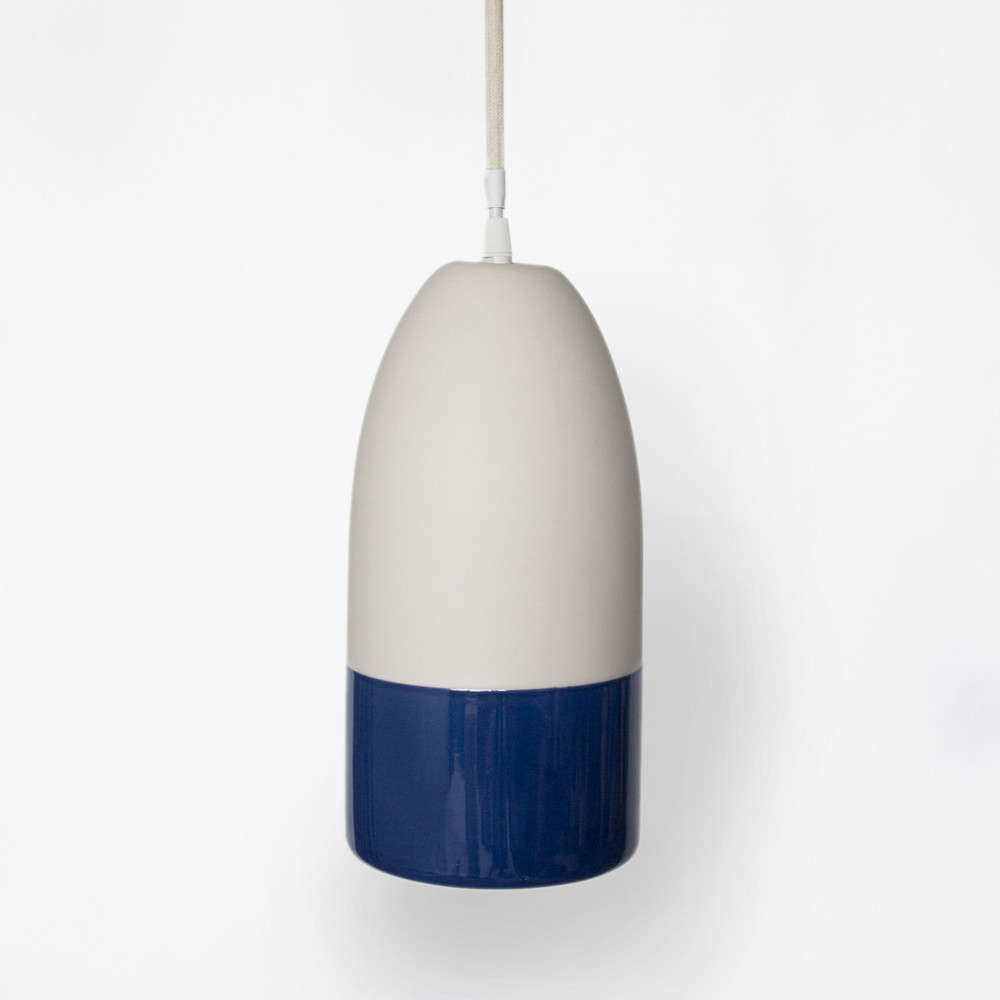
The Mariner Lamp Cone – Single Hardwire is the kind of light fixture that makes a wall look like it has been quietly reading design magazines while the rest of the room was busy being ordinary. Inspired by maritime forms, especially fishing floats and harbor-side utility lighting, this porcelain cone lamp blends coastal nostalgia with a clean, modern silhouette. It is simple, sculptural, and just unusual enough to make guests say, “Wait, where did you get that?” which is basically the interior design version of applause.
At its heart, the Mariner Lamp Cone is a hardwired wall or pendant-style lighting concept built around contrast: a warm, softly glowing porcelain body and a more focused beam pouring from the cone opening. That combination makes it both decorative and useful. It can set a mood in a hallway, brighten a bedside reading zone, add character to a breakfast nook, or make a small entryway feel intentionally designed rather than accidentally illuminated.
The original Mariner Lamp Cone has been associated with Fleet Objects, a design studio known for handmade ceramic objects. Earlier product descriptions highlighted its hand-cast porcelain shade, nautical inspiration, compact cone shape, and adjustable cord. Although the original item has appeared as discontinued in design listings, the phrase “Mariner Lamp Cone – Single Hardwire” still attracts attention from homeowners, designers, collectors, and anyone hunting for a refined coastal light that does not look like it escaped from a seafood restaurant.
What Is the Mariner Lamp Cone – Single Hardwire?
The Mariner Lamp Cone – Single Hardwire is best understood as a single hardwired light fixture with a cone-shaped porcelain shade. “Single” indicates one shade or one lighting point. “Hardwire” means the fixture is intended to connect directly to a home’s electrical system through a junction box rather than plugging into a wall outlet. That gives the installation a built-in look, keeps cords from dangling around like confused spaghetti, and makes the fixture feel permanent and architectural.
The cone form matters. A cone shade naturally directs light downward or outward, depending on how the fixture is mounted. This makes it useful for task lighting, accent lighting, and atmospheric lighting. Unlike a bare bulb that throws light everywhere, a cone shade gives the beam direction. It says, politely but firmly, “The light goes here.”
The porcelain body adds the magic. Porcelain can appear solid and minimal when the lamp is off, then turn softly luminous when lit. That quality gives the Mariner Lamp Cone its signature mood: part lantern, part sculpture, part tiny lighthouse for your hallway.
Why the Design Works
1. It Balances Soft Glow and Focused Light
Many decorative fixtures are pretty but not practical. Others are practical but have the emotional warmth of a parking garage. The Mariner Lamp Cone sits happily in the middle. The porcelain shade can create a gentle ambient glow, while the cone opening produces a brighter, more concentrated pool of light. This makes the fixture especially appealing in layered lighting plans, where a room uses several light sources instead of relying on one ceiling fixture doing all the work like an exhausted chandelier.
2. It Has a Nautical Soul Without Being Too Theme-Heavy
Coastal design can go wrong quickly. One minute you are adding a tasteful lamp; the next minute your living room has twelve anchors, three decorative oars, and a sign that says “Beach Vibes” even though you live four hours inland. The Mariner Lamp Cone avoids that problem. Its maritime influence is subtle. The shape nods to fishing floats and marine utility objects, but the clean porcelain finish keeps it refined.
3. It Fits Modern, Rustic, and Transitional Interiors
Because the form is simple, the fixture can blend into many styles. In a modern interior, it reads as sculptural and minimal. In a cottage or coastal room, it feels handmade and relaxed. In a farmhouse kitchen, it adds craft without clutter. In a hallway with white walls and wood floors, it can become a small but memorable focal point.
Hardwired Lighting: Why It Matters
A hardwired fixture is connected directly to the electrical wiring of the home. This is different from a plug-in sconce, which uses a visible cord and standard outlet. The main benefit of a hardwired sconce is polish. It looks intentional, built-in, and clean. The downside is that installation usually requires more planning and, in many cases, a licensed electrician.
For a fixture like the Mariner Lamp Cone – Single Hardwire, hardwiring helps preserve the elegance of the design. A visible cord can be charming in some industrial or casual settings, but with a porcelain cone lamp, the built-in look often feels more refined. It lets the shape speak for itself without a cord waving from the wall like it wants attention.
Hardwired sconces are especially smart during renovations, new construction, or room updates where walls are already being opened. They are also useful beside beds, in reading corners, beside bathroom mirrors if properly rated, along stairways, or in narrow halls where table lamps are impossible unless you enjoy bumping into furniture at midnight.
Where to Use a Mariner Lamp Cone
Bedroom
Mounted beside a bed, a single hardwired cone lamp can replace a table lamp and free up nightstand space. That is excellent news for anyone whose bedside table currently holds a book, phone charger, water glass, lip balm, mystery receipt, and one heroic sock. A cone-shaped shade can focus light downward for reading while keeping the overall room calm.
Hallway
In a hallway, one or several Mariner-style cone sconces can add rhythm and warmth. Wall sconces are often installed around eye level, commonly in the range of about 60 to 72 inches from the floor depending on ceiling height, fixture size, and the people using the space. A narrow hallway benefits from fixtures that do not project too far from the wall.
Entryway
An entryway is a perfect place for a statement light because it sets the tone immediately. The Mariner Lamp Cone gives a welcoming glow without shouting. It says, “Come in, we have taste,” not “Welcome aboard the decorative pirate ship.”
Kitchen or Breakfast Nook
A cone fixture can work over a small counter, near open shelving, or above a breakfast nook. The focused beam helps highlight surfaces, while the porcelain shade adds softness. In kitchens, warm white or soft white bulbs can make wood, tile, and ceramics look inviting, while slightly cooler bulbs may be preferred for food prep zones where clarity matters.
Bathroom Vanity
A hardwired porcelain cone sconce can look beautiful in a bathroom, but rating matters. Any fixture used in a bathroom should be appropriate for the location. Damp-rated fixtures are designed for areas with moisture or condensation but not direct water exposure. Wet-rated fixtures are needed where water may directly splash or contact the fixture. Always check the product label and local electrical code before installing a decorative light near sinks, showers, or tubs.
Choosing the Right Bulb
The bulb can make or break a fixture. A beautiful porcelain shade paired with the wrong bulb is like wearing a tuxedo with squeaky clown shoes. For a Mariner Lamp Cone, consider three factors: color temperature, brightness, and bulb shape.
Warm White for Atmosphere
Warm white bulbs, often around 2700K to 3000K, create a cozy yellowish glow that works well in bedrooms, living rooms, dining spaces, and hallways. This temperature range complements porcelain beautifully because it enhances the soft lantern-like effect.
Brightness in Lumens, Not Guesswork
Modern LED bulbs are measured by lumens rather than old-fashioned wattage expectations. A lower-lumen bulb can create a soft mood light, while a brighter bulb may be better for reading or task lighting. If the fixture is close to eye level, avoid excessive brightness that causes glare.
Use LED for Efficiency
LED bulbs are the practical choice for most homes because they use far less energy and last much longer than traditional incandescent bulbs. They also run cooler, which can be helpful in compact shades. Always confirm that the bulb type and wattage equivalent are compatible with the fixture specifications.
Installation and Placement Tips
Because this is a hardwired fixture, installation should be treated with respect. Electricity is useful, but it is not a hobby that appreciates improvisational jazz. A licensed electrician can confirm proper junction box placement, wiring, switching, grounding, and code compliance.
Before installation, decide what the fixture needs to do. Is it for reading? Ambience? Accent lighting? A bedside sconce should be placed where the beam falls comfortably over the shoulder or onto the reading surface. A hallway fixture should provide enough clearance and avoid glare. An entryway fixture should complement door height, artwork, mirrors, and nearby ceiling lights.
Scale is also important. The original Mariner Lamp Cone was described as compact, with a shade around 12 inches tall and about 5.5 inches in diameter. That kind of size works well as a single accent or repeated in pairs. In a large room, one small sconce may look lonely, like it arrived early to a party. In that case, use multiple fixtures or pair the lamp with overhead and table lighting.
Design Pairings That Look Natural
The Mariner Lamp Cone pairs beautifully with natural materials. Think white oak, walnut, linen, stone, plaster, handmade tile, brushed brass, aged copper, matte black hardware, or painted beadboard. The porcelain shade has enough texture and glow to soften hard surfaces, which makes it useful in rooms that feel too crisp or flat.
For a coastal look, pair it with pale woods, woven baskets, off-white walls, and blue-gray textiles. For a modern look, use it against smooth plaster, concrete, or dark painted walls. For a vintage-inspired room, place it near framed botanical prints, antique mirrors, or simple wooden furniture. The key is restraint. Let the lamp be the maritime whisper, not the foghorn.
Maintenance and Care
Porcelain lighting is generally easy to care for, but it should be handled gently. Dust the shade regularly with a soft cloth. If deeper cleaning is needed, turn off the fixture, let it cool, and wipe carefully with a barely damp cloth. Avoid harsh cleaners that could affect the finish or hardware. If the fixture has exposed metal components, choose cleaning methods appropriate to the finish.
Because handmade porcelain can have subtle variations, tiny differences in surface, thickness, or glow are part of the charm. That is not a flaw; that is the lamp proving it was not stamped out by a soulless design robot in a warehouse called Unit 47-B.
Buying Advice: Original vs. Similar Fixtures
Since the original Mariner Lamp Cone has been listed as discontinued, buyers may need to search resale marketplaces, vintage design shops, or specialty lighting dealers. When evaluating an original or pre-owned piece, check the condition of the porcelain, cord, canopy, socket, and mounting hardware. For safety, older wiring should be inspected before installation.
If an original is not available, look for similar hardwired cone sconces with ceramic or porcelain shades. The closest alternatives will have a compact cone form, warm diffusion, quality hardware, and a clean mounting system. Avoid fixtures that look nautical only because someone attached a rope to them and hoped for the best.
Real-World Experience: Living With a Mariner-Style Cone Lamp
The best thing about a Mariner Lamp Cone – Single Hardwire is that it changes the room without behaving like a diva. Some fixtures demand attention all day. They sparkle, sprawl, swing, or glitter. A porcelain cone lamp is quieter. During the day, it reads as a sculptural object on the wall. At night, it becomes the room’s small lighthouse.
In a bedroom, the experience is especially pleasant. A hardwired cone sconce beside the bed clears the nightstand, which sounds minor until you realize how much visual clutter a table lamp can add. The light lands where you need it, especially if the fixture is placed thoughtfully. It creates a cozy reading zone without flooding the whole room. That matters when one person wants to read and the other person wants the room to become a cave immediately.
In hallways, the Mariner-style cone fixture adds a sense of direction. Hallways are often treated as leftover spaces, but lighting can make them feel designed. A warm porcelain glow can turn a plain corridor into a gallery-like passage. Add framed art or a narrow console table, and suddenly the hallway has main-character energy.
In small entryways, the lamp works because it delivers personality without taking up floor space. A table lamp needs furniture. A pendant needs ceiling height. A sconce needs only a wall and a plan. For apartments, cottages, older homes, and compact rooms, that is a serious advantage. The hardwired installation also means no cord trailing down the wall, which keeps the look clean.
The cone shade also teaches a useful lighting lesson: direction matters. Many people think a brighter bulb solves every problem. It does not. Sometimes the better answer is a lower, warmer, better-aimed light. A cone fixture can make a small pool of illumination feel intentional. It can highlight a book, a chair, a tile backsplash, or a doorway. It gives the eye somewhere to land.
There are a few practical realities. A porcelain shade may be more fragile than metal. A hardwired fixture is not as easy to move as a plug-in lamp. Placement must be chosen carefully because changing your mind later may involve patching walls and calling an electrician, which is less fun than buying throw pillows. But those trade-offs are also what make the finished result feel permanent and polished.
Overall, living with a Mariner-style cone lamp is about enjoying useful light with personality. It does not scream coastal style. It hints at it. It does not overpower a room. It improves it. It is the kind of fixture that rewards close attention: the curve of the cone, the glow of porcelain, the focused beam, the handmade character. In a world full of forgettable lighting, that is a very good catch.
Conclusion
The Mariner Lamp Cone – Single Hardwire is more than a decorative light. It is a compact study in contrast: handmade warmth and clean geometry, maritime inspiration and modern restraint, ambient glow and focused function. Whether used beside a bed, along a hallway, in an entryway, or as part of a layered lighting plan, it brings character without clutter.
For homeowners who love coastal design but fear turning their house into a souvenir shop with plumbing, this fixture offers a smarter path. It nods to the sea through form and mood rather than clichés. Choose the right bulb, install it safely, place it thoughtfully, and the Mariner Lamp Cone can become one of those small design details that quietly makes the whole room feel better.
Note: Hardwired lighting should be installed according to local electrical codes. For safe results, consult a qualified electrician, especially in bathrooms, damp areas, older homes, or any space where wiring conditions are uncertain.