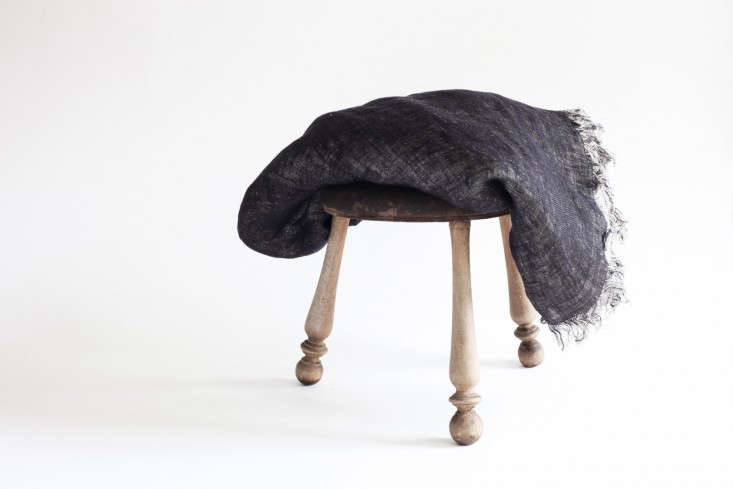
A throw double sided black & natural is one of those deceptively simple home pieces that can quietly rescue a room from looking unfinished. It is not a sofa, not a rug, not a chandelier, and yet it has the nerve to walk in, drape itself over a chair, and suddenly make the entire space look like someone with taste lives there. Rude? Maybe. Useful? Absolutely.
At its best, a double sided black and natural throw combines comfort, contrast, and styling flexibility in one easy layer. One side usually brings a deep black tonebold, grounding, modernwhile the other offers a lighter natural shade such as ivory, oatmeal, flax, beige, or undyed cotton. Together, the two sides create a reversible blanket that can shift with the mood of a room faster than you can say, “I swear this couch looked better in the showroom.”
Whether used as a cozy couch throw, a decorative bed accent, a reading-nook companion, or a stylish guest-room detail, this kind of reversible throw works especially well in modern farmhouse, organic modern, Scandinavian, boho, minimalist, rustic, industrial, and transitional interiors. The black side adds definition; the natural side adds softness. It is yin and yang, but make it washable.
What Is a Double Sided Black & Natural Throw?
A double sided black and natural throw is a decorative and functional blanket designed with two usable faces. Instead of having one “good” side and one forgotten backside that looks like it was invited by accident, both sides are meant to be seen. One side features black, charcoal, or dark graphite tones, while the other side shows a natural neutral color. Depending on the design, the throw may be solid, striped, patterned, woven, fringed, tasseled, jacquard, herringbone, checkered, or textured.
The phrase “black and natural” usually points to a palette inspired by natural fibers and high-contrast design. “Natural” can mean raw cotton, cream, tan, jute, linen, sandy beige, warm ivory, or oatmeal. This pairing is popular because it feels graphic without being loud. It says, “I read design magazines,” but not, “I arranged my books by spine color and now nobody is allowed to touch them.”
Why Black and Natural Works So Well in Home Decor
Black and natural is a classic interior color combination because it balances drama with warmth. Black brings structure to a room. It outlines shapes, adds depth, and makes other elements feel intentional. Natural tones do the opposite but in the best way: they soften edges, reflect light, and create a relaxed, lived-in atmosphere.
Think of a white sofa with a natural throw only. Pretty? Yes. Memorable? Maybe not. Now add a black and natural reversible throw with a woven pattern or contrasting border. Suddenly the sofa has dimension. The room feels layered. The coffee table looks less lonely. Even the plant in the corner may appear to have better posture.
This color pairing also works across seasons. In fall and winter, the black side can make a space feel cozy and moody. In spring and summer, the natural side keeps things light and breathable. A reversible throw gives you two styling personalities without requiring extra storage, which is ideal for anyone whose closet already contains “decorative possibilities” in suspicious quantities.
Best Materials for a Black & Natural Throw
The material matters just as much as the color. A throw blanket should look good, feel good, and survive normal life. Normal life includes movie nights, snack crumbs, pets who believe every soft surface is legally theirs, and guests who say, “I’m not cold,” while visibly shivering.
Cotton
Cotton is one of the best choices for a double sided black and natural throw because it is breathable, soft, durable, and usually easier to care for than delicate fibers. A cotton throw works well year-round and is especially practical for living rooms, bedrooms, and family spaces. It can be woven into beautiful textures such as waffle, basketweave, herringbone, or jacquard. Cotton also takes black and natural dyes well, creating crisp contrast without feeling overly formal.
Wool
Wool is warmer and more insulating, making it excellent for colder climates or cozy winter styling. A wool throw has a timeless, slightly elevated look, especially in a black and cream pattern. The trade-off is maintenance. Some wool throws require dry cleaning or careful hand washing, and they may feel scratchier than cotton depending on the weave and fiber quality.
Cotton-Wool Blends
A cotton-wool blend can be a smart compromise. Cotton adds softness and breathability, while wool contributes warmth and structure. For a reversible throw, this blend often creates a satisfying medium weight: substantial enough to look luxurious, but not so heavy that moving it from sofa to bed becomes your cardio for the day.
Acrylic and Synthetic Blends
Acrylic, polyester, and other synthetic fibers are often used in affordable throws because they are lightweight, warm, and generally easy to wash. They can imitate the look of wool or plush fibers at a lower price point. A synthetic black and natural throw may be a good choice for high-traffic households, dorm rooms, guest rooms, or rental properties where durability and budget matter.
Recycled or Sustainable Fibers
Many shoppers now look for throws made from recycled cotton, recycled polyester, organic cotton, or responsibly sourced wool. A black and natural throw already has an earthy visual language, so sustainable materials can strengthen the story. If eco-conscious design matters to you, check product details for certifications, fiber content, and care instructions before buying.
How to Choose the Right Size
Most throw blankets are smaller than standard bed blankets. A common throw size is around 50 by 60 inches, which works well for a sofa, accent chair, bench, or reading nook. Larger throws, such as 60 by 80 inches or oversized styles, are better for beds, sectional sofas, or serious blanket burrito activities.
For styling, size affects proportion. A small throw can look charming on an armchair but skimpy across a king bed. An oversized throw can look luxurious on a sofa but overwhelming on a petite chair. The goal is to create an effortless drape, not a fabric avalanche. For a queen or king bed, place the throw across the lower third of the mattress. For a sofa, fold it over the back, drape it across one arm, or lay it diagonally over a corner.
Where to Use a Double Sided Black & Natural Throw
On the Sofa
The sofa is the classic place for a throw, and for good reason. A black and natural reversible throw can break up a plain couch, connect the sofa to other black accents in the room, or soften a leather sectional. On a beige sofa, show more of the black side for contrast. On a black or charcoal sofa, flip to the natural side so the throw does not disappear into the upholstery like a stylish ghost.
At the Foot of the Bed
A throw at the foot of the bed instantly makes the room feel more finished. It adds hotel-level polish without forcing you to actually make hospital corners, which is a mercy. Fold the throw lengthwise and lay it neatly across the bottom third of the bed, or drape it casually for a relaxed look. The black and natural palette pairs beautifully with white sheets, linen bedding, wood nightstands, woven baskets, and matte black lamps.
Over an Accent Chair
An accent chair can look bare without a pillow or throw. A double sided black and natural throw adds softness and makes the chair look inviting instead of decorative in the “please do not sit here, it is for vibes only” kind of way. Try folding the throw over the back or letting one corner fall naturally over the seat.
In an Entryway or Mudroom
If you have a bench near the front door, a throw can add warmth and texture. This is especially effective in homes with black metal hooks, natural wood furniture, woven baskets, or neutral walls. The throw makes the entry feel welcoming, even if the shoe situation beneath the bench is emotionally complicated.
Outdoor Covered Spaces
A washable cotton or synthetic throw can be useful on a covered porch, patio, or balcony. Black and natural tones pair well with rattan chairs, teak furniture, concrete planters, and outdoor cushions. Keep outdoor use practical: avoid leaving the throw exposed to rain, direct harsh sun, or mystery barbecue sauce.
Design Styles That Love This Throw
A double sided black and natural throw blanket is unusually versatile. In a modern farmhouse room, it pairs with white walls, rustic wood, black metal fixtures, and linen pillows. In a Scandinavian interior, it adds graphic contrast without disturbing the calm neutral palette. In a boho space, it works with macrame, plants, cane furniture, handmade ceramics, and layered rugs. In an industrial loft, it softens concrete, brick, metal, and leather.
For organic modern interiors, this throw is practically a cheat code. Organic modern style often combines clean lines, earthy materials, warm neutrals, and restrained contrast. A black and natural throw checks every box. Add a chunky ceramic vase, a pale oak coffee table, a textured rug, and suddenly your living room looks like it drinks matcha and has excellent boundaries.
Patterns and Textures to Consider
The pattern can completely change the personality of the throw. A solid reversible throw feels clean and minimal. A striped throw feels casual and coastal. A geometric throw feels modern. A checkered black and natural throw leans playful and graphic. A herringbone weave feels classic and tailored. Fringe or tassels add movement and a handmade touch.
Texture also helps a neutral room avoid looking flat. A black and natural throw with a woven surface, raised pattern, boucle texture, or chunky knit can make a space feel richer without adding bright color. This is especially helpful if your room uses mostly white, beige, gray, or wood tones. Texture is the difference between “calm minimalist home” and “did someone forget to finish decorating?”
How to Style It Without Trying Too Hard
The secret to styling a throw is to make it look intentional, but not like you spent twenty minutes negotiating with fabric. There are three easy methods: the neat fold, the casual drape, and the artful toss.
The Neat Fold
Fold the throw into thirds lengthwise, then fold it once more if needed. Place it over the back of a sofa, across the foot of a bed, or over a bench. This method works best for structured rooms, guest spaces, and anyone who enjoys symmetry enough to notice when a picture frame is one degree crooked.
The Casual Drape
Fold the throw loosely and place it over one arm of a sofa or chair. Let a little fabric fall naturally. This approach feels relaxed and livable. It is ideal for family rooms, reading corners, and spaces where people actually sit down instead of just admiring the furniture from a respectful distance.
The Artful Toss
Grab the throw near the center and toss it over a corner of the sofa or chair. Adjust slightly so both colors show. This method sounds chaotic, but it can look beautifully effortless. The trick is to stop before you over-fix it. Once you begin sculpting every fold, the throw starts to look nervous.
Color Pairing Ideas
A black and natural throw pairs easily with warm whites, cream, camel, taupe, greige, tan, rust, olive, sage, terracotta, chocolate brown, and soft gray. For a crisp modern room, combine it with white walls, black picture frames, and pale wood. For a cozy rustic room, pair it with leather, aged brass, woven baskets, and warm wood tones. For a dramatic bedroom, layer it over charcoal bedding with ivory sheets and a natural jute rug.
If you want more color, choose accents that respect the throw’s earthy contrast. Deep green pillows, clay-colored ceramics, navy books, or muted gold decor can add personality without fighting the black and natural palette. Avoid using too many competing high-contrast patterns nearby, unless your design goal is “boutique hotel lobby during a very confident week.”
Care and Maintenance Tips
Always check the care label first. Cotton and many synthetic throws are often machine washable, while wool, cashmere, and delicate woven throws may need dry cleaning or special care. Wash dark and light textiles carefully, especially when black and natural colors appear in the same piece. Cold water, mild detergent, and gentle cycles are often safest for preserving color contrast and texture.
Do not overload the washing machine. A throw needs room to move, not a textile traffic jam. Avoid high heat unless the label allows it, because heat can shrink fibers, damage fringe, or roughen texture. For woven throws with tassels, consider using a mesh laundry bag or washing separately. Between washes, shake the throw outside, lint-roll it when needed, and fold it neatly to prevent snags.
Buying Checklist
Before buying a double sided black and natural throw, consider five things: material, size, weight, texture, and care. If the throw is mainly decorative, you can prioritize pattern and drape. If you plan to use it every night, softness and washability matter more. For homes with kids or pets, choose durable weaves and easy-care fibers. For a guest room, choose something soft, neutral, and generous enough to feel welcoming.
Also check whether the throw is truly reversible. Some products look double sided in photos but have a less finished reverse side. A proper reversible throw should look attractive from both sides, with clean edges, stable weaving, and colors that feel intentional.
Common Mistakes to Avoid
The first mistake is buying a throw that is too small for the furniture. A tiny throw on a large sectional can look like a napkin with dreams. The second mistake is choosing a material that does not match your lifestyle. A dry-clean-only wool throw may be lovely, but if your dog sheds like a tiny weather system, washable cotton may be wiser.
The third mistake is over-accessorizing. A black and natural throw already has visual contrast, so it does not need twelve pillows, three trays, two candles, and a decorative chain to prove itself. Let it breathe. Negative space is not empty; it is design taking a well-earned nap.
Experience: Living With a Throw Double Sided Black & Natural
Using a throw double sided black and natural in everyday life is where the theory becomes delightfully practical. The first thing you notice is how quickly it changes a room. One afternoon, the natural side might be facing up, making the sofa look calm, soft, and sunny. Later that evening, you flip it to the black side, and suddenly the same room feels moodier, warmer, and ready for a movie that probably has at least one dramatic piano note in the trailer.
In a living room, this throw becomes the piece everyone reaches for without making a formal announcement. It sits over the arm of the couch looking decorative, but it is not one of those “look but do not touch” accessories. It earns its keep. On chilly mornings, it becomes a coffee companion. During late-night reading, it becomes a lap blanket. During weekend naps, it becomes a trusted associate in the ancient art of pretending you only meant to rest your eyes for five minutes.
The reversible design is especially useful if you like refreshing your home without constantly buying new decor. Showing the natural side can brighten a dark sofa or soften a room with black accents. Showing the black side can anchor a pale chair, balance a light rug, or echo black hardware, curtain rods, picture frames, or lamps. It is a small styling move that makes the whole space feel more connected.
One of the best experiences is using the throw in a guest room. Folded across the end of the bed, it makes the room feel prepared and thoughtful. Guests may not consciously analyze the black and natural color balance, but they will feel the result: cozy, clean, and finished. It gives the bed that “someone expected me” feeling, which is basically hospitality in fabric form.
It also works surprisingly well in small apartments. When space is limited, every item needs to do more than one job. A reversible throw adds pattern, contrast, warmth, and comfort without taking up floor space. Fold it over a chair during the day, use it on the couch at night, then move it to the bed when temperatures drop. It is decor with a side hustle.
Another real-life benefit is forgiveness. Black can hide minor shadows and everyday wear better than very pale fabrics, while the natural side keeps the piece from feeling too heavy. If one side looks slightly tired after a week of use, flip it. Instant refresh. This is not cleaning, technically, but it feels emotionally adjacent.
Care becomes part of the experience too. A washable cotton or cotton-blend version is easiest for daily use. You can enjoy it without acting like a museum guard every time someone eats popcorn nearby. If the throw has fringe, it may need a little extra attention after washing, but the texture usually adds enough charm to make the minor effort worthwhile.
After living with a black and natural double sided throw, it becomes clear why this kind of home accessory is so popular. It is not just a blanket. It is a styling tool, comfort layer, color connector, and seasonal refresh button all in one. It makes a room feel more complete without demanding a renovation budget, a design degree, or a brave conversation with wallpaper.
Conclusion
A throw double sided black & natural is a smart choice for anyone who wants comfort, versatility, and timeless style in one easy home accent. Its reversible design gives you two looks, while the black and natural palette works across many decor styles, from modern farmhouse to organic modern and Scandinavian-inspired spaces. Choose the right material, size, and texture, and this throw can become one of the hardest-working pieces in your home.
Use it on a sofa, fold it across a bed, drape it over an accent chair, or keep it nearby for chilly evenings. The best version is beautiful enough to display and comfortable enough to use. That combination is the real magic: a home accessory that looks polished but still says, “Yes, you may actually get cozy here.”