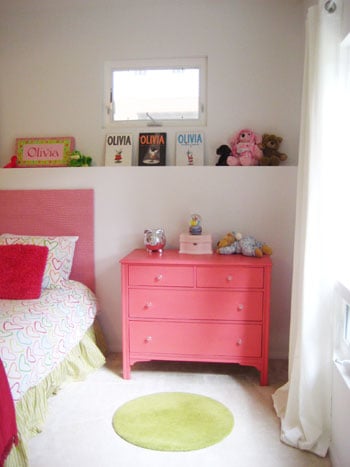
Every home has at least one room that whispers, “Please help me,” whenever someone walks by. In Olivia’s case, that room was a young girl’s bedroom with good bones, a blank-slate personality, and the kind of design potential that makes a decorating brain start tap dancing. The challenge was simple on paper but trickier in real life: create a playful, functional, budget-friendly bedroom that felt personal, organized, and stylish without turning the family wallet into a decorative throw pillow.
The best part? Olivia’s design dilemma was not solved by buying everything new, matching every item perfectly, or pretending an eight-year-old does not own markers, keepsakes, books, tiny treasures, and at least one mysterious object she refuses to throw away. The solution came from smart interior design basics: color planning, furniture reuse, clever storage, layered lighting, flexible layout, and personality-packed details.
This makeover is a great reminder that a beautiful room does not need a celebrity-designer budget. It needs a plan, a little courage, and the willingness to look at a thrift-store desk and say, “You, my friend, are about to become fabulous.”
The Design Dilemma: A Bedroom With Potential but No Personality
Olivia’s bedroom started with several advantages. It had natural light, a useful built-in shelf, and enough space to create separate areas for sleeping, studying, storing, and playing. But like many newer rooms, it lacked warmth and character. It was not bad; it was just quiet. Very quiet. The decorating equivalent of plain oatmeal before cinnamon, apples, and a dramatic drizzle of maple syrup.
The goal was to turn the room into a lively tween bedroom that felt cheerful and age-appropriate while still practical enough for daily life. That meant avoiding the common mistake of designing a kid’s room as if it were a showroom. Children use their rooms. They read, draw, collect, daydream, spread things out, and occasionally treat the floor like a filing system. A successful kid’s bedroom must be cute, yes, but also forgiving.
The Main Challenges
Olivia’s room needed to solve several design problems at once:
- Create a strong color story without overwhelming the space.
- Add storage for school supplies, books, toys, and personal treasures.
- Include a desk area for homework, art, and creative projects.
- Make thrifted and affordable furniture feel intentional.
- Keep the room playful while allowing it to grow with Olivia.
In other words, the design had to be charming, useful, inexpensive, and not fall apart emotionally the first time someone left a backpack on the chair. That is a tall order, but not an impossible one.
The Winning Strategy: Start With Function, Then Add Fun
The smartest part of Olivia’s room makeover was the order of decisions. Instead of beginning with accessories or cute bedding, the design started with function. What did Olivia need the room to do? Sleep. Study. Store. Display. Relax. Once those needs were clear, the fun choices became easier.
This is one of the biggest lessons in interior design: a room should support the person who lives there. Pretty is wonderful, but pretty plus practical is the real jackpot. A beautiful desk that cannot handle homework clutter is just a decorative guilt trip. A gorgeous bed without enough surrounding storage becomes a laundry island. A stylish room without lighting becomes a cave with throw pillows.
Creating Zones in a Kid’s Bedroom
Olivia’s room worked because it was treated as more than a sleeping area. It became a small personal suite with clear zones:
- Sleep zone: a comfortable bed area anchored by the built-in shelf.
- Study zone: a refreshed desk and chair for homework and crafts.
- Display zone: boards and shelves for notes, artwork, and favorite objects.
- Storage zone: practical spots for supplies and everyday items.
Zones are especially useful in children’s rooms because they help kids understand where things belong. A desk says, “Draw here.” A shelf says, “Display your treasures here.” A basket says, “Please spare the carpet.” When the room gives visual instructions, organization becomes less of a daily negotiation.
The Budget Hero: Thrifted Furniture With a Second Act
One of the smartest moves in Olivia’s design dilemma was using secondhand furniture. A thrifted desk became the central piece of the study area. Instead of buying a brand-new desk, the makeover leaned into the magic of paint, primer, and imagination.
This is where budget decorating gets exciting. A tired piece of furniture can become the most memorable part of a room when it has good lines, useful storage, and a willingness to be painted a bold color. Olivia’s desk was not just furniture; it became a personality piece. A bright pink finish gave it energy, while a protective surface helped it survive real use. Because let’s be honest: a child’s desk must be prepared for pencils, stickers, glitter, tape, and the occasional juice-box incident that nobody wants to discuss in court.
Why Painted Furniture Works So Well
Painted furniture is one of the most affordable ways to customize a room. It allows homeowners to connect mismatched pieces, introduce color, and make inexpensive finds feel custom. In Olivia’s bedroom, the painted desk did three things at once: it created a focal point, reinforced the pink palette, and gave the room a cheerful sense of purpose.
The trick is preparation. Primer matters, especially when painting older furniture or glossy surfaces. A smooth topcoat matters, too. And for a kid’s desk, a protective layer is not overkill; it is emotional insurance. The result is a piece that feels fun, fresh, and durable enough for everyday life.
The Color Solution: Pink With Balance, Not Panic
Pink can be delightful in a child’s room, but it needs balance. Too much saturated pink can make a bedroom feel like it has been dipped in bubblegum and left to dry under a disco ball. Olivia’s room solved this by using pink strategically rather than everywhere.
The key is contrast. Bright pink works best when paired with calmer supporting tones such as white, soft neutrals, natural wood, or small doses of pattern. This allows the bold color to feel joyful instead of chaotic. In a kid’s bedroom, color should energize the room without making bedtime feel like a pep rally.
How to Use Bold Color Without Overdoing It
If you are solving a similar design dilemma, use bold color in pieces that are easy to update later. A painted desk, lamp, pillow, framed print, storage bin, or accent chair can bring in personality without locking the entire room into one theme forever. Children’s tastes change quickly. Today it is pink. Tomorrow it may be teal, horses, outer space, or “I only like black now because I am deep.” Flexible design allows the room to evolve.
Another smart approach is to repeat the bold color in small moments throughout the room. Repetition makes color feel intentional. If a bright desk is the only pink item, it may look random. If pink appears again in the lamp, artwork, bedding detail, or accessories, the room suddenly feels pulled together.
Smart Storage: The Secret Ingredient in Every Kid’s Room
A kid’s room without storage is not a bedroom; it is a future archaeological dig. Olivia’s design dilemma needed storage that was easy to use and cute enough to be seen. That balance is important. If storage is too complicated, kids will not use it. If it is unattractive, adults will resent looking at it. The sweet spot is simple, accessible, and visually connected to the room.
Open shelving, baskets, desk drawers, magnetic boards, and bins can all work beautifully when each has a clear purpose. A display board gives papers and photos a place to land. Desk storage keeps school supplies nearby. Baskets handle the miscellaneous category, which every home has and nobody fully understands.
Make Storage Visible but Not Messy
The best storage in a child’s room is visible enough to be useful but contained enough to avoid visual overload. For example, a magnetic board can show off drawings and notes while keeping them off the desk. A few decorative boxes can hide tiny objects. A shelf can display favorite books or collectibles, but it should not become a crowded skyline of every item the child has ever loved.
Editing is part of storage. Not everything needs to be displayed at once. Rotating favorites keeps the room feeling fresh and gives special items room to shine. Plus, it reduces the chance of a shelf collapsing under the emotional weight of twelve stuffed animals, three trophies, and a rock named Susan.
Lighting: Small Detail, Huge Difference
Lighting is often the difference between a room that feels finished and one that feels like a storage unit with a bed. Olivia’s room included task lighting at the desk, which was a smart move. A child needs focused light for homework, reading, and creative projects. General overhead lighting alone rarely creates a cozy, functional bedroom.
A layered lighting plan usually includes three types of light: ambient, task, and accent. Ambient light brightens the room overall. Task light helps with specific activities. Accent light adds mood and personality. In a kid’s room, that could mean a ceiling fixture, a desk lamp, and a small bedside lamp or string lights used safely and sparingly.
Why the Desk Lamp Matters
The desk lamp in Olivia’s makeover did more than illuminate a work surface. It also added pattern, color, and scale. That is the beauty of practical accessories: they can solve a design problem while contributing to the style. A lamp should not be an afterthought. It can be a little sculpture, a pop of color, and a hardworking homework buddy all at once.
Pattern and Personality: The Room Should Feel Like Olivia
The most successful children’s rooms reflect the child who lives there. Olivia’s room did not rely on expensive custom pieces to feel personal. It used playful pattern, color, display areas, and refreshed furniture to create a space that felt uniquely hers.
Pattern is especially useful in a kid’s room because it adds motion and joy. Wrapping paper, fabric, bedding, curtains, rugs, and art can all introduce pattern affordably. The trick is to vary the scale. A small repeating print can pair with a larger graphic pattern if the colors relate to each other. Too many tiny patterns can make a room feel busy; too many large patterns can make it feel like the wallpaper is trying to start a band.
Personal Does Not Mean Cluttered
There is a big difference between personal and crowded. A room can show personality through selected items rather than every item. Choose a few meaningful pieces: favorite artwork, a special lamp, a thrifted desk, a colorful chair, a display board, or a framed quote. When personal details have breathing room, they feel special instead of accidental.
Design Lessons From Olivia’s Makeover
Olivia’s design dilemma may have been a child’s bedroom, but the lessons apply to almost any room in the house. Whether you are decorating a studio apartment, a guest room, a home office, or a family room that has become a toy migration zone, the same principles work.
1. Shop Your Home and Thrift Before Buying New
Before heading to a big-box store, look at what you already own. Could an old desk be painted? Could a chair be recovered? Could a basket move from the laundry room to the bedroom? Reusing pieces saves money and adds character. New rooms often feel flat when everything comes from the same aisle. A mix of old and new gives a space depth.
2. Measure First, Fall in Love Second
Furniture scale matters. A room can feel wrong even when every piece is attractive if the proportions are off. Measure the wall, floor area, window height, desk depth, and bed placement before making decisions. Use painter’s tape on the floor to test furniture sizes. It is much easier to move tape than return a desk while questioning every life choice that led to that moment.
3. Repeat Colors and Materials
A room feels cohesive when colors and materials repeat. If the desk is pink, echo pink in a smaller accessory. If the room has white shelving, repeat white in frames or storage. If there is a metal finish on a lamp, repeat it subtly in hardware or wall decor. Repetition makes budget pieces look collected instead of random.
4. Let the Room Grow
Designing for a child means planning for change. Choose larger furniture pieces that can age well, then use accessories for the current personality phase. Paint, bedding, lamps, art, and pillows are easier to update than a themed bed shaped like a castle, spaceship, or extremely committed ladybug.
Common Design Mistakes Olivia’s Room Avoided
One reason this makeover worked is that it avoided several classic decorating mistakes. The furniture was not all brand new and generic. The color was not timid, but it also was not allowed to riot across every surface. The desk area was functional, not merely cute. Storage was built into the plan. Lighting was considered. Most importantly, the room felt like it belonged to a real child, not a catalog child who has never owned a crayon.
Mistake: Decorating Without a Plan
Buying random cute items is tempting, especially for kids’ rooms. But without a plan, the room can become a collection of unrelated things. Start with a simple design direction: playful pink bedroom with thrifted furniture, study zone, display space, and flexible storage. That one sentence can guide every decision.
Mistake: Ignoring Daily Habits
A room should match how the person actually lives. If Olivia loves office supplies, the desk needs storage. If she likes displaying notes and photos, boards make sense. If she reads in bed, bedside lighting matters. Good design is not just about how a room photographs; it is about how it behaves on a Tuesday afternoon.
Mistake: Forgetting Texture
Color gets attention, but texture makes a room feel finished. Painted wood, smooth plexiglass, soft bedding, paper-covered boards, woven bins, and fabric accents create layers. Without texture, even a colorful room can feel flat. Texture is the quiet friend who brings snacks and saves the party.
Experience-Based Takeaways: What Olivia’s Design Dilemma Teaches in Real Life
Anyone who has ever tried to solve a bedroom design dilemma knows that the hardest part is rarely choosing the cutest item. The hardest part is making all the pieces work together in real life. Olivia’s room is a perfect example of how design decisions become easier when you stop chasing perfection and start solving problems one by one.
One common experience in budget makeovers is the early stage of doubt. You find a thrifted desk, and it looks scratched, dusty, and mildly offended. Someone in the family raises an eyebrow. You begin to wonder whether you are a creative visionary or simply a person who bought someone else’s problem for fifteen dollars. But then comes the transformation: primer, paint, new placement, better lighting, and suddenly the old desk becomes the piece everyone talks about. That experience is important because it builds decorating confidence. Once you revive one item, you start seeing potential everywhere.
Another real-life lesson is that children respond to rooms that include them. When a bedroom has space for a child’s interests, the child feels ownership. A desk for drawing, a board for notes, shelves for favorite things, and colors they actually enjoy can make the room feel less like something designed around them and more like something designed with them. That does not mean giving a child total control unless you are emotionally prepared for neon walls, seventeen themes, and a bedspread featuring three unrelated animals. It means listening, editing, and translating their preferences into a room that works.
Parents also learn quickly that storage must be easy. A beautiful box on a high shelf may look nice, but if a child cannot reach it, it becomes adult homework. The most successful storage is simple: drawers for supplies, bins for loose items, boards for paper, shelves for display. Labels can help, but the real magic is location. Put storage where the mess happens. If art supplies land on the desk, desk storage belongs there. If books pile near the bed, bedside book storage is the answer. Design should reduce friction, not create a scavenger hunt.
There is also an emotional experience tied to budget decorating. When you solve a room creatively, the result often feels more meaningful than a room purchased all at once. A painted desk carries a story. A thrifted chair has a comeback arc. A handmade or repurposed detail gives the room charm that cannot be ordered with two-day shipping. The room becomes a collection of decisions, not just purchases.
Finally, Olivia’s makeover teaches that a solved design dilemma does not mean a room is frozen forever. The best rooms are flexible. As Olivia grows, the same desk can stay, the storage can adapt, the wall decor can change, and the color palette can mature. A good design gives today’s personality a place to shine while leaving tomorrow enough room to move in.
Conclusion: A Solved Room Is a Room That Works
Olivia’s design dilemma was solved because the makeover respected both style and function. It used affordable finds, bold color, smart storage, practical lighting, and personal details to create a bedroom that felt cheerful, useful, and full of life. The room did not need a massive budget or a complete furniture showroom reset. It needed imagination, editing, and a clear understanding of how Olivia would actually use the space.
The biggest takeaway is simple: great design is not about spending the most money. It is about making thoughtful choices. A thrifted desk can become the star. A small lamp can complete a study zone. A few repeated colors can pull everything together. Storage can be both practical and pretty. And a child’s bedroom can be playful without turning into a theme park with laundry.
If you are facing your own design dilemma, start where Olivia’s room started: with the person, the purpose, and the problems. Then add color, character, and a little bravery. The result may surprise you. It may even make you want to rescue a sad thrift-store desk this weekend. Consider yourself warned.
Note: This article is an original, publication-ready rewrite and synthesis based on real interior design principles, budget makeover strategies, and the publicly documented Olivia bedroom makeover concept. External source links and content reference markers have been intentionally omitted for clean web publishing.