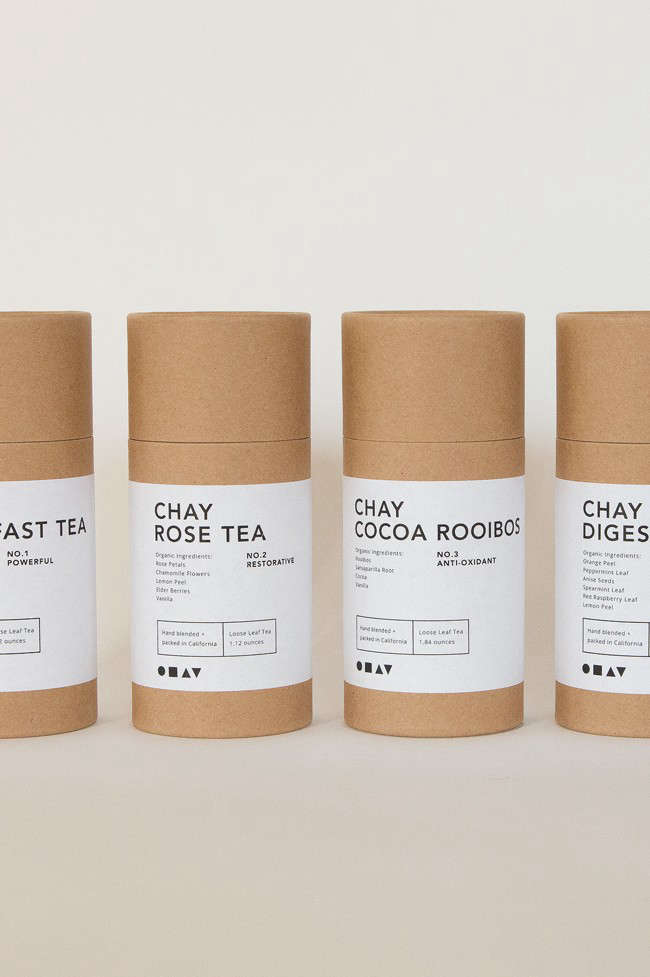
The CHAY Tea Collection, Five Varietals is one of those rare product ideas that feels less like a pantry item and more like a small daily ceremony. It was created as an organic, loose-leaf tea collection by CHAY, hand-blended and packed in California, with five thoughtful varietals designed to move with the rhythm of the day. Think of it as a tiny wardrobe for your teapot: one blend for morning ambition, one for restoration, one for antioxidant-rich comfort, one for digestion, and one for the evening wind-down.
For tea lovers, design shoppers, wellness-minded hosts, and anyone who believes a good cup of tea can fix at least 37 percent of life’s minor inconveniences, this collection has a lot to appreciate. It brings together black tea, rose, chamomile, rooibos, peppermint, lavender, passionflower, and other botanicals in a format that feels personal, giftable, and refreshingly un-fussy.
Although the original CHAY Tea Collection listing now appears as discontinued, its concept still deserves attention. The collection captures several trends that remain strong today: organic ingredients, loose-leaf brewing, caffeine-aware routines, and beautifully packaged functional teas that feel at home on a kitchen counter instead of hidden behind a suspiciously old box of crackers.
What Is the CHAY Tea Collection?
The CHAY Tea Collection was offered as a set of five loose-leaf varietals, each built around a specific mood or moment. The collection included approximately 25 servings per container and was hand-blended and packed in California. The five blends were named No. 1 Powerful, No. 2 Restorative, No. 3 Antioxidant, No. 4 Nurture, and No. 5 Tranquil.
What makes the collection interesting is not simply that it contains tea. Plenty of things contain tea. Convenience stores contain tea. Office break rooms contain tea, usually next to a spoon that has seen too much. What makes CHAY stand out is the intentional structure. The five varietals follow a full-day arc: wake up, reset, protect, digest, and relax. It is tea as a schedule, tea as a mood board, tea as a very polite life coach.
The Five Varietals in the CHAY Tea Collection
No. 1 Powerful: Breakfast Black Tea
No. 1 Powerful is the collection’s morning blend. It was described as a breakfast tea made to stimulate and awaken the system. The blend combines black teas from Assam in India, Ceylon in Sri Lanka, and the Njombe district of Tanzania. Naturally caffeinated, this is the one to reach for when your brain is still wearing pajamas but your calendar is already yelling.
Black tea is fully oxidized, which gives it a bold flavor, darker liquor, and deeper body than green or white tea. In a breakfast blend, Assam often contributes malty strength, Ceylon can bring brightness and balance, and East African black teas may add briskness and color. Together, they create the kind of cup that can stand up to milk, honey, toast, eggs, or that heroic 8 a.m. email you absolutely should not send before proofreading.
No. 2 Restorative: Rose and Chamomile Tea
No. 2 Restorative is a caffeine-free rose tea blend containing rose petals, chamomile flowers, lemon peel, elder berries, and vanilla. It was positioned as a blend that helps cleanse and support the body. From a flavor perspective, this is the soft-focus filter of the collection: floral, gentle, slightly citrusy, and rounded by vanilla.
Rose and chamomile are classic soothing botanicals. Lemon peel lifts the cup so it does not become sleepy in the boring way. Elder berries add darker fruit notes, while vanilla brings warmth and a dessert-like finish without turning the blend into liquid cake. This tea suits the late morning or midafternoon moment when you want something calming but not sedating. It is the beverage equivalent of opening a window, taking a breath, and deciding not to reply “per my last email.”
No. 3 Antioxidant: Cocoa Rooibos Tea
No. 3 Antioxidant is a caffeine-free cocoa rooibos blend containing rooibos, sarsaparilla root, cocoa, and vanilla. Rooibos is technically an herbal infusion rather than true tea because it does not come from the Camellia sinensis plant. However, it has become a beloved tea alternative because it is naturally caffeine-free, smooth, and often slightly sweet on its own.
The cocoa and vanilla combination gives this varietal a cozy, almost hot-chocolate-adjacent personality. Sarsaparilla root adds an old-fashioned root-beer-like complexity. The result is a blend that feels indulgent without being heavy. It is a smart option after lunch, in the afternoon, or anytime you want comfort without coffee-level jitters. Basically, it is what hot chocolate might become after attending a wellness retreat and buying linen pants.
No. 4 Nurture: Digestive Herbal Tea
No. 4 Nurture is a caffeine-free digestive tea containing orange peel, peppermint leaf, anise seeds, spearmint leaf, red raspberry leaf, and lemon peel. This is the blend most likely to become your friend after a rich meal, a holiday dinner, or an ambitious cheese board that started as “just a snack.”
Peppermint and spearmint give the cup a cooling, clean character. Anise seeds add a sweet licorice note, while citrus peels brighten the flavor and keep the blend from feeling medicinal. Red raspberry leaf contributes an earthy herbal base. The result is fresh, aromatic, and practical. It is the kind of tea that makes sense after dinner, especially when dessert was technically three desserts stacked in a trench coat.
No. 5 Tranquil: Bedtime Herbal Tea
No. 5 Tranquil is the collection’s bedtime blend. It contains spearmint leaf, anise seeds, poppy seeds, catnip, hops, lavender, passionflower leaf, and vervain. Caffeine-free and designed for winding down, it is the quietest member of the five, like the friend who brings a blanket to movie night and somehow improves everyone’s life.
Lavender and passionflower are popular evening botanicals, while hops and catnip add old-world herbal depth. Spearmint and anise keep the flavor from becoming too earthy or bitter. This type of blend is best treated as a nighttime ritual rather than a miracle potion. Brew it, put your phone somewhere inconvenient, lower the lights, and let your nervous system remember that it is not required to solve every problem before midnight.
Why Loose-Leaf Tea Still Feels Special
Loose-leaf tea has a different energy from bagged tea. Tea bags can be convenient, and convenience deserves respect. But loose-leaf tea invites attention. You measure the leaves, watch them expand, smell the botanicals as they steep, and control the strength of the cup. It is slower, but in the best possible way.
The CHAY Tea Collection leans into that experience. The blends are not just beverages; they are sensory objects. Rose petals, mint leaves, citrus peel, cocoa, rooibos, and lavender all look and smell distinct before they ever touch water. That visual and aromatic quality matters, especially for people who enjoy hosting, gifting, or building a calming home routine.
Loose-leaf tea also gives drinkers more flexibility. You can brew a standard cup, make a stronger infusion for iced tea, combine a small amount with milk, or adjust steeping time depending on preference. A teaspoon more or a minute less can change the entire cup. This is excellent news for people who enjoy control, which is most of us, especially around beverages.
How to Brew the CHAY Tea Collection
Because the collection includes both black tea and herbal blends, brewing technique matters. For No. 1 Powerful, use near-boiling water and steep for about three to five minutes. A shorter steep will taste smoother and brighter; a longer steep will become stronger and more tannic. If you plan to add milk, a slightly longer steep works well.
For the caffeine-free herbal varietals, use boiling water and steep for five to seven minutes. Herbal ingredients often need more time than true tea leaves because roots, seeds, flowers, and fruit peels release flavor at different speeds. Cover the cup while steeping to keep the aromatic oils from escaping. Your kitchen will smell better, and your tea will taste fuller. Everyone wins, including your mug.
For iced tea, steep the blend a little stronger than usual and pour it over ice, or cold brew it in the refrigerator for several hours. Cold brewing can make herbal blends taste softer and less sharp, especially mint, rose, and citrus-forward blends. Always keep cold-brewed tea refrigerated and use clean containers, because “artisanal” should not apply to mystery bacteria.
Flavor Pairings for Each Varietal
Pairing No. 1 Powerful
This breakfast black tea pairs beautifully with buttered toast, scones, oatmeal, eggs, roasted sweet potatoes, and anything involving jam. It can handle milk and honey, but it is also strong enough to drink plain. For a more polished breakfast, serve it with almond biscotti or a slice of banana bread.
Pairing No. 2 Restorative
The rose, chamomile, lemon peel, elder berry, and vanilla profile makes this blend a natural match for shortbread cookies, lemon cake, fruit salad, yogurt with honey, or a light almond cake. It is floral, so avoid pairing it with overly spicy foods unless you enjoy flavor arguments in your mouth.
Pairing No. 3 Antioxidant
Cocoa rooibos loves dessert. Pair it with dark chocolate, oatmeal cookies, baked pears, vanilla wafers, or cinnamon toast. It is also excellent as an evening coffee replacement when you want something warm and rich but do not want to stare at the ceiling at 1:14 a.m. wondering why raccoons have such tiny hands.
Pairing No. 4 Nurture
The digestive blend pairs best after meals. Try it after roasted vegetables, pasta, grain bowls, holiday dinners, or anything creamy. Mint, citrus, and anise help refresh the palate, making this a smart tea after heavier dishes.
Pairing No. 5 Tranquil
The bedtime blend pairs with quiet. Also: plain biscuits, honey, a book, soft socks, and the radical decision not to check one more notification. If food is involved, keep it simple. A small oat cookie or a piece of toast with honey is enough.
Who Would Love the CHAY Tea Collection?
The CHAY Tea Collection is ideal for people who enjoy intentional living without making it weird. It suits tea beginners because the five varietals are easy to understand by mood and time of day. It suits experienced tea drinkers because the blends are loose-leaf, ingredient-forward, and thoughtfully composed. It also makes sense for gift buyers looking for something more personal than another candle named “Winter Barn Whisper.”
Hosts would appreciate it because the collection offers options for different guests. Someone wants caffeine? Serve No. 1 Powerful. Someone wants something floral? No. 2 Restorative. Someone wants dessert but claims they are “too full”? No. 3 Antioxidant. Someone needs post-dinner support? No. 4 Nurture. Someone is fading fast after a long evening? No. 5 Tranquil.
The collection is also a good fit for design-conscious kitchens. CHAY’s broader world has been associated with simple, thoughtful, locally made goods, and the tea collection reflects that same sensibility. It is not loud. It is not trying to be a neon wellness miracle. It is elegant, useful, and grounded in ritual.
Health Notes Without the Hype
Tea can be part of a healthy lifestyle, but it is important to keep claims realistic. Black tea contains caffeine and tea polyphenols. Herbal blends can provide aromatic compounds and enjoyable plant-based variety. Rooibos is naturally caffeine-free and contains antioxidants. Chamomile, peppermint, lavender, and passionflower are widely used in teas, but individual reactions vary.
Anyone who is pregnant, nursing, taking medications, managing allergies, or dealing with a medical condition should check with a qualified health professional before using herbal blends frequently. Chamomile may bother people allergic to plants such as ragweed or daisies. Peppermint may not agree with everyone, especially people prone to reflux. Passionflower and other calming herbs may cause drowsiness. In other words: tea is lovely, but it is not a substitute for medical advice, and your teapot does not have a medical license.
Why the Collection Still Matters
Even if the original CHAY Tea Collection is no longer widely available, its design remains relevant. Many modern tea brands now organize blends by function, mood, or time of day. CHAY did this in a graceful way: not with overblown promises, but with a clear daily rhythm and high-quality ingredient combinations.
The five-varietal format is also smart from a user-experience standpoint. Too many tea samplers feel chaotic. You get twelve tins, three mystery flowers, something smoky, and one blend that smells like a forest floor wearing perfume. CHAY’s five-part structure feels curated instead of cluttered. Each blend has a role. Each role is easy to remember. That is good product design.
Experiences With the CHAY Tea Collection, Five Varietals
Using a tea collection like CHAY’s five varietals changes the way you think about the day. Instead of treating tea as a random hot drink, you begin to match the cup to the moment. Morning becomes No. 1 Powerful, the black tea blend that feels like opening the blinds in beverage form. It has enough structure to replace a second cup of coffee, especially when paired with breakfast. The aroma is brisk and serious, but not stern. It says, “Let’s get things done,” not “Your quarterly report is overdue.”
By late morning or early afternoon, No. 2 Restorative feels more appropriate. The rose and chamomile notes create a softer pause. This is the tea for the part of the day when your inbox has become a jungle and you need a small reminder that civilization still exists. The vanilla rounds everything out, and the lemon peel keeps the cup lively. It is a great desk tea because it smells pleasant without announcing itself to the entire room like someone microwaving fish in an office kitchen.
No. 3 Antioxidant is the most dessert-like experience. Cocoa rooibos has a round, mellow body that feels cozy without needing sugar. It is especially good in the late afternoon, when energy dips and snacks start making eye contact from the pantry. This blend gives you the emotional comfort of cocoa with the lighter feel of tea. Add a splash of milk or oat milk, and it becomes even creamier. It is the cup I would choose for reading, journaling, or pretending to read while actually staring peacefully out the window.
No. 4 Nurture is the practical hero. After dinner, especially a big dinner, mint and citrus make sense. The peppermint and spearmint provide freshness, while anise adds a sweet herbal note. This blend feels less like a luxury and more like a smart habit. It is the tea to serve after roasted vegetables, pasta, takeout, or any meal that ends with everyone saying, “I should not have eaten that much,” while absolutely not regretting it.
No. 5 Tranquil completes the day. The bedtime blend is not just about flavor; it is about signaling. When you brew it, you are telling yourself that the day is closing. Lavender, hops, passionflower, vervain, and mint create an herbal profile that feels layered and calming. The real experience is in the routine: boiling water, waiting, holding the warm cup, and letting the steam slow everything down. A collection like CHAY’s works because it transforms tea from a pantry object into a rhythm. It makes small pauses easier to remember, and honestly, most days could use more small pauses and fewer dramatic notifications.
Conclusion
The CHAY Tea Collection, Five Varietals is a thoughtful example of how tea can be organized around daily life. With a caffeinated breakfast black tea and four caffeine-free herbal blends, it offers variety without confusion. The collection balances flavor, ritual, design, and gentle wellness appeal in a way that still feels modern.
From the bold No. 1 Powerful to the calming No. 5 Tranquil, each varietal has a clear purpose. The result is a tea collection that feels useful, beautiful, and personal. Whether you are researching the original discontinued product, looking for tea gift inspiration, or building your own daily tea ritual, CHAY’s five-varietal concept remains a charming reminder that a well-timed cup of tea can make ordinary moments feel quietly special.