Note: This article is written as original, publication-ready SEO content based on real design information from reputable U.S. and garden-design sources, with no source links inserted per request.
When Outdoor Furniture Decides to Become Architecture
A gabion table and bench sounds, at first, like something a landscape architect might invent after staring too long at a pile of rocks and a roll of wire mesh. But in the hands of New York landscape designer Rebecca Cole, the idea becomes surprisingly elegant: outdoor furniture that is rustic, sculptural, practical, and just a little mischievous. Instead of polished patio pieces that look nervous around dirt, the Gabion Table and Bench by Rebecca Cole celebrates the outdoors by using materials that belong therewood, wire, weight, texture, and a touch of “I built this, but make it chic.”
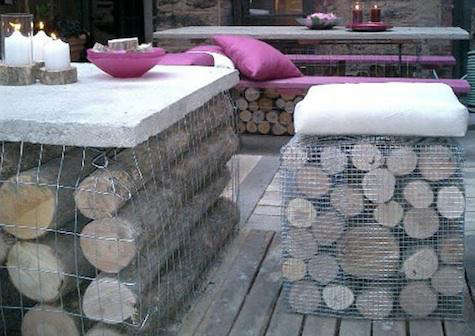
The original concept is simple and memorable: gabion-style forms filled not with the usual stone, but with logs. A sturdy wire cage contains stacked firewood, while flat wood slabs or boards create usable table and seating surfaces. The result is part bench, part sculpture, part storage solution, and part conversation starter. It is outdoor furniture with a backboneand possibly kindling.
For homeowners, garden lovers, patio renovators, and anyone tired of disposable outdoor furniture, Cole’s gabion table and bench offer a refreshing lesson: great exterior design does not always require shiny new materials. Sometimes the smartest backyard idea is already sitting beside the woodpile, waiting for someone with imagination to give it a job promotion.
What Is a Gabion Table and Bench?
A gabion is traditionally a wire cage or basket filled with heavy material such as stone, gravel, earth, or recycled rubble. In landscape construction, gabions are often used for retaining walls, erosion control, garden boundaries, privacy screens, and modern hardscape features. Their strength comes from mass and containment: the cage keeps the fill material together, while the fill provides weight and stability.
A gabion table or gabion bench adapts that same principle at furniture scale. Instead of building a wall that holds back a hillside, the designer creates a smaller cage-like base that supports a tabletop or bench seat. The fill material becomes visible, decorative, and structural. In most gabion furniture, stone is the expected star. Rebecca Cole’s version flips the script by using logs, giving the piece a warmer, softer, more organic personality.
Why Logs Instead of Rocks?
Logs change everything. Stone-filled gabions are bold, architectural, and heavy enough to make a moving crew reconsider its career choices. Log-filled gabions feel more playful and approachable. They bring in the visual rhythm of stacked firewood, the scent and memory of campfires, and the casual charm of a cabin weekendeven if the furniture sits on an urban terrace where the closest wilderness is a basil plant in a pot.
Using logs also introduces contrast. The wire mesh reads industrial; the wood reads natural. The rectangular forms feel modern; the irregular ends of the logs feel handmade. That balance is what gives the design its staying power. It does not look like a product trying too hard to be “outdoorsy.” It looks like outdoor living discovered good posture.
Rebecca Cole’s Design Spirit: Urban, Green, and Resourceful
Rebecca Cole is known for landscape, garden, floral, event, furniture, and interior design work rooted in urban creativity. Her design practice grew from gardens into a broader world of green living, commercial spaces, hotels, residential projects, and imaginative outdoor environments. That matters because the gabion table and bench are not just clever objects; they reflect a designer’s broader point of view.
Cole’s work often treats outdoor space as valuable real estate, especially in cities. A terrace, courtyard, rooftop, or compact garden should not be an afterthought where two chairs go to fade in the sun. It should work hard, look good, and make people want to step outside. The gabion table and bench fit that philosophy beautifully. They transform humble materials into multi-purpose outdoor furniture that feels grounded, unfussy, and ready for real use.
This is especially relevant for small-space outdoor living. In a tiny backyard or city patio, furniture must earn its keep. Cole’s design functions as seating, table surface, texture, visual anchor, and material story all at once. That is a lot of responsibility for logs in a cage, but they handle it with surprising dignity.
Why the Gabion Look Works So Well Outdoors
Gabions have become popular in contemporary landscaping because they combine durability with texture. Unlike flat fencing or plain concrete, a gabion surface has depth. It catches light. It changes with shadow. It can look rugged, refined, modern, rustic, or industrial depending on the fill material and surrounding design.
1. It Adds Instant Structure
Outdoor spaces often need definition. Without structure, a patio can look like a random furniture showroom display that wandered into the yard. A gabion bench gives the eye a strong horizontal line. A gabion table creates a central gathering point. Together, they can frame a seating area, divide a garden zone, or make a bare corner feel intentional.
2. It Uses Honest Materials
There is no pretending here. Wire looks like wire. Wood looks like wood. The construction is visible, which gives the furniture an honest, almost architectural quality. In an era of plastic products pretending to be wicker, stone, or wood, that honesty feels refreshing. The gabion table and bench say, “Yes, I am made of mesh and logs. And frankly, I look fantastic.”
3. It Blends with Many Garden Styles
A log-filled gabion bench can slide into a rustic woodland garden, a modern courtyard, a farmhouse patio, or an urban rooftop. Pair it with ornamental grasses and black planters for a contemporary look. Place it near lavender, gravel paths, and weathered terra-cotta for a Mediterranean mood. Add string lights and cushions, and suddenly it becomes the unofficial headquarters of summer evenings.
Design Analysis: What Makes Rebecca Cole’s Version Special?
The most distinctive feature of the Gabion Table and Bench by Rebecca Cole is the substitution of logs for stone. That single decision changes the emotional temperature of the piece. Traditional gabions can feel cool and monumental. Cole’s version feels warm, casual, and slightly witty. It borrows the language of infrastructure but speaks with the accent of a cozy backyard fire pit.
The design also makes great use of repetition. The circular ends of the logs create a pattern inside the mesh. Because no two logs are identical, the pattern feels natural rather than mechanical. It is organized chaosthe best kind, especially for people who like their gardens tidy but not uptight.
The flat top surface is essential. Without it, the piece would be sculpture. With it, the design becomes useful furniture. A tabletop can hold drinks, trays, planters, lanterns, books, or the heroic bowl of chips everyone pretends not to be guarding. A bench seat can be left bare for a rustic look or softened with cushions for long conversations.
How to Use a Gabion Table and Bench in Your Outdoor Space
You do not need a magazine-ready rooftop to make this idea work. A gabion table and bench can be scaled up or down depending on the size of your space and how much drama you want your patio furniture to bring to the party.
For a Patio Dining Area
Use a long gabion bench along one side of an outdoor dining table. It creates a communal, picnic-style feeling but looks more designed than a standard wooden bench. Add weather-resistant cushions in neutral colors to keep the look comfortable and clean.
For a Fire Pit Zone
A log-filled gabion bench feels especially appropriate near a fire pit, visually tying the seating area to the firewood supply. Just keep practical safety in mind: the bench should be placed far enough from open flames, and the logs inside the cage should be decorative or stored safely rather than exposed to sparks.
For a Garden Focal Point
In a planted area, a gabion table can act as a sculptural anchor. Place potted herbs, succulents, or a shallow tray of candles on top. Around it, use plants with soft texturesferns, grasses, lamb’s ear, or creeping thymeto contrast with the geometry of the mesh.
For Urban Rooftops
On a rooftop or terrace, gabion furniture can bring a grounded, earthy feel to a space surrounded by glass, brick, and steel. However, weight matters. Stone-filled gabions can be extremely heavy, and even log-filled designs need careful planning. For elevated spaces, consult building guidelines or a professional before installing anything substantial.
Materials and Practical Considerations
If you are inspired by Rebecca Cole’s idea and want to create a similar gabion bench or table, the materials should be chosen with both beauty and safety in mind. Decorative wire may look charming, but furniture needs enough strength to support real use. For a bench, welded wire mesh or a properly engineered gabion basket is generally more reliable than lightweight garden wire.
Wire Mesh
Galvanized steel mesh is a popular choice for outdoor gabion projects because it resists corrosion better than untreated metal. Powder-coated or PVC-coated mesh may offer additional protection and a more finished appearance. Sharp edges should be capped, folded, or covered so the furniture does not surprise guests with an accidental handshake from the wire.
Wood Fill
Logs should be dry, stable, and sized consistently enough to stack neatly. Hardwoods generally last longer than softwoods, but all wood exposed to outdoor moisture will eventually weather, crack, darken, or decay. That aging process can be beautiful, but it should be expected. If the logs become soft or pest-damaged, replace them. Think of the fill as part of the furniture’s seasonal maintenance, not a lifetime contract.
Top Surface
The seat or tabletop should be smooth, level, and securely attached. Oak, cedar, teak, ipe, and other durable woods can work well outdoors when properly finished. Reclaimed boards can add character, but they should be sanded and checked for splinters, nails, and structural weakness. Nobody wants their charming garden bench to come with a tetanus subplot.
Maintenance: Keeping the Rustic Look from Becoming Too Rustic
Outdoor furniture ages. That is not a flaw; it is part of the story. Still, there is a difference between “weathered charm” and “abandoned campground.” A gabion table and bench need occasional attention to stay attractive and safe.
Inspect the wire mesh at least a few times a year, especially after winter or heavy rain. Look for rust, bending, loose fasteners, or sharp protrusions. Check the wood top for cracks, warping, or loose screws. If cushions are used, choose outdoor-rated fabrics and store them during storms. Clean the tabletop with mild soap and water rather than harsh chemicals that can damage finishes or nearby plants.
If the log fill begins to break down, remove and replace the affected pieces. This is one advantage of Cole’s concept: the fill material can evolve. Freshly cut logs create a pale, clean look. Aged logs create a silver-gray, weathered effect. Mixed wood species can add color variation. The piece can change over time without losing its identity.
Sustainability and the Beauty of Reuse
One of the strongest arguments for gabion-inspired outdoor furniture is sustainability. The design can make use of locally available materials, reclaimed wood, storm-fallen branches, leftover firewood, or salvaged boards. Instead of buying a mass-produced patio set shipped halfway across the planet, homeowners can create something rooted in their own landscape.
That does not mean every DIY version is automatically eco-friendly. Materials still matter. New steel mesh has an environmental footprint, and treated wood must be selected carefully to avoid unwanted chemicals near edible gardens or children’s play areas. But the concept encourages a useful mindset: design with what you have, choose durable materials, repair instead of replace, and let outdoor objects age gracefully.
In that sense, Rebecca Cole’s gabion table and bench feel very current. They fit the growing interest in sustainable hardscaping, natural textures, outdoor rooms, and furniture that does not need to be babied. They are not precious. They are practical with personality.
Styling Ideas for a Gabion Table and Bench
The easiest way to style gabion furniture is to let it be the rugged element and soften everything around it. Use cushions, plants, textiles, and lighting to balance the wire-and-wood structure.
Modern Rustic
Pair the gabion bench with black metal planters, neutral cushions, gravel flooring, and architectural plants such as agave, boxwood, or ornamental grasses. The result feels clean and intentional, not like you forgot to put the firewood away.
Woodland Casual
Surround the bench with ferns, hostas, mossy stones, and a simple fire bowl. Use plaid or canvas cushions for a relaxed cabin-inspired mood. Add lanterns and suddenly your backyard is auditioning for a cozy lifestyle catalog.
Urban Garden Party
On a city terrace, combine the gabion table with lightweight chairs, potted trees, string lights, and a few bright outdoor pillows. The gabion base brings texture and weight, while the accessories keep the scene lively.
Common Mistakes to Avoid
The biggest mistake is underestimating stability. A gabion bench should not wobble, sag, tip, or shift when someone sits down. Build on a level surface, compact the base if needed, and make sure the cage and top are properly secured.
The second mistake is using wire that is too flimsy. Chicken wire may be part of the original visual idea, but for actual furniture that people will sit on, stronger mesh is usually the smarter choice. Lightweight wire can deform over time, especially outdoors.
The third mistake is forgetting comfort. A gabion bench may look wonderfully sculptural, but if the seat is too narrow, too high, or too hard, guests will admire it from a safe distance while secretly looking for a normal chair. Design for real bodies, not just photographs.
Experience Notes: Living With a Gabion Table and Bench Outdoors
The real pleasure of a gabion table and bench appears after the installation, when the piece stops being a project and starts becoming part of daily outdoor life. At first, people notice the materials. Guests lean closer, peer into the wire, and ask, “Wait, are those logs?” This is the moment when the furniture earns its keep as a conversation starter. It feels familiar and surprising at the same time, which is not easy to achieve in a world full of identical patio sets.
In everyday use, the gabion table becomes a hardworking surface. Morning coffee feels especially good on a table that looks like it could survive a small weather event. A tray of lemonade, a stack of gardening books, a bowl of citrus, or a cluster of terracotta pots all look natural on top. The rough texture below makes ordinary objects appear styled, even if the styling process was mostly “put it there and hope for the best.”
The bench experience is equally interesting. With a smooth wood cap and a cushion or two, it becomes comfortable enough for casual seating while still feeling connected to the garden. Unlike lightweight plastic furniture, it does not skitter across the patio in a gust of wind. It stays put. There is something reassuring about that. The piece feels anchored, almost like a low garden wall that kindly agreed to become furniture.
Seasonal changes add character. In spring, the logs look fresh against new leaves and early flowers. In summer, the bench becomes a natural gathering spot after dinner, especially when paired with lanterns or soft outdoor lighting. In fall, the wood tones echo the color of fallen leaves, and the whole setup feels made for sweaters and warm drinks. In winter, even when the garden is quiet, the gabion structure still gives the space shape. It does not disappear the way folding chairs do when they are hauled into storage.
Maintenance becomes part of the rhythm. A quick inspection after storms, a wipe-down of the seat, a check for loose wire, and the occasional replacement of tired logs are usually enough for a decorative version. The furniture does not need to look perfect. In fact, perfection would miss the point. The charm lies in controlled ruggedness: nature inside a frame, utility with a wink, and a little bit of woodland theater on the patio.
The best experience, though, is how flexible the idea feels. A small gabion side table can work on a balcony. A long bench can define a dining area. A pair of low tables can flank outdoor lounge chairs. The concept scales, adapts, and invites experimentation. That is why Rebecca Cole’s gabion table and bench remain inspiring: they do not merely show a finished object; they suggest a way of thinking. Look at ordinary materials again. Let structure be beautiful. Let storage become seating. Let the backyard have a sense of humor.
Conclusion: Rustic Outdoor Furniture with a Designer Brain
The Gabion Table and Bench by Rebecca Cole proves that outdoor furniture can be smart without becoming sterile, rustic without becoming messy, and sustainable without looking like a compromise. By filling wire forms with logs instead of stone, Cole gives the gabion concept warmth, wit, and everyday usefulness. It is a design idea that feels equally at home in a city courtyard, a garden patio, a rooftop terrace, or a relaxed backyard retreat.
For anyone planning an outdoor refresh, the lesson is bigger than one bench or table. Great garden design often comes from reimagining familiar materials. Firewood can become pattern. Wire mesh can become structure. A simple slab of wood can turn a cage into a table. And suddenly, the patio has furniture that feels less like something bought in a hurry and more like something with a point of view.
If your outdoor space needs texture, function, and a little design mischief, a gabion table and bench may be the perfect place to start. Just build it safely, choose durable materials, and prepare for guests to ask whether they can steal the idea. The answer, of course, is yesbut only if they promise to give the logs the respect they deserve.