Medical disclaimer: This article is for general education, not personal medical advice. If you think you’re having a psoriasis flare (or you’re unsure what a new rash is), a board-certified dermatologist is your best teammate.
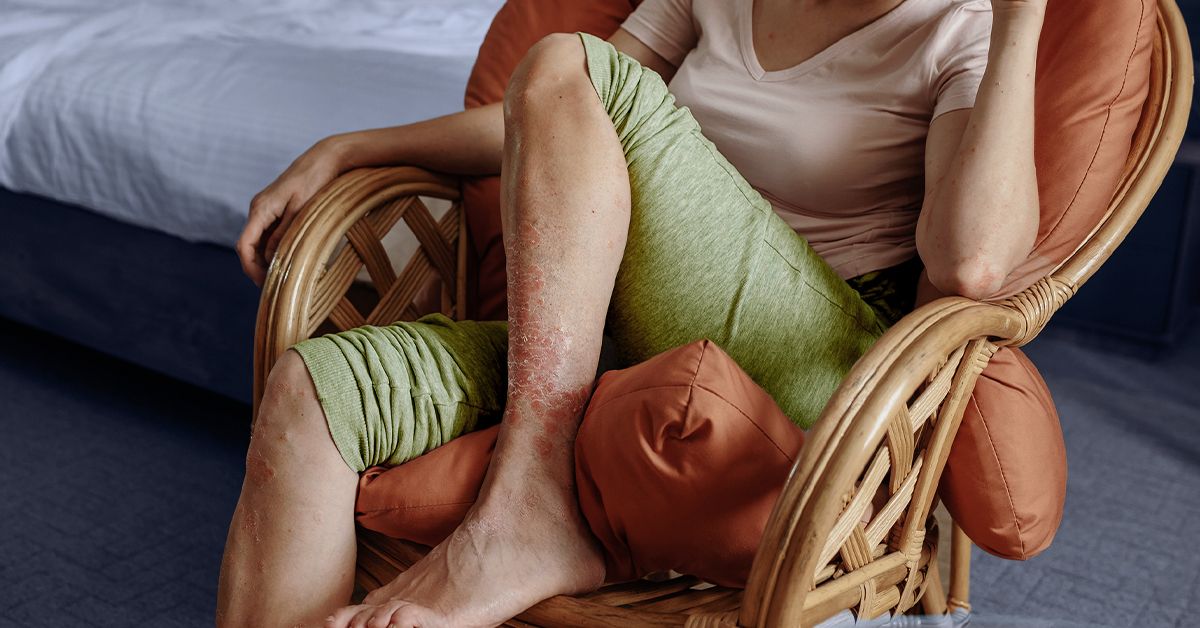
If you live with psoriasis, you already know the rules of the game are… flexible. You can do everything “right” and still wake up to a surprise patch of angry, scaly skin like it’s auditioning for a starring role. One of the sneakier plot twists is the Koebner phenomenonwhen psoriasis shows up exactly where your skin got irritated or injured. Think: scratch → stripe of psoriasis. Sunburn → “thanks, I hate it” plaque. Tattoo → psoriasis deciding it wants matching ink.
Let’s break down what the Koebner phenomenon is, why it happens, what triggers it, and how to reduce your odds of getting a “psoriasis autograph” on every minor skin injury.
Koebner phenomenon, explained like a human
Koebner phenomenon (also called Koebnerization or the isomorphic response) means: new psoriasis lesions appear on previously unaffected skin after trauma or irritation. The new spots typically look like your usual psoriasissame texture, same scaling, same vibejust in a new location that recently got “bothered.”
Classic examples include:
- Scratches, cuts, or abrasions (including from shaving)
- Sunburns
- Bug bites
- Friction or pressure (tight clothing, repetitive rubbing)
- Vaccination or injection sites
- Surgical incisions or healing wounds
- Tattoos or piercings
Not everyone with psoriasis experiences Koebnerization, and even people who do may only get it sometimes. But it’s common enough that it deserves a permanent spot on your psoriasis “things to know” listright next to “stress is not just a feeling; it’s a trigger.”
Why does psoriasis show up where skin was injured?
Psoriasis is driven by an overactive immune response that speeds up skin cell turnover and creates inflammation. When skin gets injured, your body launches a normal repair process: inflammatory signals, immune cell traffic, and a cascade of “fix it” chemistry. In psoriasis, that repair response can become an accidental fire alarmpulling immune pathways into overdrive and turning a healing site into a psoriasis plaque.
The short version
Skin injury creates inflammation. In people with psoriasis, inflammation can flip the “psoriasis switch” in that exact location.
The slightly nerdier (but still friendly) version
Researchers have proposed several overlapping reasons Koebnerization happens:
- Barrier disruption: Even small breaks in the skin barrier can expose immune cells to signals that kick-start inflammation.
- Immune “memory” in the skin: Certain immune cells can linger in skin and respond aggressively after irritationhelpful for infections, less helpful for psoriasis.
- Cytokine surge: Injury triggers cytokines (chemical messengers) that can amplify pathways implicated in psoriasis.
- Mechanical stress: Repetitive friction and pressure may keep the area inflamed long enough for plaques to form.
Translation: your skin tries to heal, but psoriasis sometimes hijacks the process like a raccoon stealing your pizza.
How soon after an injury can Koebner lesions appear?
Many people develop Koebner-related psoriasis lesions roughly 10–20 days after the skin injury. That’s a common window, but real life isn’t always tidy. Some people notice changes sooner, while others see plaques appear much laterespecially if the area stays irritated, gets infected, or heals slowly.
That delay matters because Koebnerization can feel mysterious: you forgot about the scrape from two weeks ago, and now your elbow is throwing a scaly tantrum. It’s not random; it’s just running on a time delay.
Common triggers: the Koebner “greatest hits”
Anything that irritates or injures skin can potentially trigger Koebnerization. The most frequent culprits tend to fall into a few categories:
1) Physical injury
- Scratches (including from pets, sports, or enthusiastic back-scratching)
- Cuts, scrapes, burns
- Surgical incisions
- Blisters
2) Sun and temperature extremes
- Sunburn
- Frostbite or cold-related skin injury
- Heat rashes (especially if you scratch)
3) Friction and pressure
- Tight waistbands, bra straps, watchbands
- Repetitive rubbing from gear (helmets, shin guards) or work tools
- Frequent shaving, waxing, or aggressive exfoliation
4) Skin inflammation from “little things”
- Bug bites
- Minor rashes (like contact irritation)
- Picking at skin, biting nails/cuticles
5) Medical and cosmetic triggers
- Vaccines and injections (not a reason to skip vaccinesjust a reason to plan ahead)
- IV sites, blood draws, glucose monitors, or insulin injections
- Cosmetic procedures that irritate skin (some laser treatments, peels, microneedling)
Important nuance: Koebnerization is about injury and inflammation, not about “dirtiness” or infection by default. That said, an infected wound can absolutely increase inflammation and raise the odds of a psoriasis flareso good wound care is a big deal.
Who is more likely to experience Koebner phenomenon?
Koebnerization can happen to anyone with psoriasis, but it tends to be more likely when:
- Your psoriasis is active (you’re already flaring or have unstable disease).
- You have frequent skin irritation (manual labor, athletics, caregiving, certain hobbies).
- You have itchy skin (scratching creates a direct path from itch to injury to plaque).
- You have other triggers stacked (stress + infection + skin injury is a common “perfect storm”).
There’s also a practical reality: people who have more opportunities for minor skin trauma (think: parents of toddlers, gardeners, nurses, chefs, mechanics, climbers) simply get more “chances” for Koebnerization to occur.
Koebner vs. look-alikes: don’t assume every line is psoriasis
Koebner phenomenon is a specific idea: your underlying condition recreates itself at a trauma site. But other things can mimic it:
Pseudo-Koebner phenomenon
Some infections spread along injured skinlike warts or molluscumcreating new lesions in a line or at trauma sites. That can look Koebner-ish, but it’s a different mechanism (spread of an infectious agent, not psoriasis copying itself).
Contact dermatitis and irritation
A rash from poison ivy, nickel, fragrances, or harsh soaps may show up where you touched somethingalso sometimes linear. If your “Koebner” area is blistering, oozing, or intensely burning, consider that it might not be psoriasis.
Wound healing changes
Scars, post-inflammatory pigment changes, and thickened healing skin can look suspicious. If it doesn’t behave like your typical psoriasis (or it’s painful, warm, pus-filled, or spreading quickly), get it checked.
Practical prevention: how to lower your odds of Koebner flares
You can’t wrap yourself in bubble wrap forever (and even if you could, friction can still trigger psoriasisso bubble wrap is not the hack it sounds like). But you can reduce risk with a few smart habits.
1) Treat “small injuries” like they matter
For people without psoriasis, a tiny scratch is a tiny scratch. For you, it’s a potential future plaque. Clean minor wounds gently, protect them, and avoid repeated irritation.
2) Moisturize like it’s part of your job description
Dry skin itches. Itchy skin gets scratched. Scratched skin gets Koebnerized. Regular moisturizing supports the skin barrier and can reduce itch-driven trauma.
3) Be kind to your skin during grooming
- Use shaving cream or gel; avoid dry shaving.
- Shave with the grain and swap dull blades.
- Skip harsh scrubs and aggressive exfoliants on sensitive areas.
4) Manage friction and pressure
- Choose breathable, softer fabrics when possible.
- Use protective gear for work/sports (gloves, knee pads) to prevent micro-injuries.
- Watch for “hot spots” from shoes or braces and address them early.
5) Sun protection is not optional
Some controlled UV exposure is used medically for psoriasis, but sunburn is a classic Koebner trigger. Use sunscreen, protective clothing, and common sense. A therapeutic dose is not the same as getting roasted at a weekend barbecue.
6) Keep infections in check
Skin infections and systemic infections can worsen psoriasis. If a wound looks increasingly red, hot, swollen, painful, or starts draining, treat it seriously and seek medical care.
Tattoos, piercings, and procedures: can you still do them?
Many people with psoriasis get tattoos and piercings without problems. Others Koebnerize at the site. The key is risk management, not doom.
If you’re considering a tattoo
- Time it during stable disease: Avoid getting tattooed mid-flare.
- Avoid areas that commonly flare: If your elbows and knees are frequent offenders, they’re not ideal real estate.
- Choose a reputable, hygienic studio: Infection increases inflammation and raises risk.
- Plan aftercare like a pro: Gentle cleansing, proper moisturizing, and no picking.
- Talk to your dermatologist: Especially if you’re on immunosuppressive therapies or have a history of Koebnerization.
Medical devices and injections
If you use wearable devices (like continuous glucose monitors) or get regular injections, rotating sites and reducing adhesive irritation can help. If adhesives trigger rashes, ask about barrier films, alternative adhesives, or strategies to reduce trauma during removal.
What to do if you think you’re Koebnerizing
First: don’t panic. Koebner lesions are still psoriasis, which means they’re usually treated like psoriasis.
Step-by-step response
- Stop the ongoing irritation: Remove the friction source, avoid scratching, protect the area.
- Use your prescribed topicals correctly: If you have a dermatologist-approved plan (like topical corticosteroids or vitamin D analogs), follow it. Don’t freestyle with your strongest steroid “just because.”
- Support healing: Gentle moisturizers and proper wound care if the skin is broken.
- Track timing and triggers: Note the injury date, what happened, and when lesions appeared. This helps you and your clinician spot patterns.
- Check for infection signs: Increasing pain, warmth, swelling, pus, fever, or rapidly expanding redness warrants medical evaluation.
If Koebner flares are frequent or widespread, it may be a sign your psoriasis needs better baseline control. That could mean optimizing topicals, considering phototherapy, or discussing systemic options with your clinician.
Treatment options: same playbook, smarter strategy
Because Koebner phenomenon is about psoriasis expressing itself after injury, treatment usually focuses on:
- Calming inflammation (topicals, phototherapy, systemic treatments depending on severity)
- Restoring and protecting the skin barrier (moisturizers, gentle skin care)
- Reducing triggers (itch control, friction reduction, sunburn prevention)
Typical treatments your clinician may use
- Topical therapies: corticosteroids, vitamin D analogs, calcineurin inhibitors (for certain sensitive areas), and other prescription creams/foams.
- Phototherapy: medically supervised UV therapy can reduce plaques while minimizing the “sunburn risk” that comes with DIY sunlight experiments.
- Systemic options: oral and injectable medications may be considered for moderate-to-severe psoriasis or frequent flares.
Also: if itch is driving scratching (and scratching is driving Koebnerization), itch management becomes a core part of treatment, not a side quest.
Myths and misconceptions (because the internet is loud)
Myth: “Koebner phenomenon means psoriasis is contagious.”
Nope. Psoriasis is not contagious. Koebnerization is your immune system reacting to injury, not a rash “spreading” person-to-person.
Myth: “If I avoid all injuries, I’ll avoid all flares.”
Reducing skin trauma helps, but psoriasis can flare from infections, medications, stress, and other triggers too. Think of injury avoidance as one important levernot the entire control panel.
Myth: “I should never get vaccines because of Koebner.”
Vaccines can occasionally trigger localized flares in some people, but for most, the benefits of vaccination outweigh that risk. If you’ve Koebnerized at injection sites before, talk with your clinician about site selection, aftercare, and flare planning.
Questions to ask your dermatologist
- Do my patterns suggest I’m Koebner-positive?
- What should I apply to minor injuries to reduce flare risk?
- If I want a tattoo or cosmetic procedure, how should I plan it around my treatment?
- Is my current psoriasis control strong enough to prevent frequent Koebnerization?
- Could this “new lesion” be something else (infection, dermatitis, etc.)?
Key takeaways
- Koebner phenomenon is when psoriasis develops at sites of skin injury or irritation.
- It often shows up days to weeks after the triggering event, commonly around the 10–20 day mark.
- Triggers include scratches, sunburns, bug bites, friction, injections, surgery, and tattoos.
- Prevention is about protecting the skin barrier, reducing itch/scratching, and minimizing friction and sunburn.
- Frequent Koebnerization may signal a need to optimize overall psoriasis management.
Experiences people report with Koebner phenomenon and psoriasis (real-life perspective)
Medical explanations are helpful, but lived experience is where Koebner phenomenon stops being a vocabulary word and becomes a “wait… that’s what that was?” moment. Below are common themes and scenarios people with psoriasis often describe. These are not one person’s story or medical recordsthink of them as composite snapshots that reflect patterns clinicians and patient communities frequently talk about.
1) The “harmless scratch” that wasn’t
Someone bumps into a doorframe, gets a thin scratch on the forearm, ignores it, and moves on. Two weeks later, a neat little line of scaly patches appears exactly where the scratch was. The surprise isn’t just the new lesionit’s how precise it is, as if psoriasis used a ruler.
Common lesson: small injuries can matter. People who recognize this pattern early often get better at basic wound care (gentle cleaning, covering if needed, avoiding irritation), and they try to interrupt the itch-scratch cycle before it becomes a plaque.
2) The sunburn that turns into a “souvenir”
A weekend outdoors ends with a sunburn across the shoulders or chest. The burn fades, but a month later, psoriasis appears in the same shape as the sunburn. Some people describe it as their skin “remembering” the injury and responding later.
Common lesson: sunburn prevention is a psoriasis strategy, not just a skincare one. Many people report fewer Koebner flares after they get serious about sunscreen, hats, UPF clothing, and avoiding midday sun.
3) Tattoos: sometimes totally fine, sometimes… not
Many people with psoriasis get tattoos with no issues at allespecially when their disease is stable and aftercare is careful. Others report plaques developing along parts of the tattoo lines or within shaded areas, sometimes weeks later. A few people say the tattoo site stayed calm, but they flared elsewhere after the stress and inflammation of healing.
Common lesson: timing matters. People often report better outcomes when they avoid tattooing during a flare, pick a location that isn’t a frequent psoriasis “hot spot,” and treat aftercare like a serious healing project (because it is).
4) The “little irritations” that add up
Not every Koebner trigger is dramatic. Some people notice lesions where waistbands rub, where bra straps sit, under a watchband, or on hands after frequent washing and sanitizer use. The theme is repeated micro-trauma: the skin never gets a calm moment to fully reset.
Common lesson: reducing friction and dryness can be surprisingly powerful. People often describe improvements after switching to gentler soaps, moisturizing after handwashing, using protective gloves for cleaning, and choosing softer clothing or adjusting gear.
5) Vaccination or injection sites: a small flare with a big question
Some people report a small psoriasis patch at a vaccine or injection site. Usually, it’s localized and manageablebut it can be emotionally loud, because it feels like your body is being “difficult” about something you did for your health.
Common lesson: plan instead of panic. People who’ve experienced this often talk with their clinician before future shots, rotate sites when possible, and treat the area gently afterward. Most still choose vaccination because the overall health benefits are significant.
What people say helps the most
- Spotting the delay: Connecting a new plaque to an injury from 1–3 weeks ago makes it feel less randomand more manageable.
- Having a “flare plan”: Knowing what to apply, when to call a clinician, and how to protect healing skin reduces stress.
- Barrier-first habits: Consistent moisturizing, gentle cleansing, and avoiding skin picking are the boring basics that often pay off.
- Better baseline control: People often say Koebnerization becomes less frequent when their overall psoriasis is well managed.
If any of these sound familiar, you’re not imagining thingsand you’re not “doing psoriasis wrong.” Koebner phenomenon is a known feature of psoriasis for many people. The goal isn’t perfection. It’s fewer triggers, faster recovery, and a plan that keeps you in charge as much as possible.