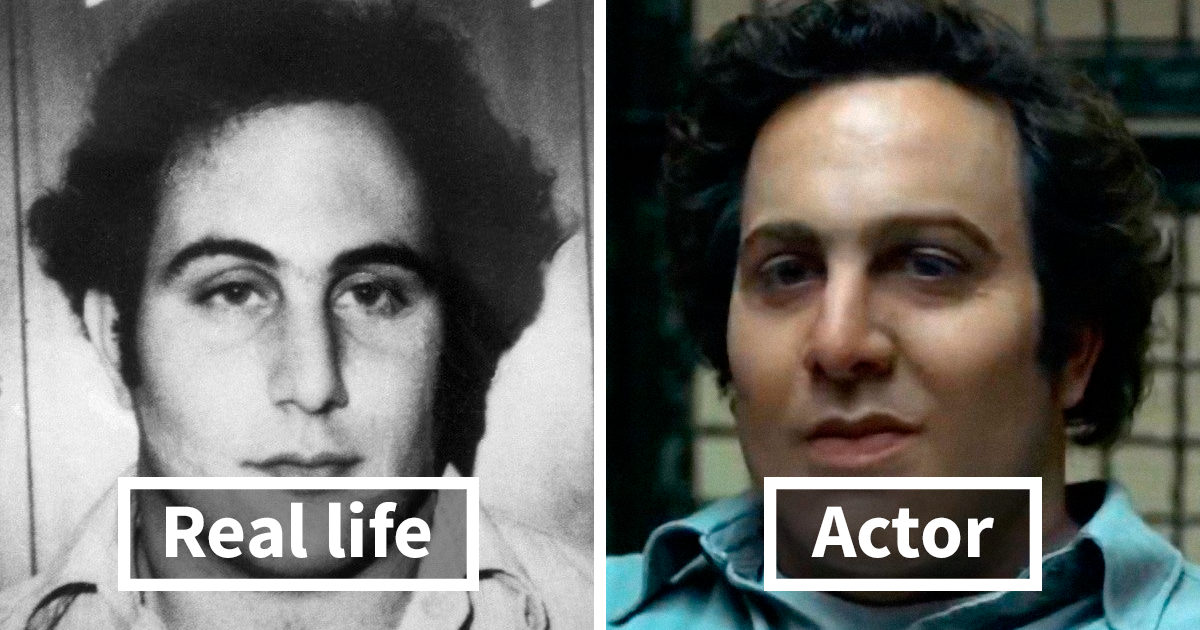
Every so often, the internet agrees on something without throwing a digital chair across the room. One of those rare peaceful moments happens when people discuss brilliant casting choices: actors who fit their roles so perfectly that fans start wondering whether the casting director had access to a crystal ball, a time machine, or at least a suspiciously well-organized Pinterest board.
The viral conversation around “People Are Sharing Casting Choices That Were Just Brilliant (30 Tweets)” taps into a simple but powerful truth: great casting can make a movie or TV show feel inevitable. When the right actor meets the right character, the result does not merely entertain us. It rewires the way we imagine that character forever. Try reading J. Jonah Jameson without hearing J.K. Simmons barking about Spider-Man. Go ahead. We will wait. See? Impossible.
Brilliant casting choices matter because they solve a storytelling puzzle before the first scene even begins. They establish tone, credibility, chemistry, danger, comedy, and emotional stakes. Sometimes the actor looks exactly like the character. Sometimes they do not look “right” at all, until one performance changes everyone’s mind so completely that the original doubt becomes funny. Heath Ledger as the Joker is the gold-standard example: a casting announcement that once puzzled fans became one of the most praised performances in modern movie history.
Why Brilliant Casting Choices Become Internet Gold
Social media loves perfect casting for the same reason it loves before-and-after photos, plot twists, and dogs wearing tiny shoes: the satisfaction is instant. A tweet showing young and adult versions of the same character, or an actor beside the comic-book illustration they somehow stepped out of, delivers a small jolt of joy. It says, “Look! Someone made an artistic decision, and it actually worked!” In Hollywood, that is basically a lunar eclipse.
The best casting choices also become shared cultural shorthand. Robert Downey Jr. did not simply play Tony Stark; he made Tony Stark feel like Robert Downey Jr. had been secretly storing an arc reactor in his chest for years. Margot Robbie did not just wear pink in Barbie; she balanced plastic perfection, existential dread, and comic timing with the grace of someone walking through a dreamhouse while the floor is actively becoming a metaphor. Ryan Gosling as Ken, meanwhile, turned a supporting doll into a full emotional ecosystem of beach, insecurity, and musical theater.
What Makes a Casting Choice Brilliant?
1. The actor understands the character’s contradiction
Great characters are rarely one-note. Tony Stark is arrogant and wounded. Annalise Keating is powerful and vulnerable. Walter White is ordinary and terrifying. A brilliant casting choice finds an actor who can carry those contradictions without making the audience feel the machinery. Bryan Cranston’s shift from sitcom dad to morally collapsing chemistry teacher worked because he could make Walter White look both pathetic and dangerous, sometimes in the same breath.
2. The role changes how we see the actor
Some casting is brilliant because it surprises us. Before Breaking Bad, Cranston was widely known for comedy. Before The Dark Knight, Ledger was not the obvious fanboy pick for Gotham’s clown prince of chaos. Before Wolverine, Hugh Jackman was not yet the growling, clawed symbol of superhero commitment. When casting expands an actor’s public image, it gives the audience the pleasure of discovery.
3. The actor becomes the default version
This is the highest level of casting magic. Alan Rickman became the screen’s definitive Severus Snape by turning pauses, whispers, and dagger-sharp line readings into an entire weather system of suspicion. Patrick Stewart made Professor X feel noble without becoming bland. Ian McKellen gave Gandalf warmth, mischief, and ancient authority. These are not just performances; they are bookmarks in pop culture memory.
30 Tweet-Worthy Casting Choices That Still Feel Brilliant
- Robert Downey Jr. as Tony Stark in Iron Man: A risky choice that became the foundation of the Marvel Cinematic Universe. His charm, ego, and vulnerability fused into superhero chemistry.
- Heath Ledger as the Joker in The Dark Knight: Once doubted, later legendary. His performance turned chaos into cinema’s most unsettling magic trick.
- J.K. Simmons as J. Jonah Jameson in Spider-Man: He did not play the Daily Bugle editor; he seemed to have been printed directly from a comic panel and given espresso.
- Alan Rickman as Severus Snape in Harry Potter: His voice alone could make a classroom feel like it had unpaid emotional debts.
- Hugh Jackman as Wolverine in X-Men: A last-minute casting shift became one of the longest-running and most beloved superhero performances ever.
- Margot Robbie as Barbie in Barbie: She made an icon feel funny, fragile, strange, glamorous, and deeply human.
- Ryan Gosling as Ken in Barbie: A performance so committed that “just Ken” became a full personality diagnosis.
- Viola Davis as Annalise Keating in How to Get Away with Murder: Davis gave network TV a character with authority, pain, sensuality, rage, and terrifying intelligence.
- Bryan Cranston as Walter White in Breaking Bad: The casting worked because Cranston could make a man’s downfall feel slow, logical, and horrifying.
- Aaron Paul as Jesse Pinkman in Breaking Bad: What could have been a sidekick became the show’s bruised conscience.
- Steve Carell as Michael Scott in The Office: He found the tiny, lonely heart inside a boss who should have been impossible to tolerate.
- Rainn Wilson as Dwight Schrute in The Office: A beet-farming assistant regional manager should not feel mythic, yet here we are.
- Meryl Streep as Miranda Priestly in The Devil Wears Prada: A whisper, a glance, and suddenly everyone in the room needed to rethink their sweater.
- Anne Hathaway as Andy Sachs in The Devil Wears Prada: Her warmth made the fashion-world chaos accessible without dulling the satire.
- Tom Hanks as Forrest Gump in Forrest Gump: Hanks balanced innocence and emotional depth without turning the character into a cartoon.
- Morgan Freeman as Red in The Shawshank Redemption: His narration feels like wisdom sitting beside you on a bench at sunset.
- Sigourney Weaver as Ellen Ripley in Alien: Weaver gave science fiction one of its most enduring survivors: smart, scared, practical, and unstoppable.
- Carrie Fisher as Princess Leia in Star Wars: Regal, sarcastic, brave, and allergic to nonsense, Fisher made Leia far more than a space princess.
- James Earl Jones as the voice of Darth Vader: The voice transformed a masked villain into a walking thundercloud of doom.
- Robin Williams as the Genie in Aladdin: Animation met improvisational lightning in a bottle.
- Christoph Waltz as Hans Landa in Inglourious Basterds: Charming, multilingual, and monstrous, Waltz made politeness feel like a weapon.
- Viggo Mortensen as Aragorn in The Lord of the Rings: Rugged nobility, quiet doubt, and sword-ready leadership all arrived in one perfectly muddy package.
- Ian McKellen as Gandalf in The Lord of the Rings: He made ancient wisdom feel warm enough for tea and powerful enough to stop a Balrog.
- Patrick Stewart as Professor X in X-Men: A fan-favorite match that brought dignity and calm command to the mutant mentor.
- Samuel L. Jackson as Nick Fury in the Marvel films: Some casting choices are so obvious in hindsight that they feel less like decisions and more like destiny filing paperwork.
- Johnny Depp as Jack Sparrow in Pirates of the Caribbean: He turned a theme-park pirate into a swaggering, wobbling, endlessly quotable movie icon.
- Rosamund Pike as Amy Dunne in Gone Girl: Pike made perfection look terrifying, which is exactly what the story needed.
- Emma Watson as Hermione Granger in Harry Potter: Bookish intensity, moral certainty, and loyal exasperation: casting directors understood the assignment.
- Daniel Radcliffe as Harry Potter: Radcliffe grew with the role, carrying wonder, grief, awkwardness, and courage across a decade.
- Wyatt Oleff and Andy Bean as young and adult Stanley Uris in It: The resemblance and emotional continuity made fans do a double take, then immediately reach for the retweet button.
The Secret Ingredient: Chemistry
Perfect casting is not only about one actor fitting one role. Sometimes the brilliance appears in the space between performers. The Harry Potter trio worked because the actors’ growing friendship mirrored the story’s emotional spine. The Barbie ensemble worked because everyone seemed to understand the same bizarre rules of Barbie Land. The Office worked because the cast felt like coworkers trapped in a fluorescent-lit terrarium of social mistakes.
Chemistry is also why age-matched casting goes viral. When viewers see a younger actor and an older actor playing the same character, they look for shared posture, eye shape, energy, and emotional rhythm. It is not enough for two performers to resemble each other. They must suggest the same inner life at different chapters. That is why fan threads about brilliant casting often focus on side-by-side comparisons. The internet is basically one giant detective with snacks.
Why Fans Love Debating Casting Choices
Casting debates are fun because everyone can participate. You do not need a film degree to know when someone feels right in a role. Viewers respond instinctively. We know when an actor disappears into a character, when a performance feels forced, and when a role suddenly becomes impossible to imagine any other way.
There is also a delicious “what if?” element. What if another actor had played Iron Man? What if Wolverine had remained in different hands? What if Ken had been played with less sincere stupidity and more smug coolness? These alternate-universe questions are harmless entertainment, but they also reveal how fragile screen magic can be. One casting decision can change a franchise, launch a career, rescue a script, or turn a supporting character into the reason people buy tickets.
Experience: Watching Brilliant Casting Happen in Real Time
One of the most enjoyable experiences as a movie and TV fan is realizing, in real time, that a casting choice is working better than expected. It usually happens quietly at first. Maybe the actor delivers one line with a twist you did not anticipate. Maybe they walk into a room and the entire scene reorganizes itself around their presence. Maybe you forget the actor’s name for a moment and think only of the character. That is when the performance has crossed the invisible line from “good casting” to “oh, they got the right person.”
Fans often remember where they were when a casting choice clicked. Some people saw Heath Ledger’s Joker in the first trailer and instantly understood that the doubters were about to be very, very busy deleting old forum posts. Others watched Robert Downey Jr. hold a press conference as Tony Stark and thought, “Well, that’s it. Nobody else gets to touch this now.” Many viewers met Viola Davis as Annalise Keating and immediately felt that television had gained a new kind of lead character: glamorous, wounded, intimidating, and deeply human without asking permission.
There is also a special pleasure in discovering brilliant casting after the fact. Streaming has turned many viewers into archaeologists of pop culture. Someone watches The Lord of the Rings for the first time twenty years late and still feels Ian McKellen’s Gandalf as fresh and authoritative. Someone finally starts Breaking Bad and understands why Bryan Cranston’s name is spoken with such reverence. Someone revisits The Devil Wears Prada and notices that Meryl Streep barely raises her voice, because true power does not need to yell when it can quietly request an impossible steak.
The funniest part is how possessive fans become. Once a casting choice feels definitive, audiences guard it like a family recipe. Suggest replacing J.K. Simmons as J. Jonah Jameson and people react as if you proposed replacing the moon with a desk lamp. That protectiveness is silly, but it comes from affection. Great casting helps viewers build emotional attachments. Characters become familiar faces in the private living room of memory.
For writers, filmmakers, and casual fans alike, brilliant casting is a reminder that storytelling is collaborative. A script may describe a character, but an actor gives that character temperature, rhythm, breath, and eyebrow strategy. Casting directors, producers, and directors make thousands of calculations that audiences may never notice. But when they get it right, everyone notices. The internet notices. The tweets notice. The group chat notices. Even your cousin who “doesn’t really watch movies” suddenly has a surprisingly strong opinion about Wolverine.
That is why conversations about brilliant casting choices remain so charming. They are not just lists of actors and roles. They are celebrations of those rare entertainment moments when the industry’s complicated machine produces something that feels simple, obvious, and perfect.
Conclusion
Brilliant casting choices are the quiet engines behind unforgettable movies and TV shows. They make characters feel real, franchises feel stable, jokes land harder, villains feel scarier, and emotional scenes hit with the force of a falling Oscar statue. From Robert Downey Jr. as Iron Man to Margot Robbie as Barbie, from Alan Rickman as Snape to Viola Davis as Annalise Keating, the best casting decisions become part of how audiences remember the story itself.
So when people share casting choices that were just brilliant, they are really sharing moments when Hollywood got the human puzzle exactly right. And honestly, when that happens, the internet deserves a little applause, a few joyful tweets, and maybe one dramatic J.K. Simmons shout for good measure.
Note: This article is an original, publication-ready synthesis based on real entertainment history, well-known casting examples, fan discussion patterns, and industry context. Source links and citation markers have been intentionally omitted from the HTML for clean web publishing.