Every pond deserves one place where the world seems to take a long, satisfied exhale. Not the muddy edge where someone once dropped a garden glove in 2019. Not the sunny bank where the dragonflies hold aerial meetings and the grass gets crispy by August. A real shady spot by the pond is different. It is a small outdoor retreat where water, plants, cool air, and a comfortable seat work together like they have been secretly planning your relaxation schedule.
Creating a new shady spot by the pond is not just about putting a chair under a tree and declaring victory. It is part backyard pond landscaping, part habitat design, part comfort engineering, and part “please do not let this look like I abandoned a patio chair in the wilderness.” Done well, a pond shade area can lower visual glare, soften the water’s edge, support wildlife, reduce soil erosion, create a cooler seating zone, and make your garden feel more private and inviting.
The best part? This project can be simple or elaborate. You can design a rustic bench beneath a willow, a gravel nook under a pergola, a fern-filled pond garden path, or a quiet reading area framed by native shrubs. The goal is the same: build a cool, beautiful, low-maintenance place where people want to pause, birds want to visit, and mosquitoes are not invited to start a family reunion.
Why a Shady Pond Spot Is More Than Just a Pretty Corner
Shade changes how a pond area feels. In full sun, water can sparkle beautifully, but it can also become bright, hot, and uncomfortable during the middle of the day. A shaded pond seating area gives the landscape balance. It creates contrast between light and dark, movement and stillness, open water and leafy enclosure.
Shade also has practical benefits. Around a water garden, sunlight and excess nutrients can encourage algae growth. That does not mean a pond should be buried in deep shade like a suspicious fairy-tale swamp. Many aquatic plants, including water lilies, still need sunlight to flower well. But partial shade, especially around seating areas and pond edges, can help keep the space cooler and more pleasant while reducing harsh afternoon exposure.
A shady pond corner also improves the user experience. It gives you a place to sit close enough to enjoy frogs, fish, ripples, and reflections without feeling like you are slowly becoming toast. For families, it can become a quiet outdoor classroom. For gardeners, it becomes a living design feature. For anyone with a cup of coffee, it becomes the kind of place where five minutes mysteriously turns into thirty.
Start With the Right Location
Before buying plants, stones, benches, or that suspiciously expensive outdoor cushion that claims to be “weather resistant” but fears drizzle, study the pond area at different times of day. Morning shade, afternoon shade, and full-day shade each create different planting and comfort conditions.
Look for Afternoon Relief
The most valuable shade is often afternoon shade. Morning sun is gentle and useful for many plants, but afternoon sun can be intense. A seating area on the east or northeast side of a tree, shrub grouping, fence, pergola, or garden structure may stay cooler when the rest of the yard feels like a skillet.
Keep the View Open
A shady spot should frame the pond, not hide it. Place seating where you can see the water surface, moving plants, fish activity, or a small fountain. If the chair faces a shrub wall and the pond is behind you, congratulations: you have invented outdoor waiting-room seating.
Respect the Water’s Edge
A pond edge is a living transition zone. It handles runoff, supports plants, shelters insects and amphibians, and prevents soil from washing into the water. Avoid placing heavy furniture directly on soft banks. Instead, create a stable pad using gravel, stepping stones, pavers, compacted decomposed granite, or a small wooden platform set safely back from the edge.
Design the Shade: Trees, Structures, and Plant Layers
There are three main ways to create shade near a pond: overhead canopy, built shade, and layered planting. The best designs often combine all three.
Tree Canopy
A mature tree can make a pond feel instantly established. Its filtered light creates moving patterns on the water, and its branches help define the space. However, trees also drop leaves, seeds, and twigs. Too much debris in a pond can add nutrients as it decomposes, so choose the location carefully and skim regularly in fall.
Good tree choices depend on region, soil moisture, and pond size. In many American landscapes, serviceberry, river birch, red maple, bald cypress, and certain native oaks can work near moist areas when properly sited. Avoid planting large trees too close to pond liners, small masonry edges, or underground utilities. Roots are not evil, but they do enjoy exploring.
Built Shade
A pergola, arbor, shade sail, or small pavilion gives immediate structure. This is useful when trees are young or the pond sits in an open yard. A pergola covered with native vines can look romantic without requiring the gardener to wait fifteen years for shade. Use rot-resistant materials, secure footings, and designs that can handle local wind and weather.
Layered Planting
Layered planting is the secret ingredient in pond garden design. Use taller shrubs in the background, medium perennials around the edges, and low ground covers near paths. This creates depth, privacy, and habitat. The pond stops looking like a hole with water in it and starts looking like a destination.
Best Plants for a Shady Spot by the Pond
Plant selection should match your climate, soil, sunlight, and maintenance style. Around a shaded or partly shaded pond edge, look for plants that enjoy moisture, tolerate occasional wet feet, and help stabilize soil. Native plants are often excellent choices because they can support local insects, birds, and wildlife while requiring fewer inputs once established.
Moisture-Loving Edge Plants
For pond margins, consider blue flag iris, cardinal flower, swamp milkweed, soft rush, sedges, sweet flag, and buttonbush. These plants can soften the pond edge, attract pollinators, and help hold soil in place. Buttonbush, with its round white blooms, looks like something a garden gnome would approve of, but it is also a serious wildlife plant.
Shade-Friendly Foliage Plants
For the seating zone, hostas, ferns, heuchera, astilbe, foamflower, wild ginger, and oakleaf hydrangea can add lush texture. In deep shade, foliage becomes the main event. Think leaf shape, size, and color rather than relying only on flowers. A good shady pond garden should look interesting even when nothing is blooming.
Aquatic Plants for Surface Balance
Water lilies, floating plants, and submerged oxygenators can help shade portions of the pond surface and compete with algae for nutrients. The trick is balance. Too little plant coverage may leave the pond exposed and algae-prone; too much can reduce oxygen exchange and make the pond look like it joined a plant-based cult. Aim for controlled coverage and remove excess growth when needed.
Build a Comfortable Pond Seating Area
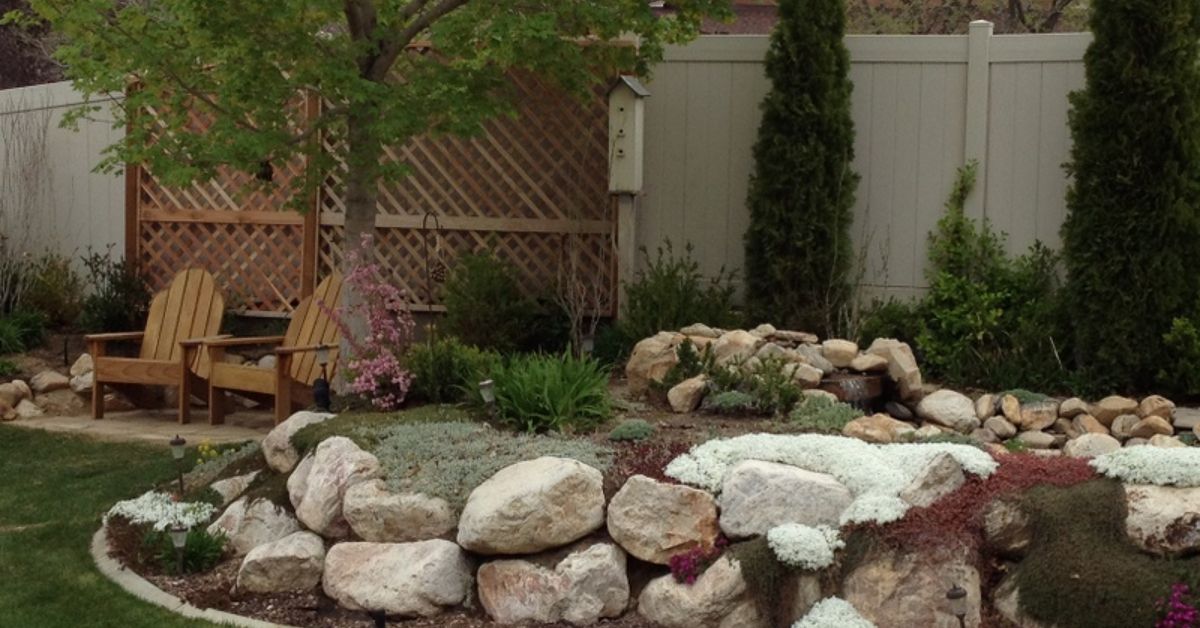
The seating area is where the shady spot becomes usable. A bench, pair of Adirondack chairs, small bistro set, or stone seat wall can all work. Choose furniture that fits the mood of the pond. A wildlife pond may look best with a simple wooden bench. A formal koi pond may call for clean-lined seating and a stone path. A cottage-style pond can handle a slightly whimsical chair, preferably one that does not collapse when someone sits down with lemonade.
Place seating on level, well-drained ground. Gravel is a strong choice because it drains quickly and feels natural near water. Stepping stones can create a charming approach, but make sure they are flat, stable, and not slippery. Mulch is useful for planting beds, but it can wash into ponds during heavy rain, so keep loose organic material away from the immediate edge.
Add a small side table if the space allows. A pond seat without a place for a book, drink, garden gloves, or binoculars is still nice, but a table upgrades it from “brief pause” to “I live here now.”
Control Runoff Before It Reaches the Pond
A beautiful shady pond spot should also protect water quality. Stormwater can carry soil, fertilizer, pesticides, grass clippings, and other debris into the pond. Once those nutrients arrive, algae may treat them like an all-you-can-eat buffet.
Create a planted buffer around the pond wherever possible. A buffer is simply a strip of vegetation between lawn or hardscape and the water. Deep-rooted perennials, grasses, sedges, and shrubs slow runoff, trap sediment, and reduce erosion. Even a modest buffer looks better than a scalped lawn running right to the water’s edge.
If runoff is a serious issue, consider adding a rain garden uphill from the pond. A rain garden is a shallow planted basin that captures and filters stormwater before it moves across the yard. It should drain after storms rather than remain permanently wet. When planted with moisture-tolerant native perennials, it can become both a practical filter and a gorgeous companion feature.
Make the Space Wildlife-Friendly
A shady spot by the pond should feel alive. Birds may come to drink. Dragonflies may patrol the surface. Frogs may appear with the confidence of tiny landlords. To support wildlife, use varied plant heights, avoid unnecessary chemicals, and include gentle access points such as shallow edges, stones, or logs.
Do not make the pond edge too sterile. Perfectly trimmed edges may look neat, but wildlife prefers hiding places. A few rocks, clumps of sedge, and low-growing plants create shelter. If children or pets use the yard, design safe boundaries and visible paths while still leaving pockets of habitat.
Night lighting should be gentle. Bright lights around a pond can disrupt insects and nocturnal animals. Use low, shielded, warm-toned lighting only where needed for safe walking. The goal is not to turn the pond into a hotel lobby.
Keep Maintenance Realistic
The best shady pond spot is one you can maintain without developing a personal grudge against your own garden. Choose plants that fit your climate. Avoid known invasive aquatic plants. Prune fast growers. Remove fallen leaves before they sink and decay. Keep pumps, filters, and fountains clean if your pond uses them.
Plan seasonal tasks. In spring, divide crowded plants and refresh mulch away from the pond edge. In summer, monitor water level and algae growth. In fall, net leaves or skim regularly. In winter, protect pumps and tender plants according to your region. A pond is not maintenance-free, but smart design keeps it from becoming a second job with worse coffee.
Small Pond? You Can Still Create Shade
You do not need a grand estate pond with swans and a mysterious stone bridge. A small backyard pond, container pond, or patio water garden can still have a shady retreat. Use a large potted shrub, a patio umbrella, a trellis, or a cluster of tall planters to create enclosure. Add a narrow bench or one comfortable chair. Use miniature hostas, ferns, creeping jenny, or other appropriately scaled plants in containers.
For tiny spaces, the sound of water becomes especially powerful. A small bubbler or fountain can mask neighborhood noise and make the area feel private. Just keep water moving and maintain the pump so the feature sounds like a gentle stream, not a dishwasher having an emotional episode.
Common Mistakes to Avoid
One common mistake is creating too much shade over the water itself. While shade can reduce heat and glare, many pond plants need sun, and a dark pond may struggle to support flowering aquatics. Another mistake is planting aggressive species without checking local restrictions. Some aquatic plants are beautiful in a pot and chaotic in natural waterways.
Another issue is placing seating too close to unstable banks. Water edges shift, especially after rain. Build the sitting area on firm ground and use plants to stabilize the transition. Finally, do not forget the view from inside the house. A shady pond nook should look inviting from the kitchen window, porch, or path. Good garden design works from both directions: where you sit and where you admire it from while pretending to do dishes.
Experience: What a New Shady Spot by the Pond Really Feels Like
The first thing you notice after creating a shady pond spot is not the plants, the bench, or even the water. It is the temperature. Step out of the sun and into that dappled shade, and the whole yard seems to lower its voice. The air feels softer. The pond surface stops glaring and starts reflecting. Even ordinary ripples look more interesting when framed by leaves.
In real use, the spot quickly develops a personality. Morning visits feel fresh and observant. You notice small movements: a fish nosing beneath a lily pad, a bird hopping along the stones, a fern uncurling like it has a tiny secret. By midday, the shade becomes practical. It is where you go when the lawn is too bright, the patio is too hot, and the garden chores are making persuasive arguments for quitting.
The most enjoyable pond spots are not overdesigned. They leave room for nature to participate. A perfectly arranged space may photograph well, but a slightly relaxed pond corner feels better. A clump of sedge leaning over the edge, a few leaves floating briefly on the surface, a frog choosing the best rock like a tiny monarchthese details make the space feel alive.
There is also a maintenance lesson hidden in the experience. The plants closest to the water matter more than expected. Once they fill in, they soften the hard line between land and pond. They catch runoff, hide liner edges, and make the whole feature look intentional. Without them, even an expensive pond can look unfinished. With them, even a modest pond can feel like a small ecosystem.
Seating changes how often the pond gets used. Before a bench or chair arrives, people may walk past the pond and say, “Nice.” After seating appears, they stop. They listen. They notice reflections, insects, water movement, and the way shade shifts across the day. A place to sit turns scenery into experience.
One of the best surprises is how the shady spot changes daily routines. Coffee tastes better there, even if it is the same coffee you drink while answering emails. Reading feels easier because the background sound of water gives the mind something gentle to hold onto. Conversations become slower. Even five minutes beside the pond can feel like a reset button, especially when the rest of the day is determined to behave like a crowded inbox.
The biggest practical tip from experience is to start simple. Build the stable surface first. Add one good seat. Plant the backbone shrubs and moisture-loving perennials. Then watch the space for a season before adding more. The pond will tell you what it needs: more screening, better footing, fewer leaves, more flowers, or maybe just a second chair because apparently everyone else discovered your hiding place.
Conclusion: A Small Shade Project With Big Garden Energy
A new shady spot by the pond can transform a backyard from merely attractive to genuinely livable. It blends comfort, ecology, and design in a way few garden projects can. With thoughtful shade, stable seating, moisture-loving plants, runoff control, and realistic maintenance, the pond becomes more than a water feature. It becomes a destination.
The best version of this space does not shout for attention. It invites it quietly. It gives you a cool place to sit, a better view of the water, and a richer relationship with the garden. Add the right plants, respect the pond edge, and keep the design comfortable rather than complicated. Before long, that shady corner may become the most popular room of the housedespite having no walls, no roof, and a frog who refuses to pay rent.