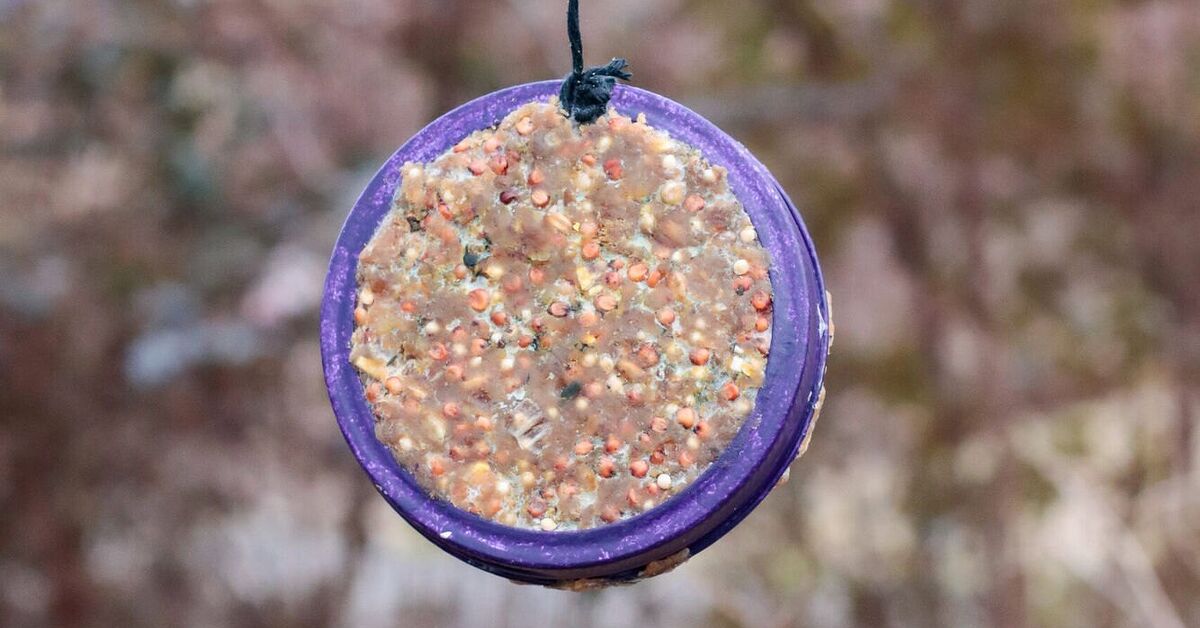
A DIY mason jar bird feeder is one of those backyard projects that feels almost suspiciously simple. You take a humble glass jar, add a few basic supplies, fill it with birdseed, hang it outside, and suddenly your yard becomes the neighborhood café for chickadees, cardinals, finches, titmice, nuthatches, and any squirrel with Olympic ambitions. It is charming, budget-friendly, reusable, and just rustic enough to make your patio look like it has its own Pinterest account.
But a good homemade bird feeder is not only about looking cute. It should also be safe, easy to clean, sturdy in the wind, and practical for the birds you want to attract. The best DIY bird feeder ideas combine craftiness with common-sense bird care: fresh seed, drainage, smart placement, predator awareness, and regular cleaning. This guide walks you through how to make a mason jar bird feeder step by step, how to choose the right birdseed, where to hang it, and how to keep your feathered visitors healthy. No advanced carpentry required. If you can tighten a lid and resist eating the sunflower seeds yourself, you are qualified.
Why Make a Mason Jar Bird Feeder?
Mason jars are practically the superheroes of the craft drawer. They store jam, organize buttons, hold iced coffee, become wedding centerpieces, and now, apparently, feed birds. Their clear glass makes it easy to see when seed is running low, their wide mouth is simple to refill, and their sturdy body holds up better than many flimsy plastic containers.
A mason jar bird feeder is also an excellent upcycling project. Instead of buying another mass-produced feeder, you can reuse a jar you already own and pair it with inexpensive hardware, a small dish, copper wire, twine, or a feeder base. The result can be farmhouse-style, modern, kid-friendly, or proudly “I made this in the garage while drinking coffee.”
There is another reason this project is worth doing: backyard bird feeding can make you more aware of local wildlife. Once birds start visiting, you begin noticing seasonal patterns, favorite foods, and little personality quirks. The cardinal may act like royalty. The chickadee may grab one seed and flee like it just robbed a bank. The blue jay may arrive as if it owns the deed to your property.
What You Need to Make a DIY Mason Jar Bird Feeder
You can build this feeder in several ways, but the easiest version uses a mason jar as the seed reservoir and a small dish or feeder base as the feeding tray. The goal is simple: seed should flow slowly from the jar into a shallow area where birds can perch and eat.
Basic Materials
- One clean mason jar, pint or quart size
- A chick feeder base, small metal tray, or shallow saucer
- Strong twine, copper wire, chain, or a metal hanging hook
- Drill with glass-safe or metal-safe bit, if modifying a lid or tray
- Small eye screw, S-hook, or hanging ring
- Weather-resistant adhesive or strong wire, depending on design
- Birdseed such as black oil sunflower seed, sunflower hearts, safflower seed, or a quality no-filler mix
- Optional: small wooden dowel or twig perches
If you want the quickest method, use a mason jar with a poultry-style feeder base that screws onto the jar. These bases are often designed for chicks, but they work nicely for a simple seed feeder when used carefully. If you prefer a fully handmade look, attach the jar above a shallow dish and create controlled seed openings near the bottom.
Step-by-Step: How to Make a Mason Jar Bird Feeder
Step 1: Clean and Dry the Jar
Start with a clean mason jar. Wash it with warm, soapy water, rinse it thoroughly, and let it dry completely. Moisture is the enemy of birdseed. Wet seed can clump, spoil, and grow mold, which is bad news for birds and also smells like a science experiment nobody asked for.
Step 2: Choose Your Feeder Base
The simplest design uses a screw-on feeder base. Fill the jar with seed, attach the base, flip the jar over, and the seed settles into the tray. This design is convenient because it is easy to remove, clean, and refill.
If you are using a saucer or shallow dish, make sure it has drainage holes. A bird feeder should never become a tiny birdseed swamp. Drill a few small holes in the bottom of the tray so rainwater can escape. If you use a ceramic or glass dish, choose one that is strong enough for outdoor use and avoid sharp edges.
Step 3: Create a Secure Hanger
A full glass jar can be heavy, so do not trust a thin ribbon unless your goal is dramatic slow-motion failure. Wrap strong wire around the neck of the jar several times, twist it securely, and create a loop for hanging. Copper wire looks beautiful and ages nicely outdoors, but galvanized wire or small chain can also work.
Another option is to use a mason jar lid with a drilled hole and an eye bolt. The eye bolt must be tightened with washers and a nut so the jar hangs evenly. Test the hanger indoors over a towel before taking it outside. If it survives a gentle shake, you are on the right track. If it launches birdseed across the kitchen, congratulations: you have invented indoor confetti.
Step 4: Add Perches, If Needed
Many small birds can perch on the rim of a feeder base, but a short wooden dowel or natural twig can make feeding easier. Keep perches modest. Oversized perches may invite larger birds or squirrels to settle in like they booked a brunch reservation.
Attach perches securely and avoid treated wood, peeling paint, or anything with splinters. Natural, untreated twigs are a good choice as long as they are sturdy and clean.
Step 5: Fill With the Right Seed
For a general backyard bird feeder, black oil sunflower seed is one of the best all-around choices. It attracts many common seed-eating birds and has a thin shell that is easier for small birds to crack. Sunflower hearts are even cleaner because they have no hulls, but they can spoil faster when wet, so use them in smaller amounts and clean the feeder often.
Safflower seed is a smart option if squirrels are treating your feeder like a free buffet. Many birds, including cardinals, will eat safflower, while squirrels are often less enthusiastic. Nyjer seed is excellent for finches, but it needs a feeder with tiny ports, so it is not ideal for most open mason jar designs.
Avoid cheap seed mixes loaded with fillers such as red milo if the birds in your area ignore it. Filler seed often gets kicked to the ground, where it can attract rodents, raccoons, and other uninvited night-shift snackers.
Step 6: Hang the Feeder in a Smart Location
Hang your DIY mason jar bird feeder where you can see it, but also where birds feel safe. A good location is near shrubs or trees that provide quick cover, but not so close that cats can hide and ambush feeding birds. A distance of about 10 to 12 feet from dense low cover is often a practical balance.
Window safety matters too. Feeders placed either very close to windows or farther away can reduce collision risk. The danger zone is often the middle distance, where birds can build up speed if startled. If birds frequently fly near your windows, add window decals, screens, cords, or other visual markers to make the glass easier for them to see.
Best Birdseed for a Homemade Mason Jar Feeder
The seed you choose determines who shows up. Think of it as writing the menu for a tiny outdoor restaurant.
Black Oil Sunflower Seed
This is the classic choice for attracting a wide variety of backyard birds. Cardinals, chickadees, nuthatches, titmice, grosbeaks, and finches often enjoy it. The shells can create mess underneath the feeder, so sweep or rake the area regularly.
Sunflower Hearts
Sunflower hearts are shelled sunflower seeds. Birds love them, and they reduce hull waste. The downside is that they can become mushy or spoiled in wet weather, so they are best used in feeders with good drainage and frequent cleaning.
Safflower Seed
Safflower is especially useful if you want to attract cardinals while discouraging some squirrels and bully birds. Results vary by neighborhood, because squirrels, like teenagers, do not always follow the rules.
Peanuts and Mealworms
Peanut pieces can attract woodpeckers, jays, chickadees, and nuthatches, but they should be unsalted and fresh. Mealworms can be helpful during nesting season because many birds rely on protein-rich insects. Use these foods sparingly in a mason jar feeder and avoid anything oily, salty, seasoned, or spoiled.
How to Keep Your Mason Jar Bird Feeder Safe and Clean
A bird feeder is not a “set it and forget it” decoration. It is more like a tiny diner with wings, and diners need clean plates. Dirty feeders can spread disease when old seed, droppings, feathers, and moisture collect around feeding areas.
Clean your feeder at least every two weeks, and more often during warm, rainy, or humid weather. Take the feeder apart, discard old seed, scrub all surfaces with warm, soapy water, rinse well, and sanitize with a diluted bleach solution or vinegar solution. Let everything dry completely before refilling. Drying is not optional; it is the part where you stop mold from moving in and redecorating.
Also clean the ground below the feeder. Rake up hulls, spilled seed, and debris. This reduces mold, discourages rodents, and keeps the feeding area healthier. If you notice sick birds, unusually low activity, moldy seed, bad odors, or pests, take the feeder down, clean it thoroughly, and pause feeding for a while if necessary.
How to Make the Feeder More Squirrel-Resistant
No homemade feeder is truly squirrel-proof unless it is guarded by a tiny legal department and maybe a moat. Still, you can make squirrel raids less likely.
Hang the feeder from a pole with a baffle rather than directly from a tree branch. Keep it several feet off the ground and away from fences, roofs, trunks, and other launching pads. Squirrels are excellent jumpers, and they approach feeder placement like a physics exam they intend to pass.
A metal baffle below the feeder can prevent squirrels from climbing up the pole. If the feeder hangs from above, a dome baffle can help block access from the top. You can also try safflower seed, which some squirrels dislike. Avoid coating seed with anything unsafe or messy. The goal is to feed birds responsibly, not start a backyard prank channel.
Common Mistakes to Avoid
Using Wet or Moldy Seed
If seed looks clumped, smells musty, or appears damp, throw it out. Birds need fresh food, not mystery casserole.
Forgetting Drainage
Any tray or dish attached to the jar should drain rainwater. Without drainage, seed spoils quickly.
Hanging It Too Close to Predator Cover
Birds appreciate nearby escape cover, but feeders should not be placed where cats can hide close by. Keep domestic cats indoors when possible to protect wild birds.
Making It Too Heavy or Unbalanced
A quart jar filled with seed can be surprisingly heavy. Use strong hanging materials and test the feeder before hanging it high.
Ignoring Local Wildlife Conditions
If your area has disease alerts or wildlife feeding restrictions, follow local guidance. Responsible feeding means knowing when to clean, when to pause, and when to let native plants do more of the work.
Decorating Ideas for a Mason Jar Bird Feeder
Your feeder can be practical and pretty. Paint the metal lid, wrap the jar neck with jute twine, add a small weatherproof charm, or use copper wire for a vintage garden look. Keep decorations outside the feeding area so birds do not peck paint, glue, glitter, or tiny pieces that could come loose.
If kids are helping, let them decorate a wooden hanger board or paint a sign that says “Bird Café,” “Seed Station,” or “No Squirrels Allowed,” which squirrels will ignore with breathtaking confidence. Use non-toxic, outdoor-safe paint and keep it away from surfaces that touch seed.
Creating a Bird-Friendly Backyard Around the Feeder
A feeder works best when it is part of a larger bird-friendly yard. Native plants provide seeds, berries, nectar, shelter, and insects. Many birds rely on insects, especially when raising young, so a yard with native shrubs, flowers, and trees can support species that never visit a seed feeder.
Add a clean birdbath, avoid pesticides when possible, leave some leaf litter in garden beds, and plant a variety of native vegetation. A mason jar bird feeder is a wonderful starting point, but habitat is the real five-star resort.
Troubleshooting Your DIY Bird Feeder
Birds Are Not Visiting
Give it time. Birds may need several days or even weeks to discover a new feeder. Place it where birds can see it, use high-quality seed, and keep the area calm. Moving the feeder every afternoon because you are impatient will not help. Birds like consistency; they are not fans of surprise real estate changes.
Seed Is Pouring Out Too Fast
The feeding openings may be too large. Reduce the gap between the jar and tray, use a proper feeder base, or add a small barrier to slow the flow.
Seed Is Not Flowing at All
The seed may be too large, damp, or packed too tightly. Try smaller seed, make sure the jar is dry, and gently shake the feeder after filling.
Large Birds Are Taking Over
Use smaller perches, choose seed that favors smaller songbirds, or place the feeder near cover that small birds can use. You can also offer a separate platform feeder elsewhere to reduce crowding.
Extra Experience: Lessons From Making and Using a DIY Mason Jar Bird Feeder
The first thing you learn after making a DIY mason jar bird feeder is that birds are cautious little inspectors. You may hang your beautiful new feeder, step back proudly, and expect an immediate Disney-style bird parade. Instead, nothing happens. The feeder swings gently. The yard is quiet. A squirrel watches from the fence with the expression of a contractor estimating weaknesses.
Then, one brave chickadee appears. It lands, grabs a seed, and disappears in half a second. That tiny visit is strangely thrilling. After that, more birds begin to notice. A tufted titmouse may test the perch. A cardinal may sit nearby, pretending it is above such things before finally dropping in for dinner. Finches may arrive in a group and turn the feeder into a gossip meeting.
One practical lesson is that smaller jars are easier to manage. A quart jar looks impressive, but when full, it can be heavy. If your hanger is not perfectly balanced, the feeder may tilt, spilling seed unevenly. A pint jar often works better for beginners because it is lighter, easier to clean, and encourages you to refill with fresh seed more often.
Another lesson: drainage matters more than decoration. A gorgeous feeder with poor drainage becomes a soggy mess after one storm. If seed sits wet overnight, birds may avoid it, and you will have to clean everything sooner than expected. Small drainage holes in the tray make a big difference, especially in humid climates or rainy seasons.
Placement is also a learning curve. Hang the feeder too close to a tree, and squirrels may treat it as a snack jar with convenient handles. Hang it too far from cover, and small birds may feel exposed. A shepherd’s hook with a baffle often works better than a random branch. If you want to enjoy the view from a kitchen window, make the window safer with decals or other visual markers.
Cleaning becomes part of the rhythm. At first, you may think, “It still looks fine.” Then you notice seed dust, hulls, and a little grime in the tray. Once you wash and refill it, bird activity often improves. Fresh food and a clean feeder are more attractive. Birds may be tiny, but they have standards.
You may also discover that different seeds change the guest list. Black oil sunflower seed brings variety. Sunflower hearts reduce mess but need more attention in wet weather. Safflower can help if squirrels are too bold, though some birds need time to accept it. Cheap seed mixes may look like a bargain, but if half of it lands on the ground uneaten, the savings are mostly imaginary.
The best experience is how the feeder changes your relationship with your yard. You start noticing morning routines, weather patterns, and bird behavior. You learn that birds prefer quiet moments, that fresh water matters, and that native plants bring life beyond the feeder. A mason jar bird feeder is a small project, but it opens the door to a bigger habit: paying attention.
And yes, there will be squirrels. There are always squirrels. Consider them the unpaid quality-control department. If they defeat your first design, adjust the placement, add a baffle, or switch seed. DIY is not about perfection on the first try. It is about learning, improving, and occasionally laughing as a squirrel hangs upside down like a furry circus performer.
Conclusion
A DIY mason jar bird feeder is a simple, affordable, and rewarding way to bring more wildlife into your backyard. With a clean jar, a sturdy feeder base, fresh seed, smart placement, and regular maintenance, you can create a feeder that looks charming and supports visiting birds responsibly. The key is to think beyond the craft: drainage, cleaning, predator safety, and seed quality matter just as much as the rustic mason jar style.
Whether you are making this project with kids, decorating a garden corner, or trying to become the most popular bird restaurant on the block, this homemade bird feeder is a great place to start. Build it well, keep it clean, and let the birds handle the entertainment.
Note: This article is based on widely accepted backyard bird-feeding practices from U.S. birding, wildlife, gardening, and DIY resources. Always follow local wildlife guidance, especially during disease outbreaks or regional feeding advisories.