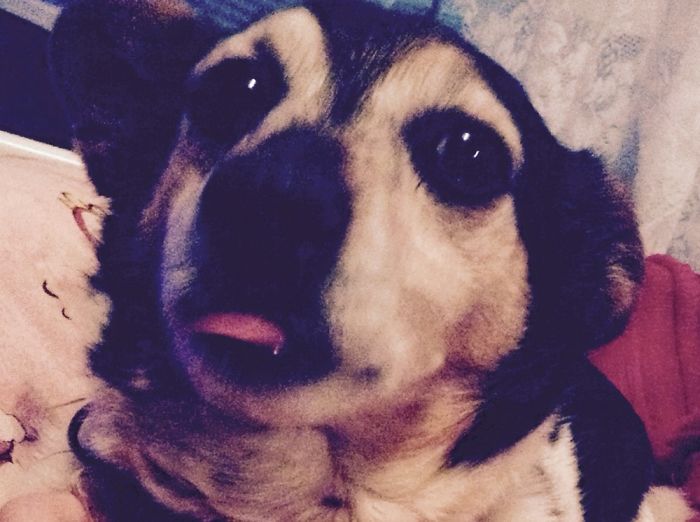
Warning: this article contains dangerous levels of tail wags, soft eyes, tiny dramatic sighs, and one dog named Smooch who may cause sudden baby talk in otherwise normal adults. Proceed with treats.
Every dog owner believes their dog is the cutest dog on Earth. This is not a flaw in human judgment. It is a feature. Dogs have spent thousands of years becoming our companions, and somewhere along the way they learned that a tilted head, a paw on the knee, and a look that says “I have never eaten in my life” can melt the strongest human heart. Smooch, as the name suggests, has mastered the art.
“My Dog Smooch” is more than a cute pet story. It is a celebration of the human-dog bond, responsible dog care, positive training, playful routines, and the sweet chaos that comes with living beside a four-legged comedian. Whether your dog is a fluffy lap warmer, a couch hog, a backyard explorer, or a certified crumb inspector, the truth is the same: dogs make everyday life feel warmer, sillier, and a lot less lonely.
Why Dogs Like Smooch Feel So Irresistibly Cute
Dog cuteness is not only about big eyes and floppy ears, although Smooch would like the record to show that both are important. Dogs communicate through body language, facial expression, posture, sound, and movement. A relaxed wagging tail, soft eyes, loose body, play bow, and happy little bounce can tell us a dog feels safe, curious, or excited.
That is why a dog doing something simplewaiting by the door, carrying a toy, rolling over for a belly rubcan feel like a full entertainment program. Dogs are expressive. They react to our tone, routines, emotions, and gestures. Many owners notice their dogs watching them closely, waiting for clues: Is it walk time? Snack time? Did someone say “outside”? Did the refrigerator door open, and if so, is cheese involved?
Smooch’s cuteness probably comes from this magical mix: affection, personality, trust, and timing. A dog does not need to perform circus tricks to be charming. Sometimes the most adorable moment is simply a sleepy dog resting their chin on your foot like your toes are a luxury pillow.
The Human-Dog Bond: More Than Just “Aww”
The bond between people and dogs is powerful because it is built through daily rituals. Feeding, walking, grooming, training, play, and quiet companionship all teach a dog that their person is safe and reliable. In return, dogs offer loyalty, routine, and emotional presence. They do not care whether your hair looks like a weather event. They are simply thrilled you came home.
Dogs can encourage people to be more active, spend more time outdoors, and keep a steadier daily schedule. A morning walk with Smooch may begin as “just five minutes,” but suddenly you are outside noticing the sky, waving at neighbors, and negotiating with a dog who believes every leaf deserves a formal investigation.
Companionship is another major reason dogs matter. A dog in the home can make ordinary moments feel shared. Watching TV? Smooch is there. Folding laundry? Smooch is sitting on the clean towels with the confidence of a small landlord. Working from home? Smooch is under the desk, supervising productivity and possibly snoring during important meetings.
What Smooch’s Cute Behaviors Might Mean
Dogs are cute, but they are also communicating. Understanding common dog behaviors helps owners respond with patience instead of confusion.
The Head Tilt
The head tilt is the official logo of dog cuteness. When Smooch tilts their head, it may mean they are focusing on a sound, studying your face, or trying to understand what comes next. It also means the human in the room is legally required to say, “Oh my goodness.”
The Lean
Some dogs lean against their people for affection, comfort, or security. A gentle lean can be a dog’s way of saying, “You are my person, and also I have decided your leg is furniture.” If the behavior is relaxed and welcome, it can be a sweet sign of trust.
The Paw Tap
A paw on your arm might be a request for attention, play, food, or reassurance. Smooch may not speak English, but the paw tap is a strong opening argument. The key is to reward polite behavior and avoid accidentally teaching pushy habits.
The Zoomies
Sudden bursts of running, spinning, and joyful chaos are often called zoomies. They can happen after baths, during play, or when a dog has extra energy. Smooch may appear to be training for the living room Olympics. Clear the coffee table and admire the athletic performance.
Responsible Dog Care Keeps the Cuteness Healthy
A cute dog still needs structure. Love is important, but love plus good care is the real winning combination. Responsible dog ownership includes regular veterinary care, nutritious food, fresh water, exercise, grooming, identification, training, and a safe environment.
Exercise needs vary by age, breed, size, and health. Some dogs need long walks and games, while others prefer shorter outings and cozy indoor play. Mental exercise matters too. Puzzle toys, scent games, basic training, and safe chew options can help prevent boredom. A bored Smooch may invent a hobby, and that hobby may involve your socks.
Grooming is another part of healthy dog life. Brushing helps reduce shedding and keeps the coat more comfortable. Nail trims, ear checks, dental care, and flea and tick prevention also matter. The goal is not just to make Smooch camera-ready, although that is a bonus. The goal is comfort, cleanliness, and early awareness of possible health issues.
Positive Training: Teaching Without Crushing the Spark
The best training does not make a dog less joyful. It helps that joy fit safely into family life. Positive reinforcement focuses on rewarding behaviors you want to see again. Treats, praise, toys, and play can all become rewards, depending on what your dog loves most.
For Smooch, training can be part of bonding. A short session teaching “sit,” “stay,” “come,” or “leave it” is not just obedience practice. It is communication. The dog learns, “When I listen, good things happen.” The human learns, “My dog is brilliant, especially when snacks are involved.”
Short, cheerful training sessions usually work better than long lectures. Dogs do not need a motivational seminar. They need clear cues, consistent rewards, and patient repetition. If Smooch gets confused, simplify the task. If Smooch succeeds, celebrate like they just won a national spelling bee.
Making a Dog-Friendly Home for Smooch
A dog-friendly home is not about buying every pet product ever invented. It is about safety, comfort, and routine. Smooch needs a cozy resting place, access to water, safe toys, supervised play, and a predictable schedule. Dogs often feel more secure when they understand the rhythm of the day.
Keep dangerous foods, medications, cleaning supplies, small choking hazards, and electrical cords out of reach. Secure trash cans if your dog believes garbage is a buffet with a lid. Provide enrichment that encourages natural dog behaviors such as sniffing, chewing, searching, and problem-solving.
One easy enrichment idea is a “sniff walk.” Instead of rushing through the route, let Smooch explore smells safely. To a dog, a patch of grass can be a neighborhood newspaper. Every tree has breaking news. Every mailbox has gossip. Letting a dog sniff can be mentally satisfying and calming.
Social Media and the Too-Cute Dog Era
In the age of pet photos, Smooch is not just a dog. Smooch is content. A single picture of a dog wearing a confused expression can outperform a carefully planned lifestyle post. Why? Because dogs feel real. They are messy, honest, funny, and emotionally direct.
Still, cute dog content should respect the dog. Avoid forcing costumes, poses, or situations that make a pet uncomfortable. Watch for signs of stress such as turning away, tucked tail, stiff posture, lip licking, yawning out of context, or trying to leave. The best photos happen when the dog is relaxed, safe, and allowed to be themselves.
For a blog post about “My Dog Smooch,” strong SEO can come from natural storytelling. Use phrases like cute dog, adorable dog moments, dog personality, pet care tips, human-dog bond, dog enrichment, and positive dog training. Search engines reward useful, original content, but readers stay for personality. In other words: write for humans, sprinkle in keywords, and let Smooch handle the charm.
How to Capture Smooch’s Personality in Writing
A great pet story needs specific details. Instead of writing, “My dog is cute,” describe the moment. Does Smooch steal your warm spot on the couch? Does Smooch bark at the vacuum like it owes money? Does Smooch bring you a toy whenever you come home, then refuse to release it because apparently this is a museum exhibit?
Specific examples make the story memorable. Readers may not know Smooch, but they know the feeling of being loved by a dog. They know the happy dance at the door, the hopeful stare during dinner, the dramatic collapse after a walk, and the tiny sigh of betrayal when bath time begins.
Good pet writing also balances humor with care. The funniest dog stories are usually built on affection, not mockery. Smooch can be silly, stubborn, clingy, dramatic, and ridiculous, but the tone should always show love. A dog’s quirks are not flaws. They are the tiny plot twists that make life better.
Why Smooch Is “Too Cute To Handle”
Smooch is too cute to handle because cuteness is not only appearance. It is personality in motion. It is the way a dog turns a boring Tuesday into a tiny parade. It is the way they make a hallway feel like a reunion airport. It is the way they believe every snack might be shared, every blanket is communal property, and every visitor has arrived specifically to admire them.
That kind of cuteness is powerful because it is connected to love. A dog becomes adorable not just because of how they look, but because of the relationship behind each moment. The same bark that might sound ordinary to someone else becomes “Smooch’s announcement voice.” The same paw print on the floor becomes evidence of a beloved little roommate. The same sleepy face becomes the reason your phone storage is full.
Experience Section: Life With Smooch, the Four-Legged Heart Thief
Living with a dog like Smooch is a daily reminder that happiness often arrives on four paws and tracks a little dirt through the kitchen. The experience begins in the morning, usually before the alarm has earned the right to speak. Smooch wakes up with the urgency of a tiny manager running a very important company. There is stretching, yawning, collar jingling, and then the famous look: “Human, the day has started. Please report for duty.”
The first walk is never just a walk. It is a neighborhood inspection. Smooch checks the sidewalk, the grass, the suspicious bush, and the one fence post that apparently receives international messages overnight. Every smell must be reviewed. Every squirrel must be acknowledged. Every passing dog is either a potential friend, a mystery, or a celebrity. Meanwhile, the human stands patiently, holding the leash and wondering how one small nose can have such a busy schedule.
At home, Smooch becomes a professional shadow. Go to the kitchen? Smooch follows. Go to the bedroom? Smooch follows. Go to the bathroom? Smooch believes privacy is a rumor invented by cats. This constant companionship can be funny, but it is also deeply comforting. There is something special about being chosen again and again by a creature who simply wants to be near you.
Meal times are a full dramatic production. Smooch may have a perfectly good bowl of food, but human food has a powerful emotional advantage. A sandwich becomes fascinating. A banana becomes suspicious but worth investigating. Cheese becomes a spiritual event. The key is consistency: healthy boundaries, safe treats, and no giving in to the “starving artist” performance unless it fits the rules. Smooch may disagree with the policy, but management must remain strong.
Playtime is where Smooch’s personality shines brightest. A favorite toy is not merely a toy; it is a treasure, a trophy, and sometimes a hostage. Fetch may turn into keep-away. Tug may turn into victory laps. A squeaky toy may become the soundtrack of the household for ten unforgettable minutes. These games are more than entertainment. They build trust, burn energy, and give Smooch a healthy way to express excitement.
Then come the quiet moments, the ones that do not always make it into photos but stay in memory. Smooch resting beside you after a long day. Smooch placing a chin on your knee while you work. Smooch sighing in their sleep, paws twitching as if chasing dream rabbits across a dream field. These moments explain why dog owners talk about their pets like family. Because they are familynot in a complicated way, but in the simple, steady way of shared routines and unconditional affection.
The truth is, having a dog like Smooch changes the atmosphere of a home. The rooms feel less empty. The days have more rhythm. The smallest events become stories. A muddy paw print becomes evidence of adventure. A stolen sock becomes a comedy scene. A wagging tail at the door becomes the best welcome in the world.
So yes, Smooch is too cute to handle. But that is exactly the point. Dogs like Smooch do not just decorate our lives with cuteness. They teach patience, responsibility, humor, and presence. They remind us to go outside, stretch, play, forgive quickly, nap proudly, and greet the people we love like they are the most exciting news of the day.
Conclusion
“My Dog (Smooch) Warning: To Cute To Handle!!” is really a story about why dogs become such important parts of our lives. Smooch may be adorable, funny, dramatic, and possibly guilty of toy-related negotiations, but behind every cute moment is something meaningful: trust, companionship, routine, and care.
When we give dogs structure, kindness, exercise, enrichment, veterinary care, and positive training, they give us something priceless in return. They make ordinary life feel full. They turn homes into happier places. They remind us that love can be loud, furry, goofy, and occasionally covered in grass.
Note: This article is original, written in standard American English, and synthesized from reputable pet care, veterinary, animal welfare, and dog behavior guidance without adding source links, as requested.