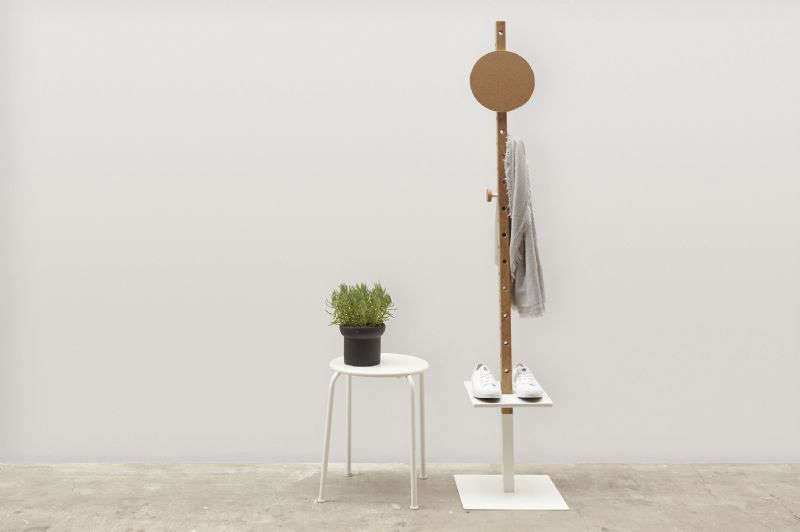
The front door is a tiny stage where daily life performs its most chaotic scenes: keys vanish, scarves migrate, tote bags collapse like tired pets, and someone always asks, “Has anyone seen my sunglasses?” The Dot Stand Coat & Accessory Stand steps into that drama with the calm confidence of a minimalist butler. It does not shout. It does not bulk up the hallway. It simply stands there, slim and useful, ready to catch coats, bags, hats, accessories, and all the little objects that otherwise end up vacationing under the sofa.
At its heart, the Dot Stand is a modern freestanding coat stand designed for compact living. It belongs to the growing family of flexible entryway storage solutions that favor vertical organization, clean materials, and adaptable accessories over heavy furniture. Instead of asking for a mudroom, a built-in closet, or a mansion with a dedicated “umbrella wing,” it works with the real spaces many people have: apartments, narrow halls, bedrooms, studio corners, offices, guest rooms, and small foyers.
What makes this piece interesting is not only that it holds things. Plenty of objects can hold a coat, including one unlucky dining chair. The difference is intention. The Dot Stand combines oak, a powder-coated steel base, hooks, a shelf, and a pinboard-style function in a lean format. That mix turns everyday storage into a neat daily ritual. Hang the jacket. Drop the keys. Pin the reminder. Place the wallet. Walk away feeling like an organized adult, even if your laundry basket knows the truth.
What Is the Dot Stand Coat & Accessory Stand?
The Dot Stand Coat & Accessory Stand is a freestanding storage piece created for coats and everyday accessories. It is best understood as a slim, movable entryway organizer rather than a traditional coat tree. A classic coat tree is mostly a pole with hooks. Useful? Yes. Exciting? Only if it falls over during a dinner party. The Dot Stand takes the idea further by adding a more architectural frame, a useful shelf, and a pinboard-like surface for daily notes, cards, reminders, or small visual cues.
The design language comes from modular storage thinking: components should be useful, visually light, and flexible enough to work in different rooms. The oak elements bring warmth, while the powder-coated steel base gives the piece stability and a modern edge. The result feels part coat rack, part accessory station, part tiny command center for people who would rather not start every morning by hunting for a missing tote bag.
Because it is freestanding, the Dot Stand does not require wall mounting. That is excellent news for renters, commitment-phobes, and anyone who has ever stared at a plaster wall while holding a drill and suddenly questioned every life choice. A freestanding coat and accessory stand can be repositioned as needs change. Place it near the front door in winter, move it to a bedroom during a closet reset, or use it in a home office for headphones, a work bag, and a blazer that says, “I have a meeting,” even if the meeting is on mute.
Why a Freestanding Coat Stand Still Matters
Modern homes often have a storage problem hiding in plain sight. Closets get overfilled. Entryways become bottlenecks. Chairs become coat racks. Floors become bag storage. The Dot Stand solves a common issue by giving everyday items a clear vertical home. That is the big secret behind effective organization: items need a destination that is easier than dropping them somewhere random.
A freestanding coat stand works especially well in spaces where wall hooks are not ideal. Maybe the wall is tiled, textured, brick, rented, or already full of art. Maybe the household needs flexible storage for guests. Maybe the entryway is narrow and cannot handle a bulky hall tree. A slim coat and accessory stand offers the function of hooks without the permanence of installation.
It also encourages a better “drop zone.” A drop zone is a dedicated place for the items you use when coming and going: coats, keys, wallets, sunglasses, dog leashes, umbrellas, scarves, hats, reusable shopping bags, and mail that you swear you will deal with later. When these objects have one landing spot, mornings become smoother. The house looks calmer. Nobody has to ask the sofa if it has seen the car keys.
Design Analysis: Minimal, Warm, and Practical
Oak for Warmth
Oak is a smart material choice for modern storage because it softens the look of functional furniture. Metal alone can feel industrial; wood alone can feel rustic or heavy. Together, oak and powder-coated steel create balance. The wood makes the stand feel friendly and natural, while the steel keeps it crisp and contemporary.
Powder-Coated Steel for Strength
A coat stand needs stability. Coats can be surprisingly heavy, especially wool coats, rain jackets, winter parkas, and the mysterious “bag of things” that everyone carries but no one can explain. Powder-coated steel offers durability and a smooth finish, helping the base resist everyday wear while supporting the slim structure.
A Shelf for Small Essentials
The shelf is where the Dot Stand becomes more than a hanger. A shelf can hold keys, glasses, a small tray, a wallet, a compact plant, a candle, or outgoing mail. In an entryway, that small horizontal surface can save a surprising amount of time. It is not meant to become a junk drawer without the drawer, of course. The best use is intentional: one tray, one daily item group, and no fossilized receipts from 2022.
A Pinboard Function for Visual Reminders
The pinboard-style element adds personality and planning power. It can hold a note, a postcard, a transit pass reminder, a child’s school form, or a small decorative card. In a home office, it can carry a weekly reminder or a motivational quote. In a hallway, it can politely shout, “Return library books,” without actually shouting.
Best Places to Use the Dot Stand
Entryway or Foyer
The most obvious place for the Dot Stand is near the front door. It catches outerwear and accessories before they spread across the home. For small foyers, it creates a compact landing zone without requiring a full entryway bench or cabinet.
Bedroom
In a bedroom, the Dot Stand can function as a next-day outfit station. Hang a jacket, place a watch or glasses on the shelf, and keep a bag ready for the morning. This is particularly useful for people with small closets or capsule wardrobes.
Home Office
A home office often needs a place for headphones, a cardigan, a laptop bag, and notes. The Dot Stand can organize these without adding visual heaviness. It also keeps work accessories off the desk, which is good because the desk already has enough emotional responsibility.
Guest Room
Guest rooms rarely need a full wardrobe, but they do benefit from a place to hang a coat, robe, purse, or travel bag. A freestanding accessory stand gives visitors an obvious spot to unpack lightly without opening every closet like they are investigating a mystery.
Dot Stand vs. Traditional Coat Rack
A traditional coat rack usually focuses on one job: hanging garments. The Dot Stand offers a broader system. It handles coats, but it also supports small-object storage and visual reminders. That makes it better suited for modern routines, especially in homes where the entryway doubles as a launch pad.
Compared with a wall-mounted hook rail, the Dot Stand is more flexible. It can move. It does not require holes in the wall. It can be used seasonally or reassigned to another room. Compared with a hall tree, it is lighter and more compact. A hall tree may include benches, cubbies, and cabinets, but it also takes up more room. The Dot Stand is for people who want the benefit of organization without turning the hallway into a furniture showroom.
Compared with a simple stool or chair used as a clothing pilean extremely common but legally questionable storage systemthe Dot Stand wins easily. A chair covered in coats stops being a chair. The Dot Stand remains exactly what it is: a dedicated place for daily essentials.
How to Style the Dot Stand Coat & Accessory Stand
The best styling approach is restraint. Because the Dot Stand is visually simple, it looks best when it is not overloaded. Hang one or two frequently used coats, a bag, and perhaps a scarf or hat. Use a small tray on the shelf for keys and sunglasses. Add one note, postcard, or small graphic element to the pinboard area. That is enough. The goal is “effortlessly organized,” not “yard sale, but vertical.”
For a Scandinavian-inspired entryway, pair the stand with a neutral rug, a pale wood bench, and a simple mirror. For a warmer modern look, add a woven basket nearby for shoes or winter accessories. In a darker interior, the oak detail can create contrast against charcoal, black, olive, or deep navy walls. In a rental apartment, it can become a movable mini-mudroom: no drilling, no drama, no awkward conversation with the landlord.
Lighting also matters. A small wall sconce, floor lamp, or nearby table lamp can turn the stand into a design feature rather than a purely functional object. Add a plant beside it and suddenly the entryway looks intentional. Your guests may assume you are naturally organized. Let them believe this. It is harmless.
Practical Organization Tips
To get the most from a freestanding coat and accessory stand, use it for daily essentials only. Seasonal overflow belongs elsewhere. If every coat in the house lands on one stand, even the most elegant design will start to look like a wool avalanche. Keep heavy winter gear in a closet or storage bin when not in daily rotation.
Assign the shelf a clear purpose. For example, use it only for keys and sunglasses. If mail starts to pile up, add a separate wall pocket or tray nearby. If bags become the issue, decide which bag gets the hook and which belongs in a closet. Organization is less about buying furniture and more about giving furniture rules. Friendly rules, but rules.
Use the pinboard element for reminders that support routines. A weekly grocery note, a school pickup card, a gym schedule, or a travel checklist can be helpful. Avoid turning it into a museum of expired coupons. The Dot Stand should make life easier, not become a paper-based archaeological site.
Who Should Consider the Dot Stand?
The Dot Stand is ideal for people who want compact, attractive storage with flexibility. It suits renters, apartment dwellers, design lovers, small-space households, busy families, and anyone trying to create order near the door. It is especially helpful for people who dislike bulky entryway furniture but still need a dependable place for coats and accessories.
It is also a strong choice for homes that value visible organization. Some people prefer everything hidden behind doors. Others need daily items in sight or they forget them. The Dot Stand supports the second lifestyle beautifully. It keeps items visible, but arranged. That distinction matters. Visible clutter creates stress; visible order creates momentum.
However, it may not be the best solution for households with many heavy coats, large backpacks, or major shoe-storage needs. In those cases, a larger hall tree, closet system, or bench with cubbies may be more appropriate. The Dot Stand is a focused piece, not a full mudroom replacement. It is a smart assistant, not a storage superhero wearing a cape.
Care and Maintenance
Maintenance should be simple. Dust the oak and steel regularly with a soft cloth. Avoid soaking the wood or using harsh cleaners. For the steel base, a slightly damp cloth can help remove smudges, followed by a dry wipe. If the stand is placed near an exterior door, keep wet umbrellas or dripping raincoats from sitting against wood surfaces for long periods.
Check balance and load distribution occasionally. Freestanding pieces work best when weight is spread evenly rather than loaded heavily on one side. If you hang a heavy coat, balance it with a lighter item opposite it when possible. This is not complicated physics; it is just the furniture equivalent of not carrying all grocery bags in one hand and then blaming gravity.
Buying Considerations Before You Choose One
Before buying the Dot Stand Coat & Accessory Stand, measure the area where it will live. Consider door swing, walkway clearance, nearby furniture, and how people move through the space. A beautiful stand is less charming if everyone bumps into it while carrying groceries.
Next, think about your daily carry items. Do you need hooks for coats and bags? A shelf for keys? A place for notes? A flexible stand makes sense when those needs overlap. If you only need one hook behind a door, a smaller wall hook may be enough. If you need storage for five family members, look for a larger system.
Finally, consider style compatibility. The Dot Stand’s oak and steel combination works well with modern, Scandinavian, Japandi, minimalist, contemporary, and warm industrial interiors. It can also soften a plain hallway by adding texture and structure without visual clutter.
Real-Life Experience: Living With a Coat and Accessory Stand
Using a coat and accessory stand like the Dot Stand changes the mood of a home in small but noticeable ways. The first improvement is usually at the door. Instead of walking in and making a tiny mess with every object in your hands, you have a landing zone. Coat on the hook. Bag on the stand. Keys on the shelf. Sunglasses where they belong. It is a thirty-second routine, but it saves five minutes of future irritation. That is a fair trade, especially before coffee.
In a small apartment, the experience is even more valuable. When square footage is limited, every object needs to earn its keep. A bulky cabinet can make a narrow entry feel crowded, while a slim freestanding stand keeps the floor plan breathable. It gives the impression that the home has an entryway, even if the “entryway” is technically the two-foot area between the door and the sofa. This is the magic of good design: it creates zones where architecture forgot to provide them.
For households with busy mornings, the Dot Stand can become a launch pad. Put the work bag there at night. Add the scarf. Place the wallet and keys on the shelf. Pin a note that says “Bring lunch,” because future you is optimistic but forgetful. The next morning, everything is ready. No frantic search. No dramatic pocket-patting. No accusing innocent family members of stealing your keys when the keys are, in fact, inside yesterday’s jacket.
Guests also benefit from this type of stand. During a dinner party or casual visit, people need an obvious place to put coats and bags. Without one, your bed becomes an unofficial coat check, and someone eventually has to dig through a mountain of outerwear like a fashionable raccoon. A freestanding stand near the door makes hosting feel more polished. Guests understand where things go without needing instructions.
In a bedroom, the experience becomes more personal. The stand can hold tomorrow’s outfit, a robe, a favorite hat, or a tote bag. It helps prevent the famous “clothes chair” situation, where one chair slowly disappears under worn-but-not-dirty garments. The Dot Stand gives those in-between items a better place to live. It does not solve every laundry habit, but it does remove one major excuse.
The best part is psychological. A neat entryway makes the whole home feel calmer. You may still have a messy drawer somewhere. You may still own too many tote bags. But when the first thing you see is organized, the home greets you politely. The Dot Stand does not demand perfection. It simply makes order easier, and that is usually the kind of organization people can actually maintain.
Conclusion
The Dot Stand Coat & Accessory Stand is a smart answer to a common home problem: where to put the things you use every day without creating clutter. Its freestanding design, oak-and-steel material mix, hooks, shelf, and pinboard-style utility make it more versatile than a basic coat rack and lighter than a full hall tree. It works beautifully in entryways, bedrooms, offices, and guest rooms, especially where space is limited and flexibility matters.
For anyone who wants a cleaner doorway, smoother mornings, and a stylish place for coats and accessories, the Dot Stand offers a practical blend of form and function. It is not just furniture. It is a small daily system. And sometimes, one good system is all that stands between a peaceful home and a hallway full of confused scarves.