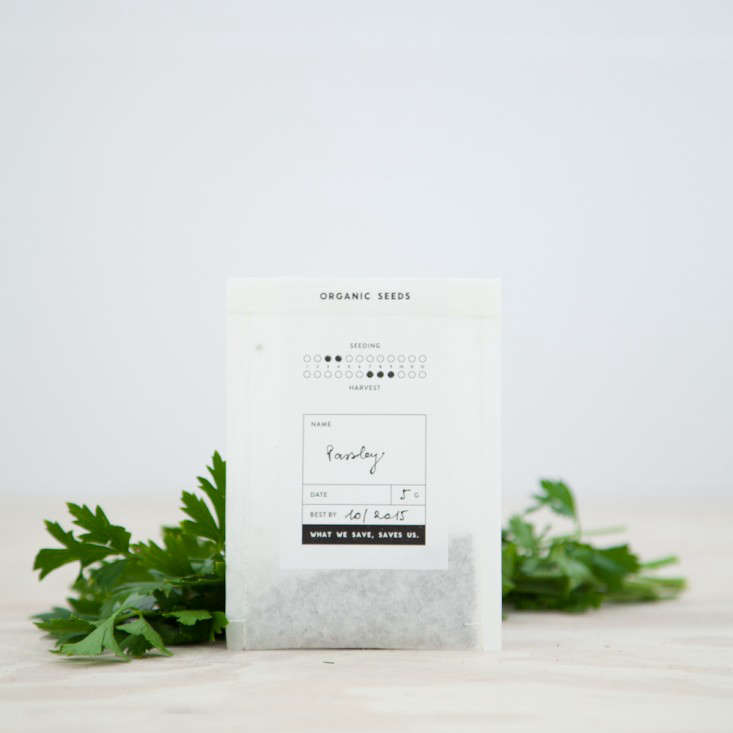
Parsley has spent years being treated like the polite green thing pushed to the edge of the plate, which is honestly rude. When you grow it from organic seeds, parsley quickly proves it deserves better billing. It is productive, fragrant, versatile in the kitchen, and surprisingly handsome in beds, borders, raised planters, and containers. Whether you want a reliable garnish, a punchy flat-leaf herb for sauces, or a beginner-friendly crop for your organic herb garden, parsley is one of the smartest seeds you can sow.
Growing parsley from organic seeds is not difficult, but it does reward gardeners who understand its personality. This herb is famously slow to germinate, slightly dramatic about being disturbed, and happiest in fertile, moisture-retentive soil. Give it those basics, though, and it becomes a steady workhorse. One sowing can keep fresh leaves coming for months, and in mild conditions parsley may even overwinter and keep going like the garden version of a marathoner who forgot to stop.
Why Organic Parsley Seeds Are Worth Buying
For home gardeners, organic parsley seeds appeal to people who want their herb garden to start with seed that was produced under organic standards rather than conventional methods. In practical terms, that means the seed crop was grown within an organic production system, not treated like a chemistry project in a lab coat. For certified organic farms, organic seed is a regulatory foundation. For backyard growers, it is more about growing style, trust, and alignment with low-input gardening.
What “Organic” Means on a Seed Packet
Organic seed does not mean the parsley will magically water itself, dodge every pest, and recite poetry in the moonlight. It means the seed was produced according to organic standards. That matters to gardeners who want consistency from seed to harvest, especially if they are building an organic kitchen garden from the ground up.
Many gardeners also like organic parsley seeds because they fit naturally into compost-rich, pollinator-friendly gardens where synthetic inputs are kept to a minimum. If your goal is to grow herbs the same way you like to cook themclean, simple, and full of flavororganic seed makes sense as a starting point.
Why Parsley Is More Than a Garnish
Parsley is one of the most useful herbs you can grow. Curly parsley adds texture and visual polish. Italian flat-leaf parsley brings stronger flavor and is often preferred for cooking. Root parsley has a less common but very interesting dual purpose, giving you leafy tops and edible roots. In other words, this is not just a decorative sprig. It is a serious herb with backup careers.
Best Parsley Types to Grow from Organic Seeds
Curly Parsley
Curly parsley is the classic variety most people recognize instantly. It grows in tidy mounds, looks beautiful in borders, and works well in containers. The flavor is milder than flat-leaf parsley, so it is a good choice for gardeners who want versatility without too much bite. If your garden could use a herb that also behaves like a small ornamental, curly parsley is your overachiever.
Italian Flat-Leaf Parsley
Italian flat-leaf parsley is usually the top pick for cooks. The leaves are flatter, easier to wash, easier to chop, and often stronger in flavor than curly forms. This variety is excellent in chimichurri, pesto-style herb blends, salads, soups, roasted vegetables, and seafood dishes. If curly parsley is the dressed-up cousin, flat-leaf parsley is the one actually doing the work in the kitchen.
Hamburg or Root Parsley
Root parsley is less common in home gardens but absolutely worth mentioning. It offers edible roots with a flavor somewhere between parsley and parsnip, plus leafy tops that can still be used in cooking. Gardeners who enjoy unusual edible crops often love this type because it stretches one packet of organic parsley seeds into a two-for-one harvest.
How to Plant Parsley Organic Seeds Successfully
Start with Fresh Seed and Realistic Expectations
Parsley seeds are not famous for speed. In fact, if basil is the overachiever that sprouts while you are still reading the packet, parsley is the thoughtful student who turns in excellent work after making everyone wait. Germination can take two to four weeks, and sometimes longer, especially in cool soil. That is why fresh seed matters. Older parsley seed often germinates less evenly, which can make a patient gardener suddenly less patient.
One of the best tricks for better germination is soaking the seeds overnight before sowing. This simple step can help wake them up and soften the wait. It is not mandatory, but it is one of those little gardener habits that can save you from staring suspiciously at bare soil for three straight weeks.
Direct Sow or Start Indoors?
Both methods can work, but direct sowing is often the easiest path. Parsley develops a taproot and does not love rough handling, so if you start indoors, transplant carefully. If your climate allows early spring planting, direct sowing organic parsley seeds right into the garden can reduce transplant shock and let the plant settle where it plans to live.
Indoor starting is still useful when you want a head start, especially in regions with short growing seasons. In that case, sow parsley about six to eight weeks before your last frost date. Use a deep enough cell or small pot to support early root development, keep the mix evenly moist, and avoid letting seedlings get root-bound before transplanting.
Seed Depth, Spacing, and Timing
Parsley seeds are generally sown about 1/4 inch deep. Outdoors, thin seedlings so mature plants stand roughly 6 to 10 inches apart, depending on the variety and the look you want. Flat-leaf forms can grow larger and looser, while curly parsley stays more compact.
In many U.S. growing regions, parsley can be sown in spring as soon as the soil can be worked and temperatures are cool but manageable. It is a cool-season herb, so it performs beautifully in spring and fall and can keep producing through mild winters. In hot climates, a little afternoon shade helps prevent leaf stress and keeps the plant tasting fresher longer.
The Best Growing Conditions for Organic Parsley Seeds
Soil
Parsley likes fertile, well-drained soil that holds moisture without turning swampy. A slightly acidic to neutral pH is ideal, and soil rich in compost gives parsley the kind of start that makes gardeners feel smug in the best possible way. Work in finished compost or well-rotted organic matter before planting. This improves drainage, fertility, and moisture retention all at once.
Sunlight
Full sun is excellent in cooler climates, but part shade is also acceptable, especially where summers get intense. Parsley is more flexible than many herbs. It wants good light, but it is not here to audition for a desert survival show. Give it a bright location, and it will usually be happy.
Water
Consistent moisture is key, especially during germination and early growth. Do not let the seedbed dry out while waiting for sprouts. Once established, parsley benefits from deep watering rather than constant shallow sprinkles. A light mulch around plants can help hold moisture, reduce weeds, and keep soil temperatures steadier.
How to Grow Organic Parsley the Smart Way
Feed It Gently
Parsley is not outrageously demanding, but it does appreciate fertility. If your soil was enriched with compost before planting, you are already ahead. Midseason feeding with compost tea, diluted fish emulsion, or another organic fertilizer can help keep leaf production strong, especially if you are harvesting often.
Harvest Often for Better Growth
The best way to harvest parsley is by cutting the outer stems near the base, leaving the center to keep producing. This matters. Snipping only the leaf tips may look tidy, but it often leaves awkward stems behind and slows the plant’s rhythm. Harvesting whole outer stalks encourages fresh growth and keeps the plant looking fuller.
Regular cutting also improves flavor quality because young growth is often the most tender and aromatic. Think of it as a haircut strategy: frequent trims, better results, fewer regrettable phases.
Watch for Common Problems
Parsley is generally reliable, but it is not invincible. Slow germination is the first challenge. After that, the usual suspects are inconsistent moisture, crowded spacing, and heat stress. Caterpillars may appear too, especially if swallowtail butterflies discover your patch. This can be frustrating for gardeners who wanted pesto and got a nature documentary instead, but it is also a sign your garden is supporting beneficial insect life.
If you are growing organically, the best defense is prevention: healthy soil, airflow, crop rotation, sanitation, and careful watering. Avoid waterlogged soil, remove damaged foliage when needed, and do not overcrowd the planting. Most parsley problems become manageable when the plant is not already stressed.
Saving Seeds from Parsley
Parsley is a biennial, which means it usually makes leaves in year one and flowers in year two. If you want to save seed, let a healthy plant overwinter and continue into its flowering phase. Once seed heads mature and turn gray-brown, they can be collected when seeds release easily. Dry them thoroughly before storage, and keep them in a cool, dark, dry place.
This process is especially appealing to gardeners who buy open-pollinated organic parsley seeds and want to build a more self-sufficient garden. Seed saving will not make you instantly look like a master homesteader in a linen apron, but it will give you a deeper connection to the crop and a handy next generation of seed.
Why Parsley Belongs in Every Organic Herb Garden
Parsley earns its keep. It grows in beds, containers, and window boxes. It handles spring and fall better than many tender herbs. It works in everything from sauces and soups to grain bowls and roasted vegetables. Some gardeners even tuck it into ornamental borders because curly types look genuinely attractive. Others grow it among pollinator-friendly flowers, where flowering second-year plants can support beneficial insects.
In short, parsley is practical. It does not demand a giant garden, expensive gear, or a horticulture degree. It simply asks for decent soil, patient germination, and regular harvesting. For a packet of organic seeds, that is a very fair deal.
Real-World Experiences with Parsley – Organic Seeds
One of the most common experiences gardeners report with organic parsley seeds is underestimating how long germination takes. The first week feels optimistic. By the second week, people begin poking the soil. By the third week, they start accusing the seed packet of lying. Then, almost on schedule, tiny green seedlings appear and act as though they were never late at all. That moment teaches one of parsley’s first lessons: this herb rewards calm consistency more than constant interference.
Many gardeners also discover that parsley performs better when it is given a permanent home early. Seedlings that are direct-sown into rich, compost-amended soil often establish more naturally than plants that were started in cramped cells and transplanted late. In raised beds, parsley frequently becomes one of the longest-lasting herbs of the season. While basil can sulk at cold snaps and cilantro can bolt dramatically the second weather turns moody, parsley often just keeps going with quiet determination.
Container growers tend to have especially good experiences with parsley when they use deeper pots and do not let the soil dry completely. Flat-leaf types are often the favorite for kitchen use because the stems are longer, the flavor is stronger, and harvesting feels more rewarding. Gardeners who cook often say parsley becomes the “accidentally essential” herb. They plant it for garnish and end up using it in eggs, pasta, soups, dressings, marinades, and chopped herb salads. Suddenly, one pot is not enough.
Another real-world observation is that parsley looks better in the garden than many people expect. Curly parsley makes a neat edging plant, especially in formal beds or mixed herb borders. It adds structure without looking stiff, and it stays useful instead of merely decorative. Some gardeners sow it near flowers and discover a bonus: swallowtail caterpillars may show up. That can create a small internal debate between “my parsley!” and “look, butterflies!” In many gardens, the butterflies win.
Gardeners in mild climates often mention how impressive parsley can be in cool weather. Instead of fading the moment summer passes, it can remain productive into fall and even winter in protected spots. A simple mulch layer, steady watering, and occasional harvests are often enough to keep it attractive for months. In those settings, parsley starts to feel less like a seasonal herb and more like a dependable kitchen companion that keeps showing up ready to work.
Perhaps the most useful experience of all is learning that parsley responds well to being cut properly. Beginners sometimes pick a few leaves here and there, which leaves the plant looking uneven and slows regrowth. More experienced growers cut the outer stems low, and the plant returns the favor by filling in from the center. Once gardeners see that pattern, parsley becomes easier to manage and far more productive. It turns from a hesitant harvest into a steady, confident routine.
That is really the charm of growing parsley from organic seeds. It may not be flashy at the beginning, and it will never behave like a speed-run crop. But over time, it wins gardeners over with reliability, flavor, beauty, and surprising usefulness. It is the herb that proves slow and steady can still end up being the star.
Conclusion
If you want an herb that is practical, flavorful, attractive, and beginner-friendly, parsley grown from organic seeds is a strong choice. It fits beautifully into organic gardening systems, thrives in containers and beds, and produces generous harvests when given fertile soil, steady moisture, and a little patience during germination. Choose the right variety, sow it carefully, and harvest it often. Before long, you will stop thinking of parsley as the decorative extra and start treating it like the dependable kitchen essential it really is.