Meghan Trainor has never exactly been shy. This is the woman who gave pop music “All About That Bass,” married a Spy Kids star, talked openly about panic attacks, motherhood, cosmetic procedures, and once made the internet discuss double toilets like it was a national infrastructure crisis. So when she confirmed that she used Mounjaro, an Ozempic-like medication, as part of her post-pregnancy health journey, the reaction was loud, messy, and very 2025: half concern, half applause, and half people suddenly acting like board-certified endocrinologists after watching three TikToks. Yes, that is three halves. Welcome to the internet.
The headline-grabbing phrase “We’re all a bunch of idiots” may sound like a collective roast, but it also captures the strange cultural circus around celebrity bodies. People demand honesty, then punish honesty. They ask for body positivity, then become detectives of jawlines. They tell women to “age naturally,” then zoom in on every pore like they work for NASA. Trainor’s confirmation did more than reveal a medication choice; it reopened a bigger conversation about weight loss drugs, motherhood, fame, body image, health, and why the public seems incapable of letting a woman simply exist in peace.
What Meghan Trainor Actually Confirmed
Meghan Trainor confirmed that she used Mounjaro after her second pregnancy. Mounjaro is the brand name for tirzepatide, a prescription injectable medication originally approved to help adults with type 2 diabetes manage blood sugar. Tirzepatide is also sold under the brand name Zepbound for chronic weight management in eligible adults. Because Ozempic, Wegovy, Mounjaro, and Zepbound are often discussed in the same pop-culture bucket, many headlines describe them as “Ozempic-like” medications, even though they are not identical drugs.
Trainor framed her choice as part of a broader health journey, not a magic-wand transformation. She has said she worked with a dietitian, made lifestyle changes, trained with a professional, and focused on becoming the healthiest and strongest version of herself for her children and for herself. That last part matters. The internet loves a shortcut narrative because it is easier to digest than the truth: weight, health, hormones, pregnancy, eating habits, exercise, mental health, and medical care all tangle together like earbuds at the bottom of a purse.
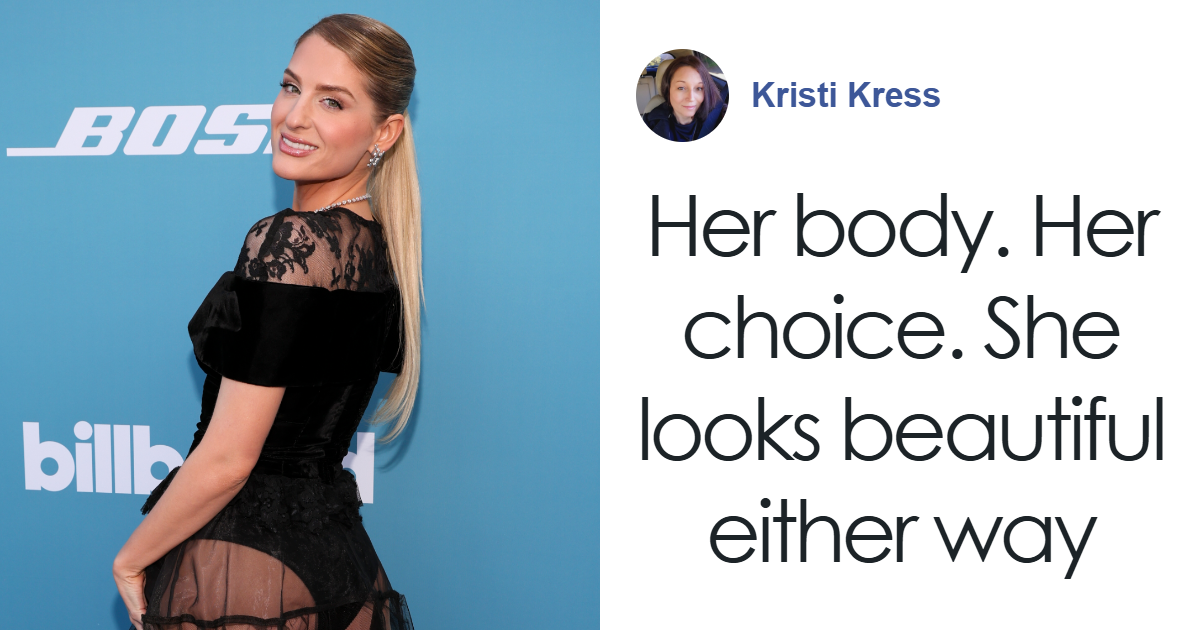
Her comments arrived after public attention shifted from her music to her appearance at major events, including the 2025 Billboard Women in Music Awards. Instead of focusing on her Hitmaker honor, many people focused on whether she looked “different.” Trainor pushed back, saying that it was disappointing to see the conversation revolve around her body rather than her work, passion, and decade-long career. Honestly, if a woman wins an award and the first public question is “But what happened to your waist?” society may need to sit in the corner and think about what it has done.
Why Everyone Calls It “Ozempic-Like”
Ozempic has become the Kleenex of modern weight-loss discourse: technically a brand name, but often used casually for an entire category. Ozempic contains semaglutide and is approved for type 2 diabetes, while Wegovy, also semaglutide, is approved for chronic weight management. Mounjaro contains tirzepatide, which acts on GLP-1 and GIP hormone pathways. Zepbound contains the same active ingredient as Mounjaro but is approved for weight management in adults who meet certain medical criteria.
These medications work in part by affecting appetite, fullness, digestion, and blood sugar regulation. Many users report feeling less hungry, feeling full sooner, or thinking about food less intensely. That does not mean the drugs are effortless or risk-free. It means they can change the biological signals that make weight management brutally difficult for many people. For some, that is life-changing. For others, side effects, cost, access issues, or medical history make them unsuitable.
GLP-1 Medications Are Not Celebrity Pixie Dust
The public often talks about GLP-1 drugs like they are Hollywood fairy dust: one injection and suddenly your jeans apologize for ever doubting you. Real life is less glamorous. Common side effects can include nausea, vomiting, diarrhea, constipation, stomach discomfort, reduced appetite, fatigue, and reflux. More serious risks may include pancreatitis, gallbladder problems, kidney issues, allergic reactions, or complications for people with certain medical histories. These are prescription medications, not casual accessories to keep beside lip gloss and a Stanley cup.
That is why the medical context is essential. These drugs should be discussed with a qualified healthcare professional, especially for people with diabetes, pregnancy plans, a history of pancreatitis, severe gastrointestinal disease, thyroid cancer risk, or complex medication needs. The rise of compounded and counterfeit versions has also raised safety concerns, especially when patients receive unclear dosing instructions or buy products online from questionable sellers. If a website sells “research-only skinny juice” with the graphic design quality of a haunted pharmacy, that is not a bargain. That is a red flag wearing tap shoes.
The Body-Image Whiplash Around Meghan Trainor
Part of the reason this story exploded is that Trainor’s public identity has long been tied to body confidence. “All About That Bass” became a cultural moment because it pushed back against the stick-thin beauty ideal that dominated pop culture for years. But a song about self-acceptance should not become a contract forcing an artist to keep the same body forever. Bodies change. Pregnancies happen. Hormones shift. Fitness goals evolve. Medical needs appear. People age. Even celebrities, despite what red-carpet lighting tries to suggest, are mammals.
Some critics accused Trainor of contradicting her old message by losing weight. That criticism misses the point. Body positivity should mean a person is allowed to respect their body at different sizes, not that they must remain frozen in one silhouette for public comfort. A woman can love her curves, want better metabolic health, lift weights, take medication under medical supervision, wear sparkly outfits, and still not owe strangers a parliamentary hearing about her waistline.
Trainor has also faced the classic no-win trap: when she was heavier, people commented; after losing weight, people commented again. When she celebrated curves, people debated her message; when she prioritized health, people debated her motives. This is not concern. This is surveillance dressed up in a cardigan.
Motherhood, Health Scares, and the “Why” Behind the Journey
Trainor has connected her health journey to motherhood and postpartum change. She and husband Daryl Sabara welcomed sons Riley in 2021 and Barry in 2023. Like many mothers, she experienced major physical and emotional shifts after pregnancy. She has also spoken about health concerns, training, diet changes, and wanting to feel strong for her children.
That context is important because postpartum weight loss is not simply a before-and-after slideshow. Pregnancy affects blood sugar, hormones, sleep, appetite, energy, joints, mood, and identity. Gestational diabetes, which affects a meaningful percentage of U.S. pregnancies, can also be a wake-up call because it is associated with a higher future risk of type 2 diabetes. For some people, that kind of health scare turns “I should probably take care of myself” into “Okay, time to stop treating my body like a group project I forgot to attend.”
Trainor’s message has been less “everybody should do what I did” and more “this is what helped me.” That difference matters. No celebrity’s health routine should become a universal prescription. What works for one person may be unnecessary, unsafe, unaffordable, or emotionally unhealthy for someone else. The useful takeaway is not “take Mounjaro.” The useful takeaway is: get medical guidance, build sustainable habits, protect muscle, eat enough protein and nourishing foods, and stop letting strangers define your health.
What Mounjaro Isand What It Is Not
Mounjaro is not Ozempic, although both sit in the wider conversation about injectable metabolic medications. Ozempic contains semaglutide and primarily activates GLP-1 receptors. Mounjaro contains tirzepatide and activates both GLP-1 and GIP receptors. In simple terms, these medications interact with hormone pathways that help regulate appetite, insulin response, and satiety. In even simpler terms: they can make the body stop shouting “snack?” every 11 minutes.
But these medications are not designed to replace basic health habits. Clinical guidance generally pairs weight-management medications with nutrition changes and physical activity. Trainor herself emphasized that she used medical support alongside a dietitian, lifestyle changes, and workouts. That is a crucial distinction because rapid weight loss without resistance training and adequate nutrition can increase the risk of muscle loss. Losing weight and losing strength are not the same thing, and the second one is not a prize.
Why Strength Training Matters During Weight Loss
One of the smarter parts of Trainor’s public comments is her emphasis on working out and maintaining muscle. Strength training supports metabolism, posture, bone health, mobility, and long-term weight maintenance. It also helps shift the goal from “be smaller” to “be stronger,” which is a much healthier mental place to live. A scale can tell you gravity’s opinion. It cannot tell you whether you can carry two sleeping kids, a diaper bag, and emotional baggage from the Target parking lot.
For people using GLP-1 or GLP-1/GIP medications, experts often recommend paying close attention to protein intake, hydration, fiber, resistance training, and side effects. Eating less may happen naturally on these drugs, but eating too little can backfire. The goal should not be to disappear. The goal should be better health, better labs, better energy, and a body that can actually function in daily life.
The Celebrity Honesty Trap
The public says it wants celebrities to be transparent about weight loss. Then, when a celebrity says, “Yes, I used medication,” the public responds with shock, moral outrage, and 4,000 comments from people named “TruthSeeker473.” This is the celebrity honesty trap. If stars deny using help, they are accused of lying. If they admit using help, they are accused of cheating. If they say nothing, people investigate their clavicles like a crime scene.
Trainor’s confirmation stands out because she did not present her transformation as a detox tea miracle or a mysterious “wellness reset.” She named the medication, acknowledged support, and said she felt good. That transparency is useful, especially in a media landscape where edited images, filters, procedures, trainers, private chefs, medications, and professional styling are often packaged as “just drinking water and loving myself.”
Still, transparency does not mean the public gets ownership. A celebrity can be open without turning her medical history into community property. There is a difference between discussing a trend and demanding access to someone’s body like it is a shared Google Doc.
Why This Story Became Bigger Than Meghan Trainor
Meghan Trainor’s Mounjaro confirmation landed during a cultural shift. GLP-1 medications have changed the conversation about obesity, diabetes, appetite, and weight management. They have also exposed how judgmental people can be about bodies. For decades, people with obesity were told to “just use willpower.” Now that medicine can help change appetite biology, some critics have moved the goalposts and decided that using medication is “cheating.” Apparently suffering is required, or it does not count. Very normal. Very healthy. No notes.
The reality is that obesity is a complex chronic disease influenced by genetics, environment, hormones, sleep, stress, medications, socioeconomic factors, food access, and behavior. Lifestyle matters, but biology matters too. If lifestyle alone worked easily for everyone, the diet industry would not be worth billions, and every January gym would remain full past Valentine’s Day.
GLP-1 drugs are not perfect. They are expensive, not always covered by insurance, may require long-term use, and can cause side effects. But they have also helped many patients achieve clinically meaningful weight loss and improve related health markers. The challenge now is to discuss them with nuance instead of turning every celebrity transformation into a morality play.
Public Scrutiny and the Cost of Being “Relatable”
Trainor built a career partly on being funny, approachable, and unfiltered. That relatability is part of her charm, but it also creates a strange entitlement. Fans may feel they know her personally because she shares vulnerable stories, jokes, and family moments. Then, when she changes something about her body, some people act personally betrayed. The parasocial math goes: “I liked you because you made me feel seen, therefore your body must remain emotionally useful to me forever.” That is not fandom. That is a hostage situation with glitter.
Relatable celebrities are still allowed to change. A singer can evolve her sound, her style, her body, her health goals, and her boundaries. Trainor’s transformation does not erase her earlier message. It complicates it in a very human way. Self-love is not a fixed outfit. Sometimes it looks like accepting your body. Sometimes it looks like asking for medical help. Sometimes it looks like lifting weights. Sometimes it looks like logging off before the comment section eats your soul with ranch dressing.
Lessons From the Meghan Trainor Mounjaro Conversation
1. Weight Loss Does Not Automatically Mean Betrayal
People are allowed to lose weight without apologizing for it. They are also allowed to gain weight without being mocked. Body acceptance should protect people through change, not punish them for changing.
2. Medical Support Is Not a Moral Failure
Using a prescription medication under medical supervision is not “cheating.” It is healthcare. Nobody says blood pressure medication is cheating at circulation. Nobody tells someone with asthma to manifest better lungs. Weight-related care deserves the same maturity.
3. Celebrity Health Choices Are Not Instructions
Trainor’s journey belongs to Trainor. It can spark discussion, but it should not become a DIY plan. Anyone considering weight-loss medication should speak with a licensed healthcare provider who can review medical history, risks, goals, and alternatives.
4. Muscle Matters
Rapid weight loss can affect muscle mass. Strength training, adequate protein, and professional guidance can help support a healthier body composition. The best transformation is not simply smaller; it is stronger, steadier, and sustainable.
5. Stop Auditioning for the Role of Internet Body Inspector
Commenting on a stranger’s body rarely helps. Even compliments can become uncomfortable when they reduce someone’s entire life to weight. “You look healthy and happy” is usually better than “Where did your old face go?” Please let us retire that energy immediately.
Experiences Related to Meghan Trainor’s Ozempic-Like Medication Story
The Meghan Trainor conversation feels familiar because almost everyone has seen some version of it in real life. Maybe it was a coworker who came back from maternity leave looking different and suddenly became the office mystery. Maybe it was a friend who lost weight after starting a new medication and had to field comments at every family dinner. Maybe it was you, trying to make a private health decision while everyone from your aunt to your barber had feedback. Body change has a way of turning ordinary people into public property, and celebrity culture simply magnifies that problem with better lighting.
One common experience is the awkward compliment that does not feel like a compliment. Someone says, “Wow, you look amazing now,” and the word “now” lands like a piano. It implies the previous version of you was a rough draft. People usually mean well, but body comments can carry baggage. For someone who lost weight because of illness, grief, stress, postpartum anxiety, diabetes risk, or medication side effects, praise can feel confusing. Trainor’s story reminds readers that even positive attention can become exhausting when it turns a person’s body into the main headline.
Another experience is the pressure to explain. People who use medications like Mounjaro, Zepbound, Ozempic, or Wegovy may feel pushed to justify themselves. They may say, “I also work out,” “I changed my diet,” or “My doctor recommended it,” as if they are defending a thesis in front of a panel of snack-carrying strangers. The truth is, no one owes the public a full medical timeline. Sharing can reduce stigma, but privacy is still valid. Trainor chose to be open; that does not mean everyone must be.
There is also the emotional roller coaster of trying to improve health while managing other people’s projections. A person might feel stronger, sleep better, improve lab results, or finally feel in control of appetite, only to hear, “You looked better before.” That can hurt. It can also reveal how much society confuses familiarity with health. People may prefer the version of someone they are used to, not because that version was healthier, but because change makes them uncomfortable. That discomfort is not the changing person’s responsibility to fix.
For mothers, the topic can be even more complicated. Pregnancy and postpartum life can alter the body dramatically, and women are expected to recover while caring for tiny humans who think 3 a.m. is a great time for jazz vocals. Some mothers want their old bodies back. Some want a new stronger body. Some just want five uninterrupted minutes and a sandwich they do not have to share. Trainor’s comments about becoming healthier for her kids speak to that very real desire: not perfection, but stamina, confidence, and the feeling that your body belongs to you again.
The practical experience many readers can take from this story is simple: health journeys are better when they are guided, realistic, and personal. Medical supervision matters. Nutrition matters. Strength training matters. Mental health matters. So does compassion. Whether someone uses a GLP-1 medication, changes their diet, starts lifting weights, treats diabetes risk, or decides not to pursue weight loss at all, the conversation should begin with dignity. Bodies are not public polls. They are homes people have to live in every day.
Conclusion: Meghan Trainor’s Story Is Really About Choice, Honesty, and Noise
Meghan Trainor’s confirmation that she used Mounjaro as part of her health journey is not just another celebrity weight-loss headline. It is a snapshot of a culture trying, and often failing, to talk responsibly about bodies, medicine, motherhood, and self-image. The useful conversation is not whether Trainor “should” look a certain way. The useful conversation is how people can pursue health with accurate information, medical guidance, emotional support, and less shame.
Ozempic-like medications are changing modern weight management, but they are not magic, vanity toys, or moral shortcuts. They are medical tools with benefits, risks, and appropriate uses. Trainor’s openness helps cut through some of the mystery, but her story should not be reduced to a before-and-after photo. She is an artist, a mother, a working woman, and a person navigating public scrutiny while trying to feel better in her own body.
And maybe that is where the “bunch of idiots” part comes in. Not because people are curious, but because we keep proving that curiosity without compassion turns into noise. The better response is simple: listen, learn, stop diagnosing strangers from red carpets, and save the hottest takes for something truly urgentlike why every phone charger disappears when you need it most.