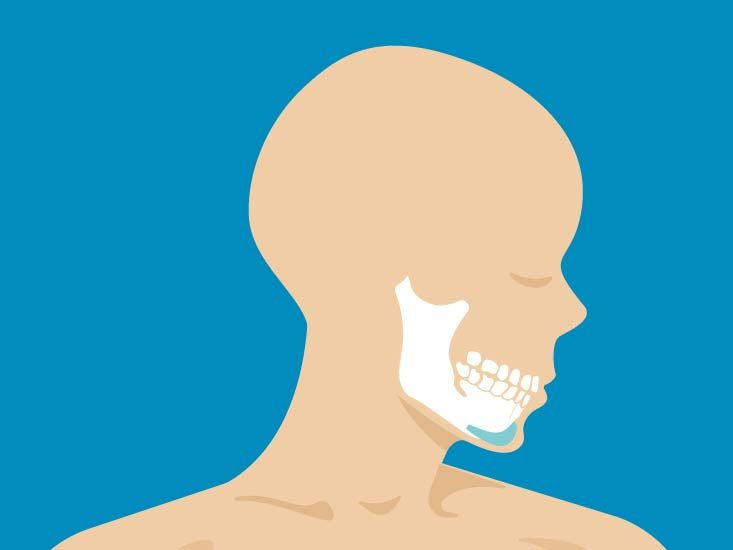
Genioplasty, also called chin surgery or mentoplasty, is a procedure that changes the size, shape, projection, or position of the chin. That may sound like a small adjustmentafter all, the chin is not exactly the lead singer of the facebut it has a surprisingly big influence on facial balance. A receding chin can make the nose look larger, a prominent chin can dominate the profile, and an uneven chin can subtly pull attention away from otherwise harmonious features.
Some people choose genioplasty for cosmetic reasons. Others need it for reconstructive purposes after trauma, congenital differences, jaw imbalance, or previous surgery. Either way, the goal is not to create a “perfect” chin from a cartoon superhero template. The real goal is proportion: helping the chin, jawline, lips, nose, and neck look like they belong to the same well-managed committee.
This guide explains the main types of genioplasty, how chin surgery is performed, possible complications, recovery expectations, and long-term outlook. It is educational only and should not replace a consultation with a board-certified plastic surgeon, facial plastic surgeon, or oral and maxillofacial surgeon.
What Is Genioplasty?
Genioplasty is surgery that reshapes or repositions the chin. The procedure may involve moving the chin bone, reducing excess bone, placing an implant, or combining chin surgery with other facial procedures such as rhinoplasty, neck liposuction, or orthognathic jaw surgery.
The chin is part of the mandible, or lower jaw. Because it sits at the bottom of the face, it affects the appearance of the jawline, lower lip support, neck angle, and side profile. Even a few millimeters of change can make the face look more balanced. That is why careful planning is essential. A good surgeon does not simply ask, “More chin?” like a waiter offering parmesan. They evaluate facial proportions, dental bite, jaw alignment, skin quality, medical history, and your personal goals.
Who May Consider Chin Surgery?
People may consider genioplasty if they have a chin that appears too small, too large, too long, too short, uneven, or out of proportion with the rest of the face. Common concerns include a weak chin, recessed chin, protruding chin, chin asymmetry, vertical chin excess, or a chin that does not align well with the lips, nose, and jawline.
Genioplasty may also be recommended after facial injury, for congenital facial differences, or as part of corrective jaw surgery when the upper and lower jaws do not fit together properly. In cosmetic cases, ideal candidates are usually healthy adults whose facial bones have finished growing, who do not smoke or are willing to stop, and who have realistic expectations about the outcome.
Main Types of Genioplasty
1. Sliding Genioplasty
Sliding genioplasty, also known as osseous genioplasty, changes the position of the patient’s own chin bone. During this operation, the surgeon usually makes an incision inside the mouth, cuts a controlled segment of the chin bone, moves it into a new position, and secures it with small plates and screws.
This technique can move the chin forward, backward, upward, downward, or slightly sideways. It is often used for recessed chins, prominent chins, long chins, short chins, and asymmetry. One advantage of sliding genioplasty is that it uses natural bone rather than a synthetic implant. It can also adjust vertical height, which chin implants cannot always do well.
2. Chin Implant Surgery
Chin implant surgery increases chin projection by placing a shaped implant over the existing chin bone. Implants are commonly made from medical-grade silicone or other biocompatible materials. The incision may be made inside the mouth or under the chin, where the scar is usually discreet.
Chin implants are commonly used for mild to moderate underprojection in people with a normal bite. They can provide a stronger profile, a more defined jawline, and better balance between the chin and nose. Compared with bone-moving surgery, implant surgery is often shorter and may involve a quicker early recovery. However, implants can shift, become infected, or require revision in some cases.
3. Chin Reduction Surgery
Chin reduction surgery is designed for an overly prominent, long, or bulky chin. The surgeon may remove or reshape bone to soften the profile and improve proportion. Depending on the anatomy, reduction may be performed through an incision inside the mouth or under the chin.
This procedure requires careful planning because over-reduction can create loose soft tissue, irregular contours, or an unnatural lower-face appearance. The best results usually come from conservative, well-measured changes rather than an enthusiastic “let’s sand everything down” approach.
4. Advancement Genioplasty
Advancement genioplasty moves the chin forward. It is commonly used when the chin sits too far back, a condition often described as microgenia, retrogenia, or a recessed chin. Moving the chin forward can make the jawline look stronger and may improve the transition between the chin and neck.
In selected cases, advancement may also be part of a broader plan to improve lower facial support or airway-related anatomy, although genioplasty alone is not a universal treatment for breathing problems. Patients with bite issues or jaw discrepancies may need a full orthognathic evaluation.
5. Setback or Reduction Genioplasty
Setback genioplasty moves the chin backward or reduces excessive projection. It may help people whose chin appears too strong compared with the rest of the face. Because the chin influences lower lip support and facial expression, the surgeon must balance aesthetic goals with soft-tissue function.
6. Asymmetry Correction
When the chin is crooked or off-center, genioplasty can shift the chin segment sideways or reshape the bone to improve facial symmetry. This is often more complex than simply moving the chin forward. The surgeon may use imaging, measurements, dental evaluation, and sometimes 3D planning to determine the safest and most natural correction.
How to Prepare for Genioplasty
Preparation begins with a detailed consultation. Your surgeon may examine your face from multiple angles, assess your bite, review photographs, order X-rays or CT scans, and discuss whether your concern is mainly chin projection, jaw position, soft-tissue fullness, or another issue. Sometimes what looks like a “chin problem” is actually related to the jaw, neck, nose, or dental bite.
You may be asked to stop smoking several weeks before surgery because nicotine can interfere with healing. Your surgeon may also advise you to avoid aspirin, certain anti-inflammatory medicines, herbal supplements, or medications that increase bleeding risk. If the incision is inside the mouth, good oral hygiene becomes especially important. Your mouth is a busy neighborhood of bacteria, and surgery prefers a clean workspace.
What Happens During Chin Surgery?
Genioplasty is commonly performed under general anesthesia, especially when bone is moved. Chin implant surgery may sometimes be performed with local anesthesia and sedation, depending on the case and surgeon preference. The procedure may take less than an hour for a straightforward implant or longer for more complex bone repositioning or combined facial surgery.
For sliding genioplasty, the surgeon usually makes an incision inside the lower lip, exposes the chin bone, performs an osteotomy, moves the bone into the planned position, and secures it with small plates and screws. The incision is closed with stitches that often dissolve over time. For chin implant surgery, the surgeon creates a pocket over the chin bone, places the implant, checks symmetry, and closes the incision. A dressing, tape, or compression support may be used to reduce swelling and support healing.
Recovery After Genioplasty
Many patients go home the same day, although some may stay overnight if the surgery is complex or combined with jaw surgery. Swelling, bruising, tightness, and mild to moderate discomfort are common during the first few days. Swelling often peaks around day two or three, then gradually improves. Most visible bruising and swelling improve within two weeks, but subtle swelling can take months to fully settle.
Your surgeon may recommend cold compresses, sleeping with your head elevated, taking prescribed medications, using mouth rinses, and eating soft foods for a period of time. If the incision is inside your mouth, you may need to avoid hard, crunchy, spicy, or irritating foods while the tissue heals. Translation: your jaw may temporarily prefer soup over heroic baguette battles.
Most people can return to desk work or school within about one to two weeks, depending on the extent of surgery and how they feel. Strenuous exercise, heavy lifting, contact sports, and activities that could injure the chin are usually restricted for longer. Bone healing takes time, and final results may not be fully visible until swelling resolves and tissues settle.
Possible Complications of Genioplasty
Like all surgery, genioplasty has risks. Common temporary effects include swelling, bruising, soreness, tightness, and numbness around the chin or lower lip. Numbness happens because sensory nerves in the lower jaw and chin area can be stretched, irritated, or rarely injured during surgery. In many cases, sensation improves over weeks or months, but persistent numbness is possible.
Other possible complications include bleeding, infection, poor wound healing, visible or unfavorable scarring, asymmetry, contour irregularities, tooth or gum irritation, pain, hematoma, seroma, and dissatisfaction with the cosmetic result. Implant-specific risks include implant shifting, infection around the implant, capsular contracture, or the need to remove or replace the implant. Bone-based genioplasty risks include delayed bone healing, hardware irritation, relapse of bone position, or the need for revision surgery.
Serious complications are less common but can include anesthesia-related problems, deep vein thrombosis, heart or lung complications, or significant infection. Call your surgeon promptly if you develop fever, chills, worsening pain, pus or drainage, sudden swelling, shortness of breath, chest pain, or symptoms that feel unusual or severe.
Genioplasty vs. Chin Filler
Dermal filler can temporarily improve mild chin projection or smooth small contour concerns without surgery. It is quick, adjustable, and has less downtime. However, filler is not permanent and cannot reduce bone, correct major asymmetry, or move the chin structure. Genioplasty is more invasive, but it can create stronger and longer-lasting structural change.
The choice depends on anatomy, goals, budget, tolerance for downtime, and whether the desired change is soft-tissue camouflage or true skeletal correction. Some patients use filler as a “preview,” but filler does not perfectly simulate surgical results.
Long-Term Outlook
The outlook after genioplasty is generally favorable when the procedure is performed for the right candidate by an experienced surgeon. Sliding genioplasty results are typically long-lasting because the bone heals in its new position. Chin implants can also provide long-term improvement, although implants may occasionally need revision if they shift, become infected, or no longer match the patient’s goals over time.
Successful outcomes depend on precise planning, safe technique, healthy healing, and realistic expectations. A balanced chin should look natural from the front, side, and three-quarter views. The best result is often the one people cannot immediately identify. They may say, “You look greatdid you change your hair?” Meanwhile, your chin quietly accepts the compliment like a professional.
Questions to Ask Before Chin Surgery
Before choosing genioplasty, ask your surgeon which procedure fits your anatomy and why. Ask whether your bite or jaw alignment needs evaluation, where the incision will be placed, what type of anesthesia will be used, how long recovery may take, what complications are most relevant to your case, and what revision options exist if the result needs adjustment.
You should also ask to see before-and-after photos of patients with similar facial structure and goals. Photos cannot guarantee your result, but they can reveal the surgeon’s style. Natural-looking chin surgery requires restraint, planning, and an eye for proportionnot just the ability to make a jawline look dramatic under perfect lighting.
Experience-Based Insights: What Genioplasty May Feel Like in Real Life
Although every patient’s recovery is different, many people describe the genioplasty experience as less about sharp pain and more about pressure, swelling, tightness, and temporary awkwardness. The first few days can feel strange because the lower face may be numb, puffy, and stiff. Talking may feel clumsy. Smiling may feel like your face has forgotten the password. This is usually part of the early healing process, but it can be emotionally surprising if you expected to wake up looking instantly camera-ready.
One common experience is “swelling anxiety.” Patients may look in the mirror during the first week and worry that the chin is too large, too square, too uneven, or not what they imagined. Early swelling can distort the result, especially from the front. Bruising and stiffness can also make facial expressions look unfamiliar. Surgeons often remind patients that the first week is not the final outcome; it is the face’s construction-zone phase, complete with cones, dust, and a few dramatic opinions.
Eating is another practical adjustment. Soft foods are usually easier at first, especially when the incision is inside the mouth. Smoothies, soups, yogurt, eggs, mashed potatoes, oatmeal, and soft pasta may become temporary best friends. Patients often learn quickly that crunchy snacks are not worth challenging stitches. Oral hygiene also becomes part of the routine. Gentle rinsing, careful brushing, and following the surgeon’s instructions help reduce irritation and infection risk.
Social downtime varies. Some people feel comfortable being seen after a week, while others prefer two weeks or more, especially if bruising is visible. Video calls can be awkward in the early days because the chin and lower lip may still look stiff. Planning surgery away from major events, photos, presentations, or travel can reduce stress. Genioplasty is not the ideal thing to schedule three days before a wedding unless your wedding theme is “mysterious facial swelling.”
Emotionally, the adjustment can be meaningful. The chin is central to the profile, so even a positive change can take time to feel familiar. Some patients love the result quickly; others need weeks or months to mentally update their self-image. This does not always mean something is wrong. It may simply mean the brain is comparing a new reflection with years of old expectations.
The most satisfying experiences usually come from clear communication before surgery. Patients who understand the difference between improvement and perfection tend to feel more prepared. Good candidates know why they are choosing surgery, what trade-offs exist, and what complications to watch for. They also choose qualified surgeons rather than bargain-hunting for facial bone work like it is a discount toaster. Skill, safety, and judgment matter.
In the long run, many people who heal well report that their chin surgery becomes something they think about less and less. The result simply becomes part of their face. That is often the quiet success of genioplasty: not a dramatic “new person” effect, but a more balanced version of the same person.
Conclusion
Genioplasty is a customizable chin surgery that can improve facial balance by advancing, reducing, reshaping, or repositioning the chin. Options include sliding genioplasty, chin implants, chin reduction, and asymmetry correction. While the procedure can create long-lasting improvements, it also carries risks such as swelling, numbness, infection, asymmetry, implant movement, contour issues, and possible revision surgery.
The best results begin with a careful consultation, realistic expectations, and a surgeon who understands both facial aesthetics and jaw anatomy. A well-planned chin change should not overpower the face; it should help the whole face make more visual sense. In other words, the chin should join the facial orchestranot grab the tuba and start a solo.
Note: This article is for general educational purposes only. Genioplasty is a medical procedure with individual risks and benefits. Always consult a qualified healthcare professional for diagnosis, treatment planning, and personalized surgical advice.