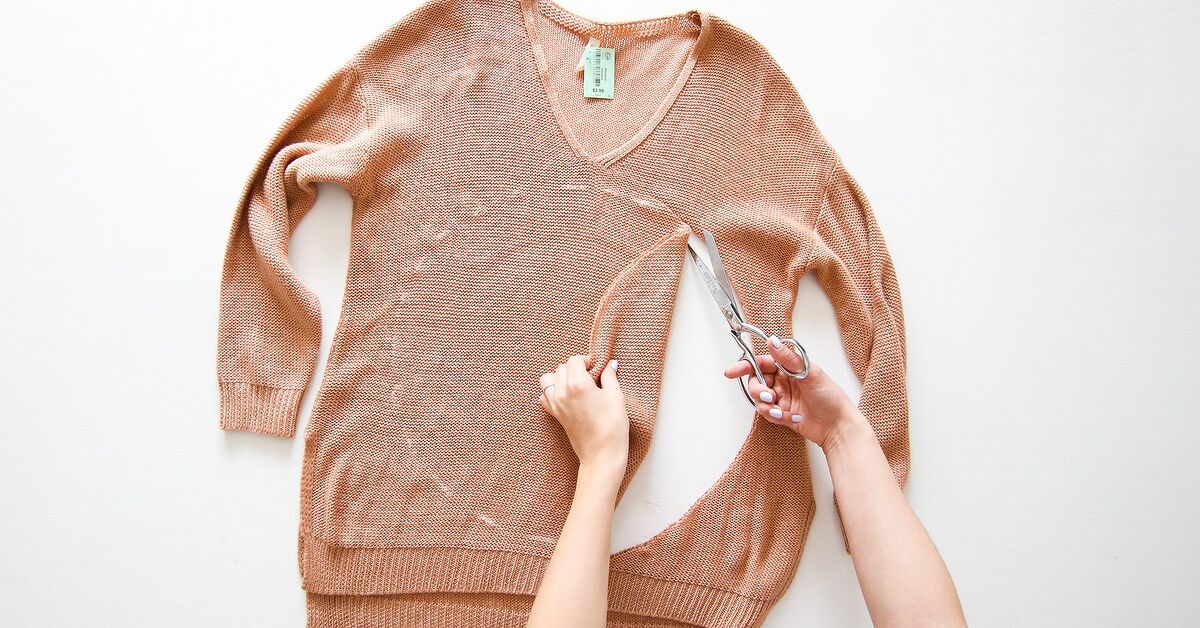
Every closet has one: the old sweater that has survived three style eras, one accidental dryer incident, and a mysterious snag that looks like it was caused by a very fashionable raccoon. It is too worn to wear, too sentimental to toss, and too bulky to keep pretending it is “still in rotation.” Good news: that tired knit can become beautiful home decor with only a few basic supplies, a little creativity, and the kind of confidence usually reserved for people who own a label maker.
Using an old sweater to make decor is one of the easiest ways to bring texture, warmth, and personality into a room. Cable knits, ribbed sleeves, wool blends, cashmere scraps, chunky turtlenecks, and thrift-store cardigans can all become cozy home accents. Think sweater pillow covers, soft vase wraps, handmade pumpkins, framed textile art, winter wreaths, storage baskets, table decor, candle sleeves, ornaments, and even charming gift packaging. In other words, your old sweater is not retired. It has simply accepted a new position in interior design.
This guide explains how she transforms an old sweater into beautiful decor, including practical project ideas, styling tips, safety notes, and real-life lessons from the wonderfully imperfect world of DIY sweater crafts.
Why Old Sweaters Make Such Beautiful DIY Decor
Old sweaters are basically texture with sleeves. Unlike flat craft felt or plain cotton fabric, sweater material already has visual depth. A cable-knit pattern can make a basic vase look like it belongs in a cozy mountain cabin. A soft cream pullover can turn a discount pillow insert into something that looks boutique. A red or green holiday sweater can become tabletop Christmas trees without requiring anyone to untangle six miles of garland.
The biggest advantage is that sweater decor feels warm without being heavy-handed. It adds softness to modern rooms, charm to farmhouse spaces, and a handmade touch to seasonal displays. It also works with many decorating styles: rustic, cottagecore, Scandinavian, vintage, minimalist, boho, and classic American cozy. Plus, upcycling old sweaters keeps usable fabric out of the trash and saves money on seasonal decorations that often cost more than they should. Looking at you, tiny decorative pumpkins with luxury-brand confidence.
Before She Starts: Choosing the Right Sweater
The best sweater for decor depends on the project. Thick cable-knit sweaters work beautifully for pillow covers, vase sleeves, storage baskets, and pumpkins because they hold shape and show texture. Thin knits are easier to stretch over glass jars, embroidery hoops, or foam forms. Wool sweaters can be felted, which means the fibers shrink and tighten into a sturdier material. Cotton sweaters are soft and breathable but may fray more. Acrylic sweaters are common, affordable, and easy to cut, though they may stretch more than wool.
She Looks for These Features
First, she checks the condition. Small holes are fine if they can be hidden or cut around, but large unraveling areas can make a project frustrating. Next, she looks at the pattern. Cable knit, ribbing, Fair Isle, stripes, buttons, cuffs, collars, and hems can all become design features. A sleeve cuff can become the top edge of a vase wrap. A button placket can become the front detail on a pillow. A turtleneck can become a cozy basket rim. The trick is to stop seeing the sweater as clothing and start seeing it as fabric with built-in personality.
She Washes and Prepares the Sweater
Before cutting, she washes the sweater according to the fiber type. For wool or cashmere, gentle hand-washing and flat drying help preserve the fibers. If she wants a felted texture, she uses hot water and agitation on a wool sweater, then dries it flat after it shrinks and thickens. For cotton or acrylic, a delicate cycle and air drying usually work well. Clean fabric matters, especially for decor that will sit near candles, food, pets, or guests who like to inspect throw pillows as if they are museum artifacts.
Project 1: Turn an Old Sweater Into a Cozy Throw Pillow
A sweater pillow is the classic old sweater decor project because it is simple, useful, and instantly satisfying. It can make a sofa look styled instead of “someone lives here and occasionally folds laundry.”
What She Uses
She gathers an old sweater, a pillow insert, scissors, pins or clips, a sewing needle and thread, a sewing machine if available, and fabric glue if she wants a no-sew shortcut. A square pillow insert works best for beginners, but rectangular lumbar pillows also look elegant when made from ribbed or button-front sweaters.
How She Makes It
She turns the sweater inside out and places the pillow insert over the body of the sweater. Then she cuts around it, leaving about one inch of extra fabric on every side for seams. If the sweater has buttons, she centers the button placket so it becomes part of the design and can even function as an opening. She pins the fabric with the right sides facing together, stitches around the edges, turns it right side out, inserts the pillow, and closes the final edge with a hidden stitch.
For a no-sew version, she uses fabric glue or iron-on hem tape along the inside edges. It may not last forever under heavy use, but for seasonal decor, it works surprisingly well. The result is a textured pillow that looks expensive, even if the sweater once cost eight dollars at a thrift store and had a questionable shoulder pad situation.
Project 2: Make Sweater-Covered Vases and Jars
Sweater-covered vases are quick, beginner-friendly, and ideal for mantels, dining tables, entry consoles, and bedside tables. This project is especially good for sweater sleeves because they are already tube-shaped. Apparently, sleeves have been secretly training for this role their whole lives.
How She Makes It
She cuts a sleeve slightly longer than the vase or jar. Then she slides the sleeve over the container, placing the cuff at the top or bottom depending on the look she wants. If the edge rolls or slips, she secures it with double-sided tape, hot glue, or a thin line of craft adhesive. For a polished finish, she folds the extra fabric over the rim or tucks it underneath.
These sweater vases look beautiful with bare branches, dried flowers, eucalyptus, pine sprigs, wheat stems, or faux fall leaves. Cream, gray, oatmeal, and soft brown sweaters create a neutral look. Red, forest green, navy, and burgundy sweaters feel festive for the holidays. She can group several sweater-covered jars in different heights to create a centerpiece that looks curated but costs almost nothing.
Project 3: Create Soft Sweater Pumpkins
Sweater pumpkins are adorable, reusable, and much easier than carving a real pumpkin while pretending not to be scared of the inside goo. They are perfect for fall decor, Thanksgiving tables, bookshelves, and cozy kitchen corners.
What She Uses
She needs sweater fabric, stuffing or scrap fabric, twine, a needle and thread, scissors, and a stem. The stem can be a cinnamon stick, twig, wine cork, wrapped faux pumpkin stem, or a rolled scrap of brown felt. A little hot glue helps secure the top.
How She Makes It
She cuts a circle from the sweater body or sleeve. The larger the circle, the larger the pumpkin. She sews a loose running stitch around the edge, pulls it slightly to create a pouch, stuffs the inside, and then pulls the thread tight to close it. After tying off the thread, she wraps twine around the pumpkin to create sections. Finally, she glues or stitches the stem in place.
The best part is that sweater pumpkins do not need to be perfect. In fact, slightly lumpy pumpkins look more natural and charming. A few uneven sections say “handmade,” not “failed geometry exam.”
Project 4: Frame Sweater Fabric as Wall Art
Not every decor project needs to become a pillow, basket, or pumpkin. Sometimes the sweater pattern itself is the star. Framed sweater fabric can become simple textile art, especially when the knit has a beautiful pattern, bold color, embroidered detail, or sentimental value.
Embroidery Hoop Art
She stretches a piece of sweater fabric inside a wooden embroidery hoop, trims the extra fabric in the back, and secures it with glue. Several hoops in different sizes can be grouped together for a soft gallery wall. This works especially well with cable knit, Fair Isle, argyle, or sweaters with small embroidered motifs.
Picture Frame Textile Art
For a cleaner look, she places sweater fabric behind the glass or mat of a picture frame. If the fabric is thick, she removes the glass and lets the texture show. A cream cable knit in a black frame feels modern. A vintage patterned sweater in a wood frame feels nostalgic. A child’s outgrown sweater can become sweet nursery decor without being too precious.
Project 5: Make a Sweater Wreath for the Door or Mantel
A sweater wreath adds instant coziness to a front door, interior wall, or fireplace mantel. It is also a great project for sweaters with stains or holes because she only needs strips or panels of usable fabric.
How She Makes It
She wraps sweater strips around a foam wreath form, overlapping the edges and securing them with pins or hot glue on the back. She can use one sweater for a clean monochrome wreath or mix several sweaters for a patchwork effect. Then she adds embellishments such as felt leaves, pinecones, ribbon, wooden beads, faux berries, tiny ornaments, or a simple bow.
For winter, she might use white cable knit with pinecones and velvet ribbon. For fall, she could choose tan, rust, mustard, and cream sweater scraps. For a playful holiday look, she can use pieces from an old Christmas sweater and let the wreath proudly announce that subtlety has left the building.
Project 6: Use Sweater Scraps for Table Decor
Small sweater scraps are surprisingly useful. She turns cuffs into napkin rings, sleeves into bottle wraps, ribbed hems into candle sleeves, and tiny squares into coasters. These little projects make a table setting feel personal without requiring a full craft-room takeover.
Napkin Rings
She cuts the ribbed cuff from a sleeve, trims it into small rings, and slips each one around a cloth napkin. A button, sprig of rosemary, cinnamon stick, or name tag can be added for extra charm. This is a simple way to dress up a holiday table using fabric that might otherwise be thrown away.
Candle and Jar Sleeves
For safety, sweater fabric should never touch an open flame. She uses sweater sleeves only around battery-operated candles, glass jars with flameless tea lights, or containers where the fabric stays far from heat. The result is soft, glowing, and cozy without inviting the fire department to dinner.
Project 7: Make a Felted Sweater Storage Basket
If the sweater is wool, felting can turn it into a thicker, sturdier material that works well for storage baskets. A felted sweater basket can hold yarn, remote controls, craft supplies, winter accessories, pet toys, or those random charging cords that multiply when nobody is looking.
How She Makes It
She felts the sweater by washing it in hot water, then drying it until the fibers tighten. Once the fabric is dense, she cuts panels for the basket sides and base. She stitches the pieces together by hand or machine, reinforces the top edge if needed, and adds handles from leftover seams or sturdy ribbon. For a softer basket, she leaves it flexible. For more structure, she lines it with felt, canvas, fleece, or another thick fabric.
This project requires a little more patience than a sleeve vase, but the result is practical and beautiful. It turns a sweater that had nowhere to go into storage that actually looks nice sitting out.
Design Tips for Making Old Sweater Decor Look Stylish
The difference between “adorably handmade” and “a sweater exploded in the living room” is editing. She chooses a color palette before starting. Three or four colors usually work best. Neutrals such as ivory, gray, camel, and oatmeal create a calm, expensive-looking effect. Rich seasonal shades like rust, burgundy, evergreen, navy, and mustard add warmth. Bright novelty sweaters can work too, but they need room to be the star.
Mix Texture, Not Chaos
She combines sweater decor with natural materials like wood, ceramic, glass, linen, dried flowers, pinecones, branches, and woven baskets. This keeps the room from feeling too fuzzy. A sweater pillow looks better next to a smooth leather chair. A sweater vase looks better on a wooden tray. A sweater pumpkin looks better when mixed with real gourds, books, brass candlesticks, or greenery.
Use Details From the Sweater
Buttons, collars, cuffs, hems, pockets, and seams are not obstacles. They are design shortcuts. A button-front cardigan can become a pillow with built-in closure. A ribbed cuff can become a napkin ring. A patterned yoke can become framed art. A thick turtleneck can become the rim of a basket. The more she works with the sweater’s original details, the less the project looks forced.
Common Mistakes to Avoid
One common mistake is cutting before planning. Sweater fabric can stretch, curl, or unravel, so she measures twice and cuts once. Another mistake is choosing a sweater that is too thin for a structured project. Thin knits are great for wrapping jars but may not work for pillows unless backed with sturdier fabric.
Hot glue is helpful, but too much can create hard lumps under soft fabric. She uses small dots or thin lines. She also avoids placing sweater decor too close to flames, heaters, or damp areas. Finally, she remembers that not every piece of the sweater has to be used. Saving scraps is smart; saving every fuzzy triangle “just in case” is how craft drawers become emotional support landfills.
Experience Section: What She Learns From Turning an Old Sweater Into Decor
The first thing she learns is that old sweater decor is forgiving. Unlike woodworking, where one wrong cut can make a shelf wobble like it has secrets, sweater projects allow room for improvisation. If one edge curls, she folds it under. If a seam looks messy, she adds a ribbon. If a pumpkin comes out lopsided, she calls it “organic” and places it proudly on the mantel. Handmade decor has a way of turning flaws into charm, which is excellent news for anyone whose crafting style includes guessing.
She also discovers that texture changes the mood of a room faster than color alone. A plain sofa with two sweater pillows suddenly feels warmer. A glass vase wrapped in a ribbed sleeve looks less generic and more intentional. A group of sweater pumpkins on a dining table makes the space feel seasonal without screaming “I bought the entire autumn aisle.” These small changes create atmosphere, and atmosphere is what makes a home feel lived-in rather than staged.
Another experience she gains is the joy of using sentimental fabric. Maybe the sweater belonged to someone she loved. Maybe it was the one she wore during a favorite winter trip. Maybe it was simply a thrifted find with a pattern too pretty to ignore. Turning it into decor gives the material a second life. Instead of sitting in a storage bin, it becomes something visible and useful. There is comfort in that. A sweater pillow made from a familiar knit can carry more meaning than something brand-new from a store.
She learns practical lessons too. Thick sweaters are easier to work with when clipped instead of pinned. Stretchy knits need gentle handling. A sharp pair of scissors makes a huge difference. Sewing slowly prevents the fabric from bunching. If she uses glue, patience matters because moving the fabric too quickly can create wrinkles. She learns to test the layout before committing, especially with patterned sweaters. A centered cable or stripe can make the final piece look much more polished.
Most importantly, she realizes that DIY decor does not have to be complicated to be beautiful. A sleeve over a jar can be enough. A sweater cuff around a napkin can be enough. A small framed square of knit fabric can be enough. The goal is not to prove she can outcraft the internet. The goal is to make her home feel warmer, more personal, and a little more creative. And if the project saves money, reduces waste, and gives an old sweater a glamorous second act, that is a decorating win with extra buttons on top.
Conclusion
Using an old sweater to make beautiful decor is a simple, budget-friendly, and sustainable way to refresh a home. From cozy throw pillows and sweater-covered vases to soft pumpkins, wreaths, framed textile art, and storage baskets, one worn-out sweater can become several charming accents. The key is to choose the right fabric, use the sweater’s existing details, keep the color palette intentional, and embrace the handmade character of each piece.
Old sweater decor works because it feels personal. It brings softness, history, and texture into a room. It also proves that great decorating does not always begin at a store. Sometimes it begins in the back of a closet with a sweater that has seen better days and is ready for a very stylish comeback.
Note: This article is an original, publication-ready piece synthesized from real DIY, upcycling, home decor, and textile-care practices. It contains no copied source text, no citation artifacts, and no unnecessary publishing elements.