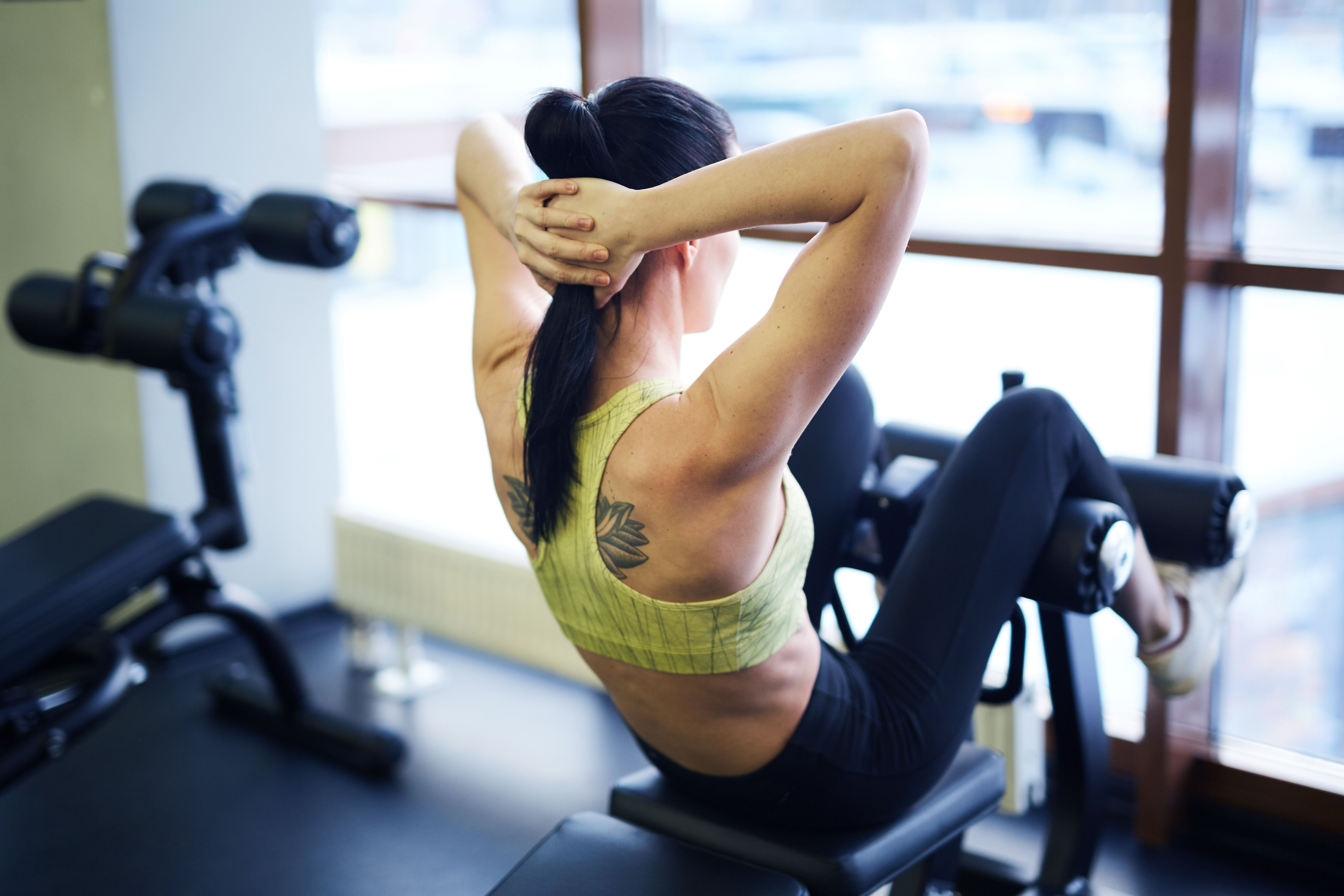
You meant to do a smart core workout. Then one plank became three, the bicycle crunches started multiplying like laundry, and suddenly your abs feel like they have filed a formal complaint with management. Overworking your abs during exercise is common, especially when you try a new routine, increase intensity too quickly, or treat “one more set” like a personality trait.
The good news: most sore abs after a hard workout are caused by normal muscle fatigue or delayed onset muscle soreness, often called DOMS. The less-fun news: sometimes abdominal pain after exercise can signal a strain, poor form, dehydration, or a more serious issue that needs medical care. Knowing the difference can help you recover faster, avoid making the problem worse, and return to training without turning every sneeze into a dramatic event.
This guide explains what to do if you’ve overworked your abs, how to tell normal soreness from injury, which recovery methods actually help, and how to prevent your next core session from becoming a tiny tragedy in yoga pants.
First, Figure Out What Kind of Ab Pain You Have
Before you start stretching, icing, or bargaining with your exercise mat, pause and assess the pain. Ab soreness can come from several causes, and each one needs a slightly different response.
Normal Muscle Soreness
Normal post-workout ab soreness usually feels like tenderness, stiffness, or a dull ache across the abdominal muscles. It often appears 12 to 24 hours after exercise and may peak one to three days later. You might notice it most when you laugh, cough, sit up, roll out of bed, or reach for something on a high shelf. Your abs are not broken; they are just loudly reviewing your workout choices.
This type of soreness is common after new exercises, high-rep core routines, eccentric movements, or workouts that challenge muscles in unfamiliar ways. For example, if you added hanging leg raises, decline sit-ups, ab-wheel rollouts, Pilates hundreds, or a long plank series, your core may need extra recovery time.
Abdominal Muscle Strain
An abdominal strain is different from ordinary soreness. It happens when muscle fibers are overstretched or torn. You may feel sharp pain during the workout, pain in one specific spot, swelling, bruising, muscle spasms, weakness, or discomfort that worsens when you twist, bend, cough, or contract your core.
A mild strain may improve with home care, but a more serious strain can take weeks to heal and may require professional evaluation. If your pain is sudden, intense, one-sided, or makes normal movement difficult, treat it as a possible injury rather than “just soreness.” Fitness bravery is admirable; ignoring a strain is not.
When Ab Pain May Be Something Else
Not all abdominal pain after exercise comes from your abs. Digestive issues, dehydration, side stitches, hernias, back problems, pelvic conditions, or internal medical problems can also cause abdominal discomfort. A visible bulge, severe pain, fever, vomiting, dizziness, chest pain, shortness of breath, dark urine, or pain that does not improve should be taken seriously.
Stop Training Your Abs for the Day
If your abs feel overworked, the first step is simple: stop doing core exercises. Do not test the pain with “just one more crunch.” That is how small problems apply for full-time employment.
When muscles are irritated, continuing to load them can increase inflammation, worsen soreness, or turn a minor strain into a bigger injury. Skip exercises that directly challenge the core, including sit-ups, crunches, leg raises, mountain climbers, Russian twists, planks, ab-wheel rollouts, heavy squats, heavy deadlifts, and intense twisting movements.
You do not necessarily need complete bed rest. In fact, gentle movement often helps normal soreness feel better. But the movement should be light, pain-free, and easy enough that your body does not think you are starting round two.
Use the First 24 to 48 Hours Wisely
The first couple of days after overworking your abs matter. Your goal is to reduce discomfort, avoid further damage, and let your body begin the repair process.
Rest, But Do Not Become a Couch Fossil
Rest the sore area by avoiding painful movements and intense ab training. However, gentle activity such as walking, easy cycling, or light daily movement can increase blood flow and reduce stiffness. Think “comfortable motion,” not “prove yourself to the gym mirror.”
If basic movements hurt, take a true rest day. If walking feels fine, keep it slow and relaxed. Your body is not asking for punishment; it is asking for a maintenance crew.
Try Ice for Sharp Pain or Suspected Strain
If you felt a sudden pull, sharp pain, or localized tenderness during exercise, ice may help during the early stage. Wrap an ice pack in a towel and apply it for about 10 to 20 minutes at a time. Do not place ice directly on your skin, and do not fall asleep with an ice pack on your abdomen.
Ice is most useful when pain feels acute, irritated, or injury-like. If the discomfort is only mild, general soreness, ice is optional. Some people prefer it; others would rather negotiate peace with a warm shower later.
Use Heat Later for Stiffness
After the first day or two, gentle heat may help if your abs feel tight or stiff rather than sharply painful. A warm shower, heating pad on a low setting, or warm compress can encourage relaxation and make movement more comfortable.
Avoid heat if there is swelling, bruising, or fresh injury pain. Heat can feel wonderful, but it is not the best first move for every situation.
Choose Gentle Recovery Movements
When your abs are sore, aggressive stretching is not a shortcut. Yanking on irritated muscles can make them angrier. Instead, use gentle mobility that helps you breathe, relax, and restore comfortable range of motion.
Diaphragmatic Breathing
Lie on your back with your knees bent. Place one hand on your belly and one on your chest. Slowly inhale through your nose and let your abdomen rise gently. Exhale slowly through your mouth. Do this for two to five minutes.
This helps reduce guarding, encourages relaxation, and reminds your core that not every contraction needs to be a board meeting.
Easy Cat-Cow
On hands and knees, gently arch and round your spine within a pain-free range. Move slowly for 5 to 8 repetitions. This can ease stiffness in the trunk and back without directly hammering your abs.
Supported Child’s Pose
Sit back toward your heels and rest your torso over a pillow or folded blanket. Keep the stretch mild. Breathe slowly for 20 to 30 seconds. If this position increases pain, skip it.
Short Walks
A 10- to 20-minute easy walk can help with blood flow and stiffness. Keep your posture relaxed and avoid speed-walking like you are late to a flight that has already started boarding.
Support Recovery With Food, Fluids, and Sleep
Recovery is not only what you do on the mat. It is also what you do after the workout, when your muscles are quietly rebuilding and hoping you will stop scrolling at midnight.
Hydrate Well
Water supports normal muscle function and recovery. If you sweat heavily, exercise in heat, or train for a long time, you may also need electrolytes from food or an appropriate sports drink. Signs that you may need more fluids include dark yellow urine, headache, dizziness, unusual fatigue, and muscle cramps.
Eat Enough Protein
Protein provides amino acids your body uses for muscle repair. Good choices include eggs, Greek yogurt, lean poultry, fish, tofu, beans, lentils, cottage cheese, and protein-rich smoothies. You do not need to eat like a professional bodybuilder; you just need to give your body building materials instead of asking it to renovate with vibes.
Include Carbohydrates
Carbohydrates help replenish glycogen, the stored energy your muscles use during training. Whole grains, fruit, potatoes, oats, rice, and beans can all support recovery. Pairing protein and carbs after a tough session is a practical move, especially if your workout was long or intense.
Prioritize Sleep
Sleep is one of the most underrated recovery tools. During quality sleep, your body supports tissue repair, hormone regulation, immune function, and energy restoration. If your abs are sore and your sleep is terrible, recovery may feel like it is moving by carrier pigeon.
Use Pain Relief Carefully
Over-the-counter pain relievers may help some people manage soreness, but they are not a license to return to hard training before your body is ready. Follow the label directions and avoid taking medications that are unsafe for you because of allergies, stomach ulcers, kidney disease, liver disease, blood thinners, pregnancy, or other medical conditions.
If you are unsure what is safe, ask a healthcare professional. Also, avoid using pain medicine to mask sharp or worsening pain. Pain is information. It may be annoying information, but it is still information.
Know When to See a Doctor
Most overworked abs improve with rest and simple home care. Still, some symptoms deserve medical attention. Contact a healthcare provider if you have severe pain, pain that gets worse instead of better, bruising, swelling, numbness, tingling, weakness, trouble standing upright, or pain that does not improve after several days.
Seek urgent care right away if you experience dark cola-colored urine, extreme muscle pain, significant weakness, fever, vomiting, fainting, chest pain, shortness of breath, or a new bulge in the abdomen or groin. Dark urine after intense exercise can be a warning sign of a serious muscle breakdown condition called rhabdomyolysis, which needs immediate medical care.
You should also get checked if abdominal pain is sharp and located in one area, especially if it comes with digestive symptoms, fever, or worsening tenderness. Do not assume every belly pain is from crunches. Your body has more departments than the core department.
How Long Should You Rest Overworked Abs?
For mild soreness, 24 to 72 hours of reduced core training is often enough. You can train other muscle groups if those workouts do not require heavy bracing or painful core engagement. For example, an easy walk, gentle upper-body mobility, or light lower-body work may be fine, while heavy lifting may not.
If you suspect a strain, rest may need to be longer. Mild strains can improve in one to two weeks, while more significant strains may take several weeks. Recovery depends on severity, age, fitness level, sleep, nutrition, and whether you keep re-irritating the area by pretending you are “basically fine.”
A simple rule: if an exercise causes sharp pain, worsens symptoms, or changes your movement pattern, do not do it yet. Return when daily activities feel normal and gentle core engagement is pain-free.
How to Return to Ab Training Safely
When your symptoms improve, do not jump straight back into your hardest core workout. Your abs may forgive you, but they keep receipts.
Start With Low-Intensity Core Activation
Begin with exercises that teach control without excessive strain. Try dead bugs, heel taps, bird dogs, pelvic tilts, or modified side planks. Keep the range of motion small and stop before fatigue breaks your form.
Use the 50 Percent Rule
For your first core workout after soreness, do about half of your usual volume or intensity. If you normally do four rounds, do two. If you normally hold a plank for 60 seconds, try 20 to 30 seconds. If that feels good the next day, gradually increase.
Avoid Training Abs to Failure
Core muscles support posture, breathing, lifting, running, and daily movement. Training them to complete exhaustion can affect form during the rest of your workout. If your core gives out, your lower back, hips, and shoulders may start improvising, and improvisation is not always charming.
Progress Slowly
Increase one variable at a time: reps, sets, resistance, duration, or exercise difficulty. Do not increase all of them at once unless your hobby is collecting avoidable setbacks.
Common Mistakes That Make Sore Abs Worse
Recovery often goes wrong because people try to fix soreness with more intensity. Here are the usual suspects.
Doing More Crunches to “Loosen Up”
Crunches may warm the area temporarily, but they also load the same irritated tissues. Use gentle movement instead.
Stretching Too Hard
Deep backbends, aggressive cobra stretches, and forceful twisting can irritate sore or strained abdominal muscles. Keep stretching mild and pain-free.
Ignoring Form
Arching your lower back during leg raises, yanking your neck during crunches, or holding your breath during planks can overload the wrong areas. Quality beats quantity, even if quantity has better gym-bro marketing.
Skipping Warm-Ups
A good warm-up raises body temperature, increases blood flow, and prepares joints and muscles for work. Start with light cardio and dynamic movement before intense core exercises.
Training Abs Every Day at High Intensity
Your abs are muscles, not magical recovery machines. They need rest, especially after challenging sessions. Training your core two to four times per week is plenty for most people, depending on intensity, goals, and total workout load.
Best Ab Exercises to Restart With
When you are ready to train again, choose exercises that build stability before intensity.
- Dead bug: Great for core control while keeping the back supported.
- Bird dog: Builds stability through the trunk, hips, and shoulders.
- Modified side plank: Strengthens the obliques without excessive twisting.
- Glute bridge: Trains hip extension while encouraging trunk control.
- Pallof press: Builds anti-rotation strength using a cable or resistance band.
- Farmer’s carry: Challenges core bracing in a functional, upright position.
Save advanced moves like hanging leg raises, weighted sit-ups, ab-wheel rollouts, long plank challenges, and high-speed mountain climbers until you can perform easier movements without soreness returning.
How to Prevent Overworking Your Abs Next Time
Prevention is not about avoiding hard work. It is about making hard work productive instead of dramatic.
Build a Balanced Core Program
Your core is more than the six-pack muscles. Train your rectus abdominis, obliques, transverse abdominis, lower back, glutes, hips, and diaphragm. A balanced routine includes anti-extension, anti-rotation, side stability, hip control, and loaded carries.
Respect Recovery Days
Leave at least one day between intense core sessions, especially if you are doing high-volume or weighted abdominal training. Remember, muscle growth and adaptation happen during recovery, not while you are grimacing through rep number 87.
Use Better Form, Not Bigger Ego
Move slowly, breathe steadily, and keep your ribs and pelvis controlled. If your lower back takes over, reduce the difficulty. If your neck strains during crunches, support your head and focus on curling through the upper spine instead of pulling with your hands.
Increase Volume Gradually
If you are new to ab training, start with 5 to 10 minutes of core work two or three times per week. Add time, difficulty, or resistance gradually. Your body adapts well to progressive training; it is less thrilled by surprise boot camp energy.
Do Not Chase Soreness
Soreness is not proof that a workout worked. Better signs of progress include stronger lifts, improved posture, better endurance, more control, less back discomfort, and the ability to train consistently without needing three business days to recover from laughing.
Experience-Based Tips: What Overworked Abs Feel Like in Real Life
Anyone who has pushed too hard on core day knows the special comedy of sore abs. You do not truly appreciate your abdominal muscles until you need them for advanced athletic tasks like getting out of bed, opening a heavy door, or sneezing without seeing your ancestors.
A common experience is the “delayed surprise.” The workout itself may feel fine. You finish your planks, wipe down the mat, and walk away feeling heroic. Then the next morning arrives, and your body sends a memo: “Regarding yesterday’s confidence, we need to talk.” This is classic delayed soreness. It often shows up after new moves, especially exercises that lengthen the abs under tension, such as ab-wheel rollouts, decline sit-ups, or slow lowering leg raises.
Another real-life lesson: soreness can change how you move. When abs are tender, people often avoid twisting, take shallow breaths, or use their arms to push themselves out of chairs. That is a sign to keep activity gentle. A light walk may feel great, but a heavy lifting day that requires strong bracing may feel terrible. Listening to that difference is not weakness; it is good training judgment wearing sensible shoes.
Many people also learn that “core day” is not only about the visible abs. After a tough session, soreness may show up along the sides of the waist, near the ribs, or deep through the trunk. That can happen because the obliques and deeper stabilizing muscles were working hard, especially during twisting movements, side planks, carries, or anti-rotation exercises. The soreness may feel strange, but if it is mild, symmetrical, and improving, it is usually manageable with rest and light movement.
One helpful recovery habit is to treat the next day like a reset, not a punishment. Instead of repeating the same ab workout, choose walking, gentle mobility, easy breathing drills, and a normal meal with protein and carbohydrates. The goal is to feel better by tomorrow, not win a private championship against your own torso.
Another useful experience: warm-ups matter more than people want to admit. Jumping straight into intense ab exercises can make the first few sets feel awkward and increase strain on the hip flexors, lower back, and neck. A few minutes of light cardio, hip mobility, shoulder mobility, and easy core activation can make the whole session smoother.
Finally, the best long-term lesson is that consistency beats soreness. The people who build strong, functional cores are not usually the ones destroying themselves with marathon crunch sessions. They are the ones who train regularly, progress slowly, use clean form, sleep enough, eat enough, and stop before their technique falls apart. Your abs do not need a dramatic villain origin story. They need smart programming, recovery, and maybe fewer surprise plank challenges.
Conclusion
If you’ve overworked your abs during exercise, the smartest move is to stop direct core training, assess your symptoms, and let your body recover. Mild soreness usually improves with rest, gentle movement, hydration, balanced nutrition, and sleep. Sharp pain, bruising, swelling, weakness, dark urine, a visible bulge, or symptoms that worsen should be evaluated by a healthcare professional.
When you return to exercise, start with easier core activation, reduce your usual volume, and progress gradually. Strong abs are built through smart training, not heroic suffering. Your core should support your life, not make you fear coughing in public.
Note: This article is for general educational purposes only and is not a substitute for medical advice, diagnosis, or treatment. Anyone with severe, worsening, unusual, or persistent abdominal pain after exercise should consult a qualified healthcare professional.