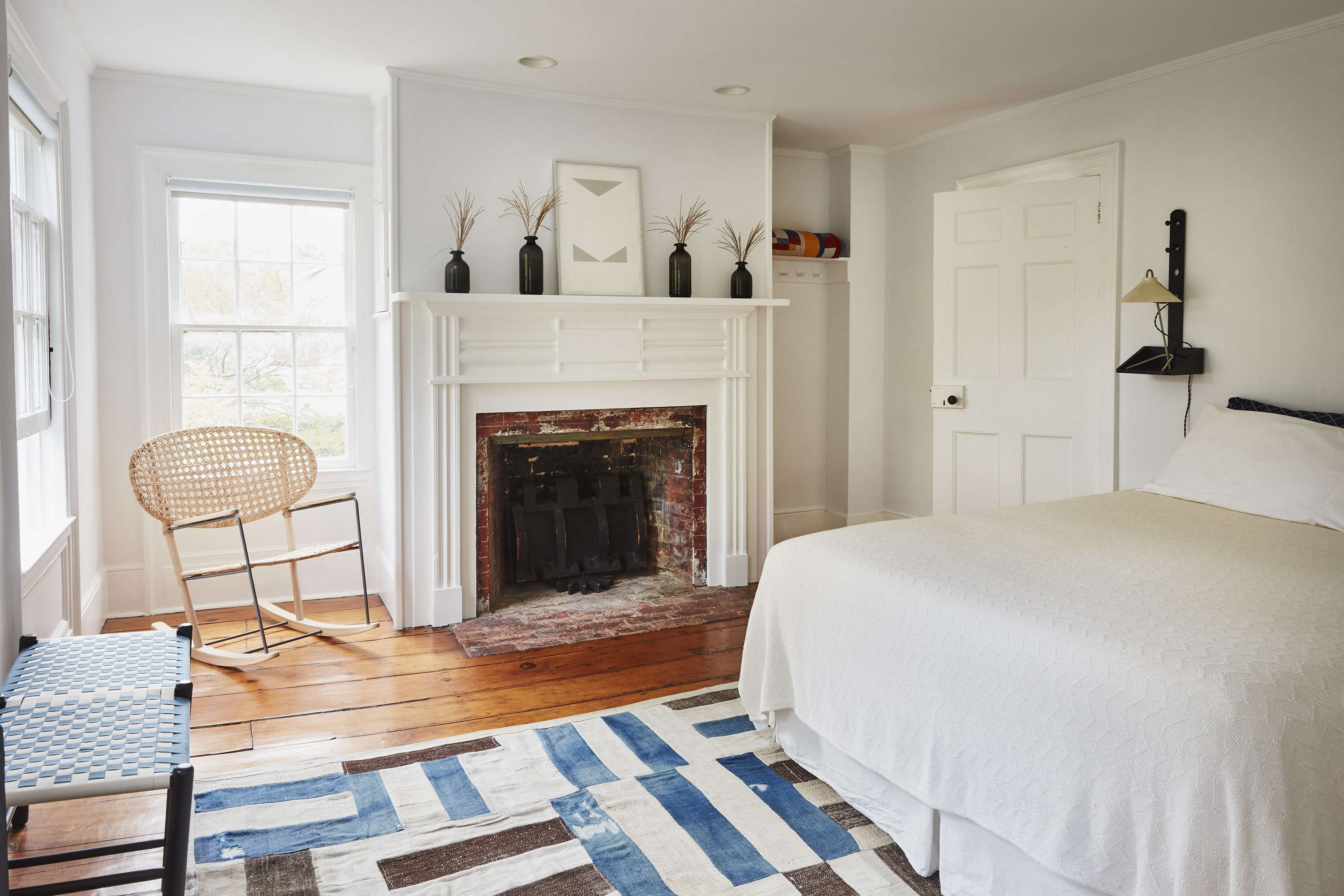
Some rooms shout. Others whisper. And then there are the rare rooms that lean casually against the doorframe, wearing linen, looking unbothered, and somehow making everyone else feel overdressed. That is the charm behind the much-loved design moment known as Remodelista Reconnaissance: A Cane-Back Rocker in a Designer’s Summer Bedroom. It is not about a giant chandelier, a dramatic wall mural, or a bed piled so high with pillows that sleeping becomes a competitive sport. It is about one deceptively simple piece: a cane-back rocking chair placed in the corner of a breezy, stylish summer bedroom.
The original sighting appeared in a designer bedroom by French designer C. S. Valentin in Bellport, New York. The chair was identified as IKEA’s Grönadal rocking chair, a now-discontinued piece with a slim black frame, curved seat, and airy cane or rattan-like woven back. It had the relaxed elegance designers love: sculptural, useful, lightweight, and just imperfect enough to feel human. In other words, the chair did what good furniture should do. It entered the room, behaved beautifully, and did not demand a parade.
This article explores why a cane-back rocker works so well in a summer bedroom, how to recreate the look today, what to consider before buying a vintage or new woven rocking chair, and how to style it without turning your bedroom into a themed beach rental called “Rattan Regrets.”
Why This Cane-Back Rocker Moment Still Works
The cane-back rocker is memorable because it balances three powerful design ideas: lightness, nostalgia, and function. Cane furniture has a long history in interiors because it feels both crafted and breathable. Unlike a heavy upholstered armchair, a woven-back rocker lets light pass through it. That matters in a bedroom, especially a summer bedroom, where the goal is to make the space feel cooler, calmer, and easier to inhabit.
In Valentin’s room, the rocker was not treated like a precious museum object. It sat naturally in the corner, near Shaker-inspired details, mirrors, simple textiles, and a mix of vintage and accessible finds. That mix is the secret sauce. A cane-back rocking chair can look old-fashioned if it is surrounded by fussy furniture, but it becomes fresh when paired with clean lines, honest materials, and a room that is edited rather than over-decorated.
The Design Power of Cane, Rattan, and Wicker
Cane vs. Rattan vs. Wicker
These terms often get tossed around like decorative confetti, but they are not exactly the same. Rattan is a natural vine-like palm commonly used to make furniture. Cane is typically made from the outer bark of rattan and is often woven into chair seats, backs, cabinet fronts, and headboards. Wicker is not a material at all; it is a weaving technique. That means a wicker chair might be made from rattan, willow, bamboo, synthetic fiber, or another flexible material.
Why does this matter? Because the material affects durability, texture, maintenance, and style. A cane-back rocker has a finer, more open look than many chunkier rattan lounge chairs. It reads as delicate without necessarily being fragile. In a bedroom, that visual lightness can keep a corner from feeling crowded.
Why Designers Keep Returning to Woven Furniture
Woven furniture has a rare ability to look casual and refined at the same time. It can live in coastal cottages, modern apartments, farmhouse bedrooms, traditional homes, and minimalist retreats. That flexibility explains why cane and rattan repeatedly return to design conversations. They bring texture without shouting pattern, warmth without visual heaviness, and craft without the “I bought everything in one afternoon” look.
In a summer bedroom, those qualities are gold. The weave adds interest to a neutral palette. The natural texture softens painted floors or crisp white walls. The curved rockers introduce movement in a room that might otherwise be all straight bed frames, nightstands, and dressers.
How to Recreate the Look of the Designer’s Summer Bedroom
Start With a Slim Silhouette
The key is not just “buy any rocking chair.” A bulky nursery rocker may be comfortable, but it will not create the same airy effect. Look for a cane-back rocker with a slim frame, open sides, and a seat that does not visually swallow the corner. Black metal, dark wood, or bentwood frames can all work, depending on the room.
If the bedroom is small, choose a rocker with a low profile and visible negative space. Negative space is the designer term for “places where your eyes can breathe.” A chair with open caning and thin legs feels lighter because you can see through and around it.
Place It Where It Has a Job
A cane-back rocking chair should not look abandoned, like it wandered in from the porch during a storm. Give it a clear purpose. Put it beside a window as a reading perch. Place it near a small side table for tea, books, or a vase of cut branches. Use it beside a dresser as a place to put on shoes. In a guest bedroom, it can act as a quiet landing spot for a bag, scarf, or folded throw.
Leave enough room for the chair to rock gently. This sounds obvious, but many people place rockers too close to walls. Then the chair taps the wall every time someone sits down, like a tiny wooden woodpecker with boundary issues. Allow breathing room behind and in front of the chair.
Keep the Bedding Relaxed
A summer bedroom should feel easy. Linen sheets, cotton quilts, lightweight coverlets, and relaxed pillow arrangements work beautifully with cane furniture. Skip the overstuffed hotel pillow mountain unless you enjoy removing twelve decorative pillows before bedtime. The rocker already brings texture, so bedding can stay simple.
Soft whites, warm creams, pale yellow, faded blue, olive, clay, and sand tones all pair well with cane. For a designer look, avoid matching everything too perfectly. A cane rocker, a vintage lamp, a striped blanket, and one strong piece of art will feel more collected than a full bedroom set bought as a package.
What to Look for When Buying a Cane-Back Rocker
Check the Frame First
Whether you buy new, vintage, or secondhand, inspect the frame carefully. A beautiful chair with a weak frame is just a decorative trap. Wiggle the arms, legs, and rockers. Look for cracks, loose joints, rust, or repairs that seem more hopeful than structural. If the chair squeaks, a little sound can be charming. If it groans like an old pirate ship, proceed cautiously.
Inspect the Cane or Woven Back
Natural cane can last for years, but it does not love extreme dryness, direct sun, or rough treatment. Look for broken strands, sagging panels, sharp edges, or areas where the weave has pulled away from the frame. A little patina is attractive. A seat that looks like it survived a raccoon disagreement is another story.
If you fall in love with a vintage piece, remember that cane can often be repaired or replaced by a professional caner. Recaning costs vary by chair size, weave type, and region, but it may be worthwhile for a special piece with great lines.
Measure Before You Buy
Measure the bedroom corner, then measure the rocker. Account for rocking movement, nearby curtains, floor lamps, nightstands, and closet doors. A rocker that looks petite online can feel surprisingly present in real life. The goal is a chair that adds charm, not one that turns every trip to the closet into furniture parkour.
Styling Ideas for a Cane-Back Rocker in a Bedroom
Add One Soft Textile
Cane is beautiful, but it is not always plush. Add one linen cushion, a folded cotton throw, or a small sheepskin-style pad if comfort is needed. Keep the textile simple so the weave remains visible. The best styling choice is often the one that looks accidental but was absolutely not accidental.
Use Lighting to Create a Destination
A chair plus a lamp equals a room within a room. A slender floor lamp, wall sconce, or small table lamp can turn the rocker into a reading corner. Warm light is especially important in a bedroom because it softens shadows and makes the space feel restful at night.
Pair Cane With Contrast
Cane furniture shines when it has contrast. Pair it with dark painted floors, white walls, graphic art, black metal, antique wood, or a modern rug. This is why Valentin’s approach feels so fresh: the room was not built around one period or one store. It mixed design languages. Cane can handle that. It is socially gifted furniture.
Let the Chair Breathe
Do not crowd a cane-back rocker with baskets, plants, side tables, stools, and decorative objects. One chair, one useful companion piece, and one soft layer are usually enough. The appeal comes from restraint. When in doubt, remove one thing. The rocker will quietly thank you.
Care Tips for Cane and Rattan Furniture
Natural cane and rattan are durable, but they appreciate civilized living conditions. Keep cane furniture away from harsh direct sunlight, heating vents, and extremely dry rooms. Too much dryness can make the fibers brittle. Too much moisture can encourage mildew or loosen the weave. The sweet spot is a stable indoor environment with decent airflow.
Dust the chair regularly with a soft cloth or vacuum brush attachment. For the woven areas, a soft paintbrush or toothbrush can help remove dust from small crevices. If the chair needs cleaning, use a lightly damp cloth rather than soaking the cane. Always let it dry fully before use.
Avoid standing on cane seats or placing heavy objects on them for long periods. Cane is strong when used properly, but it is not a stepladder, storage shelf, or emotional support laundry pile. If the chair is used daily, consider a thin cushion to spread pressure and extend the life of the weave.
Why the Look Feels Especially Right for Summer
Summer design is not only about color. It is about air. A good summer bedroom feels breathable, unfussy, and ready for slow mornings. A cane-back rocker supports that mood because it visually cools the room. The open weave suggests ventilation. The curved base suggests ease. The natural material connects the bedroom to porches, gardens, and windows left open after sunset.
That does not mean the room must look coastal. In fact, the most sophisticated version avoids obvious seashells, anchor motifs, and signs that say “Beach.” The cane-back rocker can suggest summer without announcing it through a megaphone. Pair it with linen, painted wood, vintage lighting, and a small stack of books. Suddenly the room feels like a weekend, even on a Tuesday.
Designer Lessons From the Remodelista Reconnaissance Moment
Lesson 1: One Detail Can Carry a Room
The cane-back rocker proves that a room does not need dozens of dramatic gestures. One well-chosen piece can create atmosphere. The chair gives the bedroom a point of view: relaxed but intentional, spare but warm, practical but poetic.
Lesson 2: Affordable Pieces Can Look Elevated
The original chair was an IKEA piece, which is part of the story’s charm. Good design is not always about the most expensive item in the room. It is about proportion, placement, and context. A humble chair can look exceptional when surrounded by thoughtful choices.
Lesson 3: Discontinued Does Not Mean Impossible
IKEA’s Grönadal rocker may be discontinued, but the idea is easy to translate. Look for vintage cane rockers, black-frame rattan chairs, bentwood rockers, or modern woven accent chairs with a similar lightness. The goal is not to clone the room. The goal is to understand the design logic and adapt it.
Experience Notes: Living With the Cane-Back Rocker Look
The best way to understand this look is to imagine using the room over a full summer day. In the morning, the cane-back rocker becomes the chair where a guest drops a robe, ties sandals, or drinks coffee while the bed is still rumpled. It does not need to be styled perfectly to look good. In fact, it often looks better with one casual throw over the back and a paperback on the seat. That is the beauty of woven furniture: it can handle real life without losing its charm.
By afternoon, the chair becomes a visual cooling device. Sunlight moves through the caned back, shadows fall across the wall, and the whole corner feels lighter. A solid upholstered chair might block that effect, but cane lets the room stay open. This is especially useful in older houses, small bedrooms, or guest rooms where every square foot counts. A cane rocker gives you seating without making the room feel packed.
At night, the experience changes again. Add a warm lamp nearby and the chair becomes a quiet reading spot. The rocking motion is subtle, almost old-fashioned, but that is part of the appeal. Modern bedrooms are full of screens, chargers, smart devices, and tiny lights blinking like anxious robots. A rocking chair slows the room down. It invites a person to sit, breathe, and do something radically vintage, such as reading three pages of a book before falling asleep.
There are practical lessons, too. First, comfort matters. Some cane rockers look gorgeous but feel like sitting on a polite basket. A small cushion can solve that while preserving the airy look. Second, placement matters more than people think. The chair should have enough room to rock and should not block closet doors, drawers, or the natural walking path around the bed. Third, maintenance is part of the deal. Cane and rattan are living-looking materials; they reward gentle care and punish neglect with cracking, sagging, or dust that gathers in every tiny woven intersection.
The most successful experience comes when the chair feels integrated rather than staged. It should not look like a prop placed for a photo. It should look like someone actually sits there, even if only to put on socks, read a magazine, or stare thoughtfully out the window like the main character in a very tasteful independent film. That lived-in quality is what makes the Remodelista moment so appealing. The rocker is beautiful, yes, but it is also believable.
For anyone recreating the look, the experience is less about finding the exact discontinued chair and more about capturing the feeling: light, spare, textural, and quietly summery. A cane-back rocker can make a bedroom feel collected instead of decorated, relaxed instead of bare, and charming without tipping into cute. That is a difficult balance, which is probably why designers keep returning to woven pieces. They do a lot with very little, and they never seem to be trying too hard. Honestly, we could all learn from that chair.
Conclusion
Remodelista Reconnaissance: A Cane-Back Rocker in a Designer’s Summer Bedroom is more than a furniture-sourcing story. It is a small master class in why certain rooms linger in the imagination. The cane-back rocker works because it is useful, beautiful, relaxed, and light on its feet. It adds texture without clutter, nostalgia without fuss, and comfort without bulk.
To recreate the look, choose a rocker with an open weave, slim frame, and graceful proportions. Place it where it has a real purpose. Pair it with natural textiles, warm lighting, and a mix of old and new pieces. Care for the cane gently, keep the styling restrained, and let the chair do what it does best: make the bedroom feel like summer has decided to stay awhile.