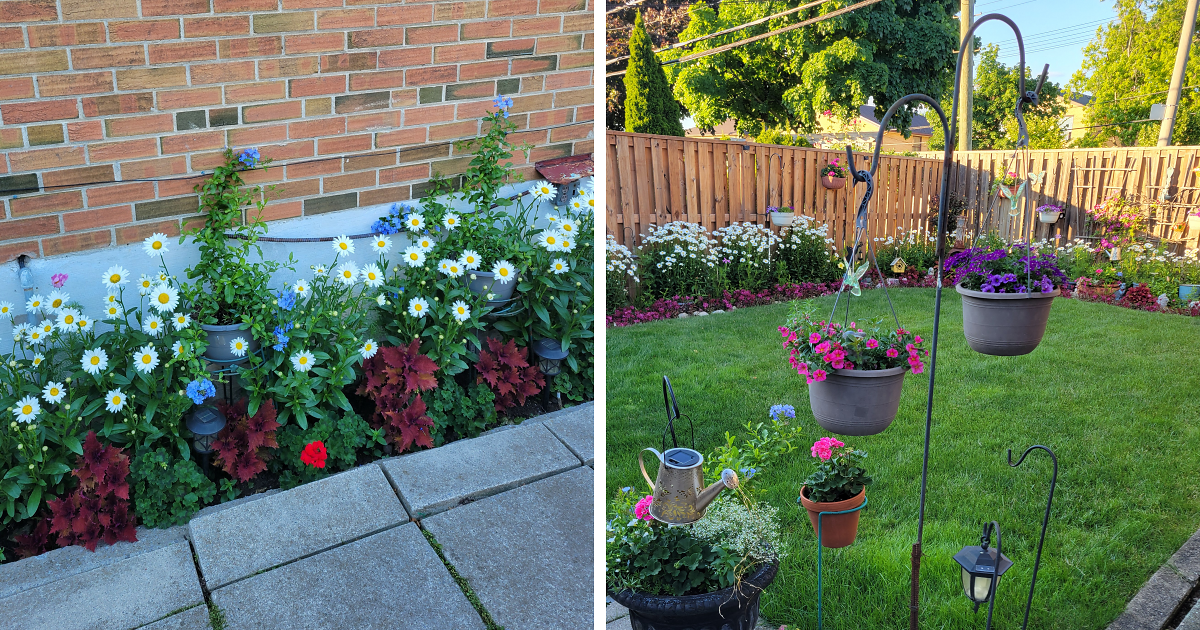
A beautiful home garden has a magical way of making people stop mid-scroll. One minute, you are checking your phone for “just five minutes,” and the next you are admiring someone’s tomato jungle, rose arch, balcony herb forest, or backyard path lined with flowers that look suspiciously more organized than your entire life. And honestly? We love that for them.
The phrase “Hey Pandas, post a photo of your beautiful home garden” feels like an invitation to celebrate ordinary outdoor spaces that have been turned into little pockets of joy. Not every garden needs a stone fountain, a greenhouse, or a pergola draped in magazine-worthy wisteria. Some of the most charming gardens begin with a few pots, a sunny windowsill, a patch of stubborn soil, and one brave gardener saying, “Let’s see what happens.” Spoiler alert: what happens is usually weeds, then learning, then beauty.
Whether your garden is a backyard paradise, a front-yard pollinator patch, a tidy vegetable bed, or a collection of containers on a patio, it tells a story. It shows your patience, your style, your love of nature, and possibly your ongoing feud with squirrels. This guide explores what makes a home garden beautiful, how to photograph it well, and how to create a space worth sharing with the world.
Why Home Gardens Are Having Their Main Character Moment
Home gardens are no longer just “that place where the lawn mower lives.” Across the United States, more people are rethinking their yards, patios, and balconies as personal retreats, food sources, wildlife habitats, and creative spaces. A beautiful home garden can reduce stress, support pollinators, improve curb appeal, provide fresh herbs and vegetables, and give you a very good excuse to buy another watering can.
Modern gardening is also more flexible than ever. You do not need a huge backyard to grow something meaningful. A sunny balcony can host tomatoes, basil, strawberries, dwarf peppers, and cheerful annual flowers. A small front yard can become a pollinator garden filled with native plants. A narrow side yard can hold raised beds. Even a single container near the door can become a tiny welcome committee for bees, butterflies, and admiring neighbors.
The best part is that home gardens are personal. One gardener may love a romantic cottage garden with overflowing flowers. Another may prefer crisp edges, gravel paths, ornamental grasses, and a minimalist “I definitely know what I’m doing” look. A third may simply want enough cucumbers to make summer salads and enough marigolds to pretend pest control is glamorous.
What Makes a Beautiful Home Garden?
A beautiful garden is not just about rare plants or expensive design. It is about harmony. The strongest home gardens usually balance structure, color, texture, function, and seasonal interest. They look good from a distance but become even more interesting up close.
1. A Clear Garden Layout
Before plants start doing their leafy little dances, a garden needs a plan. That does not mean a professional blueprint. It can be as simple as deciding where people walk, where plants grow, where you sit, and where the hose can reach without turning into a backyard jump rope.
Paths, borders, raised beds, containers, trellises, and seating areas help define the space. They give the eye somewhere to go and prevent the garden from looking like a botanical yard sale. Curved paths feel soft and natural, while straight lines feel clean and formal. Raised beds add order and make vegetable gardens easier to manage. Containers create height and flexibility, especially for renters or anyone whose soil seems personally offended by plant roots.
2. Healthy Soil: The Secret Star of the Show
Beautiful gardens start underground. Soil health affects plant growth, water retention, drainage, nutrient availability, and root development. In other words, soil is the behind-the-scenes manager making sure the flowers show up on time and the tomatoes do not throw a tantrum.
A soil test is one of the smartest first steps for gardeners because it can reveal pH levels, nutrient needs, and potential problems. Adding finished compost can improve soil structure and support beneficial soil life. For raised beds, many gardening experts recommend a balanced mix of quality soil and compost rather than filling beds with random mystery dirt from the back corner of the yard. Mystery dirt has a past, and it may not be a good one.
3. Plants That Match the Place
A garden becomes easier and more beautiful when plants are chosen for the conditions they will actually live in. Sun-loving zinnias will not thank you for a shady corner. Moisture-loving plants will not thrive in dry, sandy soil unless you are prepared to become their personal hydration assistant.
Before planting, notice how much sun the area receives, where water collects, where wind is strongest, and which areas stay hot or cool. Match plants to those conditions. Native plants are often excellent choices because they are adapted to local climates and can support local wildlife. Many native flowers, shrubs, and grasses provide nectar, pollen, seeds, shelter, and host plants for beneficial insects and birds.
4. Layers, Texture, and Color
A photo-worthy garden often uses layers: tall plants in the back, medium plants in the middle, and low-growing plants near the front. This creates depth and makes the garden feel full instead of flat. Texture matters too. Combine broad leaves, fine grasses, glossy foliage, soft herbs, airy flowers, and sturdy shrubs for visual variety.
Color can be bold or subtle. A sunny garden might glow with yellow coreopsis, purple coneflowers, red salvia, orange marigolds, and blue containers. A calmer garden might use white flowers, silver foliage, pale pink roses, lavender, and green herbs. There is no single “correct” palette. The goal is to make the space feel intentional, even if the original plan was “I bought too many plants again.”
Garden Ideas Worth Sharing With Fellow Pandas
Looking for inspiration before posting your beautiful home garden photo? Here are several garden styles that always make people pause, smile, and maybe whisper, “I need to do this at my house.”
The Cozy Backyard Garden
A cozy backyard garden focuses on comfort. Think seating under a tree, string lights, potted flowers, fragrant herbs, a small water feature, and a path that invites slow wandering. This type of garden is perfect for morning coffee, evening reading, and pretending you are too busy “checking the lavender” to answer emails.
To create this style, use soft edges, comfortable seating, layered planting, and plants with scent or movement. Lavender, rosemary, bee balm, ornamental grasses, hydrangeas, roses, and native perennials can all contribute to a relaxed atmosphere.
The Productive Vegetable Garden
Vegetable gardens are beautiful in their own confident way. Rows of lettuce, climbing beans, tomato cages, pepper plants, basil, and marigolds can look just as charming as ornamental beds. Companion planting can help gardeners use space efficiently by combining vegetables, flowers, and herbs in thoughtful arrangements.
For an attractive vegetable garden, add structure with raised beds, trellises, labeled markers, mulched paths, and flowering borders. Tomatoes climbing a trellis, nasturtiums spilling over a bed edge, and basil tucked between peppers create a garden that is both pretty and practical. Also, nothing says “success” quite like carrying one homegrown zucchini into the kitchen as if it were a championship trophy.
The Pollinator Garden
A pollinator garden is designed to support bees, butterflies, moths, hummingbirds, and other helpful visitors. The best pollinator gardens include a variety of flowers that bloom from early spring through fall, planted in groups so pollinators can find them easily. Native plants are especially valuable because they often provide the right food and shelter for local species.
To make a pollinator garden more photo-worthy, plant in drifts rather than isolated dots. Mix heights and bloom times. Include flowers such as coneflower, milkweed, bee balm, black-eyed Susan, goldenrod, asters, salvia, zinnias, and sunflowers, depending on your region. Avoid unnecessary pesticide use, and leave some natural shelter where possible. The bees are not asking for luxury condos, but they do appreciate habitat.
The Container Garden
Container gardens are ideal for patios, balconies, porches, and small spaces. They are also perfect for gardeners who enjoy rearranging plants the way other people rearrange furniture. Containers can hold herbs, annual flowers, dwarf vegetables, succulents, small shrubs, and even compact fruit varieties.
For a polished look, group containers in odd numbers and vary height, shape, and texture. Use the “thriller, filler, spiller” method: one upright focal plant, several fuller plants around it, and trailing plants over the edge. A large pot with purple fountain grass, petunias, sweet potato vine, and coleus can turn a plain porch into a mini garden stage.
The Native Plant Garden
A native plant garden can be both beautiful and environmentally helpful. Native plants often require less fertilizer and can be more resilient once established. Their deep roots may help improve soil structure, reduce runoff, and provide habitat for insects and birds.
The trick is to design native plantings with intention. Use defined edges, paths, signs, or repeating plant groups so the garden reads as purposeful rather than “the mower gave up.” Combine native grasses, flowering perennials, shrubs, and groundcovers. In many regions, plants like little bluestem, purple coneflower, butterfly weed, serviceberry, oakleaf hydrangea, and native asters can create beauty across multiple seasons.
How to Take a Great Photo of Your Beautiful Home Garden
A garden photo should make viewers feel like they could step into the scene. You do not need a professional camera; a smartphone can capture gorgeous images if you pay attention to light, angle, composition, and timing.
Use Morning or Evening Light
Harsh midday sun can wash out colors and create strong shadows. Early morning and late afternoon light are softer and warmer, making flowers, leaves, and pathways look more inviting. Morning light is especially lovely when dew is still on the plants. Dew is basically nature’s glitter, except tasteful.
Choose a Focal Point
Every strong garden photo needs something for the eye to land on. It could be a blooming rose, a garden bench, a birdbath, a trellis covered in beans, a bright container, or a winding path. Without a focal point, the viewer may feel lost in a sea of green, which is peaceful in real life but confusing in a photo.
Show Before-and-After Progress
People love transformation. If you have photos from the early days of your garden, share them alongside current images. A bare patch becoming a lush flower bed is deeply satisfying. It is the gardening version of a makeover montage, minus the dramatic background music.
Capture the Details
Wide shots show the whole garden, but close-ups tell the story. Photograph a bee on a flower, raindrops on leaves, herbs in a basket, a tomato just starting to blush red, or a handmade plant marker. These small details reveal the personality of your garden.
Common Garden Mistakes That Sneak Into Beautiful Spaces
Even beautiful gardens have awkward phases. Sometimes plants flop, pests arrive, watering goes sideways, or a “compact” shrub turns out to have the ambition of a small tree. The goal is not perfection; it is progress.
Planting Too Closely
Small plants in nursery pots can look lonely, so many gardeners plant them too close together. Then summer arrives, and suddenly the garden becomes a leafy traffic jam. Always check mature plant size and give roots and leaves room to grow.
Ignoring Water Needs
Different soils hold water differently. Sandy soil and container mixes can dry quickly, while clay soil drains more slowly. Mulch can help conserve moisture and reduce weeds. Raised beds often drain well, which is great for roots but may mean more frequent watering during hot weather.
Forgetting Seasonal Interest
A garden that looks incredible for two weeks and empty for the rest of the year can feel disappointing. Choose plants with staggered bloom times, interesting foliage, seed heads, berries, bark, or evergreen structure. A garden should have something to say in spring, summer, fall, and even winter, even if winter mostly says, “Please admire my twigs.”
How to Make Your Garden More Sustainable
Sustainability does not mean turning your yard into a complicated science project. It means making choices that support soil, water, wildlife, and long-term garden health.
Start by composting leaves, grass clippings, and suitable food scraps when possible. Composting can reduce household waste and create a useful soil amendment. Use mulch to protect soil and conserve moisture. Choose plants adapted to your local climate. Reduce unnecessary chemical inputs. Add native plants for pollinators and wildlife. Collect rainwater where local rules allow. Leave some leaf litter or plant stems in appropriate areas for overwintering insects.
Small changes add up. One native flower bed, one compost bin, one less pesticide application, or one patch of clover in a lawn can make a difference. Your garden does not need to become an ecological masterpiece overnight. It can begin with one better choice and grow from there, just like every gardener who once had no idea which end of a seed was “up.”
Real-Life Garden Examples That Inspire
Imagine a suburban backyard with three raised beds, a gravel path, and a row of sunflowers along the fence. The tomatoes climb, the basil smells like summer, and marigolds brighten the corners. It is simple, useful, and beautiful.
Now picture a tiny apartment balcony with railing planters full of trailing petunias, a pot of mint, a dwarf tomato, and a folding chair. There is barely room to turn around, but the space feels alive. Beauty does not measure itself in square feet.
Or think of a front yard converted from plain turf to a native pollinator garden. In spring, early blooms feed bees. In summer, coneflowers and milkweed bring butterflies. In fall, asters and goldenrod keep the show going. Birds visit seed heads in winter. The garden is not just decoration; it is a living system.
Experiences Related to “Hey Pandas, Post A Photo Of Your Beautiful Home Garden”
There is something wonderfully human about asking people to post photos of their home gardens. A garden photo is never just a photo. It is a little confession. It says, “I cared for this.” It says, “I waited.” It says, “This corner of the world looked plain once, and I decided it deserved better.” That is why garden-sharing communities feel so warm. They are not only showing off blooms and harvests; they are sharing patience, creativity, and the tiny victories that make gardening addictive.
One gardener might post a picture of a first tomato, still green and barely bigger than a golf ball, with the pride of someone presenting a royal heir. Another might share a wildflower patch that started from a packet of seeds and turned into a buzzing buffet for bees. Someone else may post a before-and-after photo of a neglected backyard that became a peaceful retreat with mulch paths, raised beds, and a bench where they now drink coffee while pretending not to inspect every leaf for pests.
The best garden stories often include mistakes. Maybe the zucchini grew so aggressively it seemed to be auditioning for a monster movie. Maybe the mint escaped its pot and began colonizing the yard like it had a five-year expansion plan. Maybe the gardener planted sunflowers and discovered that birds, squirrels, and gravity all had opinions. These moments make garden photos more relatable. A perfect garden is lovely, but a garden with a funny backstory is unforgettable.
Sharing home garden photos also helps beginners learn. A single image can teach layout, plant pairing, color balance, mulching, container placement, and creative reuse. Someone may see an old ladder used as a plant stand and realize their garage clutter has decorative potential. Another person may notice how flowers are planted near vegetables and decide to add pollinator-friendly blooms to their own raised bed. In this way, one garden photo can become a small seed of inspiration planted in someone else’s imagination.
There is also emotional value in these shared spaces. For many people, a garden is where they recover from busy weeks, honor family traditions, teach children about nature, or remember loved ones. A rose bush from a grandmother’s cutting, a herb pot planted with a child, or a small memorial corner with favorite flowers can hold more meaning than any expensive landscape feature. When people post their beautiful home garden, they are often sharing a piece of home that words alone cannot fully explain.
So, hey Pandas, post that photo. Post the polished corner and the messy one. Post the balcony basil, the backyard roses, the pollinator patch, the vegetable beds, the garden path, the accidental pumpkin vine, and the flower pot that survived despite all odds. Your garden does not need to be perfect to be beautiful. It only needs to be alive, loved, and honest. Besides, someone out there may see your garden and think, “Maybe I can grow something too.” That is how beautiful gardens spread: one photo, one idea, one brave little seed at a time.
Conclusion
A beautiful home garden is more than a pretty backdrop. It is a living blend of design, patience, soil care, plant knowledge, creativity, and personal expression. Whether you grow vegetables, native flowers, roses, herbs, succulents, or a cheerful chaos of everything you could not resist at the garden center, your space has value. It supports nature, improves your home, and gives you a place to breathe.
The invitation “Hey Pandas, post a photo of your beautiful home garden” is really a celebration of everyday beauty. It reminds us that gardens do not have to be grand to be inspiring. They can be small, quirky, practical, colorful, imperfect, and deeply loved. So take the photo. Share the story. And if there is a garden gnome lurking in the background, even better. The internet deserves to meet him.