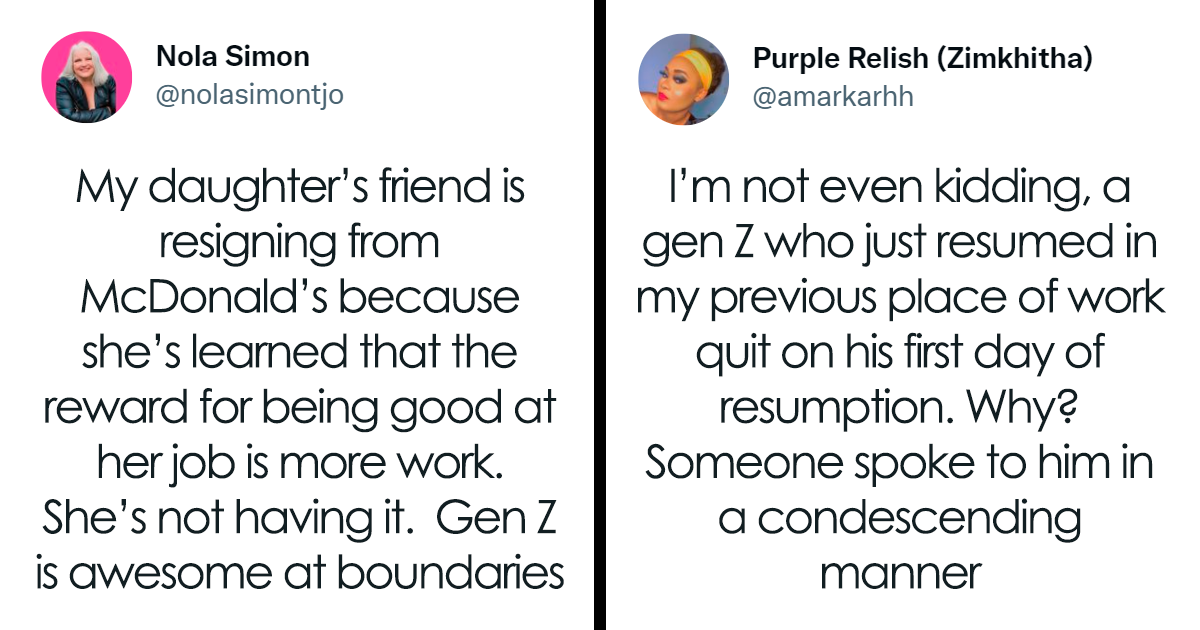
Every generation enters the workplace carrying a suitcase full of stereotypes. Boomers were once called rebellious. Gen X was supposedly too cynical. Millennials were accused of ruining everything from napkins to diamonds. Now Gen Z has clocked in, opened Slack, asked whether the meeting could have been an email, and somehow became the main character of the office drama.
The phrase “Gen Z workforce” has become a lightning rod in American workplace conversations. Some older managers see a generation that is creative, tech-fluent, values-driven, and refreshingly allergic to pointless corporate theater. Others see young employees who appear impatient, easily frustrated, hard to manage, overly casual, and sometimes unprepared for basic workplace expectations. The truth is messier, funnier, and more useful than the stereotype.
Recent workplace research shows that the conflict is not simply about laziness or entitlement. It is often a collision between old workplace rules and new workplace priorities. Gen Z employees tend to care deeply about learning, mental health, clear communication, fair pay, flexibility, purpose, and career growth. Older generations often care about reliability, professionalism, resilience, chain of command, and proving yourself before asking for more. Put those values in one office kitchen, add bad coffee, and congratulations: you have a generational think piece.
Below are 30 moments when older generations say they completely lost faith in the Gen Z workforce. Some are funny. Some are painfully familiar. Some reveal real problems. And some say more about broken workplaces than about young workers themselves.
Why the Gen Z Workforce Feels So Different
Gen Z grew up with smartphones, social media, economic uncertainty, remote learning, rising living costs, pandemic disruption, and an always-on internet culture. Many entered the workforce after years of school and social life being interrupted or digitized. That matters. A young employee who never learned office norms in person may not instinctively know when to speak up, how to ask for feedback, or why “Hey boss” in an email to the regional director might make someone’s left eye twitch.
At the same time, Gen Z is not entering work quietly. This generation is comfortable questioning systems, asking about salary transparency, talking about burnout, and refusing to treat exhaustion as a personality trait. To older workers who survived the “just be grateful you have a job” era, that can sound shocking. To Gen Z, it sounds like common sense with a calendar invite.
30 Times Older Generations Lost Faith In The Gen Z Workforce
1. When “on time” became “within the emotional neighborhood of the start time”
Few things trigger older managers faster than lateness. A Gen Z employee arriving 12 minutes late with an iced coffee and no visible panic can feel like a direct attack on the time clock. For younger workers, especially those used to flexible school or remote environments, time may feel less rigid. But in customer service, healthcare, manufacturing, and team-based roles, punctuality still matters. The workday may be modern, but the 9:00 a.m. shift still starts at 9:00 a.m., not “after my matcha settles.”
2. When they asked for a promotion before learning the printer
Ambition is great. Asking about advancement during week two is not automatically bad. But when a new hire wants a title change before mastering basic processes, older coworkers may start mentally updating their résumés. Gen Z often wants clear career paths early. Employers should provide them. But growth still requires evidence, not just vibes and a LinkedIn banner that says “future CEO.”
3. When feedback became a full emotional weather event
Many managers complain that some young employees struggle with criticism. Gen Z workers may prefer frequent, supportive, specific feedback rather than blunt correction. That does not mean feedback should be wrapped in bubble wrap, but it does mean older leaders may need to distinguish between coaching and drive-by criticism. “Do better” is not mentorship. It is a fortune cookie with management issues.
4. When “professional email” looked like a group chat
Older generations were trained to write emails like tiny legal documents. Gen Z grew up texting, reacting, abbreviating, and communicating quickly. The result can be emails that start with “Hi!” and end with nothing at all, like the sender vanished into the cloud. Professional writing remains a core workplace skill. A clear subject line, greeting, complete request, and polite sign-off can save everyone from decoding office hieroglyphics.
5. When they used ChatGPT before using judgment
Gen Z is often quick to adopt AI tools, which can be a strength. But older managers lose confidence when young workers paste AI-generated copy without checking facts, tone, or accuracy. AI can draft, summarize, and brainstorm. It cannot yet replace responsibility. The smartest Gen Z employees use AI like a power tool, not like a substitute brain wearing noise-canceling headphones.
6. When they expected workplace flexibility in a job that requires physical presence
Remote and hybrid work changed employee expectations across all ages. Still, not every job can be done from a bedroom desk under a galaxy projector. A restaurant server, lab technician, retail associate, nurse, mechanic, or event coordinator usually needs to be there. Flexibility is valuable, but some roles come with location reality. The espresso machine is not going to operate itself because someone prefers “deep work Mondays.”
7. When the phone call became a horror movie
Many Gen Z workers are excellent digital communicators but deeply uncomfortable with phone calls. Older employees, who built careers through live conversation, may see this as a soft-skills gap. Phone anxiety is real, but so is the need to talk to clients, vendors, patients, and coworkers. A simple script and practice can turn “please don’t make me call them” into “I handled it.” Growth often begins where the ringtone starts.
8. When they treated attendance as a suggestion box
Calling out sick when genuinely ill is responsible. Disappearing because the day feels “off” creates problems for everyone else. Gen Z’s openness about mental health is a positive cultural shift, but workplaces also run on coverage, deadlines, and trust. The best companies create humane policies. The best employees communicate early, honestly, and professionally. Both sides need to stop pretending the other side can read minds.
9. When they wanted meaningful work, but not boring work
Purpose matters to Gen Z. Many young employees want to know why their work matters. That is healthy. The trouble starts when every repetitive task is dismissed as beneath them. Every career includes boring work: spreadsheets, inventory, filing, proofreading, cleaning up databases, taking notes, and attending meetings where someone says “circle back” with a straight face. Meaningful work still includes maintenance work.
10. When they resigned by text
Few workplace exits irritate older generations more than quitting through a short message. A respectful resignation does not require Shakespeare, but it should be direct, professional, and documented. “Hey, I’m not coming back lol” is not a resignation letter. It is a workplace ghost story.
11. When “work best under pressure” meant “wait until disaster”
Some young workers are used to last-minute school assignments and fast digital problem-solving. But workplaces often involve other people’s timelines. Waiting until the deadline to start a project can create chaos for teammates. Older coworkers may interpret that as immaturity. Gen Z employees who learn project management early instantly become more trusted.
12. When they challenged every rule without first understanding it
Questioning outdated rules can improve companies. Gen Z is often good at spotting inefficient systems. But challenging a policy before understanding the reason behind it can make young workers look reckless. The winning move is simple: ask why, learn the context, then suggest a better way. Revolution is more persuasive when it comes with a spreadsheet.
13. When their camera was off, microphone muted, and soul missing
Remote meetings created new etiquette battles. Some managers feel ignored when young workers keep cameras off and barely respond. Gen Z may see this as normal digital behavior. The compromise is intentional presence: answer clearly, contribute when useful, and do not make your manager wonder whether you are taking notes or making pancakes.
14. When they expected constant praise for basic tasks
Recognition is powerful, and younger employees often value frequent affirmation. But older managers may roll their eyes when employees expect applause for completing normal responsibilities. The balance is healthy feedback: acknowledge good work, but do not turn every completed form into an awards ceremony with cupcakes.
15. When they confused boundaries with disengagement
Gen Z is helping normalize work-life boundaries. That is good. But “I do not answer emails after hours” is different from “I do not respond during the workday because my energy is private.” Boundaries protect performance; disengagement avoids it. Older generations lose faith when boundaries become a stylish label for unreliability.
16. When office dress codes met TikTok fashion
Workplace fashion has changed, and many offices are more casual than ever. Still, some industries expect a certain level of polish. Older workers may not understand crop tops, slides, pajama-coded pants, or hoodies in client meetings. Gen Z does not need to dress like a 1980s banker, but reading the room remains undefeated.
17. When they wanted transparency but gave vague updates
Young workers often ask companies for transparency about pay, expectations, values, and advancement. Fair request. But transparency should go both ways. A manager asking “How is the project going?” needs more than “good.” Useful updates include progress, blockers, next steps, and timing. “Good” is a mood, not a project status.
18. When they brought workplace drama to public social media
Some Gen Z employees are comfortable discussing work online. That can build community, but it can also damage trust. Posting about a boss, client, coworker, or internal policy may feel like venting, yet it can create real consequences. Older generations may not understand every platform, but they understand confidentiality. The internet has screenshots, and screenshots have receipts.
19. When they saw job-hopping as strategy, not instability
Older workers often built careers by staying put. Gen Z entered a labor market where switching jobs can sometimes bring faster pay growth or better opportunities. That creates a values clash. Employers see disloyalty; young workers see survival. The smarter lesson for both sides is this: companies must give people reasons to stay, and employees must avoid leaving so often that their résumé looks like a restaurant menu.
20. When they skipped the small talk and missed the relationship
Older employees often rely on workplace relationships built through casual conversation. Gen Z may prefer efficient, direct communication. Neither style is wrong, but relationships still matter. A little small talk can build trust. You do not need to discuss weather for 17 minutes, but saying “How was your weekend?” will not delete your personality.
21. When they wanted leadership but disliked authority
Many young workers want influence, autonomy, and meaningful responsibility. But leadership also involves accountability, difficult conversations, and decisions people may dislike. Older managers lose faith when Gen Z wants the title but not the tension. Real leadership is less “vision board” and more “handling a complaint before lunch.”
22. When they treated every uncomfortable task as toxic
Actual toxic workplaces exist: bullying, discrimination, unsafe conditions, abusive managers, and impossible workloads. But discomfort is not always toxicity. Sometimes it is learning. Sometimes it is accountability. Sometimes it is a senior accountant asking you to fix the same formula for the third time because the spreadsheet is haunted.
23. When they needed training but acted insulted by training
Employers often say entry-level workers need more soft-skills development. Gen Z workers often say employers do not train enough. Both can be true. The problem happens when a young employee resists training because it feels remedial. Training is not punishment. It is how people stop being confused professionally.
24. When they multitasked themselves into mistakes
Gen Z grew up switching between apps, chats, videos, tabs, and notifications. That digital agility can be useful, but deep work still matters. Older coworkers lose trust when a young employee misses details because they are half-working, half-checking messages, and half-living in another browser tab. Yes, that is three halves. That is the problem.
25. When “authenticity” ignored professionalism
Gen Z values authenticity, and that can make workplaces more human. But professionalism sometimes means choosing the right tone for the moment. Being authentic does not require saying every thought out loud in a budget meeting. Your true self can still use bullet points.
26. When they demanded purpose from companies that barely had a functioning copier
Young workers often want employers to stand for something. That is admirable. But many workplaces are still struggling with basic management, outdated systems, and understaffed teams. Older workers may feel frustrated when new hires expect a mission-driven culture before learning the actual work. Purpose is important, but payroll still needs processing.
27. When they were brilliant with tools but shaky with judgment
Gen Z often learns software quickly. They can make dashboards, automate tasks, edit videos, and troubleshoot apps faster than some managers can find the mute button. But tool fluency is not the same as workplace judgment. Knowing how to do something does not always mean knowing whether, when, or why to do it.
28. When they ghosted interviews, onboarding, or managers
Ghosting has become a workplace complaint on both sides. Employers ghost applicants; applicants ghost employers. But when a new hire disappears during onboarding or stops replying after accepting an offer, managers remember. Professional communication is a small act that creates a big reputation.
29. When they expected mental health support from managers who had no training
Gen Z has helped bring mental health into workplace conversation. That is a major cultural improvement. However, many managers are not therapists, and companies need clearer systems for support. A good manager can listen, adjust workloads where possible, and point employees to resources. They cannot become a full-time emotional emergency department with a quarterly sales target.
30. When older generations realized they might have failed to teach them
The biggest plot twist is that some workplace frustration with Gen Z is really frustration with missing mentorship. Many young employees entered work after disrupted schooling, remote internships, or minimal hands-on coaching. If older generations want professionalism, they may need to teach it clearly instead of assuming it magically arrives with a diploma and a tote bag.
What Older Managers Get Wrong About Gen Z
It is easy to turn generational conflict into comedy, but the lazy version of the argument is not helpful. Gen Z is not a single personality type. Plenty of young workers are disciplined, ambitious, humble, punctual, and hungry to grow. Many are also navigating expensive housing, student debt, job-market uncertainty, AI disruption, and the pressure to build a life while their phone constantly shows everyone else pretending to have one.
Older managers sometimes mistake different communication habits for disrespect. They may see direct questions as arrogance, when the employee is actually looking for clarity. They may see boundary-setting as laziness, when the employee is trying to avoid burnout. They may see job-hopping as betrayal, when the employee sees no realistic path to better pay inside the company.
The most effective leaders do not romanticize the past. They translate expectations. Instead of saying, “Use common sense,” they define what good judgment looks like. Instead of saying, “Be professional,” they show examples. Instead of complaining that Gen Z does not know office etiquette, they build onboarding that actually teaches office etiquette.
What Gen Z Workers Need To Understand
At the same time, Gen Z employees should not dismiss every criticism as generational bitterness. Some workplace basics are not oppression. Being on time, communicating clearly, accepting feedback, finishing tasks, respecting customers, and following through are not outdated boomer rituals. They are the foundation of trust.
Gen Z workers who master soft skills will stand out quickly. A young employee who sends clear updates, asks smart questions, handles feedback calmly, and meets deadlines becomes valuable fast. Add technical fluency and fresh ideas, and that person is not “hard to manage.” That person is the future manager everyone secretly hopes does not quit.
How Companies Can Rebuild Faith In The Gen Z Workforce
Companies that want better Gen Z performance should improve the employee experience instead of just complaining in conference rooms. Better onboarding, mentorship, role clarity, feedback training, career paths, and communication norms can prevent many of the problems older workers complain about.
Employers should also stop assuming that young workers will accept vague promises. Gen Z wants to know how growth works, how pay decisions are made, what success looks like, and whether the company’s values are real or just painted on a lobby wall. Clear expectations help everyone. So does consistent management. A workplace cannot be chaotic and then act shocked when young employees struggle to read invisible rules.
Extra Experiences: What This Generational Clash Looks Like In Real Life
In many workplaces, the Gen Z debate shows up in tiny daily moments rather than dramatic boardroom speeches. A manager asks for a report by Friday and expects it to arrive polished, checked, and ready to send. The young employee sends a rough draft at 4:58 p.m. with a note that says, “Let me know what you think.” The manager reads it and ages three business years. The employee thinks they met the deadline. The manager thinks they received homework. Both are partly right.
Another common experience happens during feedback. A supervisor gives a direct correction: “This client email is too casual.” The Gen Z employee hears, “You are bad at your job.” The supervisor meant, “Please rewrite the greeting, tighten the ask, and remove the emoji before Legal develops a migraine.” A five-minute coaching conversation could fix the issue, but many workplaces skip the coaching and keep the resentment.
There is also the classic meeting problem. Older coworkers may expect younger employees to speak up, take notes, and show visible engagement. Gen Z employees may assume that listening quietly is respectful, especially if they are new. After the meeting, the manager says, “You seemed disengaged.” The employee says, “I was literally paying attention.” The manager says, “You did not say anything.” The employee says, “Nobody asked me.” Somewhere in the distance, a leadership consultant buys another boat.
Customer-facing roles create another flashpoint. Older workers may be used to swallowing frustration, smiling through awkward interactions, and treating customers with formal politeness. Some Gen Z employees are less willing to tolerate rude behavior, which can be healthy when boundaries are needed. But customer service also requires emotional control. The goal is not to become a doormat. The goal is to solve the problem without turning a refund request into a courtroom drama.
One of the most interesting experiences is that many older managers secretly admire Gen Z’s courage. They may complain about young workers asking for flexibility, mental health days, or salary clarity, but part of them wishes they had asked those questions decades earlier. Gen Z is saying out loud what many employees used to whisper in parking lots. The challenge is learning how to ask professionally, negotiate realistically, and still deliver excellent work.
The best workplaces are learning to turn generational friction into practical improvement. Older workers can teach judgment, patience, communication, and institutional knowledge. Gen Z can teach digital fluency, transparency, adaptability, and healthier conversations about work. When both sides stop treating each other like cautionary tales, the office gets better. The copier may still jam, of course. Some traditions are immortal.
Conclusion: Gen Z Did Not Break Work They Exposed The Cracks
The Gen Z workforce has absolutely tested the patience of older generations. Some complaints are fair: punctuality, professionalism, communication, resilience, and follow-through matter. But the larger story is not that Gen Z is hopeless. It is that the workplace is changing faster than many companies know how to manage.
Older generations lose faith when young workers ignore basic expectations. Gen Z loses faith when employers offer low pay, vague career paths, poor training, and outdated management. Both sides have evidence. Both sides have blind spots. And both sides would benefit from fewer stereotypes and more honest conversations.
The future of work will not be built by forcing Gen Z to become mini Boomers, or by expecting every manager to become a TikTok therapist. It will be built by combining accountability with flexibility, professionalism with humanity, and ambition with sustainability. In other words: yes, the meeting still could have been an email. But please answer the email professionally.