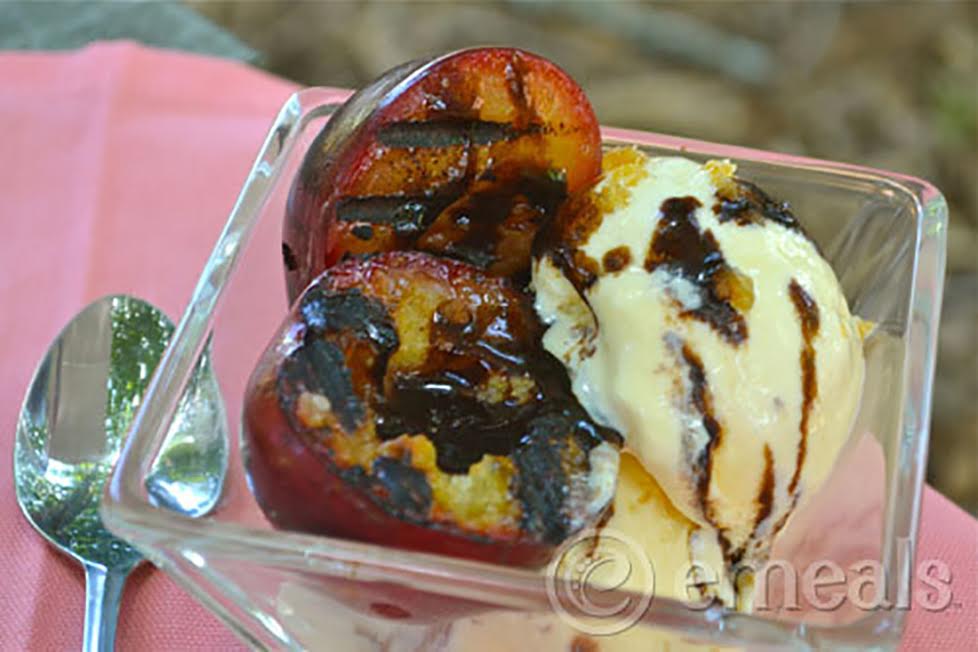
Balsamic and ginger glazed plums are what happens when a humble bowl of stone fruit puts on a tiny velvet blazer and decides to become dessert, breakfast topping, cheese-board royalty, and weeknight dinner sauce all at once. The dish is simple: ripe plums meet a glossy reduction of balsamic vinegar, fresh ginger, a touch of honey or brown sugar, and a pinch of salt. But the result tastes far fancier than the effort required. That is the best kind of kitchen magicthe kind that lets you look talented while still wearing slippers.
This recipe leans into the natural sweet-tart personality of plums. When warmed, roasted, or lightly simmered, plums release their juices and become soft, jammy, and deeply aromatic. Balsamic vinegar adds acidity and round sweetness. Ginger brings warmth and a little sparkle. Together, they create a glaze that clings to the fruit like a shiny little culinary compliment.
Use these glazed plums over vanilla ice cream, Greek yogurt, pancakes, pound cake, oatmeal, ricotta toast, roasted pork, grilled chicken, or a wedge of Brie. They work beautifully as a quick summer dessert, a cozy fall topping, or a last-minute “I absolutely planned this” dish for guests.
Why Balsamic and Ginger Glazed Plums Work So Well
Plums are naturally juicy, lightly floral, and slightly tart, which makes them perfect for glazing. Unlike some fruits that become watery when cooked, plums thicken beautifully as their juices mingle with sugar and acid. Their skins soften, their flesh turns silky, and their flavor becomes more concentrated.
Balsamic vinegar is the quiet genius in this recipe. A good balsamic has tang, sweetness, and depth. When it reduces, it becomes syrupy and rich, giving the plums a restaurant-style finish without requiring restaurant-style stress. Ginger cuts through that sweetness with gentle heat. It keeps the dish from tasting flat and adds a cozy, almost citrusy bite.
The final flavor lands somewhere between fruit compote, dessert sauce, chutney, and elegant glaze. In other words, it is highly adaptable and very difficult to leave alone with a spoon.
Ingredients for Balsamic and Ginger Glazed Plums
Main Ingredients
- 6 ripe but firm plums, halved and pitted
- 3 tablespoons balsamic vinegar
- 1 tablespoon honey or brown sugar
- 1 teaspoon freshly grated ginger
- 1 teaspoon lemon juice
- 1 tablespoon unsalted butter or olive oil
- 1 pinch fine sea salt
- Optional: black pepper, cinnamon, orange zest, thyme, mint, or vanilla
Choosing the Best Plums
For the best glazed plums, choose fruit that is fragrant, colorful, and slightly soft near the stem end. The plums should give a little when gently pressed but should not feel mushy. Overripe plums can collapse into sauce too quickly, while rock-hard plums may stay tart and firm even after cooking.
Red, black, and purple plums all work. Black plums tend to be sweeter and deeper in flavor, while red plums often bring brighter acidity. If your plums are slightly underripe, let them sit at room temperature for a day or two. Once ripe, store them in the refrigerator and use them while they still smell fresh and fruity.
How to Make Balsamic and Ginger Glazed Plums
Step 1: Prepare the Plums
Rinse the plums under cool running water and dry them well. Slice each plum in half and remove the pit. If the plums are large, cut them into quarters. Smaller halves look elegant and hold their shape better, while wedges cook faster and create more sauce.
Step 2: Start the Glaze
Place a wide skillet over medium heat. Add butter or olive oil, then stir in the grated ginger. Let it cook for about 20 to 30 seconds, just until fragrant. Do not let the ginger burn, unless you enjoy your dessert with notes of regret.
Step 3: Add Balsamic and Sweetener
Pour in the balsamic vinegar, honey or brown sugar, lemon juice, and salt. Stir until the mixture begins to bubble gently. The goal is not to boil it aggressively, but to coax it into a glossy syrup.
Step 4: Cook the Plums
Add the plums cut side down. Cook for 2 to 3 minutes, then gently turn them over. Continue cooking for another 3 to 5 minutes, spooning the glaze over the fruit as it thickens. The plums should soften but still hold their shape.
Step 5: Finish and Serve
Remove the skillet from the heat when the glaze coats the back of a spoon. Taste and adjust. Add more lemon juice if it tastes too sweet, a little honey if it is too sharp, or a pinch of black pepper if you want a savory edge. Serve warm, room temperature, or chilled.
Roasted Version: Deeper, Jammy, and Hands-Off
If you prefer a more concentrated flavor, make roasted balsamic ginger plums. Place halved plums in a baking dish, cut side up. Whisk together balsamic vinegar, honey, ginger, lemon juice, salt, and melted butter. Spoon the mixture over the plums and roast at 400°F for about 15 to 20 minutes, or until the fruit is tender and the juices are bubbling.
Roasting brings out a deeper caramelized flavor. The edges wrinkle slightly, the juices thicken in the dish, and the whole kitchen starts smelling like someone opened a boutique dessert shop next to a spice market. This method is especially good if you plan to serve the plums with ice cream, whipped mascarpone, yogurt, or pound cake.
Flavor Variations That Make the Recipe Shine
Sweet Dessert Style
Add a splash of vanilla extract, a small pinch of cinnamon, and a little orange zest. Serve the plums over vanilla ice cream, cheesecake, rice pudding, or French toast. This version is warm, cozy, and very good at convincing people you spent more time cooking than you did.
Savory Dinner Style
Use olive oil instead of butter, reduce the honey slightly, and add cracked black pepper plus a few thyme leaves. Spoon the glazed plums over pork tenderloin, roast chicken, grilled turkey cutlets, or seared tofu. The acidity of the balsamic balances rich proteins beautifully.
Cheese Board Style
Cook the glaze slightly thicker and let the plums cool to room temperature. Serve them with Brie, goat cheese, blue cheese, sharp cheddar, toasted walnuts, and crackers. The sweet-tart fruit cuts through creamy cheese in the most delightful way.
Breakfast Style
Keep the glaze light and spoon the plums over oatmeal, Greek yogurt, chia pudding, pancakes, waffles, or ricotta toast. Add chopped pistachios or almonds for crunch. Breakfast suddenly feels like it has a reservation at a nice hotel.
What to Serve With Balsamic and Ginger Glazed Plums
These plums are flexible enough to move from breakfast to dessert without changing outfits. For a simple dessert, serve them warm over vanilla ice cream with a spoonful of the glaze drizzled on top. The hot-cold contrast is dramatic in the best possible way.
For a lighter option, pair the plums with plain Greek yogurt and toasted nuts. The yogurt adds tang and protein, while the nuts bring texture. For a brunch plate, try them over thick-cut toast spread with ricotta, mascarpone, cream cheese, or almond butter.
On the savory side, balsamic ginger plums are excellent with roasted meats. Spoon them over pork chops, pork tenderloin, chicken thighs, duck breast, or roasted turkey. They also work with plant-based dishes such as grilled tempeh, roasted eggplant, or crispy tofu.
Nutrition and Freshness Notes
Plums are naturally low in calories and provide water, fiber, vitamin C, and plant compounds that contribute to their colorful skins and bright flavor. Cooking them with a small amount of balsamic vinegar and ginger creates a dessert-style topping that does not need heavy cream or a mountain of sugar to feel satisfying.
That said, the exact nutrition depends on how much sweetener and butter you use. If you want a lighter version, use olive oil or skip the added fat, reduce the honey, and let the plums’ natural juices do the work. If your plums are very sweet, you may need only a teaspoon or two of sweetener.
For food safety and freshness, wash plums shortly before using them, not days in advance. Store cooked glazed plums in a covered container in the refrigerator and use them within 3 to 4 days. Reheat gently on the stove or in the microwave, adding a tiny splash of water if the glaze becomes too thick.
Common Mistakes to Avoid
Using Plums That Are Too Soft
Very soft plums taste wonderful, but they may fall apart in the pan. If that happens, do not panic. You have not failed; you have accidentally made a gorgeous plum compote. Serve it over yogurt, ice cream, or toast and accept the applause.
Cooking the Balsamic Too Hard
Balsamic vinegar can turn bitter if reduced too aggressively. Keep the heat moderate and watch the pan. You want a glossy glaze, not a sticky black puddle that looks like it has been through a villain origin story.
Skipping the Salt
A tiny pinch of salt makes the fruit taste more vivid. It does not make the dish salty; it makes the sweetness, acidity, and ginger taste clearer.
Adding Too Much Ginger
Fresh ginger is powerful. Start with one teaspoon, then add more only if you want a stronger kick. The goal is warmth, not a ginger ambush.
Make-Ahead and Storage Tips
Balsamic and ginger glazed plums are excellent for make-ahead entertaining. Cook them a day in advance, cool them completely, and refrigerate them in a glass container. The flavor deepens overnight as the fruit absorbs the glaze.
To serve, bring them to room temperature or warm them gently. If the glaze thickens too much in the refrigerator, stir in a teaspoon of water, orange juice, or balsamic vinegar while reheating. Avoid boiling the plums after they are cooked, because they may lose their shape.
You can also freeze glazed plums, though the texture will soften after thawing. Frozen glazed plums are best used as a sauce for oatmeal, smoothies, yogurt bowls, cakes, and ice cream rather than as neat fruit halves.
Creative Ways to Use Leftover Glazed Plums
Leftovers may be the best part of this recipe. Chop the glazed plums and swirl them into plain yogurt. Spoon them over pancakes with toasted pecans. Layer them into a parfait with granola. Spread them on toast with goat cheese. Tuck them into a grilled cheese sandwich with sharp cheddar if you are feeling adventurous and slightly dramatic.
For a quick dessert, spoon the plums into a small baking dish, top with crushed cookies or granola, and warm until bubbly. For a savory shortcut, blend the plums with a little mustard and use the mixture as a glaze for roasted chicken or pork. You can even stir a spoonful into salad dressing for a fruity balsamic vinaigrette.
Kitchen Experiences With Balsamic and Ginger Glazed Plums
The first thing many cooks notice about balsamic and ginger glazed plums is how quickly the dish changes personality. At the beginning, it looks almost too simple: plums in a pan, a splash of vinegar, a little ginger, and a sweetener. Then the heat starts working. The skins deepen in color, the cut sides soften, and the glaze begins to bubble around the fruit. Suddenly, the whole thing looks like it belongs beside a perfectly plated dessert at a restaurant where the menu uses words like “seasonal” and “curated.”
One useful experience is learning how different plums behave. Firm black plums tend to hold their shape and create a darker, richer glaze. Red plums often release brighter, tangier juices. Yellow plums can be delicate and honeyed, but they may need less sweetener. Once you make the recipe a few times, you start cooking by feel: a little more lemon for very sweet fruit, a little more honey for tart fruit, a shorter cook time for softer plums, and a longer reduction when you want the glaze thick enough to drizzle dramatically from a spoon.
Another lesson is that balsamic vinegar does not need to shout. Too much can overpower the plums and make the dish taste more like salad dressing than dessert. The best version uses enough balsamic to sharpen the fruit and create depth, while still letting the plums remain the main character. Think of balsamic as the supporting actor with excellent cheekbones: noticeable, memorable, but not stealing the scene.
Ginger also teaches restraint. Fresh ginger brings brightness and spice, but it gets stronger as it cooks into the glaze. A small amount can make the plums taste lively and sophisticated. Too much can turn the dish into a spicy fruit workout. Grating the ginger finely helps it blend smoothly into the sauce, while thin slices create a more infused flavor that can be removed before serving.
Serving the plums is where the fun really begins. Warm glazed plums over vanilla ice cream create that wonderful moment when the ice cream melts into the syrup and everyone at the table becomes quiet for suspiciously happy reasons. Over Greek yogurt, the same plums feel wholesome and breakfast-friendly. With pork tenderloin or roasted chicken, they become a savory-sweet sauce that tastes elegant but takes less time than making a complicated pan sauce.
The most practical experience is discovering that this recipe rescues imperfect fruit. Plums that are slightly too tart, a little too firm, or just not exciting enough to eat out of hand become far more interesting once glazed. It is a smart way to reduce food waste and turn ordinary produce into something memorable. The dish proves that a small techniqueheat, acid, spice, and patiencecan transform a few plums into a glossy, spoonable, deeply flavored topping that works almost anywhere.
Conclusion
Balsamic and ginger glazed plums are simple, flexible, and surprisingly elegant. They celebrate the natural beauty of stone fruit while adding enough tang, warmth, and shine to make the dish feel special. Whether you serve them over ice cream, yogurt, toast, cheese, roasted meats, or pancakes, they bring a balanced mix of sweet, tart, spicy, and savory flavors.
The best part is that this recipe does not demand perfection. Slightly firm plums work. Very ripe plums work. A skillet works. An oven works. Dessert works. Dinner works. Balsamic and ginger glazed plums are the kind of recipe that quietly becomes a kitchen habit because it is easy, beautiful, and just fancy enough to make a Tuesday feel like it hired a stylist.
Note: This original article was created for web publication and synthesized from reputable U.S. cooking, nutrition, and food-safety guidance. Source links are intentionally omitted per publishing requirements.