Weil’s disease sounds like something you might catch from reading an old pirate map, but it is actually the severe form of leptospirosis, a bacterial infection that can affect people and animals. The bacteria behind it, called Leptospira, prefer a much less glamorous lifestyle: animal urine, wet soil, standing water, mud, floodwater, and other places where humans generally should not be frolicking barefoot.
Most cases of leptospirosis are mild or even symptom-free, but when the infection becomes serious, it can damage the liver, kidneys, lungs, brain, and blood vessels. That severe form is often called Weil’s disease or Weil syndrome. The tricky part is that early symptoms can look like the flu, food poisoning, COVID, dengue, or the “I should not have cleaned the garage without gloves” syndrome. Because it can worsen quickly, knowing the warning signs matters.
This guide explains Weil’s disease symptoms, how leptospirosis spreads, who is most at risk, how doctors diagnose it, what treatment usually involves, and how to lower your chances of meeting this bacteria in the first place.
What Is Weil’s Disease?
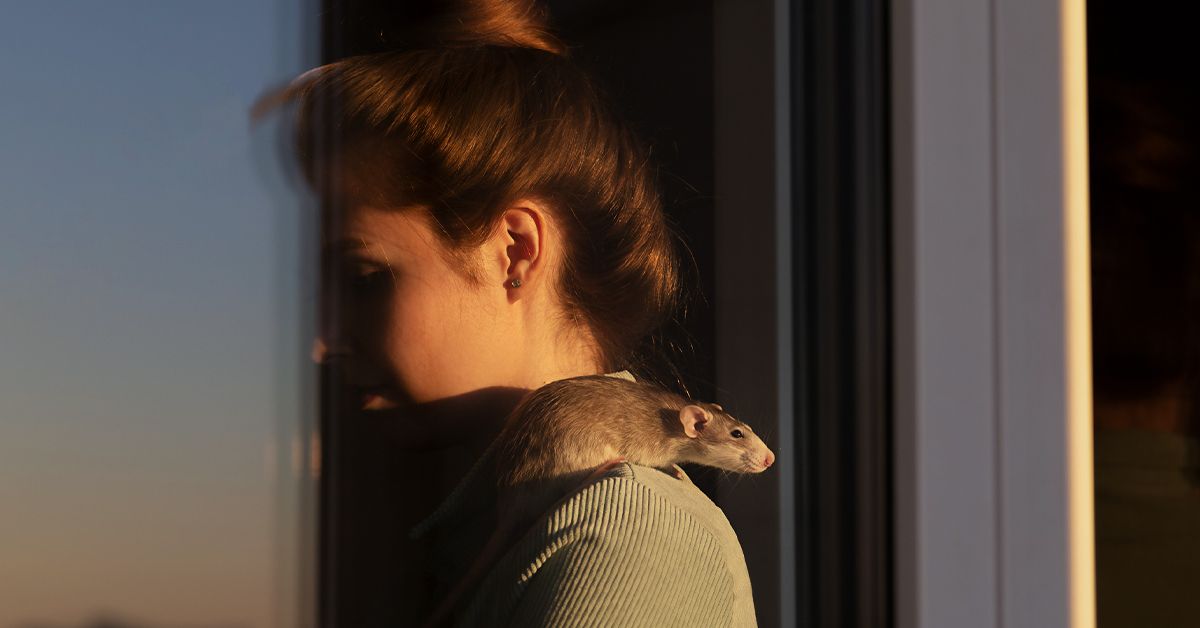
Weil’s disease is the severe form of leptospirosis. Leptospirosis itself is a zoonotic infection, meaning it can spread from animals to humans. The main troublemakers are infected animals that shed Leptospira bacteria in their urine. Rodents are famous for this, especially rats, but dogs, cattle, pigs, horses, raccoons, deer, and other mammals can also carry the bacteria.
The bacteria can survive in warm, moist environments. They may contaminate puddles, rivers, lakes, floodwater, mud, wet grass, or soil. People can become infected when contaminated water or soil touches broken skin, scratches, the eyes, the nose, or the mouth. In other words, the bacteria do not need a grand entrance. A tiny cut, a splash, or a muddy cleanup job can be enough.
Weil’s disease develops when leptospirosis spreads beyond a mild flu-like illness and begins causing serious organ involvement. Classic complications include jaundice, kidney failure, bleeding problems, and sometimes severe lung disease or meningitis. It is not the common outcome, but it is the outcome doctors worry about.
Leptospirosis vs. Weil’s Disease: What’s the Difference?
Think of leptospirosis as the umbrella term and Weil’s disease as the storm cloud under that umbrella. A person can have leptospirosis with mild symptoms such as fever and muscle aches. But when the illness becomes severe and affects major organs, especially the liver and kidneys, it is often called Weil’s disease.
Leptospirosis may cause:
- Fever and chills
- Headache
- Muscle pain, especially in the calves and lower back
- Nausea, vomiting, or diarrhea
- Red eyes
- Abdominal pain
- Fatigue
- Rash in some cases
Weil’s disease may cause:
- Yellowing of the skin or eyes, known as jaundice
- Dark urine or reduced urination
- Kidney problems or kidney failure
- Bleeding from the nose, gums, urine, stool, or lungs
- Shortness of breath or coughing blood
- Confusion, severe headache, stiff neck, or meningitis-like symptoms
- Severe weakness, low blood pressure, or shock
The frustrating part is that someone may start to feel better after the first wave of illness, only for a more serious second phase to arrive later. Leptospirosis loves plot twists, which is rude of it.
How Do People Get Leptospirosis?
The most common route is exposure to water or soil contaminated with the urine of infected animals. This can happen in cities, farms, forests, backyards, construction sites, flood zones, and recreational water areas. Leptospirosis is not only a “tropical jungle” problem. It can occur in the United States, especially after heavy rain, flooding, hurricanes, or rodent activity.
Common exposure examples include:
- Walking through floodwater with cuts or scrapes on the feet or legs
- Cleaning basements, garages, alleys, or trash areas where rodents may be present
- Swimming, kayaking, rafting, or wading in contaminated freshwater
- Working with livestock, wildlife, or animal urine
- Gardening or landscaping in wet soil without gloves
- Handling a sick dog or cleaning up pet urine without protection
- Drinking untreated water from lakes, streams, or outdoor sources
Person-to-person spread is rare. You generally do not catch leptospirosis because someone sneezed near your sandwich. The bigger concern is contact with contaminated water, soil, urine, or animal tissues.
Early Symptoms of Leptospirosis
The incubation period is often about 5 to 14 days, though symptoms can appear anywhere from a couple of days to about a month after exposure. Some people never notice symptoms. Others feel as if the flu walked in wearing muddy boots.
Early leptospirosis symptoms can include sudden fever, chills, headache, body aches, nausea, vomiting, diarrhea, abdominal discomfort, cough, red eyes, and fatigue. Muscle pain can be intense, especially in the calves. That calf pain is not enough to diagnose leptospirosis by itself, but in the right settingsay, after flood cleanup or freshwater exposureit is a clue worth mentioning to a healthcare provider.
Red eyes can also appear without the thick discharge typical of pink eye. Doctors sometimes call this conjunctival suffusion. Patients call it “Why do I look like I argued with a leaf blower?” Either way, red eyes plus fever after water, mud, animal, or rodent exposure deserves attention.
Severe Symptoms: When Leptospirosis Becomes Weil’s Disease
Weil’s disease is the serious, potentially life-threatening stage. It can involve multiple organs and may require hospitalization. Severe symptoms may develop after the first few days of illness or after a short period when the person seems to be improving.
Seek urgent medical care if symptoms include:
- Yellow skin or yellow eyes
- Very dark urine, blood in the urine, or peeing much less than usual
- Severe abdominal pain
- Chest pain or trouble breathing
- Coughing up blood
- Black, tarry, or bloody stool
- Severe headache, stiff neck, confusion, or fainting
- Persistent high fever with extreme weakness
- Signs of dehydration or low blood pressure
These signs may point to liver injury, kidney injury, bleeding problems, lung involvement, or inflammation around the brain and spinal cord. This is not the time for “let’s see how it feels tomorrow.” It is the time for professional care, ideally with a clear explanation of any recent exposure to floodwater, freshwater, animals, rodents, sewage, wet soil, or occupational risk.
Who Is Most at Risk?
Anyone can get leptospirosis, but certain people have more opportunities to cross paths with contaminated water, soil, or animals. Risk increases after floods and hurricanes because contaminated water spreads easily and protective barriers become harder to maintain.
Higher-risk groups may include:
- Farmers and livestock workers
- Veterinarians, animal shelter workers, and pet care workers
- Sewer workers, sanitation workers, and plumbers
- Landscapers, gardeners, and construction workers
- Military personnel training in wet environments
- Outdoor athletes, campers, hikers, swimmers, and kayakers
- People cleaning homes or streets after floods
- People living or working in areas with heavy rodent activity
Pet owners should also pay attention. Dogs can get leptospirosis from contaminated water or soil and may become seriously ill. Veterinary vaccination can reduce risk for dogs and may also lower the chance of spread in the household environment. If your dog suddenly develops fever, vomiting, lethargy, jaundice, or changes in urination after outdoor water exposure, call a veterinarian. Your dog cannot write a symptom diary, so you have to be the responsible adult in the room.
How Doctors Diagnose Leptospirosis
Leptospirosis can be hard to diagnose because the symptoms overlap with many other infections. A doctor will usually start with your symptoms, physical exam, and exposure history. Be specific. Mention floods, muddy work, freshwater swimming, rodent exposure, animal urine, farm work, sick pets, or recent travel. “I was in gross water” is medically useful information, even if it is not elegant.
Testing may include blood tests, urine tests, liver and kidney function tests, complete blood counts, and specialized tests for Leptospira. Depending on the timing, doctors may use PCR testing, antibody testing, or cultures. Early in the illness, antibody tests can be negative because the immune system has not produced enough detectable antibodies yet. That means a negative early test does not always slam the door shut.
If symptoms are severe, doctors may also order chest imaging, oxygen monitoring, electrolyte tests, or tests for meningitis. In serious cases, the priority is treatment and organ support rather than waiting politely for every lab result to RSVP.
Treatment for Weil’s Disease and Leptospirosis
Leptospirosis is treated with antibiotics. The exact medication depends on the severity of illness, age, pregnancy status, allergies, local guidance, and the clinician’s judgment. Mild cases are often treated with oral antibiotics such as doxycycline, amoxicillin, ampicillin, or azithromycin. Severe cases may require intravenous antibiotics such as penicillin or ceftriaxone.
Early treatment is important. If a healthcare provider strongly suspects leptospirosis, treatment may begin before confirmatory testing is complete. This is because waiting can allow the infection to progress, and Weil’s disease does not politely pause while the lab printer warms up.
People with severe disease may need hospitalization for IV fluids, oxygen, electrolyte management, kidney support, dialysis, breathing support, or treatment for bleeding complications. Recovery can take time. Some people feel weak for weeks after the infection, especially if the illness affected the kidneys, liver, or lungs.
Can Weil’s Disease Be Prevented?
You cannot bubble-wrap your entire life, and frankly that would make gardening difficult. But you can reduce your risk with practical habits.
Prevention tips include:
- Avoid swimming or wading in floodwater, especially if you have cuts or scrapes.
- Wear waterproof boots, gloves, long pants, and protective clothing during flood cleanup or muddy outdoor work.
- Cover cuts with waterproof bandages before outdoor or wet work.
- Wash hands after handling animals, soil, trash, or potentially contaminated items.
- Do not drink untreated water from lakes, streams, ponds, or rivers.
- Control rodents around homes, workplaces, food storage areas, and trash zones.
- Keep garbage sealed and remove clutter that attracts rats or mice.
- Talk to your veterinarian about leptospirosis vaccination for dogs.
- Keep pets away from stagnant water, floodwater, and wildlife urine when possible.
After hurricanes, floods, and heavy storms, assume standing water is suspicious. It may contain sewage, chemicals, sharp objects, and bacteria. Basically, floodwater is not a spa treatment, no matter how reflective it looks at sunset.
When to Call a Doctor
Call a healthcare provider if you develop fever, chills, headache, muscle aches, vomiting, diarrhea, red eyes, or unusual fatigue after possible exposure to contaminated water, mud, soil, animals, or rodents. Do not forget to mention the exposure. Without that detail, leptospirosis may hide among many look-alike illnesses.
Seek emergency care for jaundice, confusion, chest pain, shortness of breath, coughing blood, severe weakness, fainting, reduced urination, or bleeding. These may be signs of Weil’s disease or another serious condition requiring urgent treatment.
Living Through a Leptospirosis Scare: Real-World Experiences and Lessons
Experiences around Weil’s disease and leptospirosis often share a familiar pattern: someone does something ordinary, then days later the body starts sending very dramatic emails. A person cleans a flooded basement without boots. A kayaker rolls into warm freshwater after heavy rain. A gardener works in wet soil with scratched hands. A dog owner cleans up after a sick pet. At the time, it feels routine. Later, fever arrives, muscles ache, and the person wonders whether they caught the flu, ate questionable takeout, or angered a swamp spirit.
One common lesson is that exposure history matters. People often forget to tell clinicians about water, mud, animals, or rodents because they do not connect those events with a fever a week later. But that detail can change the whole medical conversation. Saying, “I had fever and calf pain after cleaning floodwater,” is much more useful than saying, “I feel awful.” Both are true, but one gives the doctor a map.
Another experience people describe is the strange two-phase nature of the illness. Someone may feel terrible for several days, start improving, and then suddenly worsen with yellow eyes, dark urine, shortness of breath, or crushing fatigue. That brief improvement can be misleading. It is tempting to celebrate too early, cancel the appointment, and return to normal life. With leptospirosis, especially when symptoms are severe, that can be risky. A comeback fever after exposure to contaminated water deserves respect.
People who work outdoors often learn to treat protective gear as boring but beautiful. Waterproof boots, gloves, eye protection, and covered cuts are not glamorous. Nobody has ever walked into a room and said, “Wow, those rubber gloves are giving runway.” Still, they can make the difference between a messy workday and a medical emergency. The same goes for washing hands, showering after muddy work, and cleaning equipment safely.
Pet owners have their own set of lessons. Dogs love puddles with the confidence of creatures who do not read public health guidance. They drink from mysterious water, sniff suspicious corners, and consider wet soil a luxury fragrance. Keeping dogs vaccinated, discouraging puddle drinking, and calling the vet when a dog becomes suddenly ill are practical steps that protect both the pet and the household.
Flood cleanup is another major experience category. After a storm, people naturally want to save belongings, clear debris, and help neighbors. That work can be meaningful, but it should be done with boots, gloves, covered wounds, and clean water for washing. If symptoms appear afterward, people should not minimize them as “just exhaustion.” Cleanup is exhausting, yes, but fever, red eyes, calf pain, vomiting, jaundice, or reduced urination are not normal badges of hard work.
The biggest takeaway from real-world leptospirosis experiences is simple: do not panic, but do not shrug. Most exposures do not lead to severe illness, and many infections are treatable. But Weil’s disease can become dangerous fast. The smart move is to connect the dots early, seek care promptly, and give your healthcare provider the full storyeven the muddy, rat-adjacent parts.
Conclusion
Weil’s disease is the severe form of leptospirosis, a bacterial infection spread mainly through contact with water or soil contaminated by infected animal urine. Early symptoms can look like the flu: fever, chills, headache, muscle aches, vomiting, diarrhea, red eyes, and fatigue. Severe disease can cause jaundice, kidney failure, bleeding, breathing problems, meningitis, and shock.
The good news is that leptospirosis can be treated with antibiotics, especially when recognized early. The not-so-good news is that it is easy to miss because it disguises itself as several common illnesses. If you become sick after floodwater, freshwater, mud, rodents, animal urine, or outdoor work exposure, tell a healthcare provider. That one detail may help turn a confusing illness into a treatable diagnosis.
Note: This article is for educational purposes only and does not replace professional medical advice, diagnosis, or treatment. If you suspect leptospirosis or have severe symptoms, seek medical care immediately.