Every once in a while, a product arrives so confidently, so dramatically, so spectacularly out of touch that the internet doesn’t just reject it it turns it into a group project in sarcasm. Enter the pink “period gloves,” a product marketed as a “discreet” way to remove and dispose of tampons and pads. The idea was simple: slip on a tiny pink glove, remove the menstrual product, wrap it up, toss it away, and apparently protect society from the shocking revelation that periods exist.
Women did what women on the internet do best when faced with a bad idea wrapped in pastel packaging: they laughed. Hard. But the backlash wasn’t just about a goofy product. It hit a nerve because it reflected a much bigger problem the long-running pressure to treat menstruation like a dirty secret instead of a normal bodily function. In other words, the gloves became a symbol of everything people are tired of: period shame, unnecessary “feminine hygiene” gimmicks, and male-led product design that seems to confuse everyday menstruation with a hazmat event.
This story is funny, yes. The jokes practically wrote themselves. But underneath the punchlines is a serious conversation about menstrual stigma, product design, and what people actually need when managing their periods. Spoiler: it’s usually not more pink plastic.
The Product That Triggered a Thousand Side-Eyes
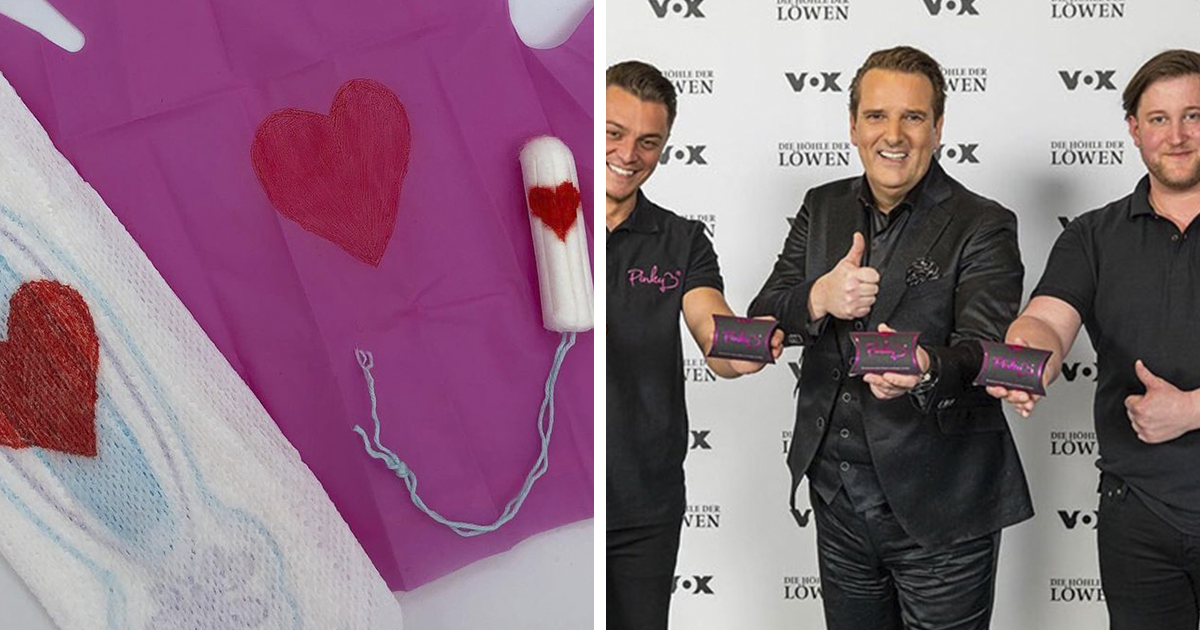
The controversy centered on “Pinky Gloves,” a menstrual product created by men and promoted as a more sanitary and discreet solution for changing and throwing away tampons or pads. The pitch suggested that users could avoid getting menstrual blood on their hands and could neatly hide the used product in the trash. On paper, that may have sounded tidy. In practice, it landed like someone trying to solve a paper cut with a flamethrower.
The first issue was obvious: most people who use tampons already know how to remove and dispose of them without needing a specialty glove. Bathrooms have soap. Hands can be washed. Toilet paper exists. Menstrual products are not radioactive. So when a product appears to “fix” a routine part of menstruation that millions of people already handle just fine, the reaction is bound to be: who exactly asked for this?
That question became louder because the product’s branding leaned heavily on “discretion.” And that word did a lot of heavy lifting. It implied that the real problem wasn’t comfort, cost, pain, access, or safety. It was visibility. The real horror, apparently, was that someone might know a person in a bathroom was changing a tampon. Which, to be clear, is like being shocked to learn someone in a shower is getting wet.
Why Women Mocked the Idea and Why the Criticism Wasn’t Just a Joke
It Solved the Wrong Problem
People don’t usually want menstrual products that make a normal routine feel more complicated. A tampon change is already not a Broadway production. Most users want products that are comfortable, affordable, easy to use, and safe. They do not want to add a glove, a mini-wrapping ritual, and extra trash to the process like they’re plating a tiny cursed hors d’oeuvre.
That mismatch between real needs and imagined needs is exactly why the gloves got roasted. The product suggested that menstruation is primarily a cleanliness optics problem. But for many women, the real concerns are things like cramps, heavy flow, leaks during a long meeting, running out of supplies at school, finding a stall with a working trash bin, or paying for products month after month. Compared with those realities, “What if your fingers briefly encounter evidence that you have a uterus?” ranks somewhere below “mildly annoying zipper.”
It Reinforced Period Shame
The bigger reason the idea bombed is that it seemed to reinforce a message people have been trying to unlearn for years: periods should be hidden, whispered about, disguised, and never allowed to appear too real. That message shows up everywhere in euphemisms, in awkward advertising, in people stuffing tampons up their sleeves on the way to the restroom, and in the long history of treating menstrual blood as something uniquely embarrassing.
When a company markets a product around secrecy and concealment, it taps directly into that stigma. And that’s why the backlash had so much force behind it. Women weren’t simply saying, “This is silly.” They were saying, “We are tired of being told our bodies need extra packaging to become socially acceptable.” That’s a very different kind of criticism. It’s less about the glove and more about the worldview stuffed inside it.
It Added More Single-Use Waste
Another common complaint was environmental. Many menstrual products already create waste, and people are increasingly thinking about reusable options, sustainable materials, and less plastic-heavy packaging. So the idea of adding a single-use plastic glove to every tampon or pad change felt backward. It was hard to sell “innovation” when the result looked like more trash, more cost, and more hassle.
That part mattered because modern consumers are often pretty good at spotting the difference between useful design and expensive clutter. A product that adds steps, waste, and stigma while calling itself empowering is not exactly a slam dunk.
What Actually Matters When Using Tampons
The irony of the whole period glove saga is that there are important conversations to have about tampon use. They’re just not the conversations the gloves were having. Experts and U.S. health guidance tend to focus on basic, practical safety, not theatrical concealment.
Wash Your Hands, Don’t Panic About Them
Good menstrual hygiene starts with washing your hands before and after inserting or removing a tampon. That’s because handwashing helps reduce the spread of bacteria. Notice what this advice does not say: “Treat your own period like you’re disposing of biohazard material in a spy movie.” Clean hands matter. Shame does not.
Change Tampons on Time
A major safety point is changing tampons regularly, generally every four to eight hours depending on flow and product directions. Leaving one in too long can increase the risk of toxic shock syndrome, which is rare but serious. This is the kind of information that truly helps people. It’s practical, evidence-based, and focused on health rather than embarrassment.
Use the Lowest Absorbency That Works
Another widely recommended tip is to use the lowest absorbency needed for your menstrual flow. Bigger isn’t always better. The goal is fit and function, not winning an absorbency championship. Good menstrual care is about matching the product to the body, not over-engineering the moment.
Talk to a Clinician About Real Problems
If periods are unusually painful, extremely heavy, irregular, or suddenly different, that’s worth discussing with a healthcare professional. People need better access to information about menstrual health, not more products that frame menstruation itself as the problem. A glove can’t diagnose endometriosis, fibroids, anemia, or a hormonal issue. It can, however, make a lot of people ask who greenlit the packaging.
The Real Design Failure: Not Listening to the People Who Use the Product
One reason the period gloves story traveled so far is that it felt like a classic example of what happens when product design is disconnected from lived experience. Good design starts by understanding the daily reality of the person using the thing. Bad design starts with assumptions. Worse design starts with assumptions, adds pink branding, and calls it empowerment.
Menstrual products are an area where this matters intensely. If you’re building for people who menstruate, you need to understand more than anatomy. You need to understand context: cramped public restrooms, school bathroom anxiety, overnight leaks, limited trash access, product affordability, skin sensitivity, sports, travel, and the plain old desire to get through the day without turning a bodily function into an elaborate ritual.
That’s why the gloves became a cautionary tale. People saw a product that seemed to be designed around menstruation, not from within the real experience of it. And consumers are very good at detecting that gap. When a product misses reality by that much, the internet tends to step in as quality control with jokes.
What Women Actually Want From Period Innovation
If companies genuinely want to improve menstrual care, they do have options. Plenty of them. Just maybe not the “tiny pink disposal mitten” route.
Affordability
Period products are recurring expenses, and that matters. Many people want lower-cost options, transparent pricing, and better access in schools, workplaces, and public bathrooms. A product that creates a new monthly expense without solving a meaningful problem is likely to flop, no matter how glossy the branding is.
Comfort and Fit
Comfort is a real innovation category. Better applicators, more size options, softer materials, improved leak protection, and clearer instructions can all make a difference. These improvements respect users’ needs without implying their bodies require concealment theater.
Sustainability
Many consumers are also interested in reusable or lower-waste options, or at least less packaging. That doesn’t mean every person wants the same solution. It does mean extra plastic for the sake of “discretion” is a hard sell in a world where people increasingly notice waste.
Better Education
Perhaps most important, people want better menstrual education. They want honest, non-judgmental information about tampons, pads, cups, underwear, period pain, and when symptoms may signal a health issue. Good information removes fear. Silly shame-based products usually just repackage it.
Why the Internet’s Mockery Actually Made Sense
The jokes about the gloves were funny because the product was so easy to puncture. But humor also worked as a form of cultural pushback. It let people say, “No, we’re not doing this again. We’re not pretending normal biology needs to be hidden under another layer of pastel nonsense.” In that sense, the laughter was useful. It didn’t just embarrass a bad idea; it exposed the assumptions behind it.
That matters because menstruation still gets treated strangely in public life. People are often expected to manage it invisibly and flawlessly, without odor, noise, mess, cost, discomfort, or inconvenience. Basically, the social rule is: have a body, but don’t let anyone catch you having one. The period glove controversy blew that rule up by making it absurd enough for everyone to see.
And once a bad idea becomes visible enough, it can become a conversation starter. Suddenly, people aren’t just debating a glove. They’re asking why menstrual products are so often marketed through shame. They’re asking why public bathrooms are still badly designed for menstruation. They’re asking why menstrual care is treated like a private inconvenience instead of a routine health issue. Those are better questions than anything the glove packaging ever posed.
Common Experiences That Explain Why This Story Hit a Nerve
To understand why women reacted so strongly to pink period gloves, it helps to look at everyday experiences that surround menstruation. Not invented drama. Just regular, ordinary, incredibly familiar moments.
Think about middle school, when a lot of people first learn that periods are supposed to be “managed” with the stealth of a jewel thief. The tampon or pad gets hidden in a hoodie sleeve. The walk to the restroom feels like a secret mission. A dropped product on the floor somehow feels louder than a marching band. Nobody taught that shame explicitly in one dramatic speech. It just floated in the air, absorbed through jokes, whispers, and the weird social rule that periods are normal in theory but never to be acknowledged in practice. A product built around “discretion” plugs directly into that old feeling.
Then there’s the public restroom experience, which is less glamorous than marketing teams would like to admit. Maybe the stall has no shelf. Maybe the trash bin is tiny, missing, or already full. Maybe you’re balancing a bag, a phone, and your dignity while trying not to let anything fall into the toilet. Maybe you’re at work, and all you want is to change your tampon in peace and get back to your desk without turning it into a tactical exercise. In those moments, people don’t want a specialty glove. They want functional bathrooms, soap, toilet paper, and maybe a society that doesn’t make them feel like they’re disposing of classified documents.
There’s also the emotional experience of being told, over and over, to make menstruation invisible. Don’t let anyone see the pad in your cart. Don’t mention cramps in a meeting. Don’t stain your clothes. Don’t smell like anything. Don’t rustle a wrapper too loudly. Don’t ask if anyone has a tampon like you’re requesting backup in a hostage negotiation. The pressure isn’t just physical; it’s social. So when a product comes along that says, “Here’s one more thing to help you hide this,” it doesn’t feel helpful. It feels like confirmation that the burden of invisibility is still being handed back to the same people.
Another real-life angle is that many period problems are not cute, funny, or small. Heavy bleeding can derail a day. Severe cramps can flatten someone who looks perfectly “fine” from the outside. Some people deal with conditions like endometriosis, fibroids, migraines, nausea, fatigue, and anemia. In that context, a glove designed to protect fingertips from a few seconds of contact with a tampon can feel almost insulting. It shrinks the conversation down to appearances when the real issues are pain, access, cost, and health.
And finally, there’s the experience of talking about periods with people who don’t fully understand them but still feel weirdly confident solving them. That’s the hidden spark in this whole story. Many women recognized a familiar tone in the product pitch: the tone of someone who has not lived the reality but has somehow appointed himself head of innovation anyway. That recognition is why the backlash was immediate, sharp, and hilarious. The gloves weren’t just a bad product. They were a perfect symbol of what happens when menstruation is treated as a branding opportunity instead of a real human experience.
Conclusion
The pink period glove saga was ridiculous, but it was also revealing. The backlash showed that women are not just tired of bad menstrual products they’re tired of the mindset behind them. A product framed around secrecy, shame, and unnecessary fuss was never going to feel empowering. It was always going to feel like a step backward wrapped in shiny packaging.
The better takeaway is simple: real period care should focus on health, comfort, access, affordability, and honest information. Menstruation is not a design flaw. It does not need to be disguised into acceptability. And if a product’s biggest promise is that it will help hide the fact that a period exists, the market may very well respond with the most devastating review in modern commerce: laughter.
Note: This article is for general informational and cultural commentary purposes and should not replace professional medical advice.