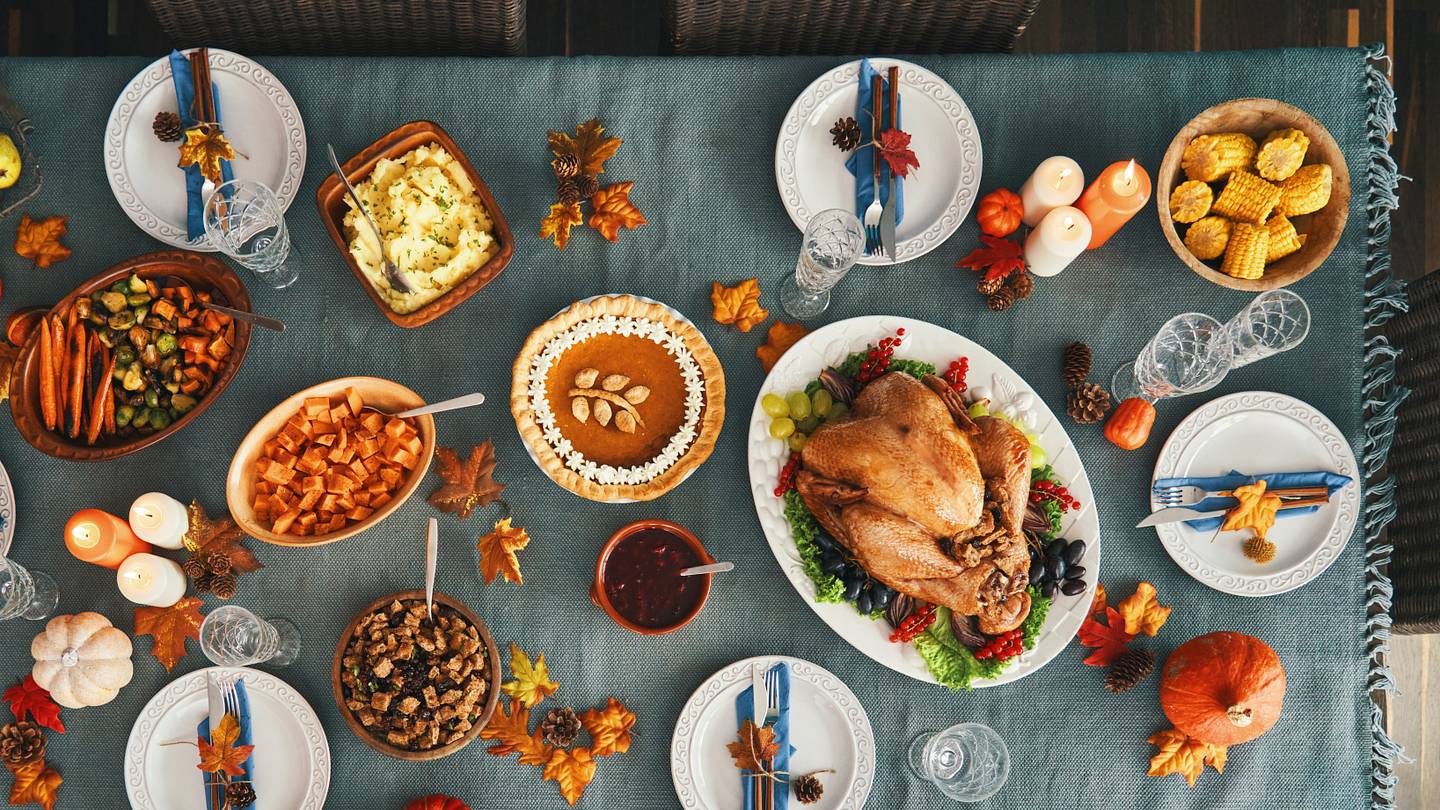
Thanksgiving looks simple from a distance: turkey, stuffing, gratitude, football, and at least one relative who treats mashed potatoes like a competitive sport. But sociologists tend to look at holidays the way detectives look at a crime scene: every little habit means something. The way people gather, cook, forget things, retell old stories, handle leftovers, feed pets, and take a walk after dinner can reveal how American families build identity, manage stress, and quietly repair relationships.
The most famous Thanksgiving rituals are obvious. Many households say grace, share what they are thankful for, watch the Macy’s Thanksgiving Day Parade, tune in to football, or sit down to a meal that somehow contains enough casseroles to feed a small marching band. But some of the most meaningful rituals are the ones people barely notice. These are the moments that rarely make it into greeting cards but show up every year anyway: the career advice no one requested, the forgotten ingredient, the family disaster story, the store-bought pie that gets “improved,” the pet receiving a special plate, the leftover-packing ceremony, and the slow after-dinner walk around the block.
These overlooked Thanksgiving rituals matter because they turn one meal into a social performance. They help families pass down memory, assign roles, negotiate conflict, display care, and prove that abundance is not only about food. It is also about belonging. In other words, Thanksgiving is not just dinner. It is dinner wearing a tiny sociology hat.
Why Sociologists Care About Thanksgiving Rituals
Sociologists study rituals because repeated behaviors help groups express shared values. Thanksgiving is especially rich because it combines family, food, gratitude, national history, travel, religion, consumer culture, and emotional labor in one very crowded kitchen. A classic sociological view of ritual suggests that people use shared practices to reinforce belonging. Everyone knows the script, even when the script includes someone saying, “Who moved the gravy boat?” for the 17th year in a row.
The first major sociological study of Thanksgiving consumption rituals, conducted by researchers Melanie Wallendorf and Eric J. Arnould, examined how Americans create meaning through the holiday meal. Their research showed that Thanksgiving is not only about eating but about staging family togetherness, abundance, memory, and tradition. Later observations of Thanksgiving culture continue to support this idea: the meal is a symbolic event, not just a menu.
Modern data also shows how widespread certain practices remain. Many Americans still express gratitude or say a prayer during Thanksgiving dinner, and many travel to be with relatives. At the same time, Thanksgiving can carry stress: planning, cooking, cleaning, hosting, and managing family conversations can turn “holiday warmth” into “who used all the oven space?” Still, the ritual survives because the meaning is bigger than the inconvenience.
1. Giving Job Advice
The ritual hiding inside “So, what are you doing after graduation?”
One overlooked Thanksgiving ritual is the giving of job advice. It usually begins innocently. A young adult reaches for the rolls, and suddenly an uncle is explaining the value of networking, a cousin is recommending cybersecurity, and someone who has not updated a resume since 1998 is offering very confident LinkedIn tips.
To sociologists, this is more than awkward small talk. It is a status ritual. Younger family members are being gently, or not so gently, moved from the “kids’ table” category into adult society. Career questions become a way of checking progress, offering support, and reminding people that the family is invested in their future. The advice may be clumsy, but the social message is clear: “You belong to us, and we are watching your life develop.”
This ritual also shows how Thanksgiving works as an annual family audit. People compare last year’s updates with this year’s news. Did someone change majors? Start a business? Get promoted? Quit a job? Move back home? Thanksgiving becomes a checkpoint where life transitions are announced, evaluated, celebrated, or lovingly interrogated under the soft glow of cranberry sauce.
For SEO readers looking for the deeper meaning of Thanksgiving traditions, this is a perfect example of how family rituals create social continuity. The job advice may feel random, but it reinforces generational ties. Older relatives pass down experience; younger relatives practice explaining who they are becoming.
2. Forgetting an Ingredient
The missing evaporated milk is not a failureit is part of the show
Every Thanksgiving has a tiny crisis. Someone forgets the rolls. The pumpkin pie is missing an ingredient. The green beans are still in the fridge. The turkey thermometer has vanished into another dimension, possibly with all the missing socks.
At first, the forgotten ingredient seems like a mistake. Sociologically, it becomes a ritual of disruption and repair. The household briefly panics, then improvises. Someone runs to a store. A neighbor offers help. A substitute dish appears. Eventually, everyone agrees that it is fine. Maybe even better. This small cyclemistake, concern, problem-solving, reassurancestrengthens the group’s sense of resilience.
Thanksgiving is built around abundance, so a missing ingredient rarely ruins the event. Instead, it proves the opposite: the family has enough. Enough food, enough humor, enough flexibility, enough people willing to say, “Honestly, I never liked that casserole anyway.” The ritual turns imperfection into evidence of togetherness.
This is why Thanksgiving hosting does not need to be flawless to be meaningful. In fact, flawless holidays can feel sterile. A small mistake gives people a story, a role, and a reason to cooperate. The forgotten ingredient becomes a family legend in training.
3. Telling Disaster Stories of Thanksgivings Past
Nothing says family bonding like remembering the year the turkey fell
At some point during Thanksgiving dinner, someone begins the annual archive of chaos: “Remember the year the dog stole the turkey?” “Remember when the oven broke?” “Remember when Grandpa put salt in the whipped cream?” These stories are repeated so often that younger relatives may feel they personally witnessed events that happened before they were born.
Disaster stories are powerful family rituals because they transform embarrassment into shared memory. A bad moment becomes funny once enough time has passed. Retelling the story allows the family to laugh at its own history and declare, in effect, “We survived that.”
These stories also establish family identity. Some families see themselves as elegant and organized. Others are proud of being loud, improvised, and slightly dangerous near a deep fryer. Thanksgiving disaster stories help define the family’s personality. They become oral history with gravy stains.
Sociologists often emphasize that rituals do not simply preserve the past; they recreate the group in the present. When a family retells the same Thanksgiving disaster, it is not only remembering. It is renewing membership. Everyone who laughs at the story becomes part of the group’s emotional archive.
4. Reclaiming Store-Bought Food
The sacred art of making a supermarket pie look homemade
Thanksgiving carries a strong cultural expectation of home cooking. The meal is supposed to feel personal, generous, and rooted in tradition. But reality has a busy schedule. Many families rely on store-bought pies, canned cranberry sauce, bakery rolls, boxed stuffing, or premade sides. The overlooked ritual is what happens next: the reappropriation of store-bought items.
A pie from the grocery store gets transferred to a family plate. Canned cranberry sauce is sliced with ceremonial seriousness. Bakery rolls are warmed, brushed with butter, and presented as if they have been personally blessed by a carbohydrate committee. The food may not be fully homemade, but the host “domesticates” it by placing it into the family’s ritual setting.
This matters because Thanksgiving food is not only about ingredients. It is about effort, care, and presentation. Even when a dish begins outside the home, it can become part of the family meal through small acts of personalization. A sprinkle of cinnamon, a favorite serving bowl, or a family joke can turn convenience food into tradition.
This ritual also reflects modern American life. People are busy. Families are diverse. Not everyone has time, money, space, health, or energy to cook everything from scratch. Sociologically, the store-bought dish shows how traditions adapt while still preserving the feeling of abundance and care.
5. Preparing the Pet’s Meal
Because the dog is also emotionally invested in turkey
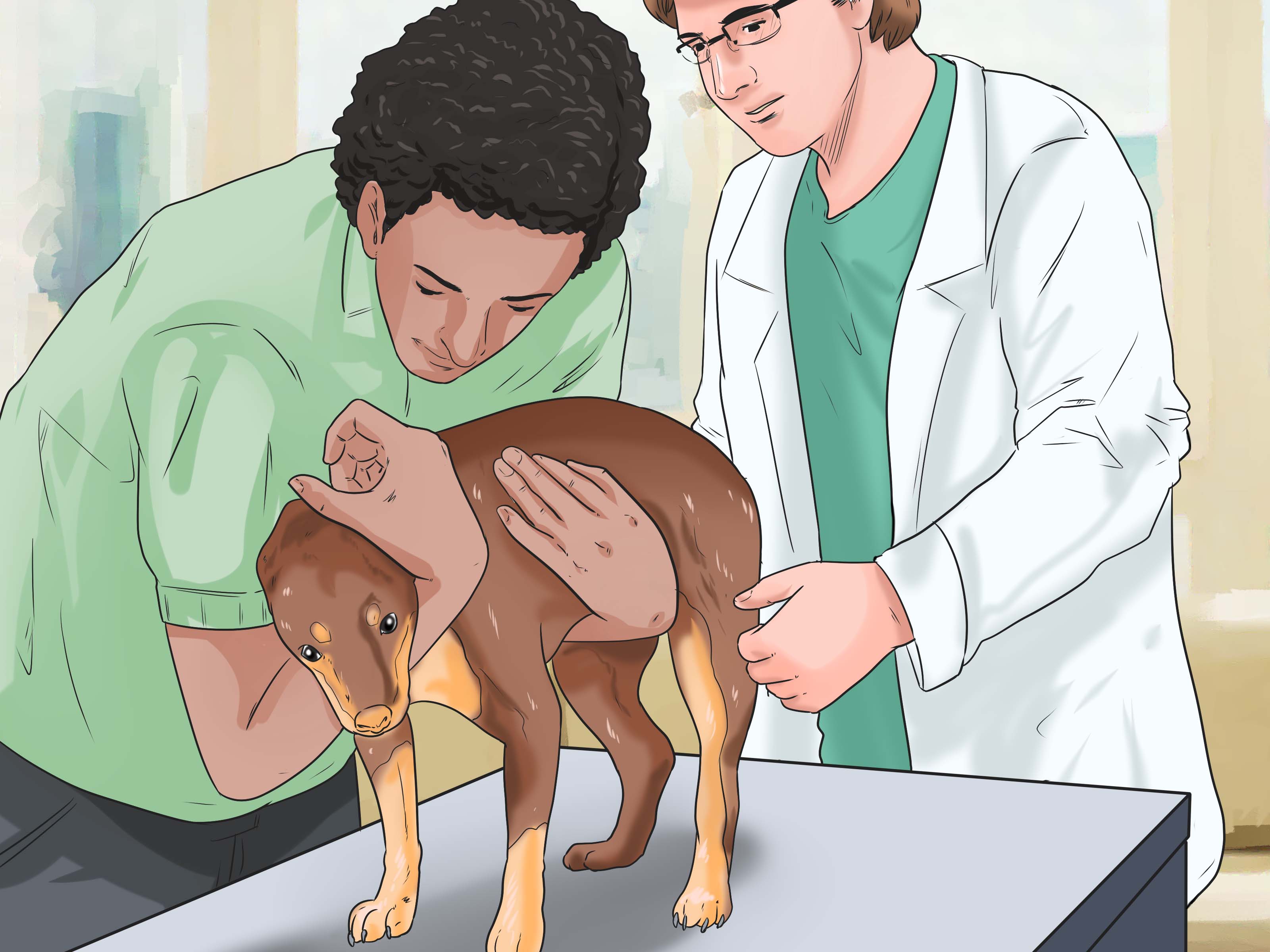
Many Thanksgiving households include a quiet but important ritual: preparing a little holiday plate for the pet. Maybe the dog gets plain turkey. Maybe the cat receives a tiny treat. Maybe the family warns everyone not to feed the pet, and then everyone feeds the pet anyway with the secrecy of international spies.
From a sociological perspective, this ritual reveals how families define membership. Pets are often treated as part of the household, and Thanksgiving makes that status visible. Giving a pet a special meal says, “You are included in our abundance.” It may be playful, but it reflects a serious emotional bond.
The pet’s meal also creates a lighter moment during a holiday that can sometimes feel heavy with expectation. Thanksgiving asks people to perform gratitude, family harmony, cultural memory, and hosting competence all at once. A dog wearing a tiny bandana under the table helps lower the emotional temperature.
There is also a boundary lesson here. Families often debate what the pet can safely eat, who is allowed to feed it, and how much is too much. Even this becomes a small ritual of care, rule-making, and negotiation. The pet becomes both guest and family memberpossibly the most enthusiastic one in the room.
6. Putting Away the Leftovers
The second meal begins before the first one is fully over
Few Thanksgiving rituals are as practical, emotional, and quietly competitive as putting away the leftovers. Containers appear. Aluminum foil is deployed. Guests ask, “Is anyone taking more stuffing?” Hosts insist, “Please take some turkey.” Someone guards the pie. Someone else tries to create a balanced plate for tomorrow, which is adorable because tomorrow’s breakfast will absolutely be stuffing eaten cold from the fridge.
Leftovers symbolize abundance. They prove that the family had more than enough, which is central to the holiday’s meaning. But they also create a sharing ritual. Sending guests home with food extends the Thanksgiving table beyond the meal itself. It says, “Our care follows you.”
This practice also connects to broader American food traditions. Thanksgiving dishes often come from layered histories of Indigenous foods, European adaptations, regional cooking, immigrant influences, and family-specific recipes. Leftovers preserve those layers for another day. The turkey sandwich is not just lunch; it is cultural continuity between two slices of bread.
The leftover ritual also redistributes labor. The host cooked, but now others may help clean, pack, label, stack, and carry. It is one of the few moments when the meal’s invisible work becomes visible. Everyone sees the scale of what was produced, consumed, and saved.
7. Taking a Walk After Dinner
The family stroll is a social reset button
After the meal, many families take a walk. It may be framed as digestion, fresh air, or “making room for pie,” which is not medically precise but spiritually convincing. Sociologically, the Thanksgiving walk is a transition ritual. It moves people from the intensity of the table to a calmer shared space.
The walk changes the social setting. At the table, people face each other. On a walk, they move side by side. That small shift can make conversation easier. A teenager may open up. Two relatives may settle a tense moment. A guest may finally breathe after three hours of polite casserole diplomacy.
The walk also connects the private family ritual to the public neighborhood. People see other families walking, cars in driveways, porch lights, leaf piles, and maybe the faint sound of football through a window. The household becomes part of a larger community rhythm.
In many ways, the post-dinner walk is one of the most underrated Thanksgiving traditions. It does not require money, preparation, or matching napkins. It simply asks people to move together. After a holiday built around sitting, serving, talking, and eating, that shared movement can feel like a gentle reset.
What These Overlooked Thanksgiving Rituals Reveal About American Culture
These seven overlooked Thanksgiving rituals reveal several important things about American family life. First, Thanksgiving is deeply connected to abundance. Not just food abundance, but emotional abundance: extra advice, extra stories, extra leftovers, extra concern, and occasionally extra drama.
Second, Thanksgiving rituals help families manage imperfection. The holiday ideal is warm, grateful, and harmonious. Real life is more complicated. People forget ingredients, disagree about politics, burn rolls, arrive late, and ask questions that should have been left in the group chat. Rituals help families absorb those imperfections without collapsing the meaning of the day.
Third, Thanksgiving shows how tradition changes. The holiday’s history is far more complex than the simplified “First Thanksgiving” story many Americans learned as children. Indigenous perspectives remind us that harvest gratitude existed long before the national holiday, and that the popular myth often leaves out Wampanoag history, diplomacy, loss, and survival. A thoughtful Thanksgiving ritual today can include gratitude and historical honesty at the same table.
Fourth, the holiday reveals hidden labor. Planning, shopping, cooking, decorating, cleaning, communicating, hosting, and emotionally managing guests are all forms of work. Studies of Thanksgiving labor suggest that even when tasks are shared more evenly than stereotypes assume, the holiday can still create stress. The cheerful table often rests on many invisible hours of preparation.
Finally, Thanksgiving rituals show how Americans blend private family life with national culture. Football, parades, volunteering, travel, food banks, and public conversations about gratitude all sit alongside personal recipes and family jokes. The result is a holiday that feels both national and intimate.
How to Make These Rituals More Meaningful
You do not need to redesign Thanksgiving to make it more meaningful. Sometimes the best approach is to notice what is already happening. Ask who always tells the old stories. Notice who cleans without being asked. Thank the person who remembered the rolls. Invite younger relatives to share updates without turning the meal into a performance review. Let the store-bought pie be delicious without cross-examination.
Families can also make space for more inclusive rituals. A gratitude circle can include serious thanks and funny thanks. A history moment can acknowledge Native perspectives without turning dinner into a lecture. A volunteer activity can be planned before or after the holiday. A leftovers table can include labels so nobody accidentally takes home “mystery beige container number four.”
The point is not to make Thanksgiving perfect. The point is to make it more aware. When people understand why rituals matter, they can keep the ones that create connection and gently retire the ones that create unnecessary stress.
Personal Experiences and Everyday Lessons from Overlooked Thanksgiving Rituals
Anyone who has spent Thanksgiving in an American household knows the official schedule is only half the story. The unofficial schedule is where the real holiday lives. It starts when someone wakes up too early to check the turkey, even though the turkey is not going anywhere. It continues when guests arrive carrying dishes wrapped in towels, as if transporting priceless museum artifacts. By mid-afternoon, the kitchen becomes a command center, the living room becomes a waiting area, and the dining table becomes a carefully decorated stage that everyone is warned not to touch yet.
One of the most familiar experiences is the Thanksgiving “helper shuffle.” People want to help, but not everyone knows how. Someone asks, “What can I do?” and the host says, “Nothing,” while clearly doing fourteen things. A practical guest starts washing dishes. A child is assigned napkins. A grandparent supervises from a chair with the authority of a retired general. This scene may look ordinary, but it is a ritual of care. People are trying to show belonging by being useful.
Another common experience is the emotional power of recipes. A dish may not be fancy, but it carries memory. The sweet potatoes might remind everyone of a grandmother. The stuffing may come from a handwritten card. The cranberry sauce may be controversial every single year, yet its absence would cause panic. Food becomes a family archive. It stores stories without needing a speech.
Thanksgiving also teaches that connection often happens in side conversations. The big table gets attention, but some of the best moments happen while peeling potatoes, standing on the porch, loading the dishwasher, or walking to the car. People who rarely talk may share a laugh. A cousin may confess a worry. A parent may quietly say they are proud. These small exchanges are easy to miss, but they are often the emotional heart of the holiday.
There is also a lesson in imperfection. The best Thanksgiving memories are rarely the perfectly executed ones. They are the funny disasters: the pie that collapsed, the turkey that took forever, the chair that broke, the family photo where everyone blinked, the year someone brought three versions of green bean casserole and no salad. These moments become beloved because they are human. They remind everyone that a holiday does not need to look like a magazine cover to feel meaningful.
The overlooked rituals also help people handle change. Families grow, shrink, move, blend, and evolve. Some people are missing from the table. New partners arrive. Babies become teenagers. Teenagers become adults giving suspiciously confident opinions about roasting vegetables. Rituals offer continuity through all that change. Even when the guest list shifts, the familiar actionstelling stories, packing leftovers, taking a walkhelp people feel anchored.
In everyday life, the sociology of Thanksgiving offers a simple takeaway: meaning is built through repetition. A tradition does not have to be grand to matter. It only has to be repeated with care. The same joke, the same serving bowl, the same after-dinner walk, the same argument about whether stuffing should be called dressingthese tiny patterns make people feel part of something larger than themselves.
So the next time Thanksgiving feels chaotic, look closer. The chaos may be doing important social work. The forgotten ingredient may become next year’s story. The job advice may be an awkward form of love. The leftovers may carry care into Friday. The pet’s tiny plate may remind everyone that family has flexible borders. And the walk after dinner may be exactly what the group needs to breathe, laugh, and begin again.
Conclusion
Thanksgiving is not only a holiday of turkey and gratitude. It is a living collection of rituals that reveal how families create belonging, handle stress, remember the past, and adapt tradition to modern life. Sociologists help us see that the small momentsthe advice, the forgotten ingredient, the old disaster story, the rescued store-bought pie, the pet’s meal, the leftovers, and the after-dinner walkare not random. They are the social glue hiding in plain sight.
When we notice these overlooked Thanksgiving rituals, the holiday becomes richer. It becomes less about staging a flawless meal and more about understanding how people connect. The best Thanksgiving traditions are not always the loudest or most formal. Sometimes they are the quiet, funny, slightly messy habits that make a group feel like family.