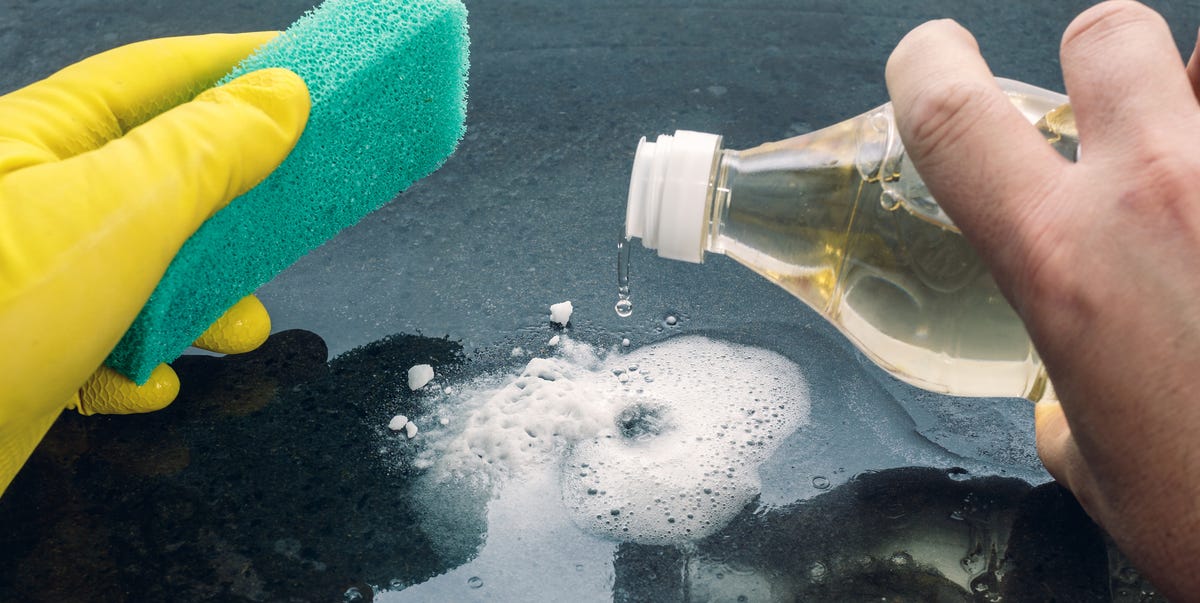
Vinegar has a reputation as the superhero of natural cleaning. It deodorizes drains, shines some glass, loosens mineral deposits, and makes your kitchen smell faintly like a salad bar. But here is the part many viral cleaning hacks forget to mention: vinegar is acidic. That acidity is exactly why it works well on some messes and why it can quietly ruin certain surfaces, finishes, coatings, seals, and tools.
Distilled white vinegar is usually made of acetic acid diluted in water. That mild acid can be helpful for dissolving hard-water spots, soap scum, and light grime. However, when it meets natural stone, waxed wood, cast iron, rubber gaskets, grout, electronics, or delicate metals, the result may be dulling, etching, corrosion, stripped seasoning, or weakened parts. In other words, vinegar is not an all-purpose cleaner. It is a very useful cleaner with boundaries. Think of it like a friend who is great at brunch but should not be handed the keys to your entire house.
This guide explains the eight things that should never be cleaned with vinegar, why vinegar can damage them, and what to use instead. You will still have plenty of reasons to keep that bottle under the sink, but after reading this, you will know when to put it down and back away slowly.
Why Vinegar Is Not Safe for Every Cleaning Job
The main issue is acidity. Acidic cleaners can react with minerals, eat away at protective finishes, loosen sealants, or degrade certain materials over time. The damage is not always dramatic at first. Sometimes vinegar leaves a surface looking “almost fine” until repeated use creates cloudy spots, dull patches, weakened rubber, or a finish that no longer protects the material underneath.
Another common problem is overconfidence. Because vinegar is natural, many people assume it is automatically gentle. Natural does not always mean harmless. A cactus is natural too, but nobody is using it as a pillow. Vinegar can be a smart, budget-friendly cleaner when used on the right surfaces, but it should never be treated as a universal solution.
1. Natural Stone Countertops and Backsplashes
Examples: Marble, granite, limestone, travertine, slate, and quartzite
Natural stone is beautiful, durable, and surprisingly easy to offend. Vinegar can dull, etch, or stain stone surfaces because the acid reacts with minerals in the stone or weakens the protective sealer. Marble and limestone are especially vulnerable because they contain calcium carbonate, which reacts poorly with acidic substances. Granite is tougher, but vinegar can still wear down its sealant over time, making the surface more likely to absorb stains.
Etching may look like cloudy water spots, pale rings, or dull patches that do not wipe away. The frustrating part is that these marks are not just dirt sitting on top. They are often changes in the surface itself. That means a quick wipe with another cleaner will not fix the problem. In severe cases, professional polishing or resealing may be needed.
Use instead: Warm water, a few drops of mild dish soap, and a soft microfiber cloth. For regular care, choose a pH-neutral cleaner labeled safe for natural stone. Wipe spills quickly, especially coffee, wine, citrus juice, tomato sauce, and anything acidic.
2. Hardwood Floors and Waxed Wood Furniture
Why vinegar can dull wood finishes
Hardwood floors and vinegar have a complicated relationship, and not in a romantic-comedy way. Vinegar can gradually dull polyurethane, wax, oil, or other protective finishes. On unfinished or poorly sealed wood, moisture and acid can penetrate the grain, causing swelling, discoloration, or roughness. Even diluted vinegar may be too harsh when used repeatedly.
Wood furniture can suffer similar damage. Antique pieces, waxed tables, and hand-finished chairs are particularly sensitive. Vinegar can strip wax, soften finishes, and leave the surface looking tired instead of clean. If a dining table starts looking cloudy after repeated vinegar wipe-downs, it may not be “aging gracefully.” It may be begging for mercy.
Use instead: For floors, use a cleaner recommended by the flooring manufacturer. For furniture, dust with a dry microfiber cloth and clean sticky spots with a barely damp cloth and a mild wood-safe cleaner. Dry immediately. Avoid soaking wood, no matter what cleaner you use.
3. Cast Iron Cookware
Vinegar can strip the seasoning you worked so hard to build
A well-seasoned cast iron skillet is basically kitchen treasure. The dark, smooth seasoning layer is made from polymerized oil, and it helps protect the pan from rust while creating a naturally slick cooking surface. Vinegar can weaken or strip that seasoning, especially if it sits on the pan for too long.
Short vinegar soaks are sometimes used by experienced restorers to remove rust from neglected cast iron, but that is a special repair technique, not everyday cleaning. For routine cleanup, vinegar is too aggressive. It can leave the metal exposed, which means rust may show up faster than an uninvited guest at dinner.
Use instead: Wash cast iron with hot water and a soft brush or non-scratch scrubber. A small amount of mild dish soap is usually fine for modern seasoned pans. Dry the pan completely, then rub on a very thin layer of cooking oil before storing. For stuck-on bits, use coarse salt as a gentle scrub.
4. Electronic Screens and Touchscreens
That includes TVs, laptops, tablets, phones, and monitors
Vinegar should not be sprayed on electronic screens. Many screens have anti-glare, fingerprint-resistant, or protective coatings that can be damaged by acidic cleaners. Even worse, spraying liquid directly onto a screen can allow moisture to seep into edges, ports, speakers, or buttons. Your TV does not need vinaigrette.
Damage may appear as streaks, cloudy patches, uneven shine, or a screen that never looks properly clean again. Touchscreens are especially vulnerable because their coatings are part of what makes them smooth and responsive.
Use instead: Turn the device off and unplug it. Wipe gently with a dry microfiber cloth. If needed, lightly dampen the cloth with water or use a screen cleaner approved by the device manufacturer. Never spray liquid directly onto the screen.
5. Washing Machines, Dishwashers, and Rubber Gaskets
Vinegar may weaken rubber seals and hoses over time
Many people pour vinegar into washing machines or dishwashers to fight odors and mineral buildup. The problem is that repeated exposure to vinegar can be hard on rubber components, including seals, gaskets, and hoses. These parts are not glamorous, but they are responsible for keeping water where it belongs. When they weaken, leaks can happen, and leaks are the opposite of a relaxing weekend.
Some appliance manuals may allow vinegar for a specific maintenance task, while others recommend commercial appliance cleaners or built-in cleaning cycles. The safest rule is simple: follow the manufacturer’s instructions for your exact model. A cleaning hack is not worth a damaged washer seal or a dishwasher that suddenly decides to become an indoor fountain.
Use instead: Use the appliance’s self-clean cycle, a manufacturer-approved washer or dishwasher cleaner, or warm water with mild soap for removable parts. For front-load washer gaskets, wipe the folds with a soft cloth, remove debris, and dry thoroughly after use.
6. Grout, Especially Unsealed or Damaged Grout
Vinegar can slowly erode cement-based grout
Tile often handles vinegar better than the lines between the tiles. Many types of grout are cement-based and porous. Vinegar can weaken or wear away grout over time, especially if the grout is unsealed, cracked, old, or already crumbly. The result may be pitting, roughness, discoloration, or gaps that allow moisture to sneak behind tile.
This matters most in showers, bathrooms, kitchens, and backsplashes where grout is already exposed to water, soap, grease, and daily wear. Vinegar may seem like a quick fix for soap scum, but repeated use can turn grout maintenance into grout regret.
Use instead: Use a grout-safe cleaner, oxygen bleach according to label directions, or a paste made from baking soda and water for light scrubbing. Rinse well and dry the area. If grout is stained but intact, consider resealing it after cleaning.
7. Egg Spills and Protein-Based Messes
Vinegar can make egg cleanup weirdly worse
Dropping an egg on the floor is already annoying. Cleaning it with vinegar can make it more annoying. Because vinegar is acidic, it can cause proteins in egg to coagulate, turning the mess thicker, stickier, or more rubbery. Instead of wiping up a slippery spill, you may end up chasing little egg blobs around the floor like a low-budget science experiment.
This same principle can apply to some protein-based food messes. Vinegar is not always the best first choice for raw egg, dairy spills, or certain food stains. It may set or alter the mess before you have a chance to remove it cleanly.
Use instead: For egg spills, sprinkle a little salt or baking soda over the mess to help absorb moisture, scoop it up with paper towels or a scraper, then clean the area with cool water and mild dish soap. Avoid hot water at first because heat can also cook proteins onto the surface.
8. Kitchen Knives, Bare Metals, and Certain Stainless Steel Surfaces
Acid can dull, pit, or discolor metal
Vinegar may be useful for removing mineral spots from some stainless steel fixtures when used carefully and briefly, but it is not a good everyday cleaner for knives, bare aluminum, copper, brass, or delicate metal finishes. Acid can encourage corrosion, pitting, discoloration, or dullness. Kitchen knives are especially important because vinegar can affect both the blade finish and the sharp edge.
Stainless steel appliances can also be tricky. Some have protective coatings or brushed finishes that show streaks easily. Using vinegar too often or leaving it on too long may leave the surface looking cloudy rather than polished. If your refrigerator door starts reflecting your face like a haunted funhouse mirror, your cleaner may be part of the problem.
Use instead: Wash knives by hand with warm water and mild dish soap, then dry immediately. For stainless steel appliances, use a microfiber cloth and a cleaner labeled safe for stainless steel. Always wipe with the grain and avoid abrasive pads.
Bonus Safety Rule: Never Mix Vinegar With Bleach
This warning deserves its own spotlight. Never mix vinegar with chlorine bleach. Vinegar is an acid, and when acid mixes with bleach, it can release chlorine gas. Chlorine gas can irritate the eyes, throat, and lungs and can be dangerous, especially in enclosed spaces. Do not mix vinegar with bleach in a bucket, sink, toilet, washing machine, spray bottle, or “just to see if it works” experiment. It works, but in the worst possible way.
The same general rule applies to cleaning chemicals overall: do not mix products unless the label specifically says it is safe. More cleaners do not equal more clean. Sometimes they equal a very bad afternoon.
What Vinegar Can Still Clean Safely
After all those warnings, vinegar may sound like it should be escorted out of the cleaning cabinet. Not necessary. Vinegar can still be useful for many jobs when used correctly. It can help dissolve hard-water spots on glass shower doors, freshen some drains, clean certain non-stone ceramic tile, remove light mineral buildup from faucets, and deodorize some washable surfaces.
The key is matching the cleaner to the material. Before using vinegar, ask three questions: Is the surface stone, wood, rubber, metal, coated, or electronic? Does the manufacturer recommend vinegar? Can I test a hidden spot first? If the answer makes you hesitate, choose a gentler cleaner.
Quick Vinegar Safety Checklist
- Do not use vinegar on natural stone, including marble and limestone.
- Do not use vinegar regularly on hardwood floors or waxed wood furniture.
- Do not soak cast iron in vinegar for routine cleaning.
- Do not spray vinegar on screens or electronics.
- Do not rely on vinegar for appliance cleaning unless the manual allows it.
- Do not use vinegar on unsealed, damaged, or crumbling grout.
- Do not use vinegar on raw egg spills.
- Do not clean knives or delicate metals with vinegar.
- Never mix vinegar with bleach.
Real-World Experiences: When Vinegar Cleaning Goes Wrong
Almost every household has a vinegar story. It usually begins with confidence. Someone reads a quick cleaning tip, grabs the bottle, and thinks, “This is cheap, natural, and smells like responsibility.” Then reality arrives wearing rubber gloves.
One common experience involves stone countertops. A homeowner wipes a marble vanity with vinegar because the bathroom smells musty. At first, the surface looks clean. A few days later, cloudy rings appear around the sink. They scrub harder, thinking it is residue. The marks stay. That is when they learn the sad phrase “acid etching.” The vinegar did not leave dirt behind; it changed the surface. The lesson is painful but memorable: stone needs pH-neutral care, not pantry chemistry.
Another classic mistake happens with hardwood floors. Someone mixes vinegar and water, mops the entire living room, and admires the fresh scent. After doing this weekly for months, the floor starts losing its glow. Sunlight hits it and reveals dull lanes where people walk most often. The owner blames age, shoes, the dog, and possibly the moon. But repeated acidic cleaning may have weakened the finish. A wood-safe cleaner would have been less dramatic and much kinder.
Cast iron creates a different kind of lesson. A new cast iron owner sees a stubborn patch after cooking bacon and thinks vinegar will “deep clean” the pan. It does. Too well. The seasoning lightens, the surface feels rough, and orange rust appears by morning. The pan is not ruined, but now it needs reseasoning. Cast iron is forgiving, but it prefers simple care: clean, dry, oil lightly, repeat.
Appliances tell slower stories. Vinegar in a washing machine may not cause visible damage after one use. That is why the habit spreads. The washer smells fresher, so people keep doing it. Months later, a gasket looks dry, a hose weakens, or a musty smell returns because the real problem was trapped moisture and detergent buildup. The better habit is boring but effective: wipe the seal, leave the door open, use the correct cleaning cycle, and follow the manual.
Then there is the egg spill. Anyone who has tried vinegar on raw egg understands instant regret. The texture changes, the mess smears, and suddenly breakfast is behaving like craft glue. Cool water and dish soap are not exciting, but they work.
The biggest experience-based takeaway is this: vinegar is not bad. Misused vinegar is bad. The bottle under your sink can be helpful, but it needs a job description. Use it where acid helps, avoid it where acid harms, and never assume “natural” means “safe for everything.” Your countertops, floors, pans, appliances, and future self will appreciate the restraint.
Conclusion
Vinegar is a useful cleaner, but it is not a magic potion for every surface in the house. Its acidity makes it effective on some mineral deposits and odors, yet risky for natural stone, wood finishes, cast iron, electronics, rubber parts, grout, egg spills, and certain metals. The smartest cleaning routine is not the one with the most viral hacks. It is the one that respects the material you are cleaning.
Before using vinegar, check the surface, read the care label or manufacturer instructions, and choose the mildest effective cleaner. When in doubt, start with warm water, mild dish soap, and a soft cloth. It may not sound glamorous, but neither does paying to repair a countertop because your cleaner had main-character energy.