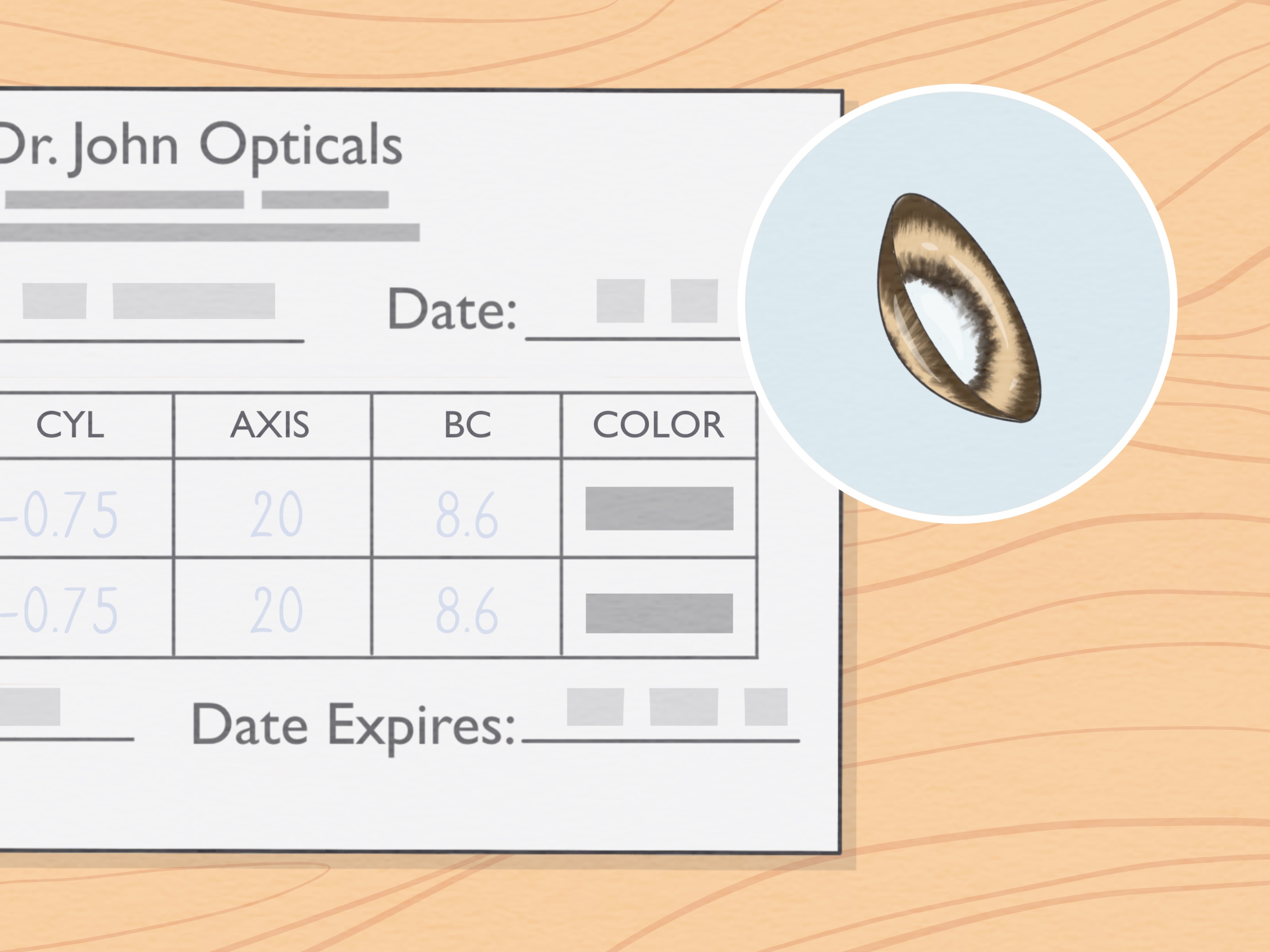
Reading a contact lens prescription can feel a little like decoding a secret message from an eye doctor who moonlights as a mathematician. You see abbreviations like OD, OS, SPH, BC, DIA, CYL, and AXIS, and suddenly ordering contacts seems less like shopping and more like passing a tiny vision exam.
The good news? A contact lens prescription is not as scary as it looks. Once you understand what each number and abbreviation means, you can confidently check your lens box, compare your right and left eye information, and avoid ordering the wrong lenses. That last part matters because contact lenses are not just “tiny glasses that sit on your eyeballs.” They are medical devices that must fit your eye correctly.
This easy guide explains how to read a contact lens prescription step by step, what each term means, why your glasses prescription is not the same thing, and when you should call your eye care provider instead of guessing. Your eyes work hard all day. They deserve better than a “close enough” prescription.
What Is a Contact Lens Prescription?
A contact lens prescription is a written set of measurements and product details that tells you exactly which contact lenses are safe and appropriate for your eyes. It is created after a contact lens exam and fitting, not just a regular vision test.
A complete prescription usually includes your name, exam date, issue date, expiration date, prescriber information, lens power, lens brand or material, base curve, diameter when needed, and any additional values for astigmatism or multifocal correction. In plain English, it tells the seller, “These are the lenses that fit this person’s eyes and correct their vision properly.”
Why Contact Lens Prescriptions Are More Detailed Than Glasses Prescriptions
Glasses sit about 12 millimeters away from your eyes. Contact lenses sit directly on the tear film over your cornea. That small difference changes everything. Because contacts touch the eye, the prescription must account for both vision correction and physical fit.
That is why contact lens prescriptions include measurements such as base curve and diameter. These are not usually found on a glasses prescription. A contact lens that has the correct power but the wrong fit may move too much, feel scratchy, blur your vision, or reduce oxygen flow to the cornea. Translation: your eyeballs will not be sending you a thank-you card.
Contact Lens Prescription Abbreviations Explained
Most contact lens prescriptions follow a predictable format. Once you learn the common abbreviations, the whole thing becomes much easier to read.
OD and OS: Right Eye and Left Eye
OD stands for oculus dexter, which means right eye. OS stands for oculus sinister, which means left eye. Sometimes you may also see OU, meaning both eyes.
Do not assume both eyes are the same. Many people have different prescriptions for each eye. Your right eye may need a -2.50 power while your left eye needs -2.00. Your eyes are siblings, not identical twins.
SPH, PWR, or Power: The Strength of Vision Correction
SPH, PWR, or Power tells you the focusing strength of the contact lens. This number is measured in diopters. A minus sign means the lens corrects nearsightedness, also called myopia. A plus sign means the lens corrects farsightedness, also called hyperopia.
For example:
- -3.00 means the lens corrects nearsightedness.
- +2.00 means the lens corrects farsightedness.
- 0.00 or Plano means there is no focusing power.
The higher the number is from zero, the stronger the correction. A -6.00 lens is stronger than a -2.00 lens. However, stronger does not mean better. It simply means your eye needs more optical correction to focus clearly.
BC: Base Curve
BC stands for base curve. It describes the curvature of the back surface of the contact lens. This measurement helps the lens sit properly on your eye.
Base curve is usually written in millimeters, such as 8.4, 8.5, or 8.6. A lower number generally means a steeper curve, while a higher number means a flatter curve. Many soft contact lenses have base curve numbers between 8 and 9, though available options vary by brand.
If the base curve is wrong, the lens may feel too tight, slide around, blur your vision, or cause discomfort. This is one reason you should not switch contact lens brands without approval from your eye care provider. A different brand may have a different fit even if the power looks the same.
DIA: Diameter
DIA stands for diameter. It measures the width of the contact lens from edge to edge, also in millimeters. Common soft contact lens diameters are often around 13.8 to 14.5 mm, depending on the lens type and brand.
Diameter helps determine how the lens covers your cornea and sits on the eye. A lens that is too small or too large may not center correctly. If your lens drifts around like it has weekend plans, diameter could be part of the problem.
CYL: Cylinder for Astigmatism
CYL stands for cylinder. This number appears if you need toric contact lenses to correct astigmatism. Astigmatism happens when the eye has an uneven curve, which can make vision look blurry or distorted at multiple distances.
Cylinder measures the amount of astigmatism correction needed. It is usually written as a minus number, such as -0.75, -1.25, or -2.25. If your prescription does not show CYL, you may not need astigmatism correction in your contact lenses.
AXIS: The Direction of Astigmatism Correction
AXIS works with CYL. It tells the lens where the astigmatism correction should be placed. Axis is written as a number from 0 to 180 degrees.
For example, a toric lens prescription might read:
OD: -2.50 SPH / -1.25 CYL / 180 AXIS
That means the right eye needs -2.50 power, -1.25 cylinder correction, and the cylinder correction is positioned at 180 degrees. If you have CYL, you must also have an AXIS value. They are a pair, like peanut butter and jelly, except much more important for clear vision.
ADD: Extra Power for Multifocal Contact Lenses
ADD stands for addition. It is used in multifocal or bifocal contact lenses, often for people with presbyopia, the age-related change that makes close-up reading harder.
ADD may appear as a number, such as +1.50 or +2.00, or as a word such as Low, Medium, or High, depending on the lens brand. This value helps provide extra focusing support for reading, phone scrolling, menus, labels, and all those tiny instructions manufacturers somehow expect humans to read.
Brand or Manufacturer
Your contact lens prescription usually includes a specific brand, manufacturer, or lens material. This is not just a casual suggestion. Contact lenses vary in shape, material, oxygen transmission, moisture design, and replacement schedule.
If your prescription says a specific brand, order that brand unless your eye care provider approves a change. A -3.00 lens from one brand is not automatically interchangeable with a -3.00 lens from another brand. Same power, different fit. Think of it like shoes: a size 9 sneaker and a size 9 dress shoe may not feel the same after eight hours.
Expiration Date
Your prescription will include an expiration date. In the United States, contact lens prescription expiration rules may vary by state, but prescriptions commonly expire after one or two years. Once expired, you need a new exam and fitting before buying more lenses.
This is not just paperwork drama. Eye health can change, lens fit can change, and old prescriptions may no longer be safe or accurate. Regular checkups help catch dryness, irritation, corneal changes, and other problems before they become serious.
Example: How to Read a Contact Lens Prescription
Here is a sample contact lens prescription:
| Eye | Power | BC | DIA | CYL | AXIS | Brand |
|---|---|---|---|---|---|---|
| OD | -2.50 | 8.6 | 14.2 | -0.75 | 180 | Example Toric Lens |
| OS | -2.00 | 8.6 | 14.2 | -0.75 | 170 | Example Toric Lens |
Here is what it means:
- The right eye is OD and the left eye is OS.
- Both eyes are nearsighted because the power numbers are negative.
- Both lenses have a base curve of 8.6 mm.
- Both lenses have a diameter of 14.2 mm.
- Both eyes need astigmatism correction because CYL and AXIS are listed.
- The axis differs slightly between the eyes, which is normal.
- The brand matters and should match the prescription.
Once you break it into columns, the prescription becomes much less mysterious. It is simply a map for ordering the correct lenses.
Contact Lens Prescription vs. Glasses Prescription
One of the most common mistakes people make is trying to use a glasses prescription to buy contact lenses. Please do not do this. Your eyes may be forgiving about a lot of things, but this is not one of them.
A glasses prescription only corrects vision from a lens positioned in front of your eye. A contact lens prescription corrects vision from a lens sitting directly on your eye. That means the power may differ, especially for stronger prescriptions. Contact lenses also require fit measurements such as base curve and diameter.
Why Your Contact Lens Power May Be Different
Because contacts sit closer to the eye than glasses, the needed lens power can change. This is especially noticeable in prescriptions above about +/-4.00 diopters. Your eye doctor uses measurements and trial lenses to determine the correct contact lens power, not just a copy-and-paste version of your glasses numbers.
Why Fit Matters as Much as Clarity
A contact lens must move slightly with each blink, stay centered, allow enough oxygen to reach the cornea, and remain comfortable during wear. During a fitting, your provider checks how the lens sits and moves on your eye. That fitting step is why a contact lens prescription is more than just “how blurry things are without help.”
Where to Find Your Contact Lens Prescription
You can usually find your prescription in one of four places:
- The paper or digital prescription from your eye care provider
- Your contact lens box or blister pack
- Your online account with a contact lens retailer
- Your eye doctor’s patient portal
On a contact lens box, the numbers may be printed as PWR, BC, DIA, and sometimes CYL, AX, or ADD. Always compare the box to your prescription before wearing new lenses. It takes ten seconds and can save you from a day of blurry confusion.
Common Mistakes When Reading a Contact Lens Prescription
Mixing Up Right and Left Eye
OD and OS are easy to confuse, especially if you are ordering in a hurry. Double-check before checkout. If your eyes have different powers, switching them can make your vision feel weird, unbalanced, or headache-inducing.
Ignoring the Plus or Minus Sign
A plus sign and a minus sign are not decorative. They completely change the lens. A +2.00 lens and a -2.00 lens are opposites. Accidentally choosing the wrong sign is like putting the car in reverse when you meant to drive forward.
Ordering the Same Power for Both Eyes
Some people have the same prescription in both eyes, but many do not. Do not assume. Read each row carefully and enter each eye separately when ordering.
Replacing a Toric Lens With a Regular Spherical Lens
If your prescription includes CYL and AXIS, you likely need toric lenses for astigmatism. Ordering a regular spherical lens with only the power may leave your vision blurry, even if the power number looks close.
Switching Brands Without Approval
Contact lens brands are not always interchangeable. Even when power, BC, and DIA look similar, the material and design can affect fit, comfort, oxygen flow, and vision stability. Ask your eye care provider before switching.
Using an Expired Prescription
An expired prescription should not be used to buy contacts. If your prescription is out of date, schedule an exam. Your eyes may have changed, and your provider can confirm that your current lenses are still safe and comfortable.
How to Order Contact Lenses Using Your Prescription
When ordering contact lenses online or in person, enter the prescription exactly as written. Match the brand, power, base curve, diameter, and any toric or multifocal values. Check the quantity and replacement schedule too. Daily disposable lenses, two-week lenses, and monthly lenses are not worn the same way.
Before placing the order, review:
- Right eye and left eye values
- Plus or minus signs
- BC and DIA numbers
- CYL and AXIS, if included
- ADD power, if included
- Brand and lens type
- Prescription expiration date
If anything looks strange, pause. A quick call to your eye care provider is much better than receiving a box of lenses that makes the world look like it was filmed through a fish tank.
Safety Tips Every Contact Lens Wearer Should Know
Understanding your prescription is only part of responsible contact lens wear. You also need to use your lenses safely. Poor contact lens habits can increase the risk of irritation, infections, and more serious eye problems.
Follow the Wearing Schedule
Wear your lenses only for the schedule prescribed. Daily lenses should be thrown away after one day. Monthly lenses should not become “whenever I remember” lenses. Stretching the schedule can lead to deposits, discomfort, and higher infection risk.
Keep Contacts Away From Water
Do not rinse contacts with tap water. Do not wear them in the shower, pool, lake, or hot tub unless your eye doctor gives specific instructions. Water can expose lenses to microorganisms that do not belong near your cornea.
Wash and Dry Your Hands
Before touching contacts, wash your hands with soap and dry them with a lint-free towel. This small habit is boring, yes, but boring is wonderful when the alternative is an eye infection.
Replace Your Case Regularly
If you use reusable lenses, replace your contact lens case as recommended, often about every three months. Clean the case with fresh contact lens solution, not water, and let it air dry.
Do Not Sleep in Contacts Unless Prescribed
Sleeping in contacts can increase the risk of eye irritation and infection, even if it feels harmless at the time. Only sleep in lenses if your eye care provider specifically prescribed them for overnight wear.
When to Call Your Eye Doctor
Call your eye doctor if your lenses feel painful, your vision suddenly changes, your eyes become very red, light bothers you, or you notice unusual discharge. Remove your lenses and wear glasses until you get professional advice.
You should also call if your prescription seems unclear, if the brand listed is discontinued, if you want to switch lens types, or if your lenses never feel comfortable. Contact lens comfort is not supposed to be a heroic endurance sport.
Real-Life Experience: Learning to Read a Contact Lens Prescription Without Panicking
The first time many people look at a contact lens prescription, they do what any reasonable person would do: stare at it, blink twice, and wonder why their eye doctor wrote a tiny spreadsheet instead of a simple sentence. The prescription may look complicated, but the experience of learning it usually follows a very normal path.
At first, the most confusing part is often the difference between the right and left eye. People expect the prescription to say “right” and “left,” but instead they see OD and OS. Once you learn that OD means right eye and OS means left eye, the whole page becomes friendlier. A useful trick is to remember that OD comes before OS alphabetically, just like right eye is often listed before left eye on the prescription. It is not a perfect memory trick, but it gets the job done.
The next “aha” moment usually comes with the power number. Many first-time wearers worry that a higher number means something is wrong with their eyes. It does not. It simply means the lens needs more focusing strength. Someone with -1.25 and someone with -5.50 are both just wearing the correction that helps them see clearly. Contact lenses are not a contest, and there is no prize for having the smallest number.
Another common experience is realizing that the lens box already contains most of the prescription information. The side of the box may show PWR, BC, DIA, and the brand name. If you wear toric lenses, it may also show CYL and AXIS. Comparing the box to the prescription is one of the easiest ways to build confidence. It is like matching puzzle pieces: right eye power to right eye box, left eye power to left eye box, and so on.
People with astigmatism often need a little extra patience. Toric lenses include more numbers, and the axis value can seem random at first. But once you understand that CYL measures the amount of astigmatism correction and AXIS tells where that correction goes, it becomes much less intimidating. The axis number is not better or worse if it is higher or lower. It is just a direction.
Multifocal wearers have their own learning curve. ADD power may look like another mystery number, but it simply helps with near vision. Some brands use Low, Medium, or High instead of a regular number. This can feel vague, but it is part of the lens design. The important thing is to order the exact ADD value or category listed on the prescription.
One practical experience many contact lens wearers share is learning not to rush online orders. The mistake usually happens when someone is tired, distracted, or trying to reorder during lunch in three minutes. That is when plus signs become minus signs, OD and OS get swapped, or a toric lens accidentally becomes a regular spherical lens. The best habit is to slow down, compare every field, and review the order before paying.
Another useful lesson is that comfort matters. Some new wearers assume discomfort is normal and try to “tough it out.” Mild awareness can happen at first, but pain, strong redness, constant dryness, or blurry vision should not be ignored. A prescription is not only about seeing 20/20. It is also about wearing lenses that fit your eyes safely.
Over time, reading a contact lens prescription becomes routine. The abbreviations stop looking like alphabet soup. You learn where to find your brand, how to check your power, and why the base curve and diameter are not optional details. The prescription becomes less of a puzzle and more of a useful tool. And honestly, that is the goal: clear vision, comfortable lenses, and fewer moments of squinting at tiny numbers like they owe you money.
Conclusion
Learning how to read a contact lens prescription is easier when you break it into simple parts. OD and OS tell you which eye is which. Power shows the strength of correction. BC and DIA help the lens fit properly. CYL and AXIS correct astigmatism. ADD supports near vision in multifocal lenses. Brand, material, issue date, and expiration date help make sure you order the correct and current lenses.
The biggest takeaway is this: do not guess. Contact lenses sit directly on your eyes, so accuracy matters. Read each field carefully, match the prescription exactly, and ask your eye care provider if anything is unclear. Your future self, enjoying crisp vision and comfortable eyes, will be very pleased with your attention to detail.