Every October, millions of pumpkins are promoted from “humble squash” to “front-porch celebrity.” They get carved, lit up, photographed, and admired by neighbors. Then, sometime after Halloween, many of them quietly become porch soup. But before you toss your orange masterpiece into the trash, you may wonder: Are Halloween pumpkins edible?
The short answer is yesHalloween pumpkins are technically edible. The longer answer is: yes, but with a few important food-safety rules, flavor expectations, and common-sense limits. A fresh, uncarved Halloween pumpkin can be cooked and eaten. A carved jack-o’-lantern that has been sitting outside for days, collecting candle smoke, dirt, insects, bacteria, and the occasional suspicious leaf? That one belongs in the compost pile, not in your pie.
In this guide, we’ll break down which Halloween pumpkins are safe to eat, why carving pumpkins taste different from pie pumpkins, how to cook them, what to do with the seeds, and when to say, “Thank you for your service, spooky squash,” and let it go.
So, Are Halloween Pumpkins Edible?
Yes, most Halloween pumpkins are edible because they are still pumpkins, and pumpkins are a type of winter squash. The flesh, seeds, and even the stringy inside can be used in food when the pumpkin is fresh, clean, and in good condition.
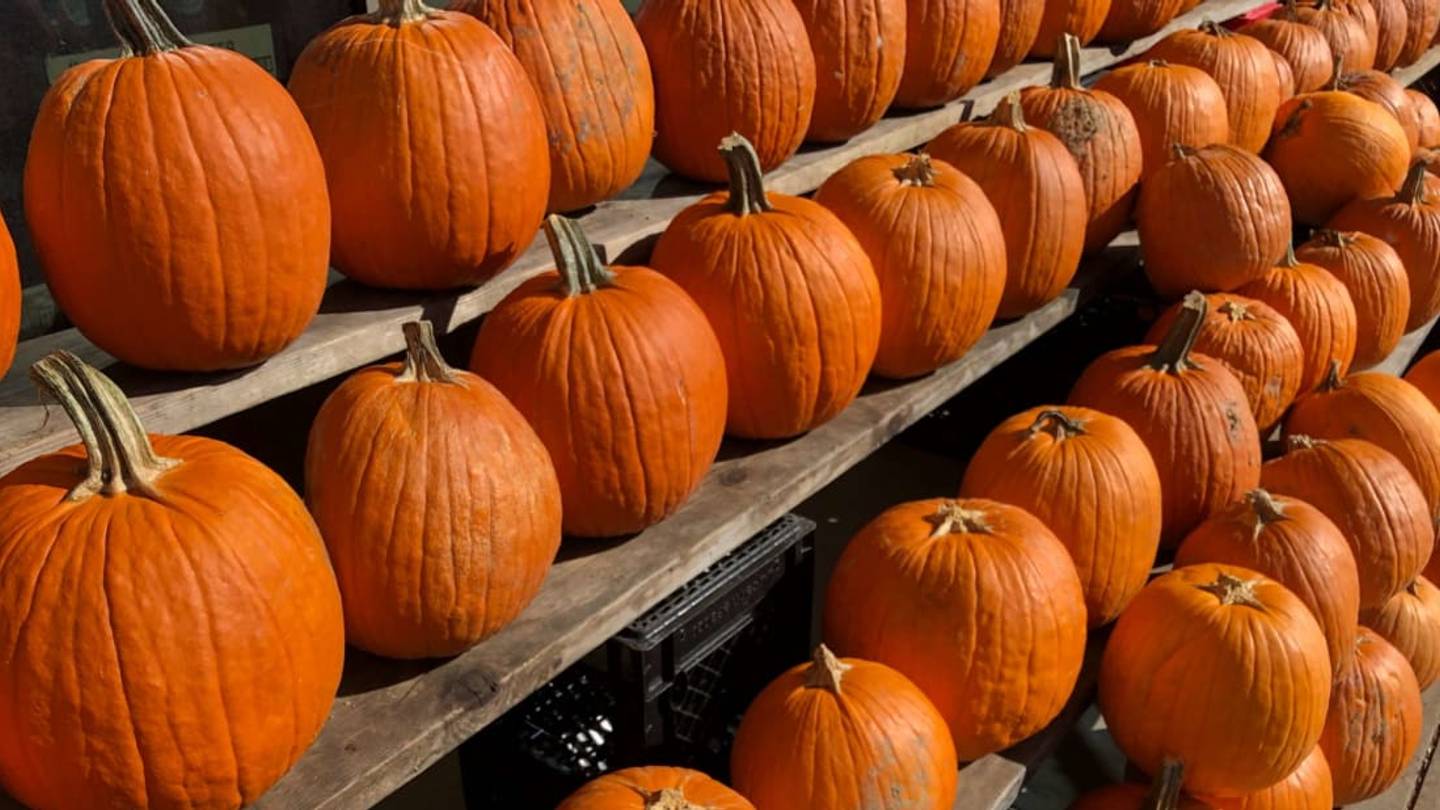
However, pumpkins sold for carving are usually bred for size, shape, color, and dramatic front-porch presencenot for sweetness or creamy texture. They tend to be larger, more watery, and stringier than smaller cooking pumpkins. That means you can eat them, but they may not deliver the rich, smooth flavor you expect from pumpkin pie, pumpkin bread, or silky soup.
Think of a carving pumpkin as the extroverted cousin of the pumpkin family. It looks fantastic at parties, takes great photos, and wears a carved grin beautifully. A sugar pumpkin, on the other hand, is the quiet overachiever in the kitchen. It is smaller, denser, sweeter, and generally better for cooking.
Can You Eat a Pumpkin After It Has Been Carved?
Usually, no. Once a pumpkin has been carved and displayed, especially outdoors, it should not be used for cooking. Carving exposes the moist interior to air, hands, knives, outdoor temperatures, insects, mold spores, bacteria, smoke from candles, and general porch chaos. After that, it is no longer a reliable food ingredient.
If you want to eat part of a Halloween pumpkin, plan ahead. Scoop out and roast the seeds immediately after carving. If you want the flesh, cook it before carving or buy an extra pumpkin specifically for eating. A good rule is simple: decorate with one pumpkin, cook with another.
Safe to eat:
- Fresh, whole pumpkins with no soft spots, mold, cracks, or bad smell
- Uncarved pumpkins kept in a cool, dry place
- Seeds removed from a freshly cut pumpkin and roasted soon after
- Pumpkin flesh cooked soon after cutting
Not safe to eat:
- Pumpkins carved and left outside for hours or days
- Pumpkins with mold, slime, soft spots, or a sour smell
- Pumpkins painted with non-food-safe paints or treated with preservatives
- Jack-o’-lanterns exposed to candles, wax, dirt, pests, or warm weather
Carving Pumpkins vs. Pie Pumpkins: What’s the Difference?
All pumpkins may look like they belong in the same orange family reunion, but they are not equal in the kitchen. Carving pumpkins, also called jack-o’-lantern pumpkins or field pumpkins, are grown to be large, hollow, and easy to carve. Their walls are often thinner than cooking pumpkins, which makes them easier to cut into spooky faces but less exciting when roasted.
Pie pumpkins, also called sugar pumpkins or baking pumpkins, are smaller and heavier for their size. They have denser flesh, smoother texture, and a naturally sweeter flavor. If you are making pumpkin pie, pumpkin muffins, pumpkin soup, pumpkin pasta sauce, or homemade pumpkin puree, a sugar pumpkin is the better choice.
That does not mean carving pumpkins are useless in the kitchen. They can still work in savory recipes where texture and sweetness are less critical. Roasted cubes, soup, chili, curry, vegetable stock, and pumpkin bread can all handle a carving pumpkin if you season it well and manage the extra moisture.
What Does a Halloween Pumpkin Taste Like?
A fresh Halloween pumpkin usually tastes mild, earthy, and slightly sweet. Compared with a pie pumpkin, it is often more watery and less flavorful. The texture can be fibrous, which is why a blender, food processor, or immersion blender becomes your best friend if you are turning it into puree or soup.
If your cooked Halloween pumpkin tastes bland, do not panic. It is not broken; it is just under-seasoned. Pumpkin loves bold flavors. Try cinnamon, nutmeg, ginger, cloves, maple syrup, brown sugar, butter, olive oil, garlic, smoked paprika, curry powder, black pepper, sage, thyme, rosemary, or chili flakes.
In sweet recipes, extra spice and a little fat help the pumpkin taste fuller. In savory dishes, roasting is your secret weapon. Roasting evaporates some water and deepens the flavor, turning a shy pumpkin into something far more interesting.
How to Choose a Halloween Pumpkin You Can Eat
If you plan to cook a Halloween pumpkin, start with the right one. Choose a pumpkin that feels firm and heavy for its size. The skin should be hard, not wrinkled. Avoid pumpkins with bruises, cuts, mold, cracks, or soft spots, especially near the bottom where rot often hides like a tiny villain.
A sturdy, dry stem is a good sign, but do not carry the pumpkin by the stem. The stem may snap, the pumpkin may fall, and suddenly your kitchen project becomes an orange crime scene. Carry it from the bottom instead.
Store whole pumpkins in a cool, dry area away from direct sun. Once cut, pumpkin should be treated like other fresh produce. Refrigerate cooked or cut pumpkin and use it within a few days, or freeze cooked puree for longer storage.
How to Prepare a Halloween Pumpkin for Cooking
Preparing a pumpkin is not difficult, but it does involve a little effort. Pumpkins are basically nature’s kettlebells with seeds inside, so use a steady cutting board and a sharp knife.
Step 1: Wash the outside
Before cutting, scrub the pumpkin under running water. This helps remove dirt and bacteria from the surface so they are less likely to transfer to the flesh when you cut into it.
Step 2: Cut carefully
Slice off the top or cut the pumpkin in half from top to bottom. If the pumpkin is huge, cut it into smaller sections. Work slowly. No soup is worth a dramatic knife incident.
Step 3: Remove seeds and strings
Scoop out the seeds and stringy pulp. Save the seeds for roasting. The stringy part can be used for stock or blended into some recipes, but many people discard or compost it because the texture is not ideal.
Step 4: Roast, steam, boil, or pressure cook
Roasting usually gives the best flavor. Place pumpkin pieces cut-side down on a baking sheet and roast until tender. You can also steam or boil pumpkin, though those methods may add or retain more moisture.
Step 5: Puree or cube
After cooking, scoop the flesh from the skin. Mash it, blend it, or cut it into cubes depending on your recipe. If the puree is watery, drain it through a fine mesh strainer or cheesecloth before baking.
Best Ways to Eat Halloween Pumpkins
Because Halloween pumpkins can be mild and watery, they shine brightest in recipes that welcome extra seasoning or blending. Here are some practical ways to use them.
Pumpkin Soup
Soup is one of the easiest uses for a carving pumpkin. Roast the pumpkin first, then blend it with sautéed onion, garlic, vegetable broth, salt, pepper, and a little cream or coconut milk. Add curry powder, smoked paprika, or fresh herbs for more personality.
Pumpkin Bread or Muffins
Pumpkin bread is forgiving. It already includes spices, sweetener, and moisture, which makes it a friendly home for less-sweet pumpkin puree. Just drain watery puree before adding it to the batter.
Pumpkin Chili
Pumpkin works beautifully in chili because it adds body without shouting, “Hello, I am squash.” Stir cooked pumpkin puree into chili with beans, tomatoes, onions, cumin, and chili powder. It makes the texture richer and sneaks in extra produce.
Roasted Pumpkin Cubes
Cut cooked or raw pumpkin into cubes, toss with olive oil, salt, pepper, garlic powder, and herbs, then roast until browned on the edges. Serve as a side dish or add to grain bowls, salads, tacos, or pasta.
Pumpkin Puree
Homemade pumpkin puree can be used in pancakes, waffles, oatmeal, smoothies, sauces, cakes, and soups. It may not taste exactly like canned pumpkin, which is often made from specific squash varieties, but it can still be delicious.
Can You Eat Halloween Pumpkin Seeds?
Absolutely. Pumpkin seeds are often the best edible part of a Halloween pumpkin. They are crunchy, snackable, and much easier to love than a giant watery jack-o’-lantern. Freshly scooped seeds can be rinsed, dried, seasoned, and roasted.
To roast pumpkin seeds, separate them from the stringy pulp, rinse them, and pat them dry. Toss with a little oil and salt, then bake until golden and crisp. For extra flavor, try cinnamon sugar, ranch seasoning, garlic parmesan, taco seasoning, smoked paprika, or honey chili.
The most important rule is timing. Roast the seeds soon after opening the pumpkin. Do not wait until the jack-o’-lantern has been sitting outside for days and then try to rescue the seeds. That is not meal prep; that is a dare.
Can You Eat Raw Halloween Pumpkin?
Fresh raw pumpkin is generally edible when washed and prepared properly, but most people prefer it cooked. Raw pumpkin can be tough, fibrous, and not especially exciting. Cooking improves texture, deepens flavor, and makes it easier to use in recipes.
One important warning: if any pumpkin or squash tastes intensely bitter, do not eat it. Bitterness can be a sign of naturally occurring compounds called cucurbitacins, which may cause stomach upset. A normal pumpkin tastes mild, earthy, or lightly sweetnot harshly bitter.
Food Safety Rules for Eating Halloween Pumpkins
Food safety is the difference between a cozy fall dinner and a regrettable evening. Pumpkins are low-acid foods, which means they need proper handling and storage. Fresh pumpkin should be washed before cutting, cooked thoroughly, refrigerated promptly, and used within a safe window.
Do not can pumpkin puree at home. Because puree is thick and low in acid, it may not heat evenly enough in home canning equipment. If you want to preserve pumpkin, freeze cooked puree or pressure-can pumpkin in cubes using tested methods from reliable food preservation guidance.
Also avoid eating pumpkins that have been decorated with paint, glitter, glue, petroleum jelly, bleach solutions, commercial sprays, or other non-food ingredients. Those tricks may keep a jack-o’-lantern looking fresh, but they do not make it dinner-friendly.
What About Pumpkins Left Outside After Halloween?
If a pumpkin has been carved and left outside, skip eating it. Outdoor pumpkins may be exposed to insects, animals, temperature swings, mold, dirt, candle residue, and bacteria. Even if it still looks okay from ten feet away, the inside may tell a different story.
Instead of eating old pumpkins, consider composting them if they are free from paint, glitter, wax, and non-compostable decorations. Chop them into smaller pieces so they break down faster. You can also check whether local farms, community gardens, compost programs, or animal sanctuaries accept clean, undecorated pumpkins. Rules vary, so always ask before dropping pumpkins anywhere.
Why So Many Halloween Pumpkins Go to Waste
Halloween pumpkins are often treated as single-use decorations, which is a shame because pumpkins are food. A pumpkin can become soup, bread, roasted seeds, puree, compost, or garden nutrients. When pumpkins go to landfills, they decompose without much oxygen and can contribute to methane emissions. That is a spooky ending, and not in the fun haunted-house way.
The best way to reduce waste is to plan before Halloween. Buy one pumpkin for carving and one smaller pumpkin for cooking. Roast the seeds right away. Cook fresh pumpkin before it becomes porch décor. Compost what you cannot use. With a little planning, your pumpkin can have a second act that does not involve slowly collapsing beside the welcome mat.
Best Pumpkins for Cooking
If your goal is flavor, choose smaller cooking pumpkins. Look for sugar pumpkins, pie pumpkins, Long Island Cheese pumpkins, Cinderella pumpkins, Kabocha squash, or other dense winter squash varieties. These usually have richer flesh and a smoother texture than large carving pumpkins.
For pies and custards, sugar pumpkins are the classic choice. For soups and roasting, many winter squash varieties can outperform standard jack-o’-lantern pumpkins. But if all you have is a fresh carving pumpkin, do not be afraid to use it. Just roast it, season it boldly, and avoid expecting it to taste like canned pumpkin straight from the spoon.
Simple Recipe Idea: Roasted Halloween Pumpkin Soup
Here is a practical way to use a fresh, uncarved Halloween pumpkin. Cut the pumpkin into wedges, remove the seeds, brush the flesh with olive oil, and roast until tender. In a pot, sauté onion and garlic until fragrant. Add the roasted pumpkin flesh, vegetable broth, salt, pepper, and a pinch of smoked paprika. Simmer for 10 minutes, then blend until smooth. Finish with cream, coconut milk, or a swirl of olive oil.
If the soup tastes flat, add acidity. A squeeze of lemon juice or a splash of apple cider vinegar can brighten the flavor. If it tastes too earthy, add a touch of maple syrup. If it tastes too thin, simmer it longer. Pumpkin soup is very forgiving, which is good because carving pumpkins sometimes need a little coaching.
Common Mistakes to Avoid
The biggest mistake is waiting too long. A pumpkin that was fresh last week may not be safe today, especially after carving. Another mistake is assuming that all pumpkins taste the same. A giant jack-o’-lantern pumpkin can be edible but still disappointing in pie. Choose the right recipe for the pumpkin you have.
Do not forget to drain watery puree. Extra water can make baked goods dense, soggy, or oddly rubbery. Also, do not season timidly. Pumpkin is mild and needs support. Cinnamon, ginger, garlic, sage, curry, chili, and roasted onions can all help bring it to life.
Personal Experiences and Practical Lessons About Eating Halloween Pumpkins
The first time many people try to cook a Halloween pumpkin, they imagine a cozy kitchen scene: golden puree, warm spices, maybe a pie cooling on the counter like something from a holiday movie. Then they cut into a giant carving pumpkin and discover a watery, stringy interior that looks less like dessert and more like a haunted mop. That is the moment when expectations need a friendly adjustment.
One useful experience is to treat Halloween pumpkins as a savory ingredient first. Instead of forcing a carving pumpkin to become pie, turn it into soup, chili, curry, or roasted vegetables. Savory recipes are more flexible. They allow garlic, onions, herbs, broth, spices, and fat to build flavor around the pumpkin. A bland pumpkin becomes much more enjoyable when roasted with olive oil and seasoned with smoked paprika, black pepper, and a little salt.
Another lesson is that pumpkin seeds are almost always worth saving. Even when the flesh is not impressive, the seeds can become a crunchy snack in less than an hour. Drying them well before roasting makes a big difference. Wet seeds tend to steam before they crisp, while dry seeds roast more evenly. A simple mix of oil and salt is enough, but seasoning blends make them more fun. Cinnamon sugar works for a sweet version, while garlic powder and parmesan-style seasoning create a savory snack that disappears quickly.
Homemade pumpkin puree also teaches patience. Fresh pumpkin puree is often wetter than canned pumpkin. If you use it immediately in bread or muffins without draining it, the final result can be heavy. Letting the puree sit in a strainer for a while can improve texture dramatically. It may feel like an unnecessary step, but your muffins will know the difference.
There is also a timing lesson. The safest and tastiest pumpkin meals come from pumpkins cooked before they become decorations. Once a pumpkin has been carved, displayed, and exposed to the outdoor world, it is better to admire it, photograph it, and compost it. Trying to turn a three-day-old porch pumpkin into dinner is not resourceful; it is risky. Planning ahead solves the problem. Buy a carving pumpkin for fun and a smaller cooking pumpkin for recipes.
Finally, eating Halloween pumpkins can change how you think about seasonal waste. A pumpkin does not have to be a one-night decoration. It can be food, a snack, freezer puree, compost, or garden material. Even if you only roast the seeds and compost the shell, you have already given that pumpkin a better ending than the landfill. And honestly, after spending all October looking festive, the pumpkin deserves a respectable retirement plan.
Conclusion: Should You Eat Your Halloween Pumpkin?
Halloween pumpkins are edible, but the best choice depends on freshness, handling, and your recipe. A whole, clean, uncarved pumpkin can be cooked and eaten. A carved jack-o’-lantern that has been sitting outside should not be used for food, except for seeds removed and roasted immediately after carving.
For the best flavor, choose sugar pumpkins or pie pumpkins when cooking matters. Use large carving pumpkins for decoration, roasted seeds, soups, chili, compost, or low-pressure kitchen experiments. With smart handling, you can enjoy the fun of Halloween and still reduce food wastewithout turning your jack-o’-lantern into a questionable casserole.