If parsley is the polite guest at dinner and basil is the life of the party, tarragon is the mysterious friend who walks in wearing a great coat and smelling faintly of anise. It is elegant, a little dramatic, and surprisingly useful once you know what to do with it. For many home cooks, tarragon is one of those herbs they recognize on a recipe card but rarely buy on purpose. That is a shame, because this leafy herb can make simple food taste restaurant-level fancy with very little effort.
So, what is tarragon exactly? In short, it is an aromatic perennial herb used in cooking, especially in French cuisine. Its flavor is often described as lightly sweet, slightly peppery, and gently licorice-like, with hints of citrus and fresh grass. That description may sound like a lot for one little leaf, but tarragon really does pull off a strangely sophisticated flavor profile. It is the kind of herb that can wake up chicken, brighten a creamy sauce, and make a plain vinaigrette feel like it got promoted.
In this guide, we will break down what tarragon is, what it tastes like, how to use it, the difference between French tarragon and its relatives, how to store it, and why gardeners and cooks keep coming back to it. We will also end with real-world tarragon experiences from kitchens and gardens, because herbs are easier to understand once you see how they behave outside a textbook and inside an actual pan.
What Exactly Is Tarragon?
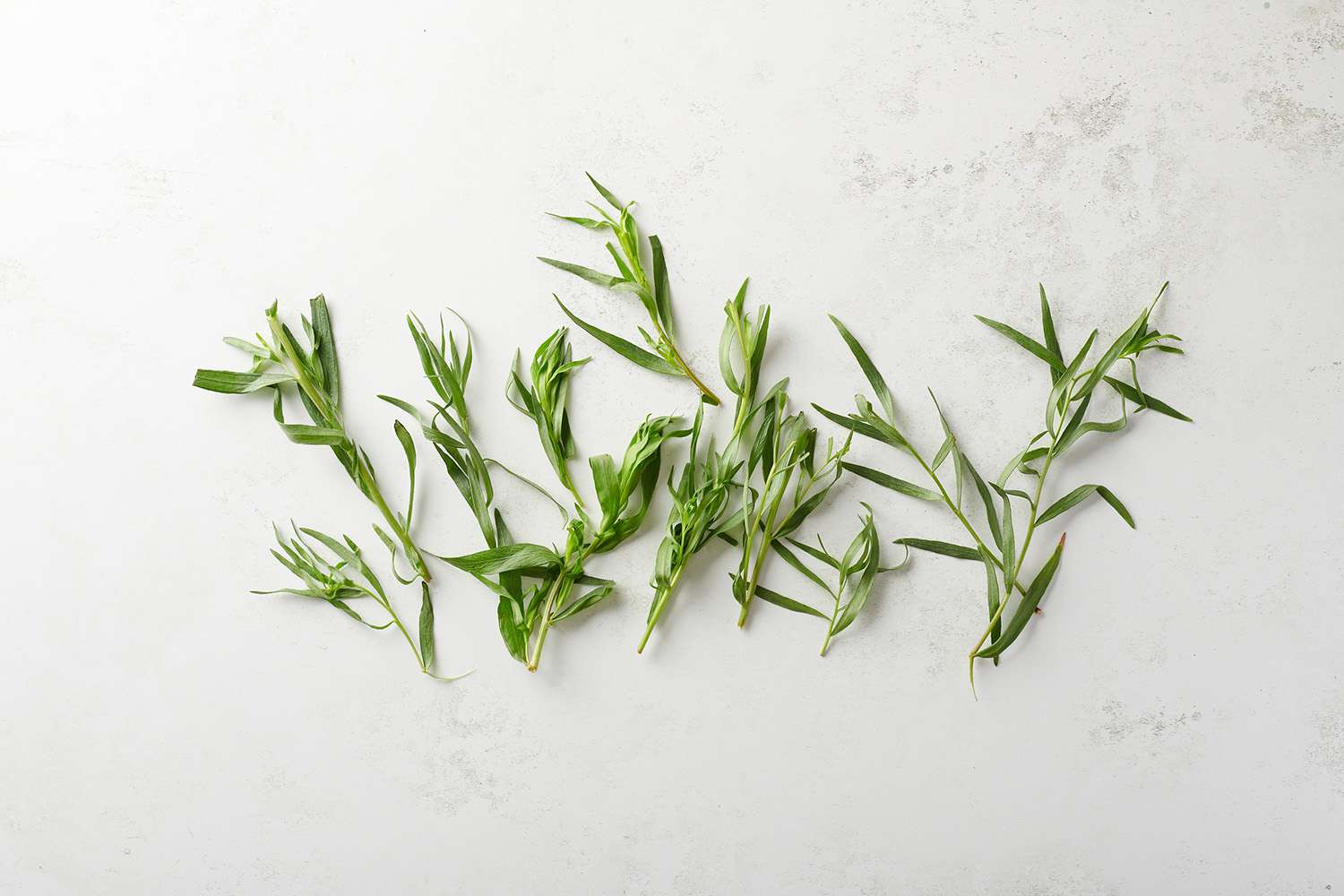
Tarragon is the common name for Artemisia dracunculus, an aromatic herb in the daisy or sunflower family. Yes, that means this elegant culinary herb is technically related to a very large plant family that includes plenty of familiar flowers. Tarragon is a perennial, which means it can come back year after year in the right conditions. It has narrow, smooth green leaves and a fragrance that makes people either lean in with delight or pause and say, “Wait… is that licorice?”
The herb has a long history in cooking and has been cultivated for centuries. It became especially important in French cuisine, where it earned a reputation as one of the classic fine herbs. When chefs talk about tarragon with a certain reverent sparkle in their eyes, this is why. It is not just another green garnish tossed onto a plate for decoration. It is a flavor builder.
Tarragon is used fresh and dried, though fresh tarragon is generally preferred when you want the most vibrant flavor. The leaves are the main part used in cooking, and they are often added to sauces, egg dishes, poultry, seafood, vegetables, salad dressings, mustards, and infused vinegars.
What Does Tarragon Taste Like?
The easiest way to explain the taste of tarragon is this: imagine if licorice went to finishing school and came back with better manners. Tarragon has a mild anise-like flavor, but it is usually softer and more refined than straight-up black licorice. Fresh tarragon also brings delicate grassy notes, a touch of sweetness, and sometimes a faint citrusy edge.
That combination is exactly why the herb works so well in rich foods. Butter, cream, eggs, and chicken love tarragon because its brightness cuts through heaviness without tasting sharp or harsh. It also pairs beautifully with lemon, shallots, mustard, and white wine. In other words, tarragon is very good at making food taste expensive without forcing you to take out a second mortgage.
Still, this is not a “grab a giant handful and hope for the best” herb. Tarragon is best when used thoughtfully. Too little and it disappears. Too much and the dish starts tasting like it wandered into a candy shop by mistake.
French Tarragon vs. Russian Tarragon vs. Mexican Tarragon
One reason people get confused about the tarragon herb is that “tarragon” can mean a few different plants in everyday conversation. They are not all interchangeable, and that matters if you care about flavor.
French Tarragon
French tarragon is the star of the show and the version most cooks want. It has the classic refined flavor: aromatic, lightly sweet, and pleasantly anise-like. This is the type used in traditional French cooking and the one associated with sauces, dressings, and fines herbes. French tarragon is prized for taste, but it can be a bit fussy in the garden. It is usually propagated from cuttings or divisions rather than seed.
Russian Tarragon
Russian tarragon is easier to grow and is often sold from seed, but its flavor is widely considered weaker and rougher. It tends to be more bitter, less fragrant, and much less exciting on the plate. If you bought “tarragon” seeds and later wondered why your herb tasted like disappointment with leaves, Russian tarragon may be the answer.
Mexican Tarragon
Mexican tarragon is not true tarragon at all, but it often steps in as a substitute, especially in hotter climates where French tarragon struggles. It has an anise-like aroma and can work well in many dishes that call for tarragon. Gardeners in warm Southern regions often appreciate it because it handles heat better than French tarragon.
If your goal is classic cooking with tarragon, choose French tarragon whenever possible.
How Is Tarragon Used in Cooking?
Tarragon is one of those herbs that seems small until you start noticing how many classic dishes rely on it. It is famously used in French cuisine, especially in Béarnaise sauce and fines herbes. But it is not limited to chef-school recipes and white tablecloths.
Here are some of the best ways to use tarragon:
- With chicken: Tarragon and chicken are an excellent match, especially in creamy sauces or roasted preparations.
- With fish and shellfish: Its delicate flavor works beautifully with salmon, white fish, shrimp, and crab.
- In egg dishes: Omelets, scrambled eggs, and quiches benefit from a little chopped tarragon.
- In dressings and vinaigrettes: Tarragon adds character without overwhelming the salad.
- In mustard and vinegar: Tarragon vinegar is a classic condiment and a smart way to preserve flavor.
- With vegetables: Potatoes, asparagus, carrots, mushrooms, peas, and tomatoes all play nicely with it.
- In butter-based sauces: Tarragon loves butter the way people love good Wi-Fi.
Fresh vs. Dried Tarragon
Fresh tarragon is usually the better choice when you want the herb’s full complexity. It tastes brighter, greener, and more layered. Dried tarragon still has value, especially in soups, stews, marinades, and longer-cooked dishes, but some of the subtle citrus and fresh grassy notes fade in the drying process. The dried version tends to lean harder into the anise side of the flavor.
A simple rule helps here: use fresh tarragon for finishing, dressings, and delicate dishes; use dried tarragon for background flavor in foods that simmer or roast.
How to Buy, Store, and Substitute Tarragon
When shopping for fresh tarragon, look for bright green leaves and stems that do not look slimy, wilted, or exhausted by life. Fresh herbs should smell lively. If the bunch looks sad enough to need a pep talk, leave it behind.
To store fresh tarragon, place the stems in a little water, loosely cover them with a plastic bag, and refrigerate. Another option is to wrap the herb gently in a damp paper towel and keep it in the refrigerator. Either way, the goal is to keep it from drying out while also avoiding too much moisture.
Dried tarragon should be stored in an airtight container in a cool, dark place. It lasts much longer than the fresh version, though flavor gradually weakens over time.
If you need a tarragon substitute, the best option depends on the recipe. Chervil works nicely when you want something delicate and herbaceous. Fennel fronds can echo the anise note. A little basil or dill may help in certain dishes, though neither is a perfect match. Mexican tarragon is a good stand-in if you have access to it. That said, tarragon has a flavor that is distinctly its own, so substitutions are more like diplomatic compromises than identical swaps.
Can You Grow Tarragon at Home?
Yes, and home gardeners often become extremely fond of it once they stop trying to treat it like a thirsty drama queen. French tarragon prefers full sun, well-drained soil, and a fairly light hand with water. It does not enjoy wet feet, soggy soil, or overwatering. In fact, poor drainage is one of the fastest ways to ruin a perfectly good tarragon plant.
French tarragon is commonly grown from cuttings or root divisions because it rarely produces viable seed. It tends to thrive in well-aerated soil and appreciates occasional division every few years to stay vigorous. Once established, it can be a rewarding perennial herb for containers, raised beds, or herb gardens.
Gardeners in very hot climates sometimes turn to Mexican tarragon because it handles heat better. If you live somewhere that feels like summer is trying to prove a point, that may be the more practical choice.
Is Tarragon Good for You?
Like many herbs, tarragon contains naturally occurring plant compounds and small amounts of vitamins and minerals. Dried tarragon is more concentrated than fresh, but here is the important reality check: people usually eat tarragon in small amounts. So while it contributes flavor and some nutrients, it is not the culinary equivalent of a superhero cape.
The smarter way to think about tarragon is as a flavorful ingredient that can help you make food more interesting without relying only on extra salt, sugar, or heavy sauces. When an herb makes vegetables, fish, or simple chicken more appealing, that is already doing useful work at the dinner table.
Mistakes People Make With Tarragon
The first common mistake is buying the wrong type. If you want top-tier flavor, French tarragon is the goal. Russian tarragon may grow more easily, but it rarely delivers the same culinary payoff.
The second mistake is using too much. Tarragon is graceful in moderation and bossy when overused. Start small, taste, and adjust.
The third mistake is pairing it with the wrong foods. Tarragon shines with delicate proteins, creamy sauces, eggs, mustard, and certain vegetables. It usually is not the best herb for everything on Earth. It does not need to be invited to every barbecue just because it happens to be in the fridge.
The fourth mistake is storing it badly. Fresh tarragon wilts fast if ignored, and dried tarragon gets dull if left near heat and light.
Common Experiences Related to “What Is Tarragon?”
One of the most common tarragon experiences begins with curiosity and ends with someone sniffing a bunch of herbs in the grocery store like they are judging candles. A home cook sees a recipe for creamy tarragon chicken, buys the herb on a whim, and then gets home wondering whether they have made a brilliant move or an oddly leafy mistake. The first taste is usually memorable. Tarragon does not come across like parsley, which politely blends in. It arrives with personality. People often notice the gentle licorice note first, then the freshness, and then the odd but delightful realization that it somehow makes a simple pan sauce taste more “finished.”
Another very real experience happens in the garden. A beginner plants tarragon from seed, waits patiently, then eventually tastes the leaves and wonders why everyone made such a fuss. The answer, unfortunately, is often that they grew Russian tarragon instead of French tarragon. This is practically a rite of passage in herb gardening. Once gardeners learn the difference, they become the kind of people who gently warn strangers in plant centers, which is honestly how you know a hobby has become a lifestyle.
There is also the “too much tarragon” experience, and it deserves respect. Because the herb tastes elegant in small amounts, some cooks assume more will be even better. This is not always true. A little chopped tarragon in egg salad tastes bright and clever. A mountain of it can make the whole bowl taste like it is auditioning for a role as licorice pudding. Many people learn to use tarragon by making this mistake exactly once, then developing a more careful hand forever after.
Fresh tarragon also creates one of the great kitchen disappointments: buying it with the best intentions, using one sprig, and then finding the rest limp in the refrigerator days later. That experience often pushes people toward tarragon vinegar, herb butter, or simple cream sauces, because those are easy, low-stress ways to use the bunch before it fades. In that sense, tarragon teaches efficiency. It is an herb, but it is also a gentle life coach with leaves.
Then there is the happy discovery phase. Someone tries tarragon with chicken, then eggs, then fish, then roasted carrots, and suddenly the herb stops feeling obscure. It becomes part of the regular rotation. That is probably the most interesting thing about tarragon: it often starts as a mystery ingredient and ends as a quiet favorite. Not flashy. Not trendy. Just deeply useful, especially once you understand its strengths.
For gardeners, there is a particular satisfaction in stepping outside, snipping a few fragrant sprigs, and tossing them straight into dinner. Tarragon feels luxurious in that moment, even if the meal is just scrambled eggs and toast. It adds a small sense of ceremony. And honestly, any herb that can make a Tuesday night feel slightly more glamorous deserves a little respect.
Final Thoughts
So, what is tarragon? It is an aromatic perennial herb with a refined, lightly anise-like flavor and a major role in classic cooking. French tarragon is the variety most cooks want, while Russian tarragon is easier to grow but less flavorful, and Mexican tarragon can be a useful substitute in hot climates. Fresh tarragon shines in sauces, eggs, seafood, chicken, vegetables, mustards, and dressings, while dried tarragon works well in longer-cooked dishes.
If you have never cooked with tarragon before, start small. Stir a little into a vinaigrette, scatter some over eggs, or add it to a creamy chicken skillet. It may not be the loudest herb in the drawer, but it has excellent taste, strong opinions, and a real talent for making everyday food taste just a bit more polished.