Note: This article is written for general grooming education and is based on established shaving, skin-care, and post-shave care guidance. If your skin burns, cracks, bleeds often, or reacts badly to aftershave, stop using the product and consider asking a dermatologist for personal advice.
Introduction: The Tiny Bottle That Can Make or Break Your Shave
Aftershave splash is one of those classic grooming products that feels old-school in the best possible way. It sits on the bathroom shelf looking confident, smelling sharp, and quietly promising that your face will survive the small lawn-mowing operation you just performed on it. But here is the catch: using aftershave splash correctly matters.
Apply too much, and you smell like you wrestled a fragrance counter and lost. Rub it in like you are sanding a deck, and your freshly shaved skin may complain loudly. Choose the wrong formula for sensitive skin, and that famous “sting” may feel less like freshness and more like your cheeks filing a formal complaint.
The good news is simple: once you understand how to apply aftershave splash the right way, it becomes a fast, refreshing final step in your shaving routine. This guide breaks it down into eight clear steps, explains how much to use, where to apply it, what mistakes to avoid, and how to make aftershave work for your skin instead of against it.
What Is Aftershave Splash?
Aftershave splash is a liquid post-shave product designed to be applied after shaving. Traditional formulas often contain alcohol, fragrance, and astringent ingredients that leave the skin feeling cool, tight, and refreshed. Modern versions may include soothing ingredients like aloe vera, witch hazel, glycerin, chamomile, or botanical extracts to help calm the skin after shaving.
Unlike aftershave balm or lotion, a splash is usually thin and watery. It absorbs quickly and gives an immediate cooling sensation. That makes it popular with people who like a crisp finish, especially after a wet shave with a safety razor, cartridge razor, or straight razor.
How to Apply Aftershave Splash: 8 Steps
Step 1: Finish Your Shave Gently
Before you even reach for the aftershave splash, your shave technique sets the stage. Use warm water before shaving to soften facial hair, apply a quality shaving cream or gel, and shave with light pressure. A sharp razor matters, too. A dull blade drags across the skin, causing irritation, redness, and tiny nicks that aftershave will absolutely find. Aftershave splash is not shy about locating every mistake your razor made.
Try shaving in the direction your hair grows, especially if you are prone to razor bumps or ingrown hairs. Going against the grain can give a closer shave, but it can also increase irritation for many people. Think of your skin as a polite neighbor: treat it respectfully, and it usually stays calm.
Step 2: Rinse Your Face With Cool Water
Once you finish shaving, rinse your face thoroughly with cool water. This removes leftover shaving cream, loose hair, and residue from the skin. Cool water also helps the face feel calmer after the heat and friction of shaving.
Do not leave shaving cream hiding along your jawline or under your chin. Those sneaky patches can mix with aftershave and make the finish feel sticky or uneven. Rinse until your skin feels clean and fresh, not slippery.
Step 3: Pat Your Skin Dry With a Clean Towel
After rinsing, gently pat your face dry with a clean towel. Do not scrub. Your skin has just been shaved, which means the outer layer may be more sensitive than usual. Rubbing it aggressively with a towel is like finishing a car wash with sandpaper. Technically memorable, but not wise.
Your skin should be slightly damp or mostly dry before applying aftershave splash. If your face is dripping wet, the splash may dilute and run into places where it does not belong, such as your lips, eyes, or shirt collar. A light pat-dry gives you better control.
Step 4: Check for Nicks, Cuts, or Irritated Spots
Before applying aftershave, take a quick look in the mirror. If you have a small nick, press a clean tissue or towel gently against it until the bleeding stops. For frequent shaving cuts, consider using an alum block or styptic pencil before aftershave, following the product directions.
If your skin is already red, burning, or covered in razor bumps, be careful with alcohol-based aftershave splash. Alcohol can feel bracing, but it may also dry or irritate already unhappy skin. In that case, an alcohol-free splash, gentle aftershave balm, or fragrance-free moisturizer may be a better choice.
Step 5: Pour a Small Amount Into Your Palm
Use less aftershave splash than you think you need. A dime-sized amount is often enough for the face and neck. If your bottle has a restrictor top, give it one or two controlled shakes into your palm. If it pours freely, proceed with caution. Aftershave is not salad dressing; your face does not need to be marinated.
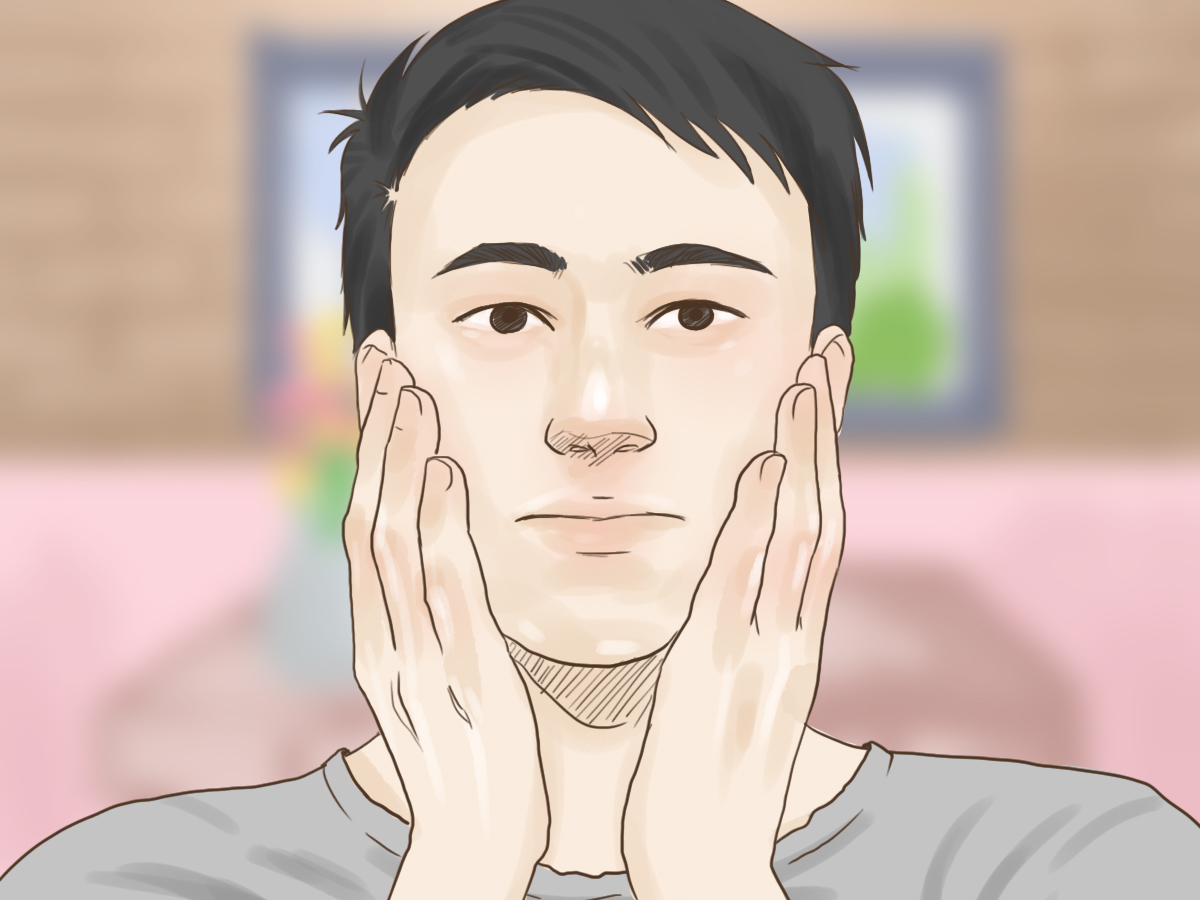
Rub your palms together lightly for a second. This spreads the liquid evenly and prevents one cheek from getting the entire dose while the other cheek gets nothing but optimism.
Step 6: Pat the Splash Onto Your Face and Neck
Now apply the aftershave splash by gently patting it onto the shaved areas. Start with your cheeks, then move to your jawline, chin, upper lip area, and neck. Use a light tapping motion instead of rubbing hard.
The neck deserves special care because it is one of the most common areas for razor burn, bumps, and irritation. Apply the splash gently and evenly. Avoid your eyes, lips, and nostrils. Aftershave in the eye is not “refreshing.” It is a dramatic event.
Step 7: Let It Air-Dry Naturally
After applying the splash, let it dry on its own. This usually takes less than a minute. Do not wipe it off immediately unless it burns intensely or causes visible irritation. A mild tingle can be normal with some formulas, especially traditional alcohol-based splashes. But sharp burning, itching, swelling, or rash-like redness is a sign that the product may not suit your skin.
If you are using a scented aftershave splash, avoid layering it immediately with a strong cologne. Give the scent a moment to settle. Many aftershaves are already fragranced enough to do the job without backup singers.
Step 8: Follow With Moisturizer or Balm if Needed
Aftershave splash can be the final step for people with normal or oily skin, especially if the formula includes soothing or hydrating ingredients. However, if your skin feels tight or dry afterward, apply a lightweight moisturizer or aftershave balm once the splash dries.
This step is especially helpful for dry, sensitive, or mature skin. A balm or moisturizer helps support the skin barrier and keeps your face from feeling like parchment paper with ambitions. If your splash contains alcohol, following with a moisturizer can make the routine more comfortable.
How Much Aftershave Splash Should You Use?
For most people, one small palmful is enough. The goal is to lightly cover the shaved area, not soak your face. If the scent announces your arrival three rooms before you enter, you used too much.
A good rule is to start with less and add a tiny bit more only if needed. Aftershave should leave your skin feeling clean, fresh, and comfortable. It should not feel sticky, wet, or overpowering.
Choosing the Right Aftershave Splash for Your Skin Type
For Normal Skin
If your skin rarely reacts badly to shaving, you can usually use a classic aftershave splash. Look for a balanced formula that refreshes without leaving your face overly dry.
For Oily Skin
Oily skin often does well with lightweight splashes because they absorb quickly and do not leave a heavy finish. Witch hazel-based formulas may feel especially clean, but avoid anything that makes your skin feel stripped.
For Dry Skin
Dry skin usually needs extra care. Choose an alcohol-free or low-alcohol aftershave splash with humectants such as glycerin or soothing ingredients like aloe. Follow with moisturizer to prevent tightness.
For Sensitive Skin
Sensitive skin needs the gentlest option. Look for fragrance-free or lightly scented formulas, alcohol-free labels, and calming ingredients. Avoid heavy fragrance, strong menthol, and high-alcohol formulas if they trigger burning or redness.
Common Mistakes When Applying Aftershave Splash
Using Too Much Product
More aftershave does not mean more freshness. It usually means more scent, more dryness, and possibly more irritation. A small amount is enough.
Rubbing Instead of Patting
Freshly shaved skin is delicate. Patting is kinder than rubbing and helps distribute the splash without adding extra friction.
Applying It to Dirty Skin
Aftershave should go on clean skin. Always rinse away shaving cream and loose hair first. Applying splash over residue can make your skin feel tacky and may reduce comfort.
Ignoring Skin Reactions
A brief tingle is one thing. Burning, itching, swelling, or a rash is another. If your skin reacts badly, stop using that aftershave and try a gentler option.
Skipping Moisturizer When Your Skin Feels Dry
Some splashes refresh but do not moisturize enough. If your face feels tight after use, add a balm or moisturizer. Your skin is not being dramatic; it is asking for hydration.
Aftershave Splash vs. Balm: Which Is Better?
Aftershave splash and aftershave balm both belong in post-shave care, but they feel different. A splash is thin, fast-drying, and refreshing. A balm is creamier, more moisturizing, and often better for dry or sensitive skin.
If you enjoy the crisp feel of a traditional wet shave, a splash may be your favorite. If shaving leaves your skin red or tight, balm may be more comfortable. You can also use both: apply splash first, let it dry, then apply a small amount of balm or moisturizer. This gives you the fresh finish of a splash with the comfort of hydration.
Can Aftershave Splash Help With Razor Burn?
Aftershave splash may help the skin feel refreshed after shaving, but it is not a magic cure for razor burn. Razor burn usually comes from friction, shaving too closely, using a dull blade, dry shaving, or pressing too hard. The best fix is prevention: soften the hair, use a lubricating shave product, shave gently, rinse well, and moisturize afterward.
If you already have razor burn, choose soothing products. Cool compresses, aloe, fragrance-free moisturizer, and taking a break from shaving can help irritated skin recover. Avoid applying harsh, alcohol-heavy splashes to skin that already feels raw.
Should Aftershave Splash Sting?
A little tingle can happen, especially with alcohol-based aftershaves. However, sting is not proof that the product is working. That old idea belongs in the same museum as “real men do not use moisturizer” and “one towel is enough for every bathroom purpose.”
If the sting fades quickly and your skin looks calm, the product may be fine for you. If it burns strongly, leaves redness, or makes your skin feel dry and tight, switch to a gentler aftershave splash or use balm instead.
Best Time to Apply Aftershave Splash
The best time to apply aftershave splash is immediately after shaving, rinsing, and patting your skin dry. This is when your skin is clean and ready for post-shave care. Do not wait until your face is fully dry and irritated. Do not apply it before shaving. That would be like putting on a seatbelt after parking the car.
Extra Experience: What Applying Aftershave Splash Feels Like in Real Life
The first time many people use aftershave splash, they make the same mistake: they pour out far too much. It seems harmless at first. The bottle looks elegant, the liquid smells clean, and the bathroom mirror suddenly turns into a barber shop scene. Then the splash hits the face, and the eyes widen. Congratulations, you have discovered that your razor nicked you in six places you did not know existed.
With experience, the routine becomes smoother. The best shaves usually start before the aftershave ever appears. A warm shower or warm towel softens the beard. A good shaving cream gives the razor enough glide. Short, gentle strokes reduce tugging. By the time the splash comes out, the skin is already in decent shape. That is the secret many beginners miss: aftershave improves a good routine, but it cannot fully rescue a rough shave.
One practical habit is to treat aftershave splash like seasoning. You can always add a little more, but once you overdo it, everyone knows. A small amount in the palm is usually enough. Rub the hands together, pat the cheeks, tap along the jaw, and finish carefully on the neck. The motion should feel controlled and light. Slapping your face like a movie cowboy may look dramatic, but your skin does not need a standing ovation.
Another lesson comes from the neck area. The neck is often more sensitive than the cheeks because hair may grow in different directions there. Applying aftershave splash too aggressively on the neck can lead to redness or a prickly feeling. A gentle touch works better. If your neck often gets irritated, use less splash there and follow with a soothing balm.
Scent is another part of the experience. A good aftershave splash should smell pleasant up close, not take control of the room. If you plan to wear cologne, choose a lightly scented or unscented aftershave. Too many fragrances layered together can become confusing. Your face should say “fresh,” not “department store elevator.”
People with sensitive skin often learn through trial and error. One splash may feel amazing, while another may cause burning or dryness. That does not mean aftershave is bad; it means the formula is not right for your skin. Alcohol-free splashes, low-fragrance products, and formulas with aloe or glycerin may be more comfortable. Patch testing a small area before using a new product all over your face is a smart move.
The most satisfying part of using aftershave splash correctly is the finish. Your face feels clean, your shave looks sharper, and the scent gives you a small confidence boost. It is a tiny ritual, but grooming is full of tiny rituals that make the day feel more organized. When done right, aftershave splash is not about suffering through a sting. It is about ending your shave with comfort, freshness, and just enough swagger to face the morning without looking like you fought your razor in a parking lot.
Conclusion
Learning how to apply aftershave splash is simple, but the details make all the difference. Rinse with cool water, pat your skin dry, use a small amount, apply it gently, and let it air-dry. If your skin needs more comfort, follow with moisturizer or balm. The right aftershave routine should leave your face refreshed, not red, dry, or overwhelmed by fragrance.
Whether you use a classic barbershop splash or a modern alcohol-free formula, remember that aftershave is only one part of a healthy shaving routine. Good preparation, a sharp razor, gentle technique, and smart post-shave care all work together. Treat your skin well, and your face will return the favor by not looking like it just lost an argument with a cheese grater.