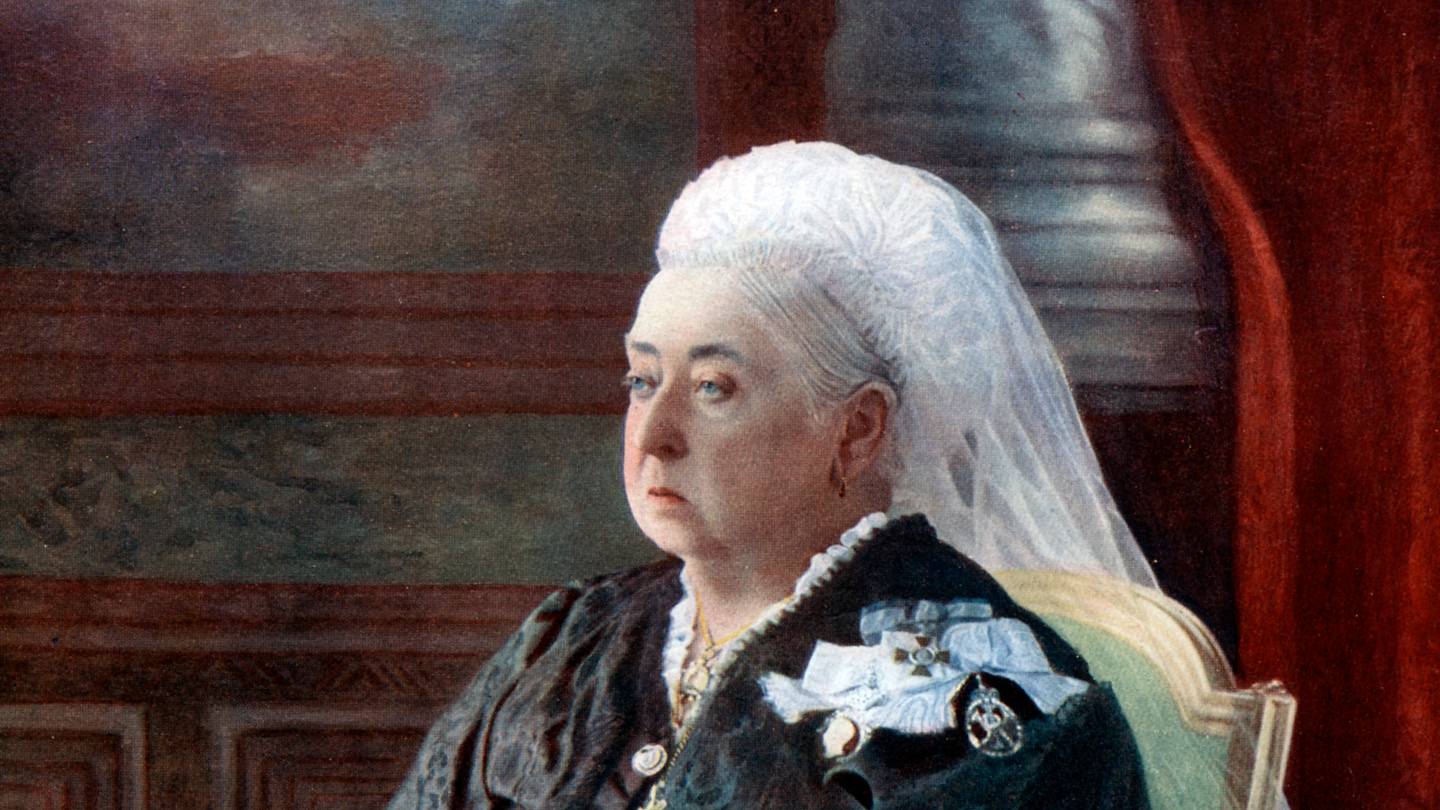
Royal fashion has always been more than fancy fabric with a tiara parked on top. For centuries, kings, queens, princesses, and duchesses have used clothing as a language: part personal taste, part political announcement, part “please notice that I am richer than your entire village.” Long before influencers posted outfit links, royals were creating trends simply by walking into a chapel, sitting for a portrait, waving from a carriage, or wearing a dress that sent society into a collective gasp.
The interesting thing is that royal style rarely stays inside palace gates. A queen chooses white for her wedding, and suddenly generations of brides are shopping for ivory satin. A king puts on red heels, and aristocrats start treating footwear like a membership card. A princess wears a simple blue dress, and the internet behaves as though fabric has become a national emergency. Royals have shaped fashion because their clothes are never just clothes. They are symbols of status, identity, power, rebellion, duty, and sometimes very expensive discomfort.
Below are five major ways royals shaped fashion, from historical court dressing to modern “sold out in minutes” moments. Consider this a stylish tour through monarchy’s closetno velvet rope required.
1. Royals Turned Wedding Fashion Into a Cultural Script
If there is one royal fashion choice that still controls millions of shopping decisions, it is Queen Victoria’s white wedding dress. When Victoria married Prince Albert in 1840, she wore a white silk satin gown trimmed with Honiton lace. She was not the first bride in history to wear white, but she made the look famous enough to change the future of bridal fashion. Before her wedding, brides often wore their best dress, whatever color that happened to be. Practicality mattered. A wedding gown that could be worn again was far more useful than a delicate white dress that panicked at the sight of soup.
Victoria’s gown did several things at once. It highlighted British lace-making, supported domestic craftsmanship, and created an image of romantic purity that later generations attached to white bridal wear. The choice also looked striking in illustrations and written descriptions of the wedding, which spread the visual message well beyond the royal chapel. Once the queen did it, fashionable brides followed. Eventually, the white wedding dress became so normal that people began treating it as ancient tradition, even though its modern popularity owes a great deal to one young monarch with excellent branding instincts.
How royal weddings keep influencing brides
Queen Victoria was only the beginning. Royal weddings have continued to shape bridal expectations. Grace Kelly’s 1956 wedding dress influenced lace sleeves and elegant bodices. Princess Diana’s 1981 gown made giant sleeves and dramatic trains feel like the bridal equivalent of a fireworks show. Catherine, Princess of Wales, revived interest in lace sleeves and structured bodices after her 2011 Alexander McQueen wedding gown. Meghan Markle’s 2018 Givenchy dress moved the conversation toward minimalism, clean lines, and boat neck silhouettes.
Royal bridal fashion works because weddings are emotional theater, and royal weddings are theater with better lighting. Viewers do not just see a dress; they see a fairy-tale promise, a national event, a family story, and a style template rolled into one. Designers, bridal boutiques, and magazines then translate those moments into accessible trends. The result is a fashion ripple effect: one walk down an aisle can influence necklines, sleeves, veils, trains, fabrics, and even bouquet choices for years.
2. Royals Made Court Dress a Tool of Power
Long before red carpets existed, royal courts were the original fashion stages. Clothing at court was not casual self-expression. It was a system of hierarchy, access, and political performance. To dress correctly was to understand power. To dress incorrectly was to risk social embarrassment, financial ruin, or the chilly royal stare of doom.
Queen Elizabeth I understood this better than almost anyone. Her portraits show elaborate gowns, stiff ruffs, pearls, embroidery, jeweled surfaces, and carefully controlled symbolism. Her clothing helped create the image of the “Virgin Queen,” a ruler who was both human and almost mythic. The famous ruff framed the face like a spotlight, while pearls suggested purity and status. Elizabeth’s wardrobe was not just decoration; it was statecraft stitched into silk.
The royal body as a fashion billboard
Elizabethan courtiers copied the queen’s visual language because proximity to royal taste suggested loyalty and sophistication. If the queen favored a silhouette, fabric, color, or ornament, the court often followed. This was not only admiration; it was survival with embroidery. Looking fashionable at court meant understanding the rules of favor.
Louis XIV of France took the relationship between fashion and power even further. At Versailles, clothing became part of a grand political machine. Nobles were expected to participate in court life, and court life required expensive dress. In other words, fashion helped keep the aristocracy busy, visible, and financially dependent. The Sun King’s stylelavish fabrics, elaborate coats, wigs, lace, and heeled shoesturned monarchy into spectacle. His wardrobe projected authority so effectively that even his shoes became political objects.
Royal courts shaped fashion by making clothing aspirational and regulated at the same time. Dress codes told people where they stood. Sumptuous materials communicated wealth. Specific accessories marked privilege. The court became a runway where the price of admission was obedience, lineage, and a terrifying tailor bill.
3. Royals Popularized Signature Accessories That Became Status Symbols
Some royal fashion influence begins with an entire gown. Other times, it starts with a shoe, necklace, hat, glove, or collar. Accessories are powerful because they are easier to imitate than full court dress. Not everyone can afford a hand-embroidered gown heavy enough to qualify as furniture, but many people can copy a necklace style, a color, a heel, or a hat shape.
Louis XIV’s red heels are one of the best examples. In the 17th century, high heels were worn by elite men as symbols of rank and elegance. Louis XIV, famously conscious of image and authority, used red heels as a visual marker of aristocratic privilege. The red heel suggested wealth, power, and access to royal favor. It was not merely a footwear choice; it was a signal. Centuries before designer red soles became a luxury shorthand, the French court had already turned color under the shoe into a social message.
Chokers, pearls, and royal copying
Queen Alexandra, wife of King Edward VII, is often linked with the popularity of choker necklaces and high collars in late 19th- and early 20th-century fashion. Whether worn for personal preference, elegance, or to cover a scar as many accounts suggest, her pearl and diamond chokers became closely associated with her public image. Society women copied the look, proving once again that royal style can transform an intimate detail into a public trend.
Royal accessories often work because they feel personal but remain visible. Queen Elizabeth II’s bright hats and handbags became part of her instantly recognizable uniform. Princess Diana’s sapphire engagement ring became one of the most famous jewels in modern royal history, later worn by Catherine, Princess of Wales. That single ring helped keep sapphire engagement rings in the public imagination. It is hard to think of another accessory that says “romance, monarchy, and jewelry-counter appointment” quite so efficiently.
Accessories also allow the public to participate in royal fashion without dressing like they are attending a coronation. A copied choker, a pearl earring, a structured handbag, a blue ring, or a pair of modest pumps can give ordinary wardrobes a touch of royal polish. That is the secret power of royal accessories: they translate grandeur into something wearable.
4. Royals Turned Fashion Into Public Storytelling
Some outfits become famous not because they are the most elaborate, but because they tell the clearest story. Royal fashion is especially good at this because the public reads meaning into everything. A color can suggest diplomacy. A repeated dress can signal thrift or sustainability. A local designer can honor a host country. A bold silhouette can announce independence louder than a press release.
Marie Antoinette learned the dangerous side of fashion storytelling. Her chemise à la reine, a loose white muslin dress associated with pastoral simplicity, was seen by some critics as shockingly informal for a queen. To modern eyes, it may look soft, romantic, and almost cottagecore before cottagecore had a marketing department. In 18th-century France, however, the dress stirred controversy because it appeared to blur boundaries between underwear, leisurewear, and royal dignity. It was also linked to concerns about imported cotton and the decline of French silk industries. A simple-looking dress became politically loaded.
Princess Diana and the emotional outfit
Princess Diana mastered fashion storytelling in a modern media world. Her clothing evolved from shy royal bride to confident global figure. She used designers such as Catherine Walker, Bruce Oldfield, and Victor Edelstein to build an image that was elegant, approachable, and emotionally expressive. The famous black Christina Stambolian “revenge dress” worn in 1994 remains one of the clearest examples of clothing as personal narrative. It was not just a little black dress. It was a public reset button with heels.
Diana also understood softness. Her “caring dress,” a floral dress she wore during hospital visits, was chosen because it felt warm and non-threatening, especially around children. That kind of thinking showed how royal fashion could serve emotional purpose. Clothing could comfort, communicate, and humanize.
Modern royals continue this practice. Catherine often uses colors, jewelry, and designers to nod to host countries or causes. Meghan Markle has used minimalist tailoring, neutral palettes, and symbolic accessories to craft a public image of modern independence. In royal fashion, the outfit is rarely random. It is a messagesometimes diplomatic, sometimes emotional, sometimes carefully neutral, and occasionally so obvious that even a hat could understand it.
5. Royals Created the Original Influencer Economy
Today, royal fashion can sell out a dress faster than most people can find their wallet. This phenomenon is often called the “Kate effect,” referring to the way items worn by Catherine, Princess of Wales, can spark massive demand. When she wore a blue Issa dress for her engagement announcement in 2010, the dress quickly became one of the most talked-about pieces of the year. Similar sellout moments have followed with coats, shoes, handbags, jewelry, and even children’s clothing worn by Prince George, Princess Charlotte, and Prince Louis.
This is not completely new. Royals have always influenced buying behavior. What has changed is speed. In the past, people copied royal fashion through portraits, newspapers, engravings, magazines, and dressmakers. Now the process happens through digital images, social media, online shops, and fashion blogs. A royal steps out in a coat at 10 a.m.; by lunch, shoppers are hunting for the exact item, affordable dupes, or anything vaguely similar enough to justify adding it to cart.
Why royal influence still sells
Royal fashion sells because it combines aspiration with respectability. A celebrity outfit may feel glamorous but risky. A royal outfit usually feels polished, socially acceptable, and event-ready. It whispers, “You too can look composed while entering a room,” which is a very persuasive promise for anyone who has ever shown up overdressed, underdressed, or dressed like laundry day won.
The modern royal wardrobe also bridges luxury and accessibility. Catherine might wear couture one day and a high-street brand another. Meghan might mix designer tailoring with simple jewelry. Queen Letizia of Spain is known for repeating outfits and wearing both designer and accessible labels. These choices make royal style feel less like a museum exhibit and more like a wardrobe strategy.
Brands benefit enormously from royal exposure, but it can be a blessing and a logistical headache. Small labels may receive more attention than they can handle. Larger brands may see renewed interest in classic pieces. Either way, royal dressing remains one of the strongest unpaid marketing forces in fashion. The palace may not be posting affiliate links, but the influence is very real.
Why Royal Fashion Has Lasting Power
Royal fashion lasts because it blends fantasy with structure. It gives the public something beautiful to look at while also reflecting serious ideas: power, duty, national identity, gender expectations, tradition, and change. A royal outfit may look like lace and buttons, but it often carries the weight of history.
Another reason royal style endures is visibility. Royals appear at weddings, funerals, state visits, charity events, military ceremonies, religious services, and public celebrations. Each appearance creates a visual record. Over time, those records become fashion history. We remember Queen Victoria in white, Elizabeth I in pearls and ruffs, Louis XIV in red heels, Marie Antoinette in controversial muslin, Princess Diana in expressive eveningwear, and Catherine in polished modern tailoring because their clothes captured more than taste. They captured a moment.
Royal fashion also survives because people enjoy decoding it. Was that brooch a diplomatic message? Did that color honor a country’s flag? Was that repeated coat a sustainability statement? Did that neckline break protocol, or did Twitter simply need a hobby? The analysis becomes part of the entertainment. Royal clothing invites public interpretation in a way few wardrobes do.
Experience-Based Reflections: What Royal Fashion Teaches Modern Dressers
Looking at the ways royals shaped fashion can be surprisingly useful for everyday style. Most of us are not dressing for a balcony appearance, a state banquet, or a portrait that will hang in a palace for four centuries. Still, royal fashion offers practical lessons about image, consistency, and choosing clothes that say something before we even speak.
The first lesson is that signature style matters. Many royals become memorable because they repeat certain visual ideas. Queen Elizabeth II used bright colors, structured coats, hats, pearls, and handbags until her look became instantly recognizable. Princess Diana developed a style journey that reflected her personal evolution. Catherine often leans on tailored coats, elegant dresses, and refined accessories. A signature style does not mean wearing the same outfit forever. It means knowing what shapes, colors, and details make you feel confident and recognizable. For everyday people, that might be a favorite blazer shape, a reliable color palette, clean sneakers, pearl earrings, or a preference for crisp shirts. Consistency can be stylish when it looks intentional rather than accidental.
The second lesson is that context matters. Royals dress for place, audience, weather, tradition, and symbolism. That is useful outside palace life too. A job interview, family wedding, graduation, first date, or important meeting all come with unspoken style expectations. Dressing well is not about being the fanciest person in the room. It is about understanding the room. Queen Victoria’s wedding dress worked because it fit the emotional and public importance of the occasion. Diana’s hospital dresses worked because they felt approachable. Catherine’s diplomatic dressing works because it considers location and message. Modern dressers can borrow that logic: choose clothes that respect the moment while still feeling like yourself.
The third lesson is that small details can carry big meaning. A necklace, color, shoe, scarf, or repeated jacket can become part of your personal story. You do not need royal jewels to use accessories well. A meaningful ring, a watch from a family member, a favorite tie, or a scarf bought while traveling can add depth to an outfit. These details make clothing feel less disposable. They turn dressing into storytelling.
The fourth lesson is that comfort and confidence are not enemies of elegance. Some historical royal fashion was wildly uncomfortable. Ruffs, corsets, huge skirts, heavy embroidery, and towering wigs may have looked impressive, but they were not exactly designed for a quick grocery run. Modern royal style is often more practical, and that is worth noticing. A tailored coat, comfortable heel height, clean dress, or well-fitted suit can look polished without making the wearer suffer like a decorative statue. The best royal-inspired dressing today is not costume. It is polish with breathing room.
The fifth lesson is that fashion influence does not always come from extravagance. Some of the most powerful royal fashion moments were simple: a white wedding dress, a blue engagement dress, a black evening dress, a strand of pearls, a clean minimalist gown. The magic came from timing, meaning, and visibility. For everyday style, this is encouraging. You do not need a massive wardrobe to create impact. You need thoughtful choices, good fit, and a clear sense of what you want your clothes to communicate.
In the end, royal fashion is fascinating because it proves that clothes are never completely silent. They can whisper tradition, shout rebellion, offer comfort, display authority, or launch a thousand shopping carts. Whether you admire royal style for the history, the drama, the craftsmanship, or the occasional hat that appears to have its own postal code, there is no denying its influence. Royals shaped fashion by turning personal presentation into public languageand the world has been reading the outfit notes ever since.
Conclusion
From Queen Victoria’s white wedding gown to Louis XIV’s red heels, from Elizabeth I’s symbolic ruffs to Princess Diana’s emotionally charged dresses, royal fashion has repeatedly changed what people wear and why they wear it. Royals shaped fashion not merely because they were famous, but because their clothing carried meaning. Their outfits were copied, debated, admired, criticized, and transformed into trends that reached far beyond the palace.
The lasting lesson is simple: fashion becomes powerful when it tells a story. Royal style has shaped bridal traditions, court dress, accessories, political image-making, and modern shopping habits because it connects beauty with symbolism. A royal outfit can support an industry, define an era, express personal freedom, or make a small brand famous overnight. That is a lot of responsibility for a sleeve, but fashion has always enjoyed being dramatic.