Note: This article is written in original, web-ready HTML based on real product details, gardening best practices, and practical tool-use knowledge.
Introduction: A Small Hoe With a Serious Garden Attitude
The Fisher Blacksmithing Square Blade Onion Hoe is the kind of garden tool that makes you pause before tossing it into the shed with the plastic-handled crowd. It looks handcrafted because it is handcrafted. It feels old-fashioned in the best possible way, like something your great-grandparent would have used, cleaned carefully, and then quietly judged you for leaving out in the rain.
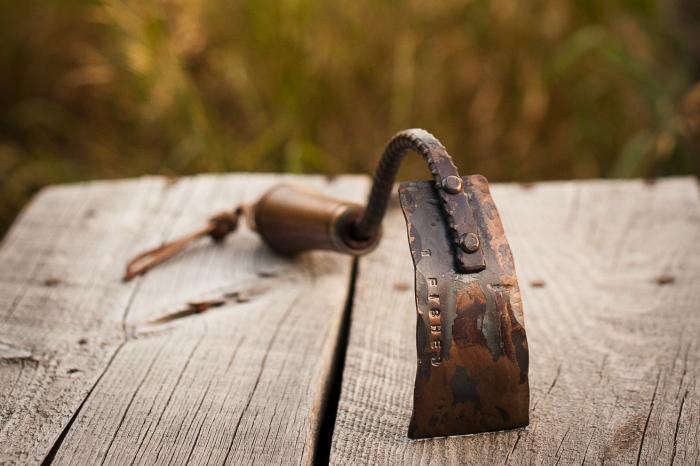
At its heart, this tool is a compact, hand-forged garden hoe designed for close weeding, scraping young weeds from dry soil, edging raised beds, and working in tight garden spaces where a long-handled hoe feels about as graceful as parking a tractor in a pantry. The square blade gives it a clean, purposeful shape, while the black walnut handle adds warmth, beauty, and a strong reminder that garden tools do not have to look like they were designed during a committee meeting in a warehouse.
Fisher Blacksmithing, based in Bozeman, Montana, is known for handmade garden tools built with traditional blacksmithing techniques. The Square Blade Onion Hoe reflects that philosophy: high-carbon steel, solid riveted construction, no welded shortcuts, and a hand-turned American black walnut handle. It is part practical weeding tool, part heirloom object, and part “please don’t borrow this and forget to return it” garden treasure.
What Is the Fisher Blacksmithing Square Blade Onion Hoe?
The Fisher Blacksmithing Square Blade Onion Hoe is a short-handled hand hoe with a squared-off steel blade. It is made for gardeners who want control, precision, and durability when working around vegetables, herbs, flowers, containers, raised beds, borders, and compact growing spaces.
Although the name includes “onion hoe,” this tool is not limited to onions. Onion hoes are traditionally useful for delicate, close cultivation around small crops because they allow the gardener to disturb only the upper layer of soil. That matters when you are working near shallow-rooted plants, tiny seedlings, or rows where one clumsy chop could turn your lettuce dreams into compost confetti.
Key Product Characteristics
The Square Blade Onion Hoe is generally described as a hand-forged tool with a square blade, a black walnut handle, and an overall length of about 12 inches. Its blade width is around 2 inches, which gives it enough surface area for scraping and slicing weeds while still keeping it nimble in crowded beds.
The square blade is designed for easy sharpening. That is more important than it may sound. A sharp hoe glides through surface weeds with less force, less soil disruption, and far less frustration. A dull hoe, by contrast, mostly teaches weeds that you are annoyed.
Why the Square Blade Design Matters
The square blade is the star of this tool. Unlike pointed hoes that excel at breaking into compacted soil or digging narrow spots, a square blade shines when you need a flat cutting edge. It can scrape along the soil surface, trim weeds near raised bed edges, clean up borders, and slice through small weed seedlings before they develop into the botanical equivalent of unpaid tenants.
This shape also makes the tool easier to maintain. Because the edge is relatively straightforward, gardeners can touch it up with a file or sharpening stone without needing advanced metalworking skills. You do not need to become a medieval swordsmith. You just need a steady hand and a little common sense.
Best Uses for the Square Blade Onion Hoe
The Fisher Blacksmithing Square Blade Onion Hoe is especially useful for:
- Scraping small weeds from dry soil
- Weeding along raised bed edges
- Cleaning up tight spaces between vegetable rows
- Working around onions, garlic, lettuce, herbs, and flowers
- Edging around borders and rock gardens
- Loosening the top layer of soil without deep digging
- Maintaining container gardens and vertical planters
The important phrase here is “small weeds.” Like many precision hoes, this tool performs best when weeds are young. If you wait until weeds have become woody, tall, and emotionally committed to your garden, you may need a larger hoe, a digging fork, or a very persuasive speech.
Hand-Forged Steel: Why It Feels Different
Many mass-market garden tools are stamped, welded, coated, and shipped by the thousands. There is nothing automatically wrong with that, but hand-forged tools have a different personality. The steel is heated, shaped, hammered, and finished by a maker who understands how the tool should balance in the hand.
Fisher Blacksmithing tools are made using traditional blacksmithing methods. Steel is heated in a forge and shaped over an anvil. Instead of relying on welds, the tool uses solid steel rivets. That detail matters because welds can become stress points over time, especially when a tool is used repeatedly in tough soil. Riveted construction gives the hoe a more traditional, durable build.
The high-carbon steel blade also matters. High-carbon steel is valued in tools because it can hold an edge well and be sharpened repeatedly. It does require care, because carbon steel can rust if neglected. But for gardeners who already understand that soil, water, and metal have a complicated relationship, maintenance is easy: clean it, dry it, oil it lightly, and do not abandon it outside like a tragic garden gnome.
The Black Walnut Handle: Beauty Meets Function
The hand-turned American black walnut handle is one of the most charming parts of the Fisher Blacksmithing Square Blade Onion Hoe. Walnut is strong, attractive, and comfortable to hold. It gives the tool a warm, natural feel that plastic handles rarely achieve.
A short handle also changes how the tool is used. This is not a stand-up hoe for long rows of field crops. It is a close-work tool. You use it while kneeling, sitting beside a raised bed, leaning into a container garden, or carefully working near plants that deserve a little personal space.
That close control is exactly why many gardeners appreciate hand hoes. When working around onions, carrots, seedlings, herbs, strawberries, or delicate flowers, precision matters. The tool lets you make small, controlled cuts instead of swinging wildly and hoping your basil forgives you.
How to Use the Fisher Blacksmithing Square Blade Onion Hoe
Using this hoe well is not complicated, but technique makes a big difference. The goal is to skim the soil surface rather than dig deeply. Most weed seedlings can be killed by slicing or disturbing their tiny roots just below the surface.
Step 1: Weed Early
The best time to use a square blade onion hoe is when weeds are small. Tiny weeds are easy to slice, scrape, and dry out. Large weeds require more effort, disturb more soil, and may leave roots behind. In gardening, procrastination is not neutral. It grows leaves.
Step 2: Work in Dry or Slightly Dry Soil
The Square Blade Onion Hoe is especially effective in dry soil because scraped weeds are more likely to wilt and die on the surface. Wet soil can clump on the blade, making the work slower and messier. If the soil is sticky enough to make pottery, wait a bit.
Step 3: Keep the Blade Shallow
Hold the blade at a low angle and skim the top layer of soil. Deep chopping can damage vegetable roots and bring buried weed seeds to the surface, where they may germinate. A shallow scrape is usually enough for young weeds.
Step 4: Use Short, Controlled Motions
Because this is a hand hoe, short strokes work best. Pull it toward you, push it gently, or use a slicing motion along edges. Around raised beds, the square blade can help clean up corners and sides where weeds love to pretend they are part of the architecture.
Step 5: Finish With Mulch
After hoeing, mulch can reduce future weed growth. Organic mulch such as straw, shredded leaves, compost, or bark helps block light, conserve moisture, and improve soil over time. Hoe first, mulch second, admire your work third, and then reward yourself with lemonade like a responsible garden champion.
Who Should Buy This Hoe?
The Fisher Blacksmithing Square Blade Onion Hoe is a strong choice for gardeners who care about craftsmanship, precision, and long-term durability. It is especially appealing if you garden in raised beds, grow vegetables, maintain flower borders, or enjoy tools that are both functional and beautiful.
It may not be the best fit for someone who wants the cheapest tool possible or needs a long-handled hoe for large rows. This is not a bargain-bin utility item. It is a handcrafted garden tool designed to last for many seasons, possibly generations, with proper care.
Best Fit for These Gardeners
- Raised bed gardeners
- Vegetable growers
- Herb gardeners
- Container gardeners
- Flower bed enthusiasts
- Fans of American-made hand tools
- Gift shoppers looking for heirloom-quality garden tools
Pros and Cons of the Fisher Blacksmithing Square Blade Onion Hoe
Pros
- Hand-forged in the United States
- Made with high-carbon steel
- Beautiful hand-turned black walnut handle
- Square blade is easy to sharpen
- Excellent for close weeding and raised bed edges
- Durable riveted construction with no welds
- Attractive enough to give as a premium gardening gift
Cons
- More expensive than mass-produced hand hoes
- Requires basic care to prevent rust
- Short handle is not ideal for stand-up weeding
- Best for small weeds, not heavy-duty clearing
- Availability may vary because it is handcrafted
How It Compares With Other Garden Hoes
Garden hoes come in many forms, and each one has a job. A draw hoe is useful for moving soil, shaping rows, and chopping. A stirrup hoe works well for fast weeding between rows with a push-pull motion. A collinear hoe skims the surface with a thin blade. A pointed hoe digs more aggressively into compacted areas.
The Fisher Blacksmithing Square Blade Onion Hoe belongs in the precision hand-tool category. It is not trying to replace every hoe in the shed. Instead, it does a few things extremely well: close scraping, shallow weeding, edging, and working in places where larger tools feel awkward.
Think of it as the garden equivalent of a chef’s paring knife. You would not use it to carve a turkey, but when you need detail work, it is exactly the tool you reach for.
Care and Maintenance Tips
A handcrafted tool deserves better than being left in a muddy bucket behind the garage. Fortunately, caring for the Square Blade Onion Hoe is simple.
Clean After Use
Brush or wipe soil from the blade after each use. If the soil is wet, dry the blade thoroughly before storage. Moisture is the main enemy of carbon steel.
Oil the Blade Lightly
A thin coat of tool oil, camellia oil, mineral oil, or another suitable protective oil can help prevent rust. You do not need to bathe the tool like a salad. A light wipe is enough.
Sharpen When Needed
Use a file or sharpening stone to refresh the blade edge. A sharp hoe makes weeding faster and cleaner. It also reduces the amount of force needed, which your wrists will appreciate.
Protect the Handle
Wood handles benefit from occasional care. If the walnut begins to look dry, a little appropriate wood oil can help preserve it. Store the tool indoors or in a dry shed.
Is It Worth the Price?
The answer depends on what you value. If you only garden occasionally and want the lowest-cost option, a basic hardware-store hand hoe may be enough. But if you garden regularly and appreciate a tool that feels balanced, beautiful, and built with intention, the Fisher Blacksmithing Square Blade Onion Hoe offers real value.
Its worth is not only in the materials. It is in the design, the hand-forged construction, the sharpenable blade, the walnut handle, and the fact that it turns a boring chore into something surprisingly satisfying. Weeding may never become glamorous, but with this tool, it at least gets better lighting.
Practical Buying Advice
Before buying, consider your garden style. If you have raised beds, tight vegetable rows, containers, or ornamental borders, this hoe makes a lot of sense. If your main battle is a large field of mature weeds, start with a larger long-handled hoe, wheel hoe, or digging tool, then use the onion hoe for maintenance.
Also remember that handcrafted tools may not always be available in unlimited quantities. Small-batch craftsmanship often means inventory changes. If you are buying it as a gift, especially for Mother’s Day, Father’s Day, birthdays, weddings, or holiday gardening baskets, plan ahead.
Real-World Experience: Living With the Fisher Blacksmithing Square Blade Onion Hoe
Using the Fisher Blacksmithing Square Blade Onion Hoe in an actual garden changes how you think about small tools. At first glance, it may seem almost too pretty for dirt. The walnut handle has that smooth, warm look that makes you wonder whether it belongs in a potting shed or displayed on a wall next to a framed print of heirloom tomatoes. But after a few minutes in the garden, the tool makes its purpose clear. It wants to work.
The first thing many gardeners notice is the control. In a raised bed, especially one packed with onions, garlic, herbs, or young greens, a long-handled hoe can feel risky. One awkward angle and suddenly a weed is safe but your scallions are history. The Square Blade Onion Hoe lets you work close to plants with confidence. You can scrape the surface, shave off tiny weeds, and tidy the soil without making the bed look like it hosted a raccoon convention.
Another experience worth mentioning is how satisfying the square blade feels along bed edges. Raised beds often collect weeds where the soil meets the frame. Those weeds are annoying because they grow in narrow seams and corners. The flat blade fits naturally into those areas, making it easy to clean the edge with short strokes. It is not dramatic work, but it is deeply pleasing, like straightening a crooked picture frame or finally deleting 4,000 old emails.
In dry soil, the hoe performs especially well. The blade skims and slices instead of dragging. Small weeds come loose quickly, and if the sun is out, they dry on the surface. This is where the tool feels efficient rather than merely beautiful. You can move through a bed quickly, disturbing only the upper layer of soil. That shallow action is important because deep digging can bring new weed seeds to the surface. The goal is not to excavate the garden like an archaeological site. The goal is to interrupt weeds before they become a committee.
The short handle also makes it useful in container gardens. In large pots, grow bags, and vertical planters, weeds can appear in awkward pockets where full-sized tools are useless. A small square blade hoe can reach into those spaces and loosen soil without dumping half the container onto your shoes. Gardeners who grow strawberries, herbs, peppers, or compact flowers in containers may find this tool more useful than expected.
There is also an emotional side to using a tool like this. Mass-produced tools often feel temporary. You use them, bend them, forget them, replace them. A Fisher Blacksmithing tool feels more personal. Because it is forged, riveted, and fitted with a real wood handle, you naturally treat it with more care. You wipe it clean. You bring it inside. You notice the edge. That attention can make gardening feel less like yard maintenance and more like a craft.
Of course, it is not magic. It will not make weeds disappear forever, and it will not do the work while you sit nearby drinking iced tea and offering moral support. It works best when used regularly. A quick pass every few days in active growing season is far easier than waiting three weeks and facing a jungle of crabgrass, purslane, and mystery sprouts with suspicious confidence.
The most practical lesson is this: the Fisher Blacksmithing Square Blade Onion Hoe rewards consistency. Use it early, use it shallowly, keep it sharp, and store it properly. Do that, and it becomes one of those tools you reach for automatically. Not because it is trendy, not because it looks good in photos, but because it quietly solves a common garden problem with elegance and efficiency.
Conclusion: A Handcrafted Hoe for Gardeners Who Notice the Details
The Fisher Blacksmithing Square Blade Onion Hoe is a beautifully made, highly practical garden tool for close weeding, raised bed maintenance, shallow cultivation, and edge cleanup. Its hand-forged steel blade, riveted construction, and black walnut handle set it apart from ordinary hand hoes. It is not the cheapest option, nor is it designed for every garden task, but for gardeners who value precision and craftsmanship, it is a tool worth considering.
In a world full of disposable garden gear, this hoe feels refreshingly permanent. It is sharp, sturdy, elegant, and useful in the exact places where clunky tools fail. Whether you grow onions, herbs, flowers, or a heroic number of tomatoes, this small square blade hoe can help keep weeds under control without turning your soil upside down.