Growing tomatoes is one of those garden adventures that starts with innocent optimism and ends with you standing outside in July whispering encouragement to a vine named Big Red. The good news? Tomatoes are generous plants. Give them warm soil, sunlight, steady moisture, and a support system that does not collapse like a cheap lawn chair, and they will reward you with fruit that tastes like summer signed its name in juice.
This guide covers the practical heart of tomato success: planting, tying, caging, staking, training, watering, and keeping those ambitious vines from turning your garden into a botanical wrestling match. Whether you are growing cherry tomatoes in a raised bed, beefsteaks in the backyard, or paste tomatoes for sauce, the right early decisions can mean cleaner fruit, fewer disease problems, easier harvesting, and a much less dramatic August.
Why Support Matters When Growing Tomatoes
Tomatoes can technically sprawl on the ground, but “can” is doing a lot of work there. Unsupported tomato plants are more likely to produce fruit that rests on soil, gets splashed with disease spores, hides from harvest, or becomes a snack buffet for insects and slugs. Supporting tomatoes with cages, stakes, trellises, or a stake-and-weave system keeps the foliage more open and helps leaves dry faster after rain or watering.
Support also makes your garden easier to manage. Instead of crouching through a leafy jungle trying to find ripe tomatoes like you are on a low-budget treasure hunt, you can see the fruit, prune selectively, water at the base, and spot problems early. A supported tomato plant is not just prettier; it is usually easier to care for from transplant day to final harvest.
Start With the Right Tomato Type
Determinate Tomatoes
Determinate tomatoes are often called bush tomatoes because they grow to a more limited size, set much of their fruit in a shorter window, and then slow down. They are great for canning, smaller gardens, containers, and gardeners who want a big harvest without adopting a 9-foot vine as a dependent. Determinate plants still benefit from support, but a strong cage is often enough.
Indeterminate Tomatoes
Indeterminate tomatoes keep growing and producing until frost, heat stress, disease, or gardener exhaustion brings the season to a close. Cherry tomatoes, heirlooms, and many slicing tomatoes fall into this category. These plants need serious support. A tiny cone cage may look useful in May, but by August it may be wearing the tomato plant like a hat.
For indeterminate varieties, plan your support before planting. Tall stakes, sturdy cages, trellises, or a Florida weave system work well. The important rule is simple: build for the mature plant, not the adorable transplant.
Choosing the Best Place to Plant Tomatoes
Tomatoes love sun. Choose a spot that receives at least six to eight hours of direct sunlight daily. Morning sun is especially helpful because it dries dew from leaves and reduces the damp conditions that many tomato diseases enjoy. Soil should be fertile, well-drained, and rich in organic matter. If your garden soil behaves like modeling clay after rain, improve drainage with compost or consider raised beds.
A soil test is one of the least glamorous but most useful steps in growing tomatoes. Tomatoes usually perform best in slightly acidic soil, and a test can tell you whether you need lime, fertilizer, or restraint. Restraint matters because too much nitrogen can produce a huge leafy plant with very few tomatoes. That is not a harvest; that is a salad shrub.
When to Plant Tomatoes
Tomatoes are warm-season plants and should go into the garden after the danger of frost has passed and the soil has warmed. Cold soil can stunt young plants, even if the air feels pleasant. Transplants should be sturdy, healthy, and not already flowering heavily in the cell pack. A short, stocky plant usually establishes better than a tall, pale, leggy one that looks like it has been raised in a closet.
Before transplanting, harden off indoor-grown seedlings. Set them outdoors for increasing amounts of time over several days so they adjust to sun, wind, and outdoor temperature swings. This small step prevents shock and helps young tomatoes transition from pampered houseguests to productive garden residents.
How to Plant Tomatoes Deeply
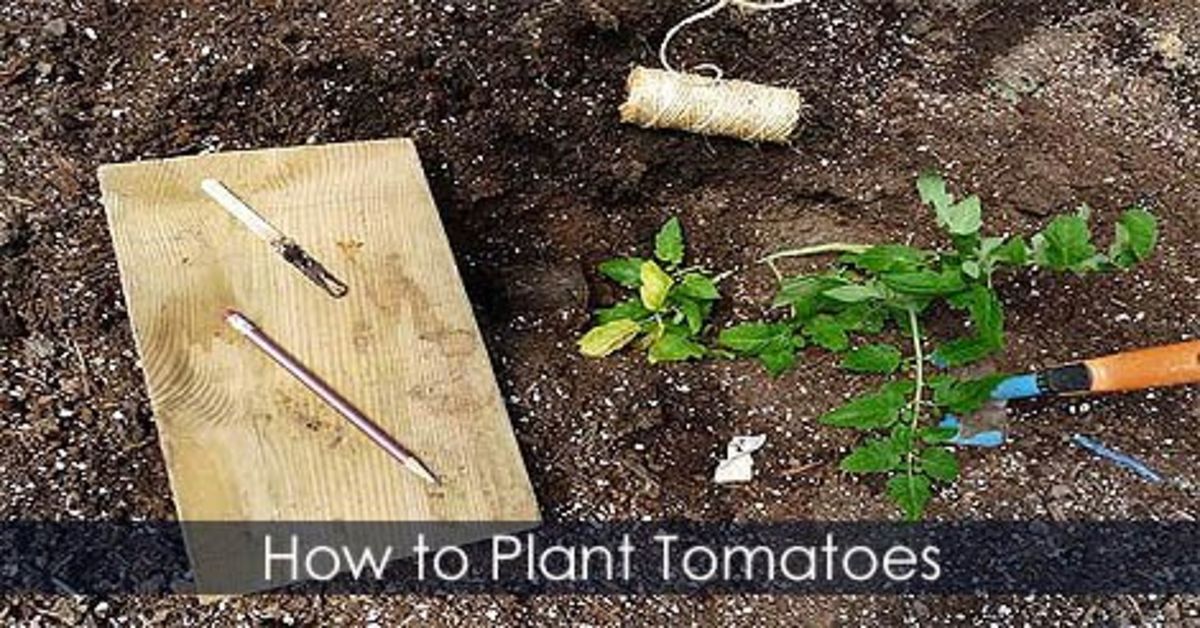
Tomatoes are special because they can grow roots along buried portions of the stem. That means you can plant them deeper than they grew in the pot. Remove the lower leaves and bury the stem so only the top several inches remain above the soil. This encourages a stronger root system, which helps the plant access moisture and nutrients during hot weather.
If the transplant is very tall and leggy, use the trench method. Dig a shallow horizontal trench, lay the plant gently on its side, remove lower leaves, and cover the bare stem with soil while leaving the top cluster of leaves above ground. The top will turn upward within a few days. Be gentle where the stem exits the soil because it can snap if pressed too firmly.
Tomato Spacing Tips
Spacing depends on variety and support method. Staked tomatoes can often be planted closer together than caged tomatoes because they are pruned and trained more vertically. Caged tomatoes need more room because they are usually allowed to branch more freely. A common spacing range is 18 to 24 inches apart for staked plants and 3 to 4 feet apart for large caged plants, with rows wide enough for airflow and harvesting.
Do not crowd tomatoes. It is tempting to squeeze in “just one more plant,” but close spacing reduces air circulation, makes disease easier to spread, and turns harvest into a yoga routine nobody requested. A few well-spaced plants often outperform a crowded patch of stressed vines.
Staking Tomatoes: Simple, Strong, and Space-Saving
Staking is a classic tomato support method, especially useful when garden space is limited. A strong stake should be placed soon after transplanting, before roots spread widely. For many garden tomatoes, a 6-foot stake works well, with at least 8 to 12 inches driven into the soil for stability. Place the stake a few inches from the stem, taking care not to damage roots or buried stems from trench planting.
As the plant grows, tie it to the stake every 8 to 12 inches. Staked plants usually need pruning because the goal is to train one or two main stems upward. Removing some suckers improves airflow and keeps the plant manageable. Staking often produces larger individual fruit, though sometimes fewer total tomatoes than caging.
How to Tie Tomato Plants Without Hurting Them
The secret to tying tomatoes is support without strangulation. Tomato stems expand as they grow, so tight ties can cut into the plant and restrict movement. Use soft materials such as cloth strips, garden twine, old T-shirt strips, soft plant tape, or nylon stocking pieces. Avoid thin wire or hard twist ties directly against the stem unless they are padded or used very loosely.
A figure-eight tie is one of the best methods. Loop the tie around the stake, cross it, then loop it gently around the tomato stem. This creates a small cushion of space between the stake and the plant. Tie securely to the stake but loosely around the tomato. The plant should be supported, not handcuffed.
Where to Tie
Place ties below leaf branches or fruit clusters when possible. This helps support weight as the plant grows. Check ties every week or two during rapid growth. A tie that was perfect in June may become too tight by July. Tomatoes grow fast when they are happy, and they do not send calendar reminders.
Caging Tomatoes: The Low-Maintenance Favorite
Caging is popular because it supports the plant while allowing more natural branching. A good tomato cage keeps fruit off the ground, reduces tying, and requires less pruning than staking. The catch is that the cage must be strong and tall enough. Many lightweight cone cages sold in stores are fine for compact determinate tomatoes, but they are often too small for vigorous indeterminate plants.
For serious tomato growing, choose sturdy cages made from concrete reinforcing wire, heavy galvanized fencing, or strong panels. A cage that is 4 to 5 feet tall and 18 to 24 inches wide is far more useful than a flimsy cage that bends when a squirrel sneezes nearby. Anchor cages with stakes or posts, especially in windy areas or when plants are heavy with fruit.
How to Use a Tomato Cage
Install the cage at planting time or shortly after transplanting. Waiting until the plant is large makes the job harder and increases the risk of broken stems. Center the cage around the plant and push the bottom legs into the soil. If the cage has no legs, anchor it with two or three stakes around the outside. As branches grow, gently tuck them back inside the cage so the plant rises through the structure.
Staking vs. Caging: Which Is Better?
There is no single winner. Staking saves space and gives excellent control, but it requires regular tying and pruning. Caging takes more room and needs a stronger structure, but it is easier for gardeners who prefer less pruning. Staked tomatoes may produce larger fruit; caged tomatoes may produce more total fruit because more branches remain.
Choose staking if you have limited space, want tidy rows, or enjoy training plants. Choose cages if you want a simpler system, have room for wider plants, and prefer less pruning. For a row of tomatoes, the Florida weave or stake-and-weave method can be very efficient: stakes are placed between plants, and twine is woven along both sides as the plants grow.
Pruning and Training Tomato Plants
Pruning depends on the tomato type and support system. Indeterminate tomatoes grown on stakes usually benefit from removing suckers, especially the lower ones. Suckers are shoots that grow in the angle between the main stem and a leaf branch. If left alone, each sucker can become a new stem. That is useful in a cage but chaotic on a single stake.
For staked indeterminate tomatoes, train one or two main stems and remove extra suckers while they are small. Pinch them off with your fingers rather than waiting until they need a saw and a pep talk. For caged tomatoes, prune lightly or not at all, but remove lower leaves that touch the soil. Determinate tomatoes should not be heavily pruned because many of their flowers and fruit form on a limited plant structure.
Watering Tomatoes the Right Way
Tomatoes need consistent moisture, especially once fruit begins to develop. Deep, steady watering encourages strong roots and reduces stress. Water at the base of the plant rather than from overhead. Wet leaves can encourage disease, and splashing soil can move disease organisms onto lower foliage.
Mulch is a tomato gardener’s quiet hero. A 2- to 3-inch layer of straw, shredded leaves, compost, or untreated grass clippings helps conserve soil moisture, reduce weeds, and limit soil splash. Keep mulch slightly away from the stem to prevent excess moisture against the plant crown.
Fertilizing Without Overdoing It
Tomatoes need nutrients, but more fertilizer is not always better. Too much nitrogen can push leafy growth at the expense of flowers and fruit. Start with soil test recommendations whenever possible. At planting, a starter solution or balanced fertilizer can help young plants establish. Once the first fruit begins to form, many gardeners side-dress lightly with fertilizer and water it in well.
Watch the plant’s behavior. Pale leaves and weak growth may suggest a nutrient shortage, while huge dark-green vines with few blossoms may suggest too much nitrogen. The goal is balanced growth: strong stems, healthy leaves, flowers, and fruit.
Preventing Common Tomato Problems
Blossom-End Rot
Blossom-end rot appears as a dark, sunken spot on the bottom of tomato fruit. It is usually linked to calcium movement problems in the plant, often made worse by uneven watering. The fix is not simply dumping calcium on everything like a garden smoothie. Keep soil moisture consistent, mulch well, avoid root damage, and follow soil test recommendations for pH and nutrients.
Leaf Diseases
Many tomato leaf diseases are encouraged by wet foliage, poor airflow, and soil splash. Support plants, space them properly, remove infected lower leaves, mulch the soil, and water at the base. At the end of the season, remove diseased plant debris instead of leaving it in the garden.
Cracking Fruit
Tomato cracking often happens when plants receive a sudden rush of water after dry conditions. The fruit expands faster than the skin can stretch. Consistent watering and mulch reduce the risk. Some varieties are also more crack-resistant than others.
Container Tomato Support Tips
Tomatoes can grow beautifully in containers, but support becomes even more important because pots can tip over when plants become top-heavy. Use a large container with drainage holes, a high-quality potting mix, and a support structure installed at planting time. For compact varieties, a sturdy cage may be enough. For indeterminate tomatoes, use a tall stake, trellis, or heavy cage secured to the pot.
Container tomatoes dry out faster than in-ground plants, so check moisture often. A stressed container tomato can go from “fine” to “crispy drama queen” quickly in hot weather. Water deeply until water drains from the bottom, and avoid letting the pot sit in standing water.
Harvesting Supported Tomatoes
One of the joys of well-supported tomato plants is harvest visibility. Fruit is easier to see, easier to pick, and less likely to rot on the ground. Harvest tomatoes when they are fully colored for best flavor, or pick them slightly early if pests, cracking, or storms threaten. Tomatoes that have begun to color can ripen indoors at room temperature.
Use two hands for large fruit: one to hold the vine and one to twist the tomato free. This prevents broken branches, especially on heavy clusters. With cherry tomatoes, harvest frequently. They ripen fast, and a neglected cherry tomato plant can produce enough fruit to make your neighbors avoid eye contact.
of Real-World Experience: Lessons From the Tomato Patch
The first lesson in growing tomatoes is that support should go in early. Every experienced gardener has at least one story about trying to cage a tomato plant that was already waist-high. It usually involves snapped branches, mild regret, and a cage balanced at an angle that says, “This was not the original plan.” Install stakes and cages when the plant is young, even if it feels unnecessary. By the time it feels necessary, you are late.
The second lesson is to buy or build stronger supports than you think you need. A tomato transplant in May looks polite. An indeterminate tomato in August can behave like a green octopus carrying fruit. Lightweight cages may work for patio tomatoes, but vigorous plants need tall, heavy cages or strong stakes. If you garden in a windy area, anchor everything. Wind does not care how much you paid for your heirloom seedlings.
Another practical tip is to keep tying materials near the garden. Store soft twine, cloth strips, or plant tape in a small bucket or garden apron. Tomatoes grow quickly, and if tying supplies are not nearby, you may tell yourself you will do it later. Later is when the branch bends, the fruit cluster gets heavy, and the plant begins leaning like it has heard bad news.
Check plants at least once a week during peak growth. Look for tight ties, branches escaping cages, lower leaves touching soil, suckers that need removing, and fruit clusters that need support. A five-minute walk through the tomato patch can prevent a twenty-minute repair job. This is also when you catch early signs of pests, wilting, leaf spots, or cracked fruit.
Mulch is one of those simple habits that makes you look more skilled than you feel. After the soil warms, add organic mulch around the plants. It keeps moisture more even, reduces weeds, and prevents soil from splashing onto leaves. Tomatoes appreciate consistency. They do not love drought followed by a flood, then another drought, then an apology.
Watering at the base is another habit worth building. Soaker hoses or drip irrigation are excellent, but even a watering can works if you aim at the soil instead of showering the leaves. Deep watering is better than frequent shallow sprinkling. The goal is to encourage roots to grow down, not hover near the surface waiting for tiny sips.
Finally, do not chase perfection. Every tomato season brings surprises: hornworms, heat waves, mystery spots, runaway vines, and one plant that refuses to follow the rules. The best gardeners are observant, flexible, and willing to adjust. Support the plant, feed the soil, water consistently, prune with purpose, and harvest often. Do that, and you will grow better tomatoes each season. You may still end up talking to your plants, but honestly, that is part of the charm.
Conclusion
Growing tomatoes successfully is not about one magic trick. It is about stacking good habits: plant deeply, space wisely, support early, tie gently, water consistently, mulch generously, and match your support system to the tomato variety. Cages, stakes, and trellises all work when used correctly. The best choice depends on your garden space, tomato type, and how much pruning and tying you want to do.
If you remember only one thing, remember this: tomatoes need support before they look like they need support. A strong structure in May prevents a tangled disaster in August. Give your tomatoes a good start, guide their growth, and keep fruit off the ground. Your reward will be healthier plants, cleaner tomatoes, easier harvests, and sandwiches that make store-bought tomatoes taste like a distant rumor.