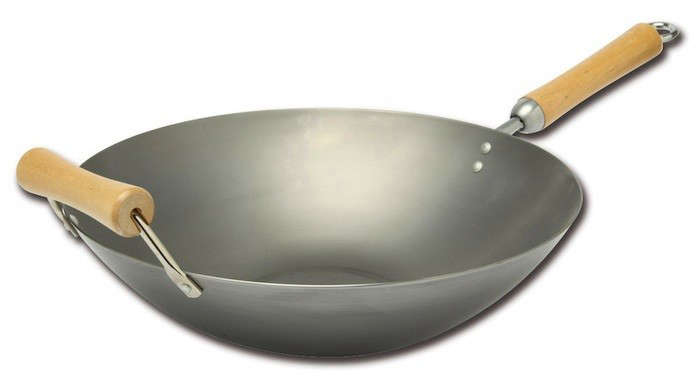
The Joyce Chen 21-9972 Classic Series Carbon-Steel Wok is the kind of kitchen tool that looks simple at first glance, then slowly takes over dinner. One week it is making broccoli crisp-tender. The next week it is rescuing leftover rice from sadness. By the end of the month, it has you talking about “patina” like you just joined a very enthusiastic cookware club.
This 14-inch, flat-bottom, uncoated carbon-steel wok set is designed for home cooks who want real high-heat stir-fry performance without turning their kitchen into a restaurant equipment warehouse. It includes the wok, a steel dome lid, a bamboo spatula, and a recipe booklet. The wok is made from lightweight 1.5 mm gauge carbon steel, uses birch wood handles, and is built for gas and electric stovetops. In plain English: it is affordable, responsive, roomy, and slightly needy in the way all good carbon-steel cookware is. Treat it well, and it gets better with age. Ignore it wet in the sink overnight, and it will punish you with rust, because cookware also has boundaries.
What Makes the Joyce Chen 21-9972 Wok Different?
The biggest appeal of the Joyce Chen 21-9972 Classic Series Carbon-Steel Wok is its balance of traditional wok function and modern home-kitchen convenience. Traditional round-bottom woks are excellent over powerful gas flames, but many American kitchens use flat electric, ceramic, or standard gas ranges. A round-bottom wok can wobble like a shopping cart with one bad wheel unless you use a wok ring. This model solves that with a flat bottom, allowing it to sit securely on common stovetops.
The 14-inch size is also practical. It gives enough surface area for stir-frying vegetables, noodles, fried rice, dumplings, tofu, shrimp, chicken, or beef without crowding the pan too quickly. Crowding is the enemy of a good stir-fry. Once food releases too much moisture, your wok stops searing and starts steaming. Nobody bought a carbon-steel wok to make broccoli take a sauna.
Key Features of the Joyce Chen 21-9972 Classic Series Carbon-Steel Wok
1. 1.5 mm Carbon Steel Construction
Carbon steel is one of the best materials for wok cooking because it heats quickly, reacts fast when you adjust the burner, and develops a natural nonstick surface through seasoning. Compared with cast iron, carbon steel is easier to lift, toss, and maneuver. Compared with nonstick-coated cookware, it is better suited to high heat, metal utensils, and serious searing.
The Joyce Chen 21-9972 uses 1.5 mm gauge carbon steel, which keeps the wok fairly lightweight while still giving enough structure for everyday cooking. This thinner profile helps it heat fast, which is exactly what you want for quick stir-fries. The tradeoff is that it may not retain heat as heavily as thicker carbon steel or cast iron, so smaller batches usually produce better browning.
2. Flat Bottom for Home Stovetops
The flat-bottom design is one of the most important features for American home kitchens. It stays stable on gas and electric cooktops without requiring a wok ring. That stability makes it easier for beginners to cook confidently, especially when working with hot oil, quick-moving vegetables, or saucy noodles.
A flat bottom also improves contact with electric burners. With round-bottom woks, much of the pan may sit above the heating surface, which reduces efficiency. The Joyce Chen flat-bottom wok gives you a solid heat zone in the center and sloped walls for moving ingredients away from direct heat.
3. Birch Wood Main Handle and Helper Handle
The wok includes a long birch wood handle and a smaller helper handle. This matters more than it sounds. A full wok can be awkward to lift, especially when it contains noodles, vegetables, and sauce. The helper handle gives extra control when moving the wok, pouring food onto a platter, or carrying it to the sink after cooking.
Wood handles also make the wok more comfortable to use because they do not heat as quickly as bare metal handles. Still, the helper handle can get hot during longer cooking sessions, so keep a towel or oven mitt nearby unless you enjoy surprise hand-to-pan negotiations.
4. Included Dome Lid, Bamboo Spatula, and Recipe Booklet
The Joyce Chen 21-9972 is sold as a four-piece wok set. The dome lid is useful for steaming, braising, simmering, and trapping heat when cooking thicker vegetables. The bamboo spatula is gentle on a developing seasoning layer and works well for pushing food up the sides of the wok. The recipe booklet helps beginners get started, though the wok is flexible enough for far more than the basics.
Why Carbon Steel Is Ideal for Stir-Frying
Carbon steel has earned its reputation in wok cooking because it supports speed. Stir-frying is not a slow, dreamy cooking method where you sip coffee and ponder life. It is a hot, fast, active technique where ingredients hit the pan, move constantly, and come out bright, crisp, and flavorful.
A carbon-steel wok heats quickly and cools quickly. That responsiveness lets you sear sliced meat, toss vegetables, add aromatics, and adjust heat before garlic burns into tiny bitter confetti. Over time, the cooking surface darkens and develops a seasoned patina. This patina helps food release more easily and protects the metal from rust.
Unlike synthetic nonstick pans, carbon steel does not rely on a coating that can wear out. Instead, it rewards use. The more you cook with it, clean it correctly, and oil it lightly, the better it performs. In this way, the Joyce Chen carbon-steel wok is not just cookware. It is a kitchen relationship. You season it, it seasons your dinner, everybody grows.
How to Season the Joyce Chen 21-9972 Wok
The Joyce Chen 21-9972 Classic Series Carbon-Steel Wok comes uncoated and requires seasoning before use. This is not a flaw. It is part of owning carbon steel. Seasoning creates a protective layer by bonding thin coats of oil to the metal through heat.
Basic Seasoning Steps
First, wash the new wok with warm water and mild dish soap to remove factory residue. Dry it thoroughly. Place it over heat until all moisture evaporates. Add a very thin layer of high-smoke-point oil, such as canola, grapeseed, or vegetable oil. Wipe away excess oil until the surface looks almost dry. Heat the wok until the oil polymerizes and the metal begins to darken. Repeat the process several times for a stronger base layer.
Some cooks like to stir-fry scallions, ginger, or onion during the first seasoning session. This can help remove metallic aromas while spreading oil across the surface. Whether you choose the plain oil method or the aromatic method, the key is thin oil layers. Too much oil creates sticky patches. Think lip balm, not frosting.
Cooking Performance: What to Expect
Once seasoned, the Joyce Chen 21-9972 performs well for everyday stir-frying. It heats quickly, offers enough room for tossing, and makes it easy to move food between the hot center and cooler sides. This is especially useful when cooking dishes in stages. You can sear protein in the middle, push it up the side, then add vegetables or aromatics to the hottest area.
For best results, preheat the wok before adding oil. Then add ingredients in small batches. Dry vegetables and proteins before cooking because excess moisture lowers the temperature and causes steaming. Cut ingredients into similar sizes so they cook evenly. Have your sauce ready before the first ingredient hits the pan. Wok cooking moves fast, and the sauce does not care that you forgot to open the soy sauce bottle.
Best Foods to Cook in the Joyce Chen Carbon-Steel Wok
Fried Rice
Fried rice is a perfect test for a seasoned carbon-steel wok. Use cold, day-old rice because fresh rice is too moist and clumps easily. Heat the wok, add oil, scramble egg, remove it, then stir-fry aromatics, vegetables, rice, and sauce. The wok’s sloped sides make tossing easy, while the hot center helps create lightly toasted grains.
Vegetable Stir-Fry
Broccoli, snap peas, bell peppers, mushrooms, cabbage, bok choy, carrots, and green beans all work beautifully. The trick is to cook firm vegetables first and tender vegetables later. A splash of water or stock under the dome lid can help steam thicker vegetables briefly before final searing.
Noodles
Lo mein, chow mein, pad see ew-inspired noodles, and garlic noodles are natural fits. Because noodles can stick if the wok is not seasoned well, make sure the surface is hot and lightly oiled. Toss often, add sauce gradually, and avoid overloading the wok.
Protein Dishes
Thinly sliced chicken, beef, pork, tofu, shrimp, and tempeh cook quickly in a hot carbon-steel wok. For better browning, pat proteins dry and cook them in batches. If you pile in too much at once, you will get a simmer instead of a sear, and the wok will quietly judge your life choices.
Cleaning and Maintenance
The Joyce Chen carbon-steel wok should be hand washed and dried completely after every use. Avoid the dishwasher. Avoid soaking it for long periods. After cooking, rinse with hot water and use a soft sponge, bamboo brush, or wok brush to remove food bits. Mild soap is acceptable when needed, especially if the wok is greasy, but harsh scrubbing can remove seasoning.
After washing, place the wok back on the burner to evaporate moisture. Then wipe a tiny amount of oil over the inside surface before storing. This simple routine helps prevent rust and keeps the seasoning healthy. If rust appears, do not panic. Scrub it away, rinse, dry, and re-season. Carbon steel is forgiving. It is not delicate porcelain. It is more like a cast member in an action movie: scratched, darkened, and somehow better after the dramatic scene.
Pros and Cons of the Joyce Chen 21-9972 Classic Series Wok
Pros
The Joyce Chen 21-9972 is affordable, lightweight, responsive, and beginner-friendly. Its flat bottom works well on common stovetops, and the 14-inch size gives home cooks plenty of room. The birch handles improve control, while the included lid and bamboo spatula make the set useful right out of the box. With proper seasoning, the uncoated carbon-steel surface becomes increasingly slick over time.
Cons
This wok requires seasoning and regular care. It is not dishwasher safe, and it can rust if left wet. Because the carbon steel is relatively thin, it heats quickly but may not hold heat as aggressively as heavier cookware. For deep browning, especially on lower-powered electric stoves, small batches are important.
Who Should Buy the Joyce Chen 21-9972 Wok?
This wok is ideal for home cooks who want to learn stir-frying without spending a fortune. It is especially good for beginners because it is stable, roomy, and not overly heavy. It also suits anyone moving away from synthetic nonstick cookware toward a more durable, high-heat-friendly option.
It may not be the best choice for someone who wants zero-maintenance cookware. If you prefer dishwasher-safe pans and never want to think about seasoning, carbon steel may feel like homework. But for cooks who enjoy building skill and flavor over time, the Joyce Chen 21-9972 is a smart entry point.
Practical Cooking Tips for Better Results
Use high heat, but do not rush the preheat. Let the wok get hot before oil goes in. Add oil, swirl it around, then add ingredients. Keep food moving, but give proteins a moment of direct contact for browning. Cook in batches when necessary. Keep sauces thick enough to coat but not so sugary that they burn immediately.
Also, remember that wok cooking rewards preparation. Slice everything first. Mix the sauce first. Place aromatics nearby. Once the cooking starts, there is no time to search for the sesame oil behind three jars of mustard and a mysterious bottle of something from 2019.
Real-World Experience: Living With the Joyce Chen 21-9972 Classic Series Carbon-Steel Wok
Using the Joyce Chen 21-9972 Classic Series Carbon-Steel Wok feels different from using a standard skillet. The first few cooking sessions may be slightly awkward, especially if you are new to carbon steel. The surface starts bright and plain, then slowly turns golden, brown, and eventually darker as seasoning builds. At first, you may wonder if you are ruining it. You are probably not. A carbon-steel wok is supposed to change color. That changing surface is part of the charm.
The first noticeable advantage is speed. When the wok is preheated properly, sliced onions start sizzling immediately. Garlic becomes fragrant in seconds. Thin pieces of chicken or beef cook fast enough that dinner feels almost suspiciously efficient. Vegetables keep more texture because they are not sitting in a shallow pan slowly leaking water. Broccoli stays greener. Bell peppers keep some snap. Mushrooms brown instead of collapsing into little beige umbrellas of disappointment.
The 14-inch size is comfortable for family cooking, but it still teaches portion discipline. If you try to cook two pounds of meat and a mountain of vegetables at once, the wok will not perform magic. It will steam. The better approach is to cook protein first, remove it, cook vegetables next, then combine everything with sauce at the end. This small change makes a big difference. It turns “pretty good stir-fry” into “wait, did I just make takeout jealous?”
The flat bottom is especially helpful on regular stovetops. It sits securely, which makes the cooking process less stressful. On gas, the flames can lick up the sides a bit and help heat the curved walls. On electric, the flat base gives steady contact with the burner. Either way, the wok works best when the burner is matched reasonably well to the base and when the cook avoids overloading it.
Maintenance becomes routine after a while. Wash, dry over heat, wipe with a little oil, store. That is it. The first week, this may feel fussy. By the third week, it feels normal, like locking the door or pretending you will fold laundry immediately. The reward is a surface that becomes smoother with use. Eggs, rice, and noodles begin to release more easily. The wok also develops character. Every mark tells a story, usually involving soy sauce, heat, and someone saying, “I think it needs more garlic.”
The included bamboo spatula is useful, though many cooks eventually add a wok chuan, ladle, or silicone-tipped utensil depending on their cooking style. The dome lid is more useful than expected. It helps steam dumplings, soften cabbage, finish thicker vegetables, and keep food warm for a minute while everyone finds plates. The lid also makes the wok more versatile for braising greens or simmering saucy dishes.
Overall, the experience of owning this wok is satisfying because it improves with participation. It does not promise perfection straight from the box. It asks for seasoning, heat control, and a little patience. In return, it gives fast dinners, better texture, deeper flavor, and a very real chance that leftover rice will become the best meal of the week.
Final Verdict
The Joyce Chen 21-9972 Classic Series Carbon-Steel Wok is a strong choice for beginners and practical home cooks who want an affordable, traditional-style wok adapted for modern stovetops. Its 14-inch flat-bottom design, lightweight carbon-steel body, birch handles, and included accessories make it versatile enough for stir-fry, fried rice, noodles, steaming, and quick weeknight meals.
It does require seasoning and maintenance, but that is part of the carbon-steel experience. If you want a wok that develops personality, improves with use, and makes vegetables taste like they finally got promoted, this Joyce Chen wok deserves a serious look.
Note: This article is written in original standard American English and synthesized from real product specifications, cookware testing insights, and established carbon-steel wok cooking practices.