Note: This article is written in standard American English for direct web publishing. It is based on real, current pest-management guidance and has been cleaned of unnecessary source-code artifacts.
Silverfish are the awkward little gymnasts of the bug world: fast, shiny, and somehow always where your books, cardboard, or favorite sweater happen to be. They do not bite, they do not sting, and they are not out here plotting your downfall like termites. But they are absolutely capable of turning a quiet bathroom cabinet, basement shelf, or linen closet into their personal late-night snack bar.
If you have spotted one darting across the floor after you flipped on a light, you are not alone. Silverfish are common household pests, especially in damp, dark spaces with poor airflow. They love moisture, crumbs, dust, paper, glue, starch, and clutterbasically the exact combination many homes accidentally provide without meaning to. The good news is that getting rid of silverfish is usually less about magic sprays and more about making your home less inviting to them.
This guide breaks down how to get rid of silverfish step by step, how to keep them from coming back, and which control methods are worth your time. Spoiler alert: fixing leaks beats panic-spraying the room every single time.
What Are Silverfish, and Why Are They in Your House?
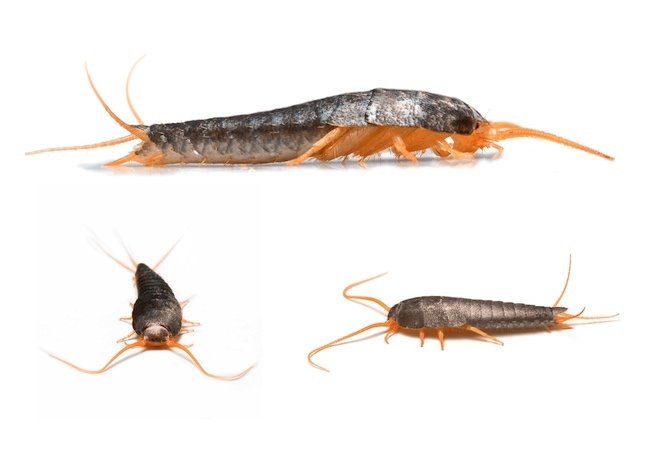
Silverfish are small, wingless insects with flat, tapered bodies that look a bit like a metallic carrot with antennae. They are usually silver or pearly gray, move quickly, and are most active at night. During the day, they hide in cracks, behind baseboards, under sinks, around pipes, in closets, inside boxes, and near bookshelves.
They tend to show up in places with high humidity and limited airflow, including bathrooms, laundry rooms, basements, crawl spaces, attics, kitchens, and storage areas. Newer buildings can also attract them if walls or framing materials are still holding moisture. In apartments and multi-unit buildings, they may travel along pipes and into neighboring rooms, which is why a spotless apartment can still end up with surprise visitors.
Silverfish feed on starchy and protein-rich materials such as paper, book bindings, wallpaper paste, flour, cereal, pet food, fabrics, dead insects, and even household debris. They also nibble on mold and organic residues in damp spaces. That is why the pest problem often feels random at first. One day it is the cereal box, the next day it is the cardboard storage bin, and then somehow your old photo album looks suspiciously chewed.
Signs You May Have a Silverfish Problem
You do not always see silverfish in broad daylight, so the clues often come first. Common signs include:
- Small, fast-moving silver insects in bathrooms, basements, or closets
- Yellowish stains, tiny black droppings, or shed skins
- Irregular scraping marks or notches on paper, wallpaper, cardboard, and book pages
- Damage to fabrics with starch, glue, or natural fibers
- Activity around sinks, tubs, cabinets, or stored paper goods
If the bugs seem to appear only at night, that tracks. Silverfish are nocturnal and prefer to stay hidden until the house is quiet and dark.
Why Silverfish Keep Coming Back
If silverfish keep reappearing, your home is likely offering one or more of the following:
1. Moisture
This is the big one. Silverfish thrive in damp environments. Leaky pipes, drippy faucets, condensation, humid bathrooms, wet basements, and poorly ventilated laundry rooms all create the kind of conditions silverfish love.
2. Food Sources
They are not picky. Dry pantry goods, crumbs, pet food, paper, wallpaper paste, dusty shelves, old magazines, cardboard boxes, and clothing with starch residue can all support an infestation.
3. Clutter
Stacks of newspapers, forgotten storage bins, old books, and crowded closets create protected hiding spots. To a silverfish, clutter is not clutter. It is luxury real estate.
4. Easy Entry and Harborage
Cracks around baseboards, spaces near pipes, gaps behind cabinets, attic voids, and wall cavities give silverfish safe places to hide and travel. In severe infestations, they may be living deeper inside wall voids rather than simply wandering across the bathroom tile for dramatic effect.
How to Get Rid of Silverfish for Good
The most effective silverfish control plan uses multiple steps. Think less “one miracle spray” and more “clean, dry, seal, trap, and target.”
Step 1: Lower the Humidity
Start by making the space drier. Run exhaust fans in bathrooms and laundry rooms. Use a dehumidifier in damp basements, closets, or storage rooms. Repair plumbing leaks, stop drips, and address condensation around windows or pipes. If you do only one thing, do this first. Moisture control is often the difference between a few trapped silverfish and a never-ending rerun.
If you store books, documents, or fabrics in a damp room, move them if possible. Drying out the area makes it much harder for silverfish to survive and much easier for every other control method to work.
Step 2: Clean Like You Mean It
Routine cleaning removes both food and hiding spots. Vacuum along baseboards, under appliances, behind furniture, in closets, and around stored items. Wipe up dust, crumbs, and residue on shelves. Toss old cardboard, paper piles, and clutter you do not need.
In kitchens and pantries, transfer flour, cereal, pasta, pet food, and other dry goods into sealed containers. In storage areas, swap cardboard boxes for plastic bins with tight-fitting lids. That change alone can make a big difference, especially if silverfish are targeting paperwork, seasonal décor, or fabric items in the basement.
Step 3: Use Traps to Confirm Where They Are Active
Sticky traps help you monitor silverfish activity and figure out where they are traveling. Place them along walls, in corners, behind toilets, under sinks, near bookshelves, and inside closets or storage rooms.
You can also use a simple glass-jar trap. Wrap the outside of a clean glass jar with masking tape so the insects can climb in, then place it upright where you suspect activity. Silverfish can crawl up the taped exterior, fall inside, and have trouble climbing back out. It is not glamorous, but neither is sharing a linen closet with paper-chewing insects.
Traps are useful for monitoring and catching some insects, but they will not solve the problem by themselves if the room stays damp and cluttered.
Step 4: Seal Cracks, Gaps, and Entry Points
Use caulk or sealant around baseboards, pipe penetrations, wall cracks, and gaps near cabinets, windows, and doors. This helps reduce hiding places and blocks some of the pathways silverfish use to move through a home. In apartments or older homes, this step matters even more because the insects may be traveling from neighboring units or damp shared wall spaces.
Step 5: Protect the Items Silverfish Love Most
Silverfish are especially bad news for stored paper and textiles. If you have important documents, photos, books, wallpaper, or heirloom fabrics, keep them in dry conditions and store them in sealed plastic containers when possible. Avoid leaving paper goods on basement floors or against damp walls.
If you keep collectibles, archives, or fragile materials, do not wait for visible damage to get serious. The safest move is to reduce humidity, improve storage, and use traps to monitor activity before the insects turn your keepsakes into a midnight buffet.
Step 6: Use Insecticides Carefully and Only Where They Make Sense
If nonchemical steps are not enough, targeted insecticide treatment may help. The key word is targeted. Silverfish hide in cracks, crevices, wall voids, closets, attics, basements, and around pipes. Broad, casual spraying across open floors is mostly a waste of product and patience.
For severe infestations, products labeled for silverfish may include dusts or residual sprays designed for cracks and crevices. Some homeowners also use boric acid or diatomaceous earth in dry, undisturbed spaces where silverfish travel. These materials can be effective when applied lightly and correctly, but they are not something you want drifting around food areas, kids, pets, or living spaces where people routinely breathe or touch surfaces.
Always read and follow the label directions. That is not boring legal fluff. It is the difference between using a product correctly and accidentally creating a bigger problem.
What Not to Do
Do Not Rely on Bug Bombs
Foggers and “bug bombs” sound dramatic, but they are often poor choices for silverfish. These insects hide in cracks, behind insulation, beneath stored items, and inside wall spacesexactly where foggers tend to miss. Even worse, some products can scatter crawling pests deeper into protected areas instead of solving the problem.
Do Not Ignore the Moisture Problem
If the room stays damp, silverfish often come right back. You can trap them, dust them, and glare at them all you want, but if the leak under the sink keeps dripping, you are basically running a tiny insect spa.
Do Not Overdo DIY Treatments
Dumping powders everywhere or spraying every corner of the house is not smarter pest control. It is just messier pest control. Focus on the known hiding places and follow labeled instructions exactly.
When to Call a Pest Control Professional
Call a professional if:
- You keep seeing silverfish after cleaning, drying, trapping, and sealing
- The infestation appears to be inside walls, attics, or insulation
- You are protecting antique books, wallpaper, collectibles, or historic materials
- You live in a multi-unit building where the pests may be traveling between apartments
- You are not comfortable applying insecticides yourself
A professional can identify the source, locate hidden harborage areas, and apply treatments more precisely. Sometimes the real issue is not the bugs you see. It is the damp void behind the wall you do not.
How to Prevent Silverfish from Coming Back
- Keep humidity low with fans and dehumidifiers
- Fix leaks promptly
- Vacuum regularly in corners, closets, and storage areas
- Store pantry goods in sealed containers
- Use plastic bins instead of cardboard boxes
- Reduce paper piles and clutter
- Seal gaps around pipes, trim, and baseboards
- Monitor with sticky traps in problem areas
Preventing silverfish is mostly about housekeeping with a moisture strategy. It is not glamorous, but it works.
Real-Life Experiences With Silverfish: What Homeowners Often Learn the Hard Way
One of the most common silverfish stories starts in a bathroom. A homeowner gets up in the middle of the night, turns on the light, and spots a tiny silver bug sprinting across the floor like it has somewhere very important to be. At first, it feels like a one-time creepy encounter. Then a few days later, another one appears under the sink. Soon there is a pattern: only at night, always near moisture, always around the edges of the room. That is usually the moment people realize this is not a random outdoor bug that wandered in by accident.
Another frequent experience happens in basements and storage rooms. Someone pulls out a holiday decoration bin or an old stack of magazines and finds shed skins, feeding marks, or live silverfish tucked between cardboard flaps. Homeowners are often surprised that the pests are not really interested in people at all. They are interested in the environment: dark, quiet, humid, and full of paper, glue, and dust. A basement that feels merely “a little musty” to a person can feel like a five-star resort to silverfish.
People also tend to learn that silverfish control is not instant. You can set traps one day and still see activity for a little while, especially if the insects are coming from hidden spaces behind baseboards or inside walls. That delay makes many homeowners think the plan is not working, when in reality the house is still drying out and the insects are still losing access to food and shelter. This is one of those home problems where boring consistency beats dramatic action. A dehumidifier humming in the corner, sealed food containers, regular vacuuming, and a few well-placed traps often outperform flashy products with superhero packaging.
In apartments, the experience can be even more frustrating. A renter may do everything right inside the unitclean carefully, fix small leaks, reduce clutterand still spot silverfish because the insects are moving along plumbing lines from another area. In that case, the lesson is that pest control sometimes has to be a building-wide effort, not just a one-apartment project.
And then there are the book lovers. Nothing motivates action faster than finding damage on cherished books, stored family papers, or old photographs. For those homeowners, silverfish are not just a nuisance. They are tiny vandals with a taste for memories. The practical takeaway from these experiences is simple: the faster you reduce moisture and protect vulnerable materials, the easier silverfish are to manage. Wait too long, and they settle in like annoying roommates who never pay rent and somehow still ruin your stuff.
Final Thoughts
If you want to get rid of silverfish, think like a property manager, not a movie hero. Dry the space. Clean thoroughly. Remove clutter. Store food and paper properly. Seal the gaps. Use traps to monitor. Reserve insecticides for targeted treatment when needed. Silverfish are resilient, but they are also predictable. When the food disappears and the humidity drops, their welcome mat does too.
In other words, you do not need to wage an epic battle. You just need to turn your home from “cozy bug Airbnb” into a place silverfish would scroll past and reject.