If your shower suddenly feels like it was piped in from an Arctic research station, your gas water heater pilot light may be the tiny flame causing the big drama. The pilot light is the small flame that ignites the main burner in many traditional gas water heaters. When it goes out, the burner cannot heat the water, and your morning routine quickly turns into a character-building exercise.
The good news: some pilot light issues are simple enough for a careful homeowner to troubleshoot. The serious news: this is still a gas appliance. Natural gas, propane, carbon monoxide, and open flames are not the “wing it and see what happens” department of DIY. The safest repair is the one that respects the warning label, the owner’s manual, and your own limits.
This guide explains how to relight a water heater pilot light, why it may not stay lit, what you can safely check, and when to call a licensed plumber or HVAC technician before your water heater turns into a very expensive metal sculpture.
What Is a Water Heater Pilot Light?
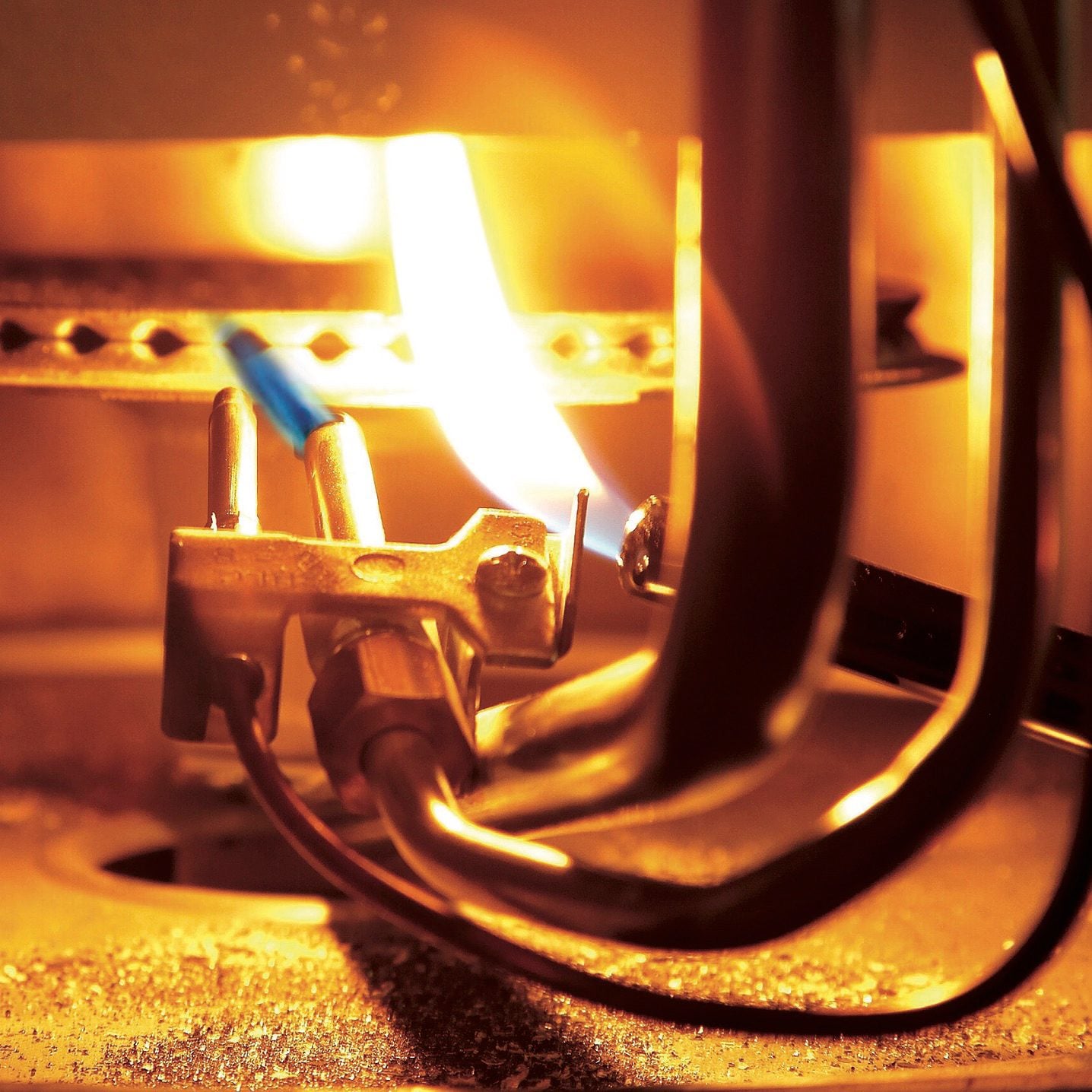
A pilot light is a small, continuous flame used on many older or standard gas water heaters. Its job is to ignite the main burner when the thermostat calls for heat. When the water in the tank cools below the set temperature, the gas valve opens, the pilot ignites the burner, and the tank begins heating again.
Modern gas water heaters may use electronic ignition instead of a standing pilot. If your unit has a push-button igniter and a status light, you may not see a constantly burning flame the same way you would on an older model. Always check the lighting instructions printed on the water heater itself, because those instructions are more important than any general guide online, including this one with excellent manners and a suspiciously calm attitude.
Before You Touch Anything: Safety First
Before trying to fix a water heater pilot light, pause and check for danger signs. If you smell gas, often described as rotten eggs, do not try to relight the pilot. Do not flip light switches, use a lighter, or keep troubleshooting. Leave the house and call your gas utility or emergency services from a safe location.
You should also stop immediately if your carbon monoxide alarm goes off, if the pilot area looks burned or damaged, if the water heater is leaking, or if the vent pipe is loose, rusted, disconnected, or blocked. A gas water heater needs proper combustion air and safe venting. A pilot light problem can sometimes be the symptom, not the disease.
Basic Safety Checklist
- Read the lighting instructions on the water heater label.
- Make sure the area around the heater is clear of paper, paint, gasoline, solvents, and clutter.
- Confirm that the vent pipe appears connected and unobstructed.
- Do not bypass sensors, safety switches, or gas valve controls.
- Keep a working carbon monoxide alarm in the home.
- Call a professional if the pilot repeatedly goes out.
Common Signs of Water Heater Pilot Light Problems
Pilot light trouble usually shows up in one of several ways. You may have no hot water at all. You may relight the pilot, only for it to go out as soon as you release the control knob. The pilot may stay lit for a few minutes, then disappear like it remembered it had somewhere else to be. You may hear clicking from the igniter but see no flame. Or the status light may fail to blink after several lighting attempts.
These symptoms point to different possible causes: a dirty pilot opening, a weak thermocouple, a failing thermopile, poor airflow, a draft, gas pressure issues, or a faulty gas control valve. Some are homeowner-check items. Others belong to a licensed technician.
How to Relight a Water Heater Pilot Light
The exact steps depend on your water heater model. Use the instructions printed on your unit first. The following steps are a general DIY overview for many gas tank water heaters with a pilot setting.
Step 1: Turn the Gas Control Knob to Off
Find the gas control knob near the lower front of the water heater. Turn it to the “Off” position. Do not force it. If the knob is stuck, loose, cracked, or spinning strangely, stop and call a professional.
Step 2: Wait at Least 10 Minutes
This waiting period allows any residual gas near the burner chamber to dissipate. It is not optional. Consider it the water heater’s version of taking a deep breath before making questionable decisions.
Step 3: Set the Control to Pilot
After waiting, turn the gas control knob to “Pilot.” On many models, you must press and hold the knob down to allow gas to flow to the pilot burner. Keep holding it during the lighting process.
Step 4: Press the Igniter Button
If your water heater has an electronic igniter, press the igniter button while holding down the pilot knob. You may need to click it several times. Some units have a small viewing window where you can see the pilot flame. A steady blue flame is generally what you want.
For older manual-light models, follow the label instructions exactly. Many modern sealed-combustion water heaters should not be opened or lit with an external flame unless the manufacturer specifically says so.
Step 5: Keep Holding the Knob
Once the pilot lights, keep holding the control knob for about 30 to 60 seconds, or whatever your manufacturer recommends. This gives the thermocouple or thermopile time to heat up and signal the gas valve that the flame is present.
Step 6: Release Slowly and Turn to On
Release the knob slowly. If the pilot stays lit, turn the control knob to “On” and set the temperature to the desired range. Many households use about 120 degrees Fahrenheit to balance comfort, energy savings, and scald prevention, though your needs may vary.
Step 7: Watch the Flame and Status Light
Give the unit a few minutes. A proper pilot flame should look stable, not lazy, weak, yellow, or constantly flickering. If your model has a status light, confirm it flashes according to the unit’s instructions. If the pilot does not stay lit after a few attempts, stop. Repeatedly feeding gas and clicking away is not troubleshooting; it is auditioning for a safety pamphlet.
Why Your Water Heater Pilot Light Won’t Stay Lit
If the pilot lights but goes out when you release the knob, the most common suspect is the thermocouple or thermopile. This safety part sits in or near the pilot flame. When heated, it produces a small electrical signal that keeps the gas valve open. If it is dirty, misaligned, worn out, or failing, the gas valve shuts off because it thinks there is no flame.
1. Dirty or Misaligned Thermocouple
A thermocouple must be properly positioned in the pilot flame. If it has shifted away from the flame or is coated with soot, it may not heat correctly. Some homeowners can gently clean an accessible thermocouple with the gas turned off and the unit cooled, but sealed burner assemblies and newer models often require professional service. Do not bend, cut, bypass, or modify safety parts.
2. Bad Thermocouple or Thermopile
If the pilot flame looks strong but still dies when the knob is released, the thermocouple may need replacement. This is a common repair, but the difficulty depends on the model. If replacement requires disconnecting gas lines, opening a sealed combustion chamber, or disturbing the burner assembly, call a qualified technician.
3. Dirty Pilot Tube or Orifice
A weak pilot flame may be caused by a clogged pilot tube or tiny pilot orifice. Dust, lint, rust flakes, and debris can restrict gas flow. A weak flame may not reach the thermocouple properly. Cleaning burner components can be delicate work, and using sharp objects can damage the opening. When in doubt, let a pro handle it.
4. Drafts Near the Water Heater
A pilot flame is small. A strong draft from a garage door, nearby fan, open window, or poorly placed vent can blow it out. If your water heater is in a garage or utility room, pay attention to airflow patterns. Do not block required combustion air openings, though. The goal is not to suffocate the appliance; it is to prevent direct gusts from attacking the flame like a tiny weather event.
5. Lack of Combustion Air
Gas water heaters need air to burn fuel safely. If the heater is squeezed into a small closet, surrounded by storage boxes, or installed in a tight room without proper ventilation, the pilot and burner may struggle. Lack of combustion air can also increase carbon monoxide risk. This is a professional inspection situation, not a “move three boxes and hope” situation.
6. Gas Supply or Gas Pressure Problems
If other gas appliances are acting strangely, or if the pilot flame is very weak, the problem may involve gas supply or pressure. Do not adjust regulators or gas valves yourself. Contact your gas utility or a licensed technician.
7. Faulty Gas Control Valve
The gas control valve manages fuel flow to the pilot and burner. If it fails, the pilot may not stay lit even with a good thermocouple. Gas valve replacement is not a casual DIY repair. It should be handled by someone trained to test gas connections, verify combustion, and confirm safe operation.
DIY Checks You Can Safely Try
Some troubleshooting is safe for most homeowners. Start with the basics. Make sure the gas shutoff valve near the water heater is open. Confirm the temperature dial is not set to “Vacation” or “Pilot” after relighting. Look for obvious drafts. Clear clutter around the water heater, especially flammable items. Check that the water heater has not been affected by recent painting, refinishing, fuel storage, or chemical fumes nearby.
Many modern water heaters have flammable vapor sensors. These sensors are designed to shut the unit down if dangerous vapors are detected. Do not reset, bypass, or trick these sensors. If the water heater locks out after exposure to fumes, call the manufacturer or a technician.
When to Call a Professional
Call a licensed plumber, HVAC technician, or your gas utility if the pilot will not stay lit after following the manufacturer’s relighting instructions, if you smell gas, if the burner flame is yellow or irregular, if the water heater produces soot, if the venting looks damaged, or if the unit shuts down repeatedly.
You should also call for help if your water heater is old and showing multiple symptoms: rusty water, popping noises, leaks, unreliable heating, or repeated pilot failure. At some point, repairing an aging unit becomes like buying fancy tires for a car with no engine. Technically possible, emotionally questionable.
How to Prevent Future Pilot Light Issues
Prevention is less exciting than emergency troubleshooting, but it is much better for your blood pressure. Keep the area around the water heater clean and open. Do not store gasoline, paint thinner, solvents, cardboard, or laundry piles near it. Schedule annual service for gas appliances. Replace carbon monoxide alarms according to the manufacturer’s timeline. Flush sediment from the tank if your manual recommends it and you are comfortable doing so, or hire a pro during routine maintenance.
Also, pay attention to patterns. If the pilot goes out every time it is windy, the issue may involve venting or draft conditions. If it goes out after the burner runs, the problem may involve combustion air, overheating, or a safety sensor. If it will not stay lit at all, the thermocouple, thermopile, or gas valve may be involved.
Quick Troubleshooting Table
| Symptom | Possible Cause | Best Next Step |
|---|---|---|
| No hot water | Pilot light is out | Follow the water heater label to relight it safely |
| Pilot lights, then goes out | Weak or failed thermocouple | Try relighting once; call a pro if it repeats |
| Weak yellow pilot flame | Dirty pilot opening or poor gas flow | Call for service if basic relighting fails |
| Pilot blows out repeatedly | Draft or venting problem | Check obvious drafts; do not block combustion air |
| Rotten egg smell | Possible gas leak | Leave immediately and call the gas utility |
| CO alarm sounds | Possible combustion or venting failure | Leave the home and call emergency help |
Real-World Experience: What Pilot Light Problems Usually Teach Homeowners
Pilot light issues have a funny way of making homeowners suddenly interested in appliance manuals. Nobody reads the water heater label when the shower is hot and the dishes are clean. But the moment the water turns cold, that label becomes ancient wisdom printed in tiny letters.
One common experience is the “I released the button too soon” problem. A homeowner presses the pilot knob, gets a flame, celebrates early, releases the knob after five seconds, and the pilot goes out. The thermocouple needs time to heat up. Holding the knob longer, usually around 30 to 60 seconds depending on the model, can make the difference between success and another round of cold-water character development.
Another common lesson is that the pilot light is not always the real villain. A pilot that keeps going out may be warning you about airflow, venting, or gas control problems. For example, a water heater in a crowded utility closet may not have enough combustion air. A garage water heater may be affected by drafts when the overhead door opens. A vent cap can be damaged or blocked. These are not problems you solve by clicking the igniter more aggressively.
Homeowners also learn that “simple part” does not always mean “simple repair.” A thermocouple is inexpensive compared with a full water heater, but access matters. On some older units, replacement is straightforward for an experienced DIYer. On newer sealed-combustion models, the burner assembly may be more complicated, and opening it incorrectly can create safety issues or void a warranty. This is where good judgment saves money. A service call is cheaper than a bad gas repair.
Another real-world pattern: pilot problems often show up after unrelated home projects. Painting, floor refinishing, fuel storage, heavy dust, or nearby chemical fumes can affect modern safety sensors. If the water heater stops working after a weekend project, do not assume the appliance is being dramatic for attention. It may be responding to conditions around it.
Finally, pilot light trouble teaches the value of annual maintenance. A technician can inspect the burner, pilot assembly, thermocouple, venting, gas connections, draft conditions, and carbon monoxide risk. That may sound boring, but boring is exactly what you want from a gas water heater. Hot showers should be boring. Safe combustion should be boring. The only exciting thing in the utility room should be finding a missing sock behind the tank.
Conclusion
A water heater pilot light problem can be as simple as relighting the flame or as serious as a failing safety component, poor combustion air, or unsafe venting. Start with the manufacturer’s instructions, wait before relighting, watch the flame, and do not ignore repeated failures. If the pilot will not stay lit, the thermocouple or thermopile is often involved, but drafts, blocked pilot openings, gas pressure, and gas valve problems can also be responsible.
The best DIY approach is careful, limited, and safety-first. Relight the pilot if the instructions allow it. Clear clutter. Check for obvious drafts. Then stop before the job turns into gas-system repair. When the fix involves sealed combustion parts, gas valves, venting, leaks, or repeated shutdowns, call a qualified professional. Your water heater’s job is to provide hot water, not suspense.
Note: This article is for general educational DIY guidance. Always follow the instructions on your specific water heater and contact a licensed professional for gas leaks, repeated pilot failure, venting problems, or any repair beyond basic relighting.