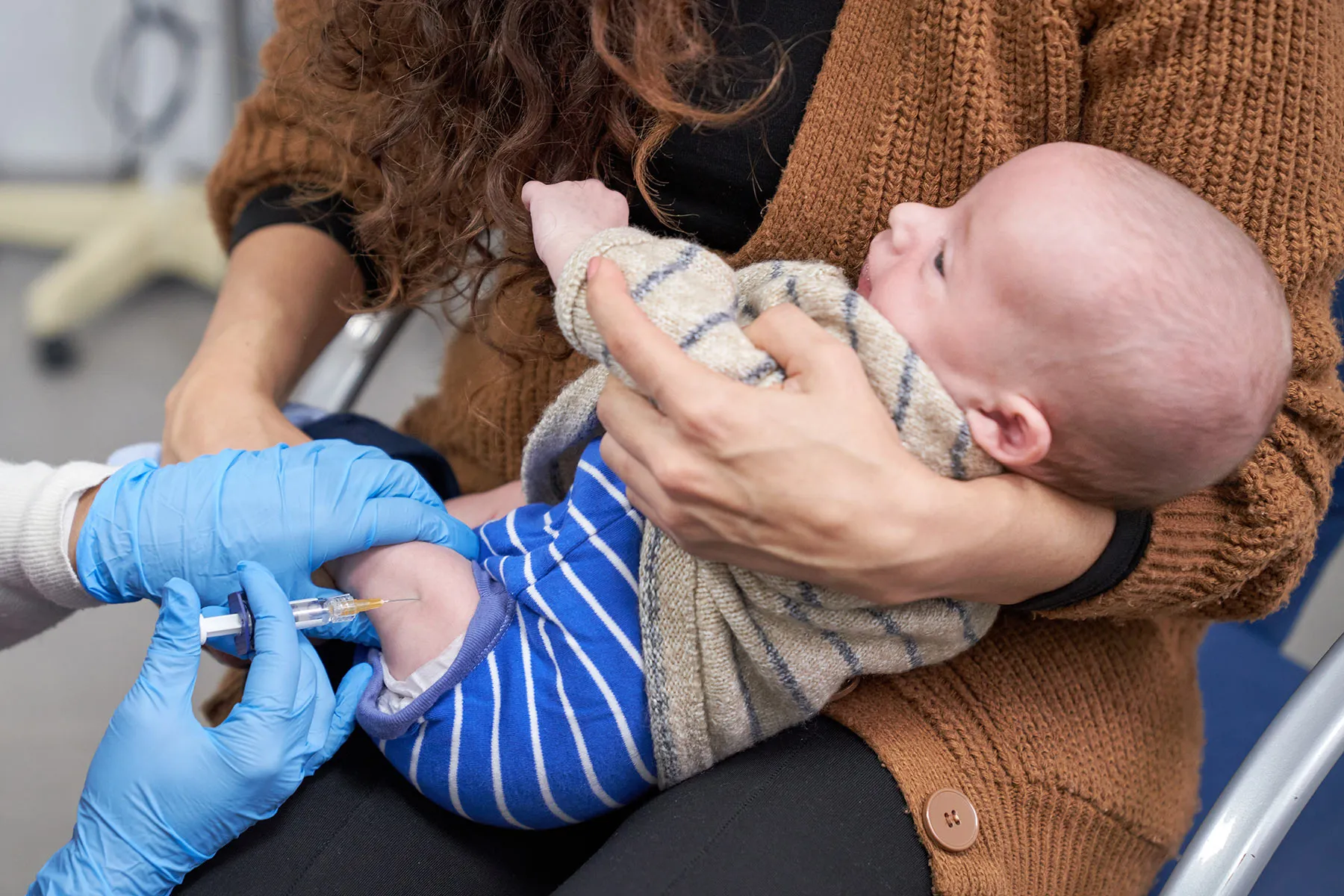
Note: This article is for general education only. Parents and caregivers should always discuss their child’s vaccine schedule, medical history, allergies, and special circumstances with a licensed pediatrician or qualified health care professional.
Introduction: Why Children’s Vaccines Matter More Than Ever
Children are tiny explorers with sticky fingers, dramatic snack opinions, and an impressive talent for touching every surface in a waiting room. Their immune systems are learning fast, but they still need protection from infections that can cause serious illness. That is where children’s vaccines come in.
Vaccines help train the immune system to recognize specific viruses or bacteria before a child meets the real thing. Think of it as a fire drill for the body: a little practice now can prevent panic later. Childhood immunization has helped reduce diseases that once caused hospitalizations, lifelong complications, and deaths. Today, many parents have never seen polio, diphtheria, or widespread measles in their own communities, largely because vaccines have done their job so well.
Still, questions are normal. Parents want to know what goes into vaccines, why babies need shots so early, whether side effects are expected, and what to do if a child misses a dose. This FAQ explains the basics in plain American English, with practical examples, a little humor, and zero medical jargon doing gymnastics in the corner.
What Are Children’s Vaccines?
Children’s vaccines are medical products designed to help the immune system build protection against specific infectious diseases. Some vaccines contain weakened forms of a virus, some contain inactivated germs, and others contain only pieces of a germ or instructions that help the body recognize it. The goal is not to make a child sick. The goal is to teach the immune system what to look for.
When a vaccinated child later encounters the real disease, the immune system can respond faster and more effectively. This can prevent infection entirely, reduce the severity of illness, or lower the risk of dangerous complications. In practical parent language: vaccines help the body keep a “wanted poster” of the germ before it shows up causing trouble.
FAQ About Children’s Vaccines
1. Why do children need vaccines so early in life?
Many vaccine-preventable diseases are most dangerous for babies and young children. Infants can become seriously ill from infections such as pertussis, pneumococcal disease, rotavirus, influenza, hepatitis B, and measles. The vaccine schedule is designed to protect children before they are most likely to be exposed and before certain diseases can cause severe complications.
Another reason is timing. A baby’s immune system is active from birth, but protection passed from the mother during pregnancy fades over time. Vaccines are scheduled when the child’s body can respond well and when the protection is needed most. It may look like a lot on paper, but the schedule is carefully plannednot assembled with sticky notes and hope.
2. Which vaccines do children usually receive?
Recommended childhood vaccines may include protection against hepatitis B, rotavirus, diphtheria, tetanus, pertussis, Haemophilus influenzae type b, pneumococcal disease, polio, influenza, measles, mumps, rubella, chickenpox, hepatitis A, meningococcal disease, HPV, COVID-19, and RSV-related illness in certain situations. Recommendations can change as evidence, disease patterns, and public health guidance evolve.
The exact schedule depends on a child’s age, health conditions, vaccine history, local requirements, and professional guidance. Parents should use the most current schedule recommended by their pediatrician, especially because national guidance and professional medical society guidance may not always be identical in every year.
3. Are children’s vaccines safe?
Vaccines used in children go through multiple stages of testing and review before they are approved or recommended. After approval, vaccine safety continues to be monitored through national systems that look for possible side effects or safety patterns. This ongoing monitoring matters because millions of children may receive a vaccine after it becomes available.
No medical product is 100% risk-free, including vaccines, antibiotics, or even the suspiciously sticky cough syrup in the back of the cabinet. However, serious vaccine reactions are rare, and the risks from vaccine-preventable diseases are often much greater than the risk of serious side effects from vaccination.
4. What side effects are common after childhood vaccines?
Common side effects are usually mild and temporary. A child may have soreness, redness, or swelling where the shot was given. Some children may feel tired, fussy, or have a low-grade fever. Babies may want extra cuddles, which is adorable unless you also needed to fold laundry, answer email, and locate the missing left shoe.
These reactions typically mean the immune system is responding. Parents can ask their pediatrician how to manage discomfort, when to use fever-reducing medicine, and what symptoms should prompt a call. Severe allergic reactions are rare, but they require immediate medical attention.
5. Can a child get several vaccines at the same visit?
Yes, children can often receive multiple recommended vaccines during one appointment. The immune system handles many germs every day through normal lifeeating, crawling, playing, daycare, school, and that mysterious moment when toddlers lick things no one asked them to lick. Vaccines represent a small, targeted immune challenge compared with everyday exposure.
Giving vaccines together also helps children get protected on time. It reduces the number of office visits, lowers the chance of missed doses, and helps parents avoid turning the family calendar into a medical treasure map.
6. Do vaccines overwhelm a child’s immune system?
No credible evidence shows that recommended vaccines overwhelm a healthy child’s immune system. Children encounter thousands of immune triggers in daily life. Vaccines are designed to expose the immune system to specific, controlled pieces of information so the body can prepare for real infections.
The modern vaccine schedule may look busy, but the total immune challenge from today’s vaccines is much smaller than many parents imagine. The immune system is not a fragile teacup; it is more like a highly trained security team that gets better when it knows what threats to recognize.
7. Do vaccines cause autism?
Large scientific reviews and major medical organizations have not found reliable evidence that vaccines cause autism. Autism is a complex developmental condition with genetic and biological factors that researchers continue to study. The claim that vaccines cause autism has been repeatedly examined and has not been supported by sound evidence.
Parents who feel worried should talk openly with their pediatrician. A good pediatrician will answer questions respectfully, not roll their eyes like a teenager asked to unload the dishwasher.
8. What ingredients are in children’s vaccines?
Vaccine ingredients vary by vaccine, but each ingredient has a purpose. Some help create an immune response, some keep the vaccine stable, and some prevent contamination during manufacturing. Ingredients are reviewed as part of vaccine safety evaluation.
Parents may hear scary-sounding chemical names online, but the dose, form, and purpose of an ingredient matter. Water is safe to drink, but no one wants a swimming pool in their lungs. Context matters. For ingredient questions, parents should ask for the official vaccine information sheet or talk with a health care professional who can explain the specific vaccine being given.
9. What if my child is sick on vaccine day?
A mild illness, such as a runny nose or low fever, does not always mean vaccination must be delayed. However, if a child has a moderate or severe illness, the pediatrician may recommend waiting. The decision depends on the child’s symptoms, medical history, and the vaccine being considered.
Parents should tell the clinic if the child has a fever, has had a serious reaction to a previous vaccine, has known allergies, is immunocompromised, or is taking medicines that affect the immune system. This is not the moment for the “they’ll figure it out” approach. Details help the medical team make the safest decision.
10. What happens if my child misses a vaccine dose?
Missing a vaccine dose does not mean the whole series usually needs to start over. Pediatricians can use a catch-up schedule to help children get back on track. The important step is to call the doctor’s office and ask what is due next.
Life happens. Families move, appointments get canceled, toddlers hide car keys in toy bins, and school forms appear five minutes before bedtime. Catch-up vaccination exists because real life is not always tidy.
11. Are vaccines required for school?
School vaccine requirements vary by state and sometimes by child care setting, grade level, or local policy. Many schools require documentation of certain vaccines before enrollment. Some states allow medical exemptions, and exemption rules differ widely.
Even when a vaccine is not required for school entry, it may still be recommended by pediatric experts. Parents should separate two questions: “What does the school require?” and “What protection does my child need?” Those questions overlap, but they are not always identical twins.
12. Why do some vaccines need boosters?
Some vaccines require more than one dose because immunity builds step by step. Early doses introduce the immune system to the target, and later doses strengthen or extend protection. Other vaccines need updates because viruses change over time, as with influenza.
Boosters are like reminding the immune system, “Hey, remember this troublemaker?” The goal is to keep protection strong when children are more likely to be exposed at school, sports, social activities, travel, or community events.
13. What is community immunity?
Community immunity, sometimes called herd immunity, happens when enough people are protected that a disease has fewer chances to spread. This helps protect babies too young for certain vaccines, people with medical conditions who cannot receive some vaccines, and those whose immune systems do not respond strongly.
Vaccination is partly personal protection and partly community teamwork. It is like holding the door for someone, except instead of a door, it is protection against a disease outbreak.
14. Should parents use an alternative vaccine schedule?
Parents sometimes ask whether vaccines can be delayed or spread out. Medical experts generally recommend following an evidence-based schedule because it protects children during vulnerable periods. Delaying vaccines can leave children unprotected for longer than necessary.
If parents are nervous, the best next step is not to build a custom schedule from social media comments. It is to speak with a pediatrician, ask specific questions, and understand the risk of waiting. A thoughtful conversation beats a comment thread every time.
15. How can parents prepare for vaccine appointments?
Parents can make vaccine visits easier by bringing the child’s immunization record, a list of questions, and comfort items such as a favorite toy or blanket. Older children may appreciate a simple explanation: “This shot helps your body learn how to fight germs.” Avoid dramatic warnings like “This will be terrible,” even if the parent secretly hates needles too.
After the appointment, parents should watch for expected mild reactions and follow the clinic’s after-care instructions. Keep vaccine records in a safe place, because school offices, camps, sports programs, and future doctors may ask for them.
Benefits of Childhood Vaccination
The biggest benefit of childhood vaccination is protection from serious disease. Vaccines help prevent illnesses that can lead to pneumonia, brain inflammation, liver disease, paralysis, hearing loss, severe dehydration, cancer later in life, and other complications. Some vaccine-preventable diseases can spread quickly in schools, child care centers, and communities.
Vaccines also reduce missed school days, missed workdays for parents, emergency visits, and the stress of watching a child struggle with an illness that could have been prevented. Prevention is not flashy. It does not arrive wearing a cape. But when it works, families simply get to keep living normal lifeand normal life is underrated.
Another important benefit is protection for vulnerable people. A vaccinated child is less likely to spread certain infections to newborn siblings, grandparents, classmates receiving cancer treatment, or neighbors with immune problems. In that sense, vaccination is both a personal health choice and a public health action.
Common Myths About Children’s Vaccines
Myth: Natural infection is better than vaccination.
Natural infection can sometimes create immunity, but it may come at a high cost. Measles, chickenpox, influenza, pertussis, and other diseases can cause serious complications. Vaccines are designed to help the immune system learn without making children face the full danger of the disease.
Myth: Vaccine-preventable diseases are gone, so vaccines are unnecessary.
Many diseases are rare in the United States because vaccination keeps them under control. When vaccination rates fall, outbreaks can return. Germs do not retire politely; they wait for opportunities.
Myth: Healthy children do not need vaccines.
Healthy children can still catch and spread serious infections. Some diseases hit healthy children hard without warning. Vaccination helps reduce that risk before exposure happens.
When to Call the Pediatrician
Parents should call a pediatrician if they are unsure which vaccines are due, if their child missed doses, if there was a previous serious reaction, or if the child has a medical condition that may affect vaccination. After a vaccine, parents should seek medical advice for symptoms that seem severe, unusual, or concerning, especially signs of a serious allergic reaction such as trouble breathing, swelling of the face or throat, extreme weakness, or widespread hives.
Most vaccine reactions are mild, but parents should trust their instincts. A quick phone call can provide reassurance and guidance. Pediatricians would rather answer a “maybe silly” question than have parents worry alone at 2 a.m. while searching the internet like a detective in pajamas.
500-Word Experience Section: Real-Life Lessons Parents Learn About Children’s Vaccines
For many families, children’s vaccines are not just a medical topic. They are a real-life parenting experience filled with appointment reminders, tiny bandages, nervous questions, and the occasional heroic promise of stickers afterward. The first lesson many parents learn is that preparation makes the visit smoother. A baby may not understand what is happening, but the parent’s calm voice, gentle touch, and familiar blanket can help. For toddlers and preschoolers, simple honesty works best: “You will feel a quick pinch, and then it will be done.” Turning it into a scary mystery usually backfires faster than giving a toddler an open cup of grape juice on a white rug.
Another common experience is realizing that questions are normal. Parents may walk into a vaccine appointment with concerns about fever, sleepiness, ingredients, timing, or whether multiple shots are too many. A good pediatric office expects these questions. In fact, asking questions is responsible parenting. The key is to rely on qualified medical sources rather than viral posts designed to make everyone panic before breakfast. Pediatricians can explain which vaccines are due, why they are recommended at certain ages, and what side effects are expected.
Many parents also learn that vaccine records matter more than they expected. Those little dates and dose names become important for daycare, kindergarten, summer camp, sports, travel, and future medical care. Keeping a digital copy and a paper copy can save stress later. No one wants to search through old drawers for an immunization form while a school deadline breathes down their neck like a tiny administrative dragon.
Families with more than one child often discover that every child reacts differently. One baby may nap after shots like a peaceful potato. Another may be fussy, clingy, or mildly feverish. Both can be normal. Parents should follow after-care instructions, offer comfort, and check with the pediatrician about symptoms that seem unusual or severe.
There is also an emotional side. Some parents feel guilty when their child cries, even when they know vaccination is protective. That feeling is understandable. Parenting often means choosing short-term discomfort to prevent bigger risks later. Seat belts, bike helmets, dental cleanings, bedtime routines, and vaccines all live in that same parenting neighborhood: not always fun, but deeply protective.
Finally, parents often feel relieved once they understand the purpose of the schedule. Vaccines are not random hurdles placed in childhood for sport. They are timed tools that help protect children before they face diseases that can spread in homes, schools, playgrounds, and communities. The experience becomes easier when parents view vaccination as part of a long-term health plan: one appointment, one dose, one layer of protection at a time.
Conclusion: A Calm, Practical Approach to Children’s Vaccines
Children’s vaccines can feel overwhelming at first, especially for new parents staring at a schedule full of abbreviations that look like someone spilled alphabet soup on a medical chart. But the basic idea is simple: vaccines help protect children from serious diseases before those diseases have a chance to cause harm.
The best approach is to stay informed, keep accurate records, ask questions, and work with a trusted pediatrician. Parents do not need to memorize every vaccine detail. They need a reliable medical partner, a current schedule, and a willingness to separate evidence-based information from online noise.
Childhood vaccination is one of the most effective preventive health tools available. It protects individual children, supports safer schools and communities, and helps keep dangerous diseases from making a comeback. In the grand adventure of raising kids, vaccines are not the whole mapbut they are one of the strongest safety rails along the way.