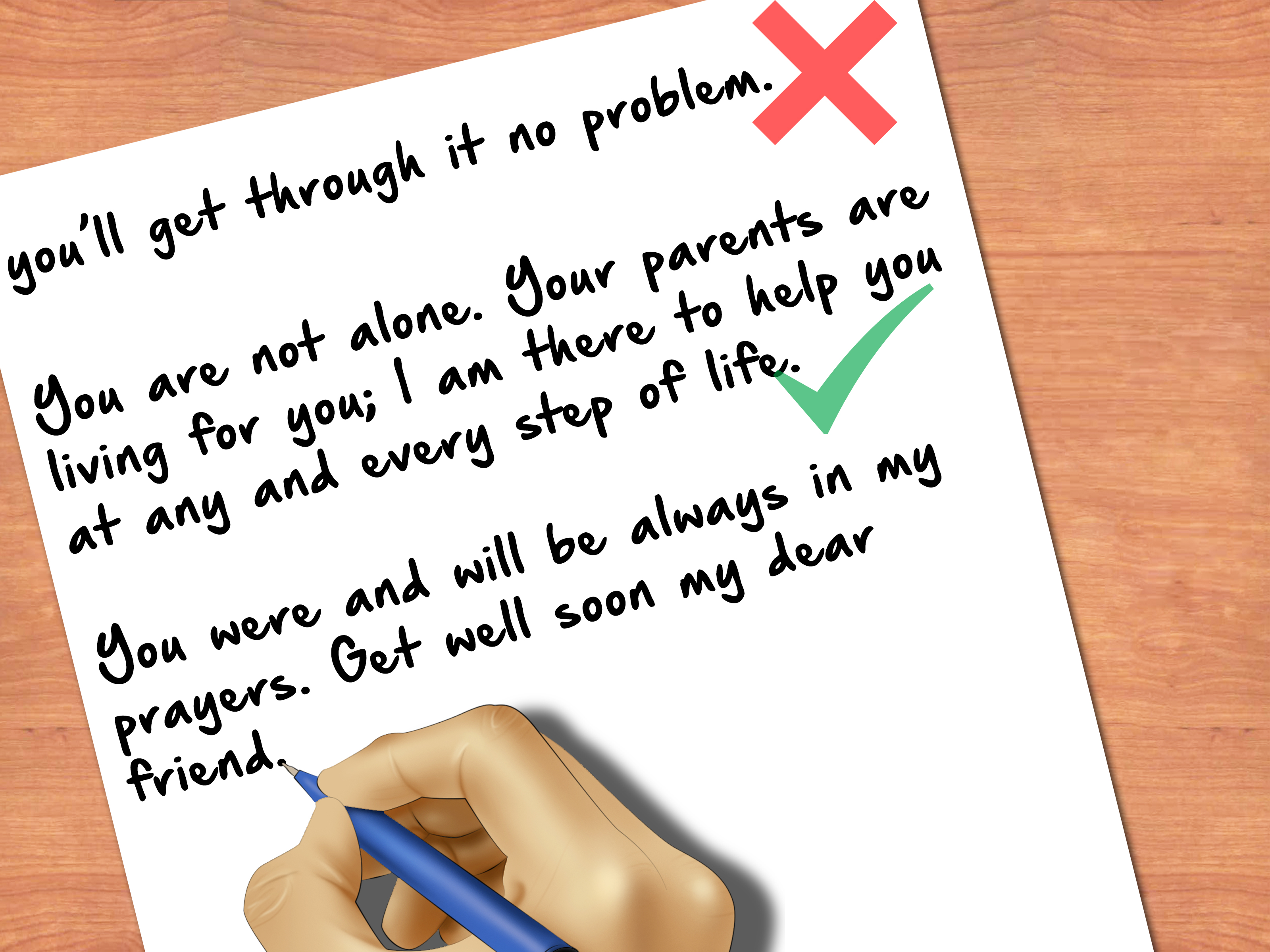
Learning how to write to someone who has been diagnosed with cancer can feel like trying to carry a glass vase through a crowded airport. You want to be careful. You want to be helpful. You absolutely do not want to drop the emotional equivalent of “Well, everything happens for a reason” into their inbox and then disappear into the snack aisle.
The good news is that a supportive message does not need to be poetic, perfect, or worthy of a greeting card award. In fact, the best messages are usually simple, honest, warm, and respectful. When someone receives a cancer diagnosis, they may be dealing with fear, confusion, treatment decisions, physical symptoms, family conversations, financial pressure, and a calendar suddenly packed with medical appointments. Your words cannot remove all of that, but they can make the person feel less alone.
This guide explains how to write a thoughtful message to someone with cancer, what to say, what not to say, and how to offer real support without accidentally assigning them the unpaid job of comforting you. Because yes, that happens. A lot.
Why Your Message Matters More Than You Think
A cancer diagnosis can shrink a person’s world very quickly. One week, life may be about work deadlines, groceries, school pickups, weekend plans, and whether the dishwasher is making a suspicious noise. The next week, everything revolves around scans, biopsies, oncologists, treatment options, side effects, and waiting for results. In that kind of emotional weather, a sincere message can become a small but sturdy umbrella.
Many people avoid writing because they are afraid of saying the wrong thing. That fear is understandable, but silence can feel worse. The person may wonder whether others are uncomfortable, scared, or slowly backing away. A short message that says, “I care about you, and I’m here,” is often better than a perfect message that never gets sent.
The Golden Rule: Let Them Lead
When writing to someone who has been diagnosed with cancer, the most important rule is to let them lead. Some people want to talk openly about their diagnosis. Others want distraction, privacy, humor, normal conversation, or a mix of all four before breakfast. Cancer does not come with a single emotional script.
Your message should give them room to respond however they want. Instead of pushing for details, try an open and gentle invitation:
“I heard about your diagnosis, and I’m so sorry you’re going through this. I’m here if you want to talk, vent, sit quietly, or be distracted by completely unimportant gossip.”
This kind of message says, “You are in control.” It does not demand medical updates. It does not turn your curiosity into their homework. It simply opens a door and lets them decide whether to walk through it.
What to Say to Someone With Cancer
Start With Honest Care
You do not need a dramatic opening line. You are not writing the first sentence of a novel. Begin with compassion:
- “I’m so sorry you’re going through this.”
- “I care about you, and I’m thinking of you.”
- “I don’t know the perfect thing to say, but I want you to know I’m here.”
- “This is really hard news. I’m sending you love and support.”
Admitting that you do not know what to say can be surprisingly comforting. It is honest. It avoids pretending that cancer is a minor inconvenience, like a delayed package or a bad haircut.
Validate Their Feelings
People with cancer may feel scared, angry, numb, hopeful, exhausted, irritated, grateful, or all of those emotions before lunch. A good message makes space for that emotional complexity.
Try writing:
“Whatever you’re feeling right now is completely understandable. You don’t have to be positive for me. I’m here for the real version of this, not just the brave version.”
This matters because many patients feel pressured to be inspirational. They may hear “Stay strong!” so often that they start wondering whether they are allowed to have a bad day. Your message can remind them that they do not have to perform courage on command.
Offer Specific Help
“Let me know if you need anything” is kind, but it can be too vague. Someone dealing with cancer may not have the energy to decide what they need, contact you, and coordinate the details. That turns your offer into another task on their list.
Specific help is better:
- “I can bring dinner on Tuesday or Thursday. Which day works better?”
- “I’m going to the grocery store tomorrow. Can I pick up milk, fruit, soup, or anything else?”
- “I can drive you to an appointment next week if that would help.”
- “I can take the kids to the park Saturday morning if you want some quiet time.”
- “I can mow the lawn this weekend. No need to entertain me. I will wave at the grass and leave.”
Useful support is often practical, ordinary, and unglamorous. The casserole may never win a cooking show, but if it saves someone from making dinner after chemotherapy, it deserves a tiny trophy.
What Not to Write
Avoid Toxic Positivity
Positive thoughts can be comforting, but forced positivity can feel dismissive. Phrases like “You’ve got this,” “Everything will be fine,” or “Just stay positive” may sound encouraging, but they can unintentionally minimize fear and uncertainty.
Instead of saying:
“Don’t worry. You’ll beat this.”
Try:
“I’m hoping for the best possible outcome, and I’ll be here with you through the hard parts too.”
This keeps hope in the room without kicking reality out the window.
Do Not Compare Cancer Stories
It is natural to think of someone else you know who had cancer. However, writing, “My aunt had the same thing and she was fine,” or “My neighbor had cancer and it was awful,” usually does not help. Every diagnosis, treatment plan, body, prognosis, and emotional response is different.
If you want to show empathy, keep the focus on the person in front of you:
“I can’t know exactly what this is like for you, but I care about you and I’m here to listen.”
Do Not Ask for Detailed Medical Updates Right Away
Questions can be caring, but too many can feel like an interview under fluorescent lighting. Avoid opening with a long list: What stage is it? What treatment are you getting? What did the scan show? Are you scared? Did you get a second opinion?
Instead, write:
“Please only share what you feel comfortable sharing. I’m here whether you want to talk about treatment or talk about literally anything else.”
This protects their privacy and reduces pressure.
Skip Advice Unless They Ask
When someone has cancer, advice can arrive from every direction: supplements, diets, documentaries, miracle teas, breathing methods, and someone’s cousin’s very confident Facebook post. Unless the person asks for suggestions, do not send medical advice.
A better approach is:
“I trust you and your medical team to make the decisions that are right for you. I’m here to support you in whatever way helps.”
How to Write Different Types of Messages
A Short Text Message
Text messages are helpful when you want to reach out without overwhelming the person. Keep it brief and low-pressure.
“I’m so sorry to hear about your diagnosis. I care about you and I’m thinking of you. No need to reply right now. I just wanted you to know I’m here.”
A Longer Card or Email
If you are close to the person, a longer message may feel more personal. You can include a memory, a sincere note of appreciation, and a specific offer of help.
“I’ve been thinking about you since I heard the news. I’m so sorry you’re facing this. One thing I’ve always admired about you is the way you make people feel calm even when life is chaotic. I hope you know you don’t have to be calm for everyone right now. You can be tired, angry, quiet, hopeful, or anything else. I’d like to bring dinner next week. I can drop it off Tuesday or Wednesday and leave it at the door if you’re not up for visitors.”
A Message to a Coworker
When writing to a coworker, respect privacy and keep the tone professional but warm. Do not ask for medical details or mention workplace gossip.
“I’m sorry to hear what you’re going through. Please know that I’m thinking of you and wishing you strength and comfort during treatment. There’s no need to respond, but if I can help cover a meeting note, organize a file, or make work feel lighter in any way, I’d be glad to help.”
A Message to Someone You Do Not Know Well
You do not have to be best friends to send kindness. Just avoid overfamiliar language.
“I heard about your diagnosis and wanted to send my support. I’m very sorry you’re going through this. Wishing you care, comfort, and good support around you.”
How to Use Humor Carefully
Humor can be healing, but only when it fits the relationship and the person’s mood. If your friend has always loved dark humor, sarcasm, or ridiculous memes, a gentle joke may be welcome. If they are private, serious, or newly diagnosed, start with warmth first.
A safe example might be:
“I’m here for anything you need: rides, soup, terrible TV recommendations, or silently judging hospital coffee with you.”
The key is to laugh with them, not at the situation. Cancer is not funny. Hospital coffee, however, remains suspicious.
How Often Should You Write?
Many people receive a flood of messages right after diagnosis, then fewer messages as treatment continues. Support can fade just when the hard routine begins. A simple check-in every week or two can mean a lot.
Try messages like:
- “Thinking of you today. No need to answer.”
- “I’m still here and still cheering for you.”
- “Would a meal drop-off help this week?”
- “Want distraction, conversation, or quiet company?”
Always make it easy for them not to reply. Treatment fatigue, pain, anxiety, and appointment overload can make even small responses feel huge.
Writing After Treatment Starts
Once treatment begins, your message can acknowledge the ongoing effort without making assumptions. Avoid saying, “You must be relieved treatment has started,” because treatment can bring its own stress. Instead, write:
“I know this stage may bring a lot physically and emotionally. I’m thinking of you and hoping today is as gentle as possible.”
You can also offer practical care based on treatment routines:
“Would it help if I sent a grocery delivery this weekend?”
“I can sit with you during treatment if visitors are allowed and you want company.”
“I can help with laundry or errands this week. You do not have to host me. I am fully capable of folding towels without supervision.”
Writing When the Prognosis Is Uncertain or Serious
If the person has advanced cancer, a recurrence, or an uncertain prognosis, be especially careful with promises. Do not write, “Everything will be okay,” because you may not know that. Instead, focus on presence, love, and comfort.
“I love you. I’m here with you. You don’t have to go through this alone.”
“I’m so sorry this is happening. I’m holding you close in my thoughts and I’m available for whatever kind of support feels right to you.”
Sometimes the most powerful message is not about fixing anything. It is about staying.
Experience-Based Reflections: What People Often Remember Most
When people look back on a season of cancer treatment, they often remember the messages that made life feel a little more human. Not the grand speeches. Not the perfectly polished paragraphs. They remember the friend who texted every Friday with no demand for a reply. They remember the neighbor who dropped off soup and left before the doorbell could create social pressure. They remember the coworker who quietly handled a deadline without turning it into a heroic announcement.
One common experience is that the first wave of support is loud and loving, but the long middle of cancer can become lonely. At diagnosis, everyone reacts. During treatment, fewer people keep showing up. That is why a message sent three months later can be more meaningful than a dozen messages sent during the first week. A simple “Still thinking of you” can remind the person that they have not been forgotten after the initial shock passed.
Another experience is that people with cancer often appreciate normalcy. Cancer may be part of their life, but it is not their entire identity. A thoughtful message can include care and ordinary conversation. You might write, “I’m thinking of you. Also, our favorite show has gone completely off the rails, and I need your opinion when you’re up for it.” This tells the person they are still themselves, not just a patient, diagnosis, or medical update machine.
People also remember when others respect boundaries. Some days they may want to talk. Other days they may want silence, sleep, or a distraction involving snacks and zero medical vocabulary. A strong message gives choices: “Do you want to talk about it, or would you rather I send funny dog videos?” Choice restores a small sense of control during a time when so much can feel controlled by appointments, test results, and treatment schedules.
Practical help also leaves a lasting mark. Saying “I’m here for you” is kind. Saying “I can drive you to treatment on Thursday and bring you home afterward” is kindness with shoes on. Specific offers reduce decision fatigue. They also show that you have thought about the real shape of their life, not just the emotional headline.
Finally, many people remember honesty. They do not need every message to sparkle with optimism. They need words that can sit beside fear without running away. A message like “I hate that you’re going through this, and I love you” may be more comforting than a dozen cheerful clichés. It is plain. It is real. It does not try to decorate pain with glitter.
If you are unsure what to write, return to the basics: acknowledge the news, express care, respect privacy, offer specific help, and keep showing up. Your message does not have to be flawless. It only has to be human.
Conclusion
Knowing how to write to someone who has been diagnosed with cancer begins with empathy, not eloquence. The best messages are honest, gentle, and free of pressure. They do not demand updates, force positivity, or offer medical advice from the University of Internet Confidence. They say, “I care. I’m here. You can be exactly as you are.”
Whether you send a text, card, email, or handwritten note, remember that your words are not meant to cure the situation. They are meant to comfort the person. Keep reaching out. Offer specific help. Listen more than you explain. Let them lead. And when in doubt, simple kindness is usually the right sentence.