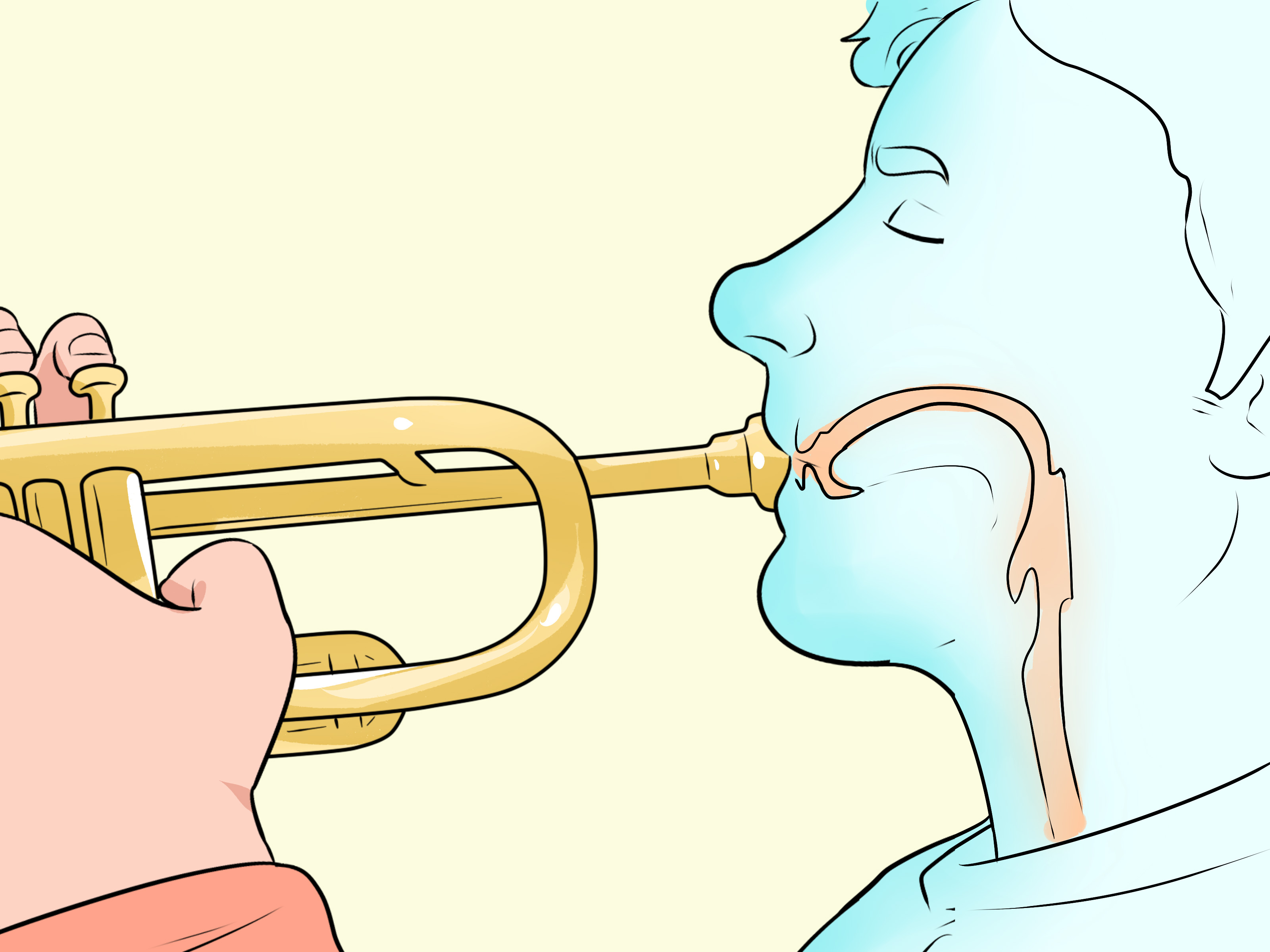
Every trumpet player eventually meets “the note.” Maybe it is the G above the staff. Maybe it is high C. Maybe it is that one heroic note in jazz band that seems to be printed slightly higher every time you look at the page. Playing high notes on the trumpet can feel mysterious, but it is not magic, secret genetics, or a contest to see who can turn the reddest before passing out behind the music stand.
The truth is more useful: high notes come from coordination. Your air, embouchure, tongue position, posture, ears, and practice habits all have to cooperate like a tiny brass committee. When one member panicsusually the lips, shoulders, or right handthe whole meeting gets loud, tense, and unproductive.
This guide breaks the skill into three practical ways to play high notes on the trumpet: build efficient air support, develop a focused embouchure, and practice range-building exercises that train consistency instead of strain. Whether you are a beginner trying to reach the top of the staff or an advancing player chasing cleaner high notes, these methods will help you climb the register without treating your face like a wrestling opponent.
Why High Notes on the Trumpet Feel So Hard
The trumpet is a brass instrument, which means sound begins when the player’s lips vibrate inside the mouthpiece. The valves change tubing length, but the player still has to “slot” the correct pitch by controlling vibration, airflow, and resonance. As notes get higher, the lips must vibrate faster and the air stream must become more focused.
That does not mean you should simply blow harder. In fact, one of the most common mistakes is trying to blast high notes into existence with raw air volume. The result is usually a pinched tone, stiff neck, swollen lips, and a look of betrayal when the note still refuses to appear.
Good high-register trumpet playing is efficient. The best players often look relaxed, even when they are playing notes that make everyone else in the section quietly reconsider their life choices. Their secret is not force. It is balance.
Way 1: Use Faster, Focused AirNot Just More Air
Air support is the foundation of trumpet range, but “more air” is not always the answer. High notes need a focused, energized air stream. Think of it less like dumping a bucket of water and more like using a garden hose with your thumb partly over the opening. The water does not necessarily increase in amount, but the stream becomes faster and more directed.
Start With a Relaxed Breath
Before you play a high note, take a full, quiet breath. Avoid lifting your shoulders or tightening your chest. A good trumpet breath should feel open and natural, as if you are calmly inhaling before speaking a strong sentence. The body should expand around the ribs and lower torso, not tense up like you just saw your band director walk in holding a tuner.
Once you breathe in, release the air steadily. Do not hold it in your throat. Many players accidentally create a traffic jam between the lungs and the lips by clenching the throat, jaw, or tongue. High notes need clear airflow. If the air gets blocked, the lips have to work too hard, and the sound becomes thin or cracked.
Think “Fast Air,” Not “Loud Air”
High notes are not always loud notes. You should practice playing higher pitches at moderate and even soft dynamics. This teaches your body to create focus without panic. If you can only hit a high note by playing at full volume, you do not own the note yetyou are renting it under suspicious terms.
Try this simple exercise:
- Play a comfortable middle-register G.
- Hold it for four slow counts with a steady tone.
- Rest for four counts.
- Move up by half steps, keeping the sound centered and relaxed.
- Stop before the tone becomes squeezed or painful.
The goal is not to climb as high as possible in one session. The goal is to teach your air to stay consistent as the range rises. If your tone spreads, your neck tightens, or your mouthpiece pressure increases dramatically, pause and reset.
Keep the Air Moving Through the Note
A common high-note mistake is attacking the note and then immediately stopping the air. The trumpet may speak for a split second, but the sound dies or cracks. Instead, imagine blowing through the note, not at it. The high note should be part of a musical phrase, not a jump scare.
Practice slurring from a comfortable note to a slightly higher note while keeping the air moving. For example, play G to C in the staff, then A to D, then B-flat to E-flat. Use smooth air and a relaxed body. When that feels easy, gradually extend the pattern upward.
Way 2: Build an Efficient Embouchure Without Excess Pressure
Your embouchure is the way your lips, facial muscles, jaw, and mouthpiece work together to create sound. For high notes, the embouchure must be firm enough to support faster lip vibration but flexible enough to stay resonant. Too loose, and the note will not center. Too tight, and the sound becomes strained. Too much mouthpiece pressure, and your lips may file a formal complaint.
Use Firm Corners and a Flexible Center
A strong trumpet embouchure does not mean smashing the lips together. Instead, think of the corners of the mouth as supportive and stable while the center of the lips remains free to vibrate. The corners help control the aperturethe small opening where air passes through the lips.
As you ascend, the aperture usually becomes smaller and more focused. However, forcing it closed creates problems. The lips still need to vibrate. A useful image is “focused but not frozen.” Your embouchure should feel organized, not locked.
Avoid the Mouthpiece Pressure Trap
Mouthpiece pressure can help a note speak temporarily, which is why so many players fall into the habit. Unfortunately, too much pressure reduces lip vibration, limits endurance, and makes the upper register unreliable. It is the musical equivalent of using duct tape to fix a leaky roof: impressive for five minutes, regrettable by Friday.
To reduce pressure, check your right hand. The hand should hold the trumpet securely but not pull the instrument into your face. Keep your pinky relaxed. If you hook the pinky tightly in the ring and pull, you may be adding pressure without realizing it.
Try practicing short high-register attempts with the pinky resting on top of the hook instead of inside it. This small adjustment can reveal whether you are relying on arm force instead of embouchure coordination.
Use Tongue Position to Focus the Air
Tongue position plays an important role in trumpet range. Many players find that the tongue naturally rises slightly as they play higher, similar to the vowel shape in “ee.” For lower notes, the mouth may feel closer to an “ah” shape. For higher notes, a more forward and lifted tongue can help focus the air stream.
Be careful, though. The tongue should guide the air, not block it. If you raise the tongue too much, the sound may choke. A good test is whether the tone still feels open and resonant. If the high note sounds tiny, pinched, or squeaky, your tongue or throat may be closing off the air.
Practice saying “ah-ee” slowly without the trumpet and notice how the tongue changes shape. Then play a comfortable slur and allow the tongue to move naturally as the pitch rises. Do not exaggerate the motion. Small changes often produce big results.
Way 3: Practice Smart Range-Building Exercises
High notes are built over time. No single exercise, mouthpiece, or inspirational poster will instantly give you a screaming upper register. The players who make high notes sound easy usually have one boring superpower: they practice fundamentals consistently.
Warm Up Before You Climb
Never begin a practice session by attacking your highest note. That is like waking up and immediately sprinting uphill while eating cereal. Start in the middle register with relaxed long tones, easy lip slurs, and simple articulation patterns.
A practical warm-up might include:
- Five minutes of relaxed breathing and mouthpiece buzzing.
- Long tones in the middle register at a comfortable dynamic.
- Easy lip slurs between nearby partials.
- Simple scales that gradually expand upward and downward.
The first goal of the day is not range. It is sound. If your middle register is tense or unfocused, your high register will probably be even more dramaticand not in the fun Broadway way.
Use Lip Slurs for Control
Lip slurs are one of the best exercises for developing trumpet range because they train the coordination between air, embouchure, and pitch. Start with simple slurs such as low C to G, then C to E to G, depending on your level. Keep the sound smooth and avoid kicking the higher note with extra pressure.
As you improve, move the same pattern upward by half steps. The key is to stop while the exercise still sounds good. Practicing beyond fatigue often teaches the body bad habits. If your tone collapses, your lips feel numb, or every note starts sounding like a goose with a tax problem, take a break.
Practice “One Note Higher” Instead of “As High as Possible”
Many trumpet players sabotage their range by turning practice into a daily high-note contest. A smarter approach is to work just above your comfortable range. If your reliable top note is G above the staff, spend time around A-flat and A rather than trying to launch directly into double C.
Use short, controlled attempts. Play a phrase that leads naturally to the higher note, then rest. For example, play a scale up to your target note and back down. This teaches the high note to behave like part of music rather than a separate athletic event.
Rest as Much as You Play
Trumpet players use small muscles that fatigue quickly. Rest is not laziness; it is training. A good rule during range work is to rest about as much as you play. If you play a 20-second exercise, rest for 20 seconds. During more demanding high-note practice, rest even longer.
Fatigue changes your technique. When the lips get tired, players often compensate with pressure, tension, or volume. That compensation may get one more note today, but it can slow progress tomorrow. Range grows best when the body repeats efficient motions, not emergency survival strategies.
Common Mistakes When Trying to Play High Notes
Mistake 1: Pinching the Lips
Pinching may make the aperture smaller, but it usually kills vibration. High notes need a focused opening, not a clamped one. Think “support and focus” instead of “squeeze.”
Mistake 2: Blowing Too Hard
Air matters, but uncontrolled air creates chaos. Use steady, compressed, focused air rather than sheer volume. If the note only comes out when you blast, return to softer practice.
Mistake 3: Raising the Shoulders
Raised shoulders often mean tension. Keep the body tall and relaxed. Let the breath expand naturally instead of turning your upper body into a coat hanger.
Mistake 4: Ignoring Tone Quality
A high note that sounds strained is not fully developed. Aim for a clear, ringing tone. Range without tone is like a sports car with square wheelstechnically interesting, but nobody wants the ride.
Mistake 5: Practicing High Notes Every Minute
Range work should be only one part of your routine. Long tones, scales, articulation, flexibility, rhythm, and musical phrasing all support high-note playing. A balanced player sounds better in every register.
A Simple Weekly Practice Plan for Trumpet High Notes
Here is a practical weekly structure for developing high notes without overtraining:
Day 1: Air and Long Tones
Focus on relaxed breathing, steady tone, and gradual half-step movement upward. Keep everything at a comfortable volume.
Day 2: Lip Slurs
Practice slow slurs in the middle register, then move slightly higher. Prioritize smooth motion and centered sound.
Day 3: Scales Into the Upper Register
Use major scales or chromatic patterns that lead naturally to your target note. Do not leap at the note; arrive there musically.
Day 4: Light Recovery
Play easy melodies, soft long tones, and low-register exercises. Let the lips recover while keeping coordination active.
Day 5: Range Extension
Work one or two notes above your comfortable range. Use short repetitions with plenty of rest.
Day 6: Music Application
Apply your range work to real music. Practice excerpts, etudes, jazz lines, or concert band parts that include higher notes.
Day 7: Rest or Very Light Playing
Take a day off or play gently. Muscles develop during recovery, and your face deserves weekends too.
How to Know You Are Improving
Progress on trumpet is not always dramatic. Some days your high notes will feel easy; other days the trumpet will act like it joined a witness protection program. Look for these signs of real improvement:
- Your upper notes speak with less effort.
- Your tone stays clear as you ascend.
- You recover faster after range practice.
- You use less mouthpiece pressure.
- You can play high notes at softer dynamics.
- Your pitch becomes more stable above the staff.
Keep a practice journal if possible. Write down your comfortable top note, what exercises you used, and how your tone felt. Over several weeks, patterns will appear. You may discover that your range improves after rest days, or that certain warm-ups help more than others.
Experience Section: What Playing High Notes on the Trumpet Really Feels Like
Ask a group of trumpet players how they learned high notes, and you will hear everything from “long tones changed my life” to “I accidentally figured it out during marching band and then lost it for three months.” The experience is rarely a straight line. Most players go through stages: excitement, frustration, obsession, overblowing, confusion, better practice, and finally, a more mature understanding that range is a skillnot a personality trait.
One common experience is the “pressure phase.” A player discovers that pressing the mouthpiece harder can make a higher note pop out. At first, this feels like a breakthrough. The high note appears, the player celebrates, and nearby dogs become concerned. But after a few weeks, endurance drops. The lips feel tired. The tone gets thinner. The player realizes the note was not being played efficiently; it was being forced. This is a normal lesson, but it is better learned early.
Another familiar moment is the “air confusion phase.” Many players are told to use more air, so they blow harder and harder. Instead of improving, the high register becomes wild. Notes crack, the sound spreads, and the body tenses. Eventually, the player learns that high notes need controlled air, not chaotic air. The breath must support the sound while the embouchure and tongue focus it. Once that clicks, the upper register often feels less like lifting weights and more like aiming a laser pointer.
Players also discover that high notes are deeply connected to the middle register. If middle G, A, and B-flat are unstable, high C will not magically become reliable. Strong high-note playing usually grows out of beautiful everyday playing. Long tones, easy slurs, clean attacks, and steady scales may seem less exciting than blasting the top note, but they build the coordination that range depends on.
There is also a mental side. Many players miss high notes because they expect to miss them. They tense before the note arrives, change their posture, grab the horn harder, and send the body a clear message: “Emergency! Brass meteor incoming!” A more effective approach is to hear the pitch clearly before playing it. Sing it mentally. Imagine the sound ringing, centered, and confident. Then play through the note as part of the phrase.
In real playing situations, the best high notes do not feel separate from music. In jazz band, a lead trumpet note must land with style and time. In orchestra or wind ensemble, a high entrance must match the sound around it. In a solo, the upper register should express energy, not fear. That is why range practice should include musical examples. Play melodies up an octave, practice lyrical etudes that climb gradually, or take a simple tune and transpose it higher by half steps.
Most importantly, experienced players learn patience. Trumpet range can improve quickly for a short period, then plateau. That does not mean practice has stopped working. The body may be learning coordination under the surface. Keep the routine consistent, avoid pain, rest often, and protect your sound. A high note played beautifully next month is better than a strained note forced today.
The trumpet rewards smart repetition. You do not need superhero lungs, steel lips, or a mouthpiece with mystical powers. You need a relaxed breath, focused air, efficient embouchure, careful practice, and enough humor to survive the occasional cracked note. Every trumpet player cracks notes. The goal is not perfection; the goal is progress with a good sound and a face that still wants to speak to you tomorrow.
Conclusion
Learning how to play high notes on the trumpet is a combination of air control, embouchure efficiency, tongue focus, and patient practice. The three best ways to improve are to use faster and more focused air, build a stable embouchure without relying on mouthpiece pressure, and practice smart range-building exercises such as long tones, lip slurs, and gradual scale patterns.
Do not rush the process. High notes should grow out of healthy trumpet fundamentals. When your breathing is relaxed, your tone is centered, and your practice routine includes plenty of rest, the upper register becomes less mysterious and more manageable. And when that high note finally rings clearly across the room? Enjoy it. Just try not to look too surprised.
Note: This article is for educational purposes and general trumpet practice guidance. If you feel pain, numbness, or persistent fatigue while playing, stop and consult a qualified trumpet teacher or music professional.