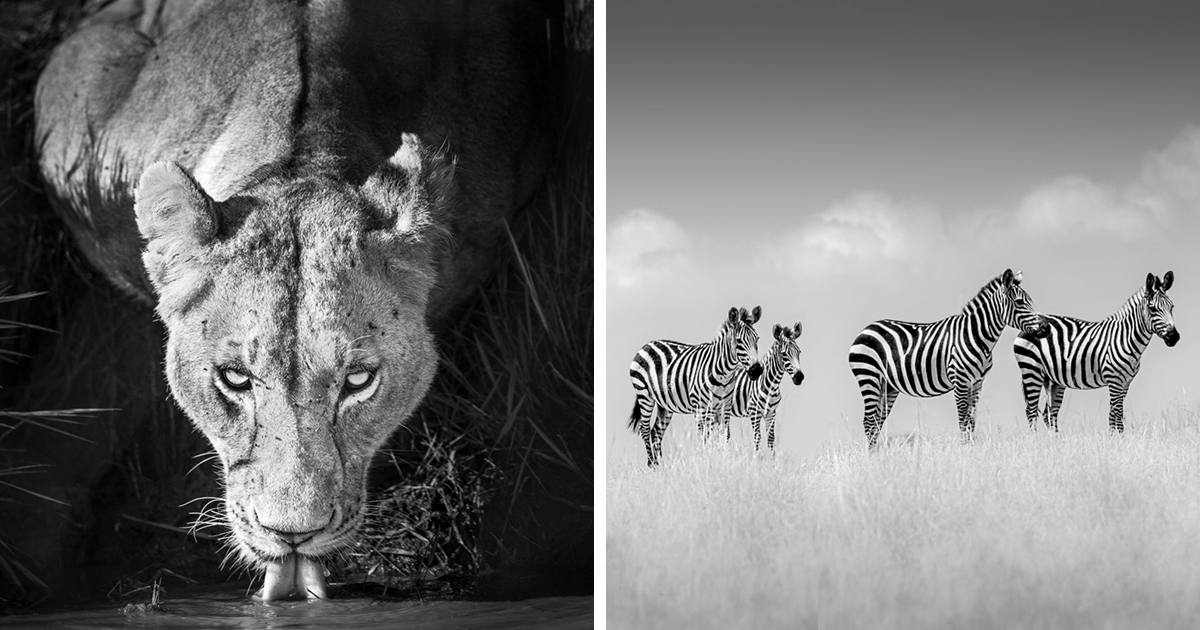
Wildlife photography begins with a dangerous thought: “I’ll just take one quick photo.” Then, somehow, you are crouched in wet grass at sunrise, whispering apologies to your socks, waiting for a bird to turn its head two degrees to the left. That was my leap into wildlife photographynot a graceful swan dive, more like a confused frog hop into a pond full of mosquitoes, muddy shoes, and unexpected wonder.
The title “My Leap Into Wildlife Photography: 20 Images Of Nature’s Beauty” sounds polished, as if I marched into the forest with a professional plan, a spotless camera bag, and the emotional stability of a National Geographic narrator. In reality, I started with curiosity, a camera, and the belief that squirrels would be easier to photograph than people. Squirrels, as it turns out, are tiny parkour athletes wearing fur coats.
But the more time I spent outside, the more I understood why wildlife photography attracts patient people, restless artists, bird nerds, conservationists, hikers, and anyone who has ever looked at a fox, heron, butterfly, deer, or dragonfly and thought, “Please hold still for exactly one second.” This is not only a photography hobby. It is a way of seeing nature more carefully, respecting wild animals more deeply, and discovering that beauty often appears when we stop barging through the world like we are late for a meeting with our own ego.
Why Wildlife Photography Feels Like Magic With Mud On Its Boots
Wildlife photography is the art of documenting animals in their natural environments without interrupting the lives they are already busy living. The best images are not forced. They are observed. They come from learning animal behavior, understanding light, waiting quietly, and accepting that nature does not care about your schedule, your battery percentage, or the fact that you woke up at 4:45 a.m. and packed snacks like a responsible adult.
Unlike studio photography, where the subject can be posed, wildlife photography runs on unpredictability. A deer may step into golden light for three seconds. A hawk may circle above a field and disappear behind the clouds. A turtle may choose the least photogenic rock in the pond and look proud of it. Each image becomes a little negotiation between preparation and luck.
That unpredictability is also what makes nature photography so addictive. A single morning can offer twenty tiny stories: dew on a spiderweb, a rabbit pausing near the trail, a blue jay making dramatic complaints from a branch, or a butterfly opening its wings like a stained-glass window. The photographer’s job is not to conquer the scene. The job is to notice it.
The 20 Images That Changed The Way I Saw Nature
While this article is inspired by a collection of 20 wildlife images, the real story is not just what appears in each frame. It is what each image teaches. A great wildlife photo can be technically sharp, beautifully composed, and perfectly lit, but it becomes memorable when it captures behavior, mood, habitat, or a relationship between the animal and the world around it.
1. The First Bird That Did Not Fly Away Immediately
The first image that felt like a victory was not exotic. It was a common bird perched on a fence post. The background was plain. The light was soft. The bird looked mildly suspicious, as if reviewing my qualifications. But it stayed. That moment taught me that wildlife photography does not require a safari on day one. Local parks, backyards, wetlands, city trails, and even ordinary sidewalks can become wildlife classrooms.
2. The Squirrel With Main Character Energy
Every beginner wildlife photographer eventually photographs a squirrel. This is not a failure. It is a rite of passage. Squirrels are fast, expressive, dramatic, and extremely committed to looking busy. One of my favorite images captured a squirrel sitting upright with a nut in its paws, staring into the distance as if contemplating the rising cost of acorns. It reminded me that personality matters in wildlife photography. A technically simple image can still sparkle if the subject has attitude.
3. The Dragonfly That Looked Like A Tiny Helicopter
Dragonflies are excellent teachers because they punish impatience instantly. They hover, dart, vanish, return, and then land somewhere slightly out of focus. Photographing one requires watching patterns. Many insects return to the same perch again and again. Once I stopped chasing and started observing, the image improved. The lesson was simple: nature often has rhythm. Find the rhythm, and your camera suddenly feels smarter.
4. The Deer At The Edge Of The Trees
One of the most peaceful images came from a deer standing between shadow and morning light. The scene worked because of distance. I did not approach. I stayed back, used a longer focal length, and let the animal behave naturally. Ethical wildlife photography depends on that restraint. If an animal changes its behavior because of you, you are probably too close. A beautiful photo is never worth causing stress, interrupting feeding, or pushing wildlife away from shelter.
5. The Heron That Made Patience Look Elegant
Herons are basically professional statues with wings. Watching one hunt along shallow water taught me more about timing than any camera manual. The bird moved slowly, then struck quickly. My first photos were blurry. My next photos were slightly less blurry. Eventually, one frame caught the poised curve of the neck and the reflection in the water. Wildlife photography is generous, but not instantly. It rewards those who keep trying after the first twelve images look like abstract paintings titled “Oops.”
What Beginners Learn Fast: Gear Helps, But Fieldcraft Matters More
There is a popular myth that wildlife photography begins with buying the biggest lens in the store. A telephoto lens is useful because it helps photographers keep a safe, respectful distance from animals, but gear alone does not create meaningful images. The better question is not “What camera do I need?” but “How can I get closer to the story without getting closer to the animal?”
Fieldcraft means understanding where wildlife lives, when animals are active, how light changes, and how your own movement affects the scene. Soft steps matter. Neutral clothing helps. Silence helps more. Learning to read animal behavior helps most of all. A raised head, sudden stillness, alarm call, or repeated glance in your direction may mean the subject is uncomfortable. Backing away is not missing the shot. It is becoming a better photographer.
Many wildlife photographers also learn to love early mornings and late afternoons. These periods often bring softer light and increased animal activity. Golden-hour light can turn ordinary grass into glowing silk and make a simple bird portrait feel cinematic. Midday light can still work, especially in shade or cloudy weather, but harsh overhead sun often creates strong shadows and washed-out colors. Nature does not provide studio lighting, but it does provide free drama if you arrive at the right time.
Composition: Turning An Animal Snapshot Into A Nature Story
A wildlife image becomes stronger when it shows more than the subject. Habitat matters. A fox in tall grass tells a different story than a tight portrait of its face. A frog on a lily pad, a hawk against storm clouds, or a butterfly surrounded by native flowers gives the viewer context. The environment explains how the animal lives.
One useful approach is to look for clean backgrounds. A cluttered branch behind a bird’s head can make even the most colorful subject look like it is wearing a confusing wooden hat. Moving a few steps left or right, when safe and ethical, can simplify the background. Lowering the camera angle can also help separate the subject from the ground and create a more intimate view.
Eye contact is powerful, but it is not the only option. A bird looking into open space can create mood. An animal walking away can suggest mystery. A close-up of feathers, tracks, scales, or fur can become a study in texture. Wildlife photography is not only about proving that you saw an animal. It is about sharing what it felt like to witness that moment.
Ethics: The Invisible Frame Around Every Wildlife Photo
The most important part of wildlife photography is not hidden in the camera menu. It is ethics. Responsible nature photography means keeping distance, avoiding nests and dens, not feeding animals, staying on marked trails when required, respecting local rules, and never baiting or harassing wildlife for a dramatic shot. The animal’s well-being comes first. The photo comes second. Social media applause comes somewhere around number 947, right below “remember to clean the lens cap.”
Bird photography requires special care. Nesting birds, owls, shorebirds, and migratory species can be especially vulnerable to disturbance. Getting too close may cause birds to abandon feeding, expose young to danger, or waste energy they need for survival. The same principle applies to mammals, reptiles, amphibians, and insects. A responsible photographer wants natural behavior, not panic behavior.
It is also wise to avoid sharing exact locations of sensitive species. A rare owl or delicate nesting area can attract crowds, and crowds can damage habitat quickly. Sometimes the most ethical caption is general: “wetland at sunrise,” “local woodland,” or “coastal marsh.” Mystery can be a conservation tool. Also, it makes you sound poetic, which is a free bonus.
How Wildlife Photography Supports Conservation
Wildlife photography can do more than decorate a wall or win likes online. Strong images help people care. A photo of a pollinator on a native flower can encourage habitat gardening. A picture of a turtle crossing a road can remind drivers to slow down in wetland areas. A series of camera-trap images can reveal which animals use a forest corridor when humans are not around.
Scientists and conservation groups use remote cameras to monitor wildlife populations, study behavior, and track activity across landscapes. These tools show that photography is not only artistic; it can also be scientific. The camera becomes a witness. It records patterns we might miss with our own eyes, especially when animals are nocturnal, shy, or spread across large habitats.
For everyday photographers, conservation can begin locally. Photograph native birds, insects, amphibians, and mammals. Learn their names. Notice which plants attract them. Support parks, refuges, and habitat restoration projects. The more familiar wildlife becomes, the harder it is to treat nature as background scenery.
Camera Settings That Saved My Sanity
Wildlife moves, usually at the exact moment you press the shutter. That is why beginners quickly learn the value of fast shutter speeds. Birds in flight, running mammals, and active insects often need quick exposures to freeze motion. For still subjects, slower speeds may work, especially with stabilization or a tripod. The trick is matching settings to behavior.
Continuous autofocus can help track moving animals. Burst mode can capture small changes in wing position, expression, or action. A wide aperture can blur the background and make the subject stand out, while a narrower aperture may be useful when photographing groups, habitat scenes, or animals with long bodies where more depth of field is needed.
But settings are only part of the recipe. Clean light, stable posture, thoughtful framing, and patience matter just as much. I have taken technically correct photos that felt lifeless and imperfect photos that felt alive. The best wildlife photography balances sharpness with emotion. A perfect histogram is nice. A frame that makes someone whisper “wow” is better.
The Emotional Side Of Photographing Wild Things
Wildlife photography changes your relationship with time. You begin to measure mornings by bird calls, not notifications. You notice weather differently. Fog becomes an opportunity. Rain becomes texture. Wind becomes both an artistic element and a personal enemy, especially when trying to photograph flowers, feathers, or anything weighing less than a sandwich crumb.
There is also humility in the process. You miss shots. A lot. The fox appears after you pack the camera. The eagle flies overhead while you are changing settings. The butterfly lands on your sleeve, which is adorable and photographically useless. But the missed shots teach attention. They remind you that the goal is not to control nature. The goal is to be present enough to receive what it offers.
20 Images, 20 Lessons From Nature’s Beauty
Looking back at the imagined set of 20 images, each frame represents a lesson. The bird on the fence taught me to start nearby. The squirrel taught me to appreciate humor. The dragonfly taught me patience. The deer taught me distance. The heron taught me timing. A bee on a flower taught me that small creatures carry big ecological stories. A frog half-hidden in pond weed taught me to scan slowly. A raccoon track in mud taught me that not every wildlife photo needs the animal in it.
A hawk silhouette taught me to use shape. A rabbit in tall grass taught me to lower my angle. A butterfly taught me to watch the wind. A turtle taught me that slow subjects still require respect. A woodpecker taught me to listen before looking. A field mouse taught me that luck favors quiet feet. A spiderweb taught me that nature’s architecture is wildly underrated. A gull taught me that common species can be elegant when the light is right.
The final images taught me the biggest lesson: wildlife photography is not about collecting trophies. It is about building attention. The more carefully we look, the more alive the world becomes.
Extra Field Notes: My Personal Leap Into Wildlife Photography
My first real attempt at wildlife photography began with overconfidence and ended with damp knees. I had read enough tips to believe I was prepared. I packed my camera, a water bottle, and the kind of optimism that usually appears before mild embarrassment. The plan was to photograph birds at a nearby park. The birds, apparently, had received no copy of this plan.
For the first hour, I photographed branches where birds had been three seconds earlier. I photographed blurry wings, empty sky, and one suspicious leaf that looked bird-shaped from a distance. At one point, I became very excited about what I thought was a rare bird, only to discover it was a plastic bag caught in reeds. Nature photography keeps the ego nicely trimmed.
Then something changed. I stopped marching around looking for action and sat quietly near a pond. After a few minutes, the park seemed to restart itself. Sparrows returned to the path. A turtle lifted its head from the water. A heron stepped from the reeds with the slow confidence of someone entering a fancy restaurant. I realized I had been treating wildlife photography like a treasure hunt, when it was closer to listening.
That morning gave me only a few usable images, but they felt valuable because they were earned through stillness. One photo showed the heron reflected in pale water. Another captured a sparrow holding a seed. A third was just sunlight on the shell of a turtle, but it reminded me how much detail exists when we stop rushing.
Since then, I have learned to prepare better. I check the weather, charge batteries, clean memory cards, and bring a cloth for the lens because nature enjoys sneezing mist onto glass. I research local species before visiting a place. Knowing which birds are likely to appear, where deer commonly feed, or when dragonflies are active makes the experience richer. It also helps me avoid disturbing animals by wandering too close to sensitive areas.
I have also learned that good wildlife photography does not always mean traveling far. Some of my favorite moments have happened close to home: a robin bathing in a puddle, a bee dusted with pollen, a squirrel performing acrobatics on a fence, a moth resting on a window screen like a tiny folded note from the night. Local nature is not second-class nature. It is the daily miracle we forget to notice.
The biggest change has been internal. Wildlife photography has made me slower in the best possible way. I now notice tracks in mud, feathers on trails, the direction of morning light, and the warning calls of birds. I have become the sort of person who says, “Look at that cloud texture,” which is socially risky but spiritually rewarding.
Most of all, this leap into wildlife photography has taught me respect. Every animal is busy surviving. Every habitat is a home. The photographer is only a guest, and a quiet guest gets invited into better moments. The best images of nature’s beauty are not stolen from the wild. They are received with patience, distance, and gratitude.
Conclusion: The Wild Is Closer Than We Think
“My Leap Into Wildlife Photography: 20 Images Of Nature’s Beauty” is really a story about learning how to see. Wildlife photography invites us to slow down, look closer, and value the living world without interrupting it. The camera may capture the image, but patience captures the experience.
For beginners, the path is simple: start local, learn your subjects, use ethical distance, pay attention to light, and accept that missed shots are part of the adventure. Nature is not a performance. It is a living, breathing world full of quiet scenes, funny characters, fierce survival, and beauty that refuses to fit neatly into our schedules.
And if you come home with muddy shoes, three mosquito bites, and one photo that makes your heart jump a little, congratulations. You are officially doing wildlife photography correctly.