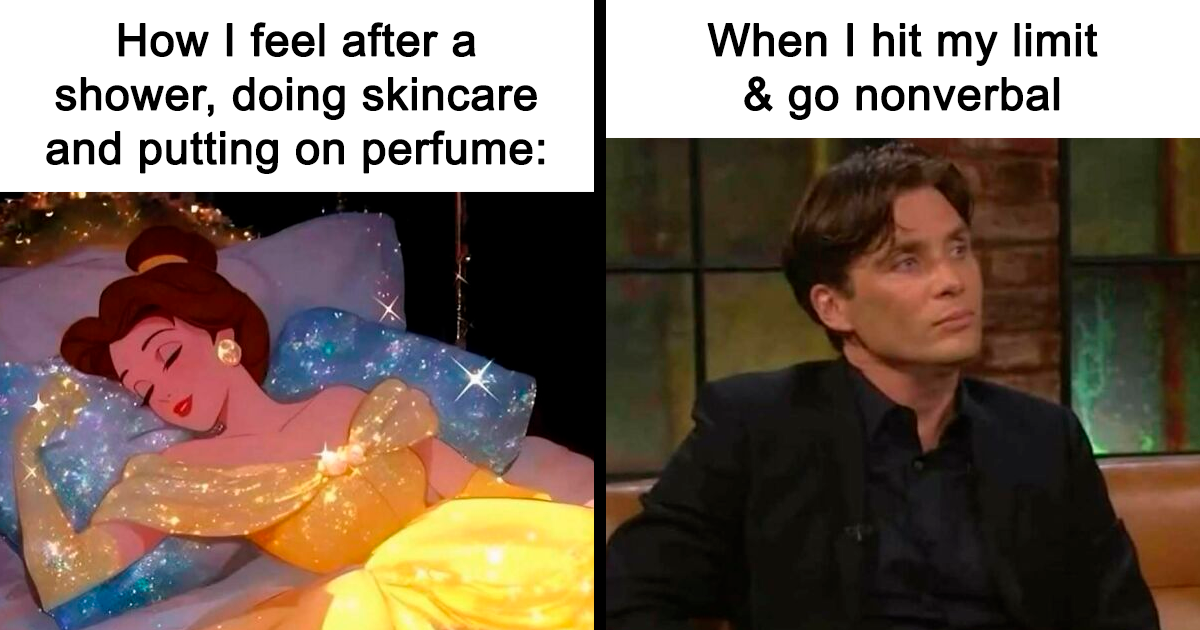
There are two kinds of people on the internet: people who say they are “just checking one meme” and people who are honest. Memes have become the tiny emotional snacks of modern lifequick, funny, oddly accurate, and dangerously easy to share. One minute you are opening your phone to answer a message; the next, you are sending your best friend a meme about being tired, hungry, socially unavailable, and somehow still expected to function like a well-oiled adult machine.
That is the magic behind the popularity of relatable and hilarious memes. They do not need a grand plot, a celebrity cameo, or a Hollywood budget. A good meme simply points at a familiar human experience and says, “See? It is not just you.” No wonder pages built around everyday humor can attract millions of fans. When nearly 12 million people gather around jokes about work stress, awkward conversations, overthinking, pets, food cravings, family chaos, and social exhaustion, it proves one thing: the internet may be messy, but at least it knows how to laugh at itself.
In this article, we will explore why relatable memes are so addictive, what makes them spread so fast, why they feel personal even when millions of people see them, and how they became one of the most powerful forms of online entertainment.
Why Relatable Memes Hit So Hard
Relatable memes work because they turn ordinary life into comedy. They take tiny momentslike pretending to understand instructions, opening the fridge for the fifth time, or mentally rehearsing a conversation from 2014and transform them into a shared joke. The humor is not always loud. Sometimes it is just painfully accurate.
A meme about needing “one quiet weekend” can feel more honest than a full diary entry. A meme about checking your bank account after buying one coffee can say more than a financial planning app ever could. Relatable memes are funny because they expose the small truths people usually keep tucked away under polite conversation.
They Make Everyday Problems Feel Less Lonely
One reason people love funny memes is that they create instant emotional recognition. You see a post about being tired after doing one minor task, and suddenly your entire personality has been professionally summarized by a blurry image and a caption. It is ridiculous. It is also comforting.
Humor has long been linked with coping, stress relief, and emotional connection. Online memes make that process faster. Instead of writing a long message that says, “I am overwhelmed, but trying to stay cheerful,” you can send a meme of a raccoon looking confused near a trash can and your friend will understand completely.
They Speak Fluent Internet
Memes are not just jokes; they are a language. A reaction image can replace a paragraph. A caption can carry sarcasm, exhaustion, joy, embarrassment, and mild panic all at once. This is why memes feel so efficient. They compress emotion into a format that is quick to read, easy to share, and instantly recognizable.
That is also why relatable memes spread across platforms like Instagram, Facebook, Reddit, TikTok, X, and group chats. They are portable little comedy files. They can survive screenshots, reposts, remixes, edits, and captions that get funnier every time someone adds their own twist.
What Makes a Meme Truly Relatable?
Not every meme becomes a favorite. Some jokes pass by like a leaf in the wind. Others punch you directly in the personality. The difference usually comes down to a few ingredients: timing, simplicity, emotional accuracy, and a little bit of exaggeration.
1. It Describes a Universal Feeling
The best relatable memes focus on experiences many people recognize. Being late. Feeling broke. Avoiding phone calls. Loving sleep. Overthinking a text. Pretending to be productive. Getting excited about food. These are not niche topics; they are part of the human operating system.
When a meme captures one of these feelings clearly, it becomes shareable because people immediately think of someone else. That is the secret engine of meme culture: “This is so me” quickly becomes “This is so you.”
2. It Uses Exaggeration Without Losing Truth
Memes often exaggerate reality, but the exaggeration works because the core feeling is real. You probably will not literally collapse after receiving one mildly formal email, but if the meme shows a dramatic movie scene captioned as your reaction to “Can we talk?”, the joke lands because the emotional math checks out.
This is why meme humor can feel both silly and sharp. It is not trying to be realistic in every detail. It is trying to be emotionally correct.
3. It Arrives at the Right Moment
Timing matters. A Monday morning meme about needing another weekend will perform better than the same joke on a random Thursday night. A holiday meme about family questions becomes funnier right before Thanksgiving. A meme about inflation, streaming subscriptions, or grocery prices feels more relevant when people are actively talking about those topics.
Relatable memes often succeed because they match the mood of the moment. They do not just entertain people; they join the conversation already happening in everyone’s head.
Popular Types of Relatable and Hilarious Memes
Relatable meme pages usually thrive because they serve a wide menu of everyday humor. Think of them as emotional buffets, except instead of pasta salad, you get jokes about anxiety, snacks, pets, and being socially tired.
Work and Productivity Memes
Work memes are popular because almost everyone understands the strange theater of being professional. There are memes about pretending to look busy, surviving meetings that could have been emails, and opening a laptop with the enthusiasm of a haunted Victorian ghost.
These memes are funny because they give people a harmless way to laugh at workplace pressure. They also reveal how common burnout, distraction, and “calendar fatigue” can feel in modern life.
Food and Snack Memes
Food memes are a category of their own. They celebrate late-night cravings, emotional support fries, suspiciously fast snack disappearances, and the sacred act of checking the fridge even though nothing new has appeared since three minutes ago.
Food humor works because it is simple and universal. Everyone eats. Many people snack. Most people have, at some point, made a dramatic life decision based on whether there was cheese in the house.
Pet Memes
Pet memes are internet royalty. Cats looking offended, dogs acting like unpaid therapists, birds causing tiny chaos, and raccoons behaving like masked grocery bandits all have a special place in meme history.
Animal memes succeed because they combine cuteness with human interpretation. A cat sitting in a box becomes a symbol of stubbornness. A dog staring into space becomes the face of existential confusion. Pets do not know they are being relatable, which somehow makes them even more relatable.
Relationship and Friendship Memes
Friendship memes often celebrate the weird beauty of close bonds: sending ten memes instead of one message, making plans and then mutually hoping they get canceled, or understanding a friend’s mood from a single punctuation mark.
Relationship memes can be sweet, sarcastic, awkward, or brutally honest. The best ones avoid cruelty and focus on shared experiencescommunication, comfort, mismatched habits, and the comedy of loving someone who loads the dishwasher like they are solving a crime.
Introvert and Social Anxiety Memes
Introvert memes are wildly popular because they make social exhaustion funny without making it shameful. They joke about needing recovery time after one event, avoiding unexpected calls, or celebrating canceled plans like a national holiday.
The appeal is not just comedy. These memes give people language for boundaries, energy levels, and the difference between loneliness and simply wanting peace, pajamas, and zero surprise visitors.
Why Millions of People Follow Meme Pages
Following a meme page is not just about collecting laughs. It is about building a daily ritual. People open social media and expect a quick mood boost. A funny meme page offers a reliable stream of “same here” moments, and that consistency is powerful.
Large meme communities also feel social. Even when users do not post comments, they participate by liking, sharing, tagging friends, or saving posts for later. A meme can become a tiny social bridge between people who are too busy, too tired, or too awkward to write a full conversation.
Memes Are Easy to Share
A major reason memes spread is convenience. Sharing a meme takes seconds. It requires almost no effort, but it can still communicate affection, humor, sympathy, or playful judgment. Sending a meme that says “this is us” can be warmer than a formal check-in.
Memes also move smoothly across platforms. A joke may begin on one app, jump to another, appear in a group chat, get remixed, and then return with new meaning. This remix culture keeps memes alive longer than ordinary posts.
Memes Create Micro-Communities
When people gather around a style of humor, they form a loose community. Fans of sarcastic memes, wholesome memes, chaotic memes, parenting memes, student memes, or animal memes all recognize certain patterns and inside jokes.
That community feeling matters. The internet can be overwhelming, but meme pages often create pockets of shared laughter. They are not perfect digital neighborhoods, but they can feel like a familiar corner of the web where everyone agrees that life is weird and snacks help.
The Psychology Behind Meme Humor
At first glance, memes look simple. A picture. A caption. A laugh. Done. But behind that simplicity is a surprisingly complex mix of psychology, culture, and communication.
Recognition Creates Reward
When you understand a meme instantly, your brain gets a little reward. The joke feels satisfying because you connect the image, text, and context quickly. This is why memes built on familiar situations spread faster than jokes that require too much explanation.
In comedy, timing is everything. In memes, compression is everything. A great meme delivers setup and punchline almost at once.
Shared Humor Builds Connection
Laughing at the same meme can make people feel closer. It signals shared taste, shared frustration, or shared life experience. This is why memes are often used in friendships and relationships as low-pressure communication.
Sometimes a meme says, “I miss you.” Sometimes it says, “This reminded me of you.” Sometimes it says, “We are both disasters, but at least we are funny disasters.” That emotional flexibility is part of the reason memes have become so central to online conversation.
Memes Help People Process Stress
Many relatable memes are built around stress: money stress, school stress, work stress, family stress, social stress, and the classic stress of having too many browser tabs open both digitally and emotionally.
By turning stress into humor, memes can make heavy feelings feel lighter for a moment. They are not a replacement for real support, but they can offer a quick breath of relief. Sometimes laughing at the absurdity of life is the first step to getting through the day without turning into a decorative couch pillow.
How Meme Culture Changed Online Entertainment
Memes have changed the way people consume entertainment. In the past, jokes often came from comedians, television shows, comic strips, or movies. Today, anyone with a phone and a sharp observation can create a post that travels around the world.
This shift made humor more participatory. People do not just watch jokes; they edit them, remix them, caption them, and send them to friends. Meme culture turned the audience into co-creators.
From Viral Jokes to Cultural Commentary
Memes can be silly, but they can also comment on real social trends. A meme about rising rent, confusing technology, or workplace culture can capture public frustration faster than a long essay. That does not mean memes replace serious analysis, but they often reveal what people are quietly thinking.
In that way, memes act like tiny cultural snapshots. They show what people are annoyed by, excited about, afraid of, confused by, and laughing through.
Why Brands Want Meme Energy
Businesses have noticed that memes get attention. A funny, well-timed meme can make a brand feel human. But there is a catch: people can smell forced humor through the screen. When brands chase every trend without understanding it, the result can feel like a dad using teen slang at a school dancebrave, but painful.
The best branded memes work when they match the brand’s voice and respect the audience’s intelligence. The worst ones try too hard. Meme culture rewards authenticity, timing, and self-awareness. It is not enough to slap text on a picture and hope the internet applauds.
What These Memes Say About Us
The popularity of relatable memes says a lot about modern life. People are busy, stressed, connected, distracted, and constantly looking for small moments of joy. Memes fit perfectly into that reality because they are short, emotional, and portable.
They also show that humor is one of the ways people make sense of uncertainty. When the world feels complicated, a simple joke about forgetting why you walked into a room can feel wonderfully grounding. It reminds us that even with all our technology, plans, responsibilities, and passwords we absolutely cannot remember, we are still very human.
How to Enjoy Meme Culture Without Getting Lost in the Scroll
Memes are fun, but the endless scroll is a sneaky little goblin. One meme becomes twenty. Twenty becomes “How is it midnight?” So it helps to enjoy memes intentionally.
Follow pages that make you feel better, not worse. Share jokes that are funny without being cruel. Avoid turning every serious issue into a punchline. And when your brain starts feeling like a browser with 47 tabs open, it may be time to put the phone down and go experience one non-pixelated object in the real world. A tree, perhaps. Very high resolution.
Personal Experiences and Everyday Moments That Make These Memes So Funny
The reason relatable memes feel so powerful is that they are usually built from tiny experiences we all recognize. You do not need to be a comedy expert to understand them. You only need to have lived through a Monday, opened an empty fridge with hope in your heart, or said “I’m fine” while your brain was running a full disaster simulation.
Think about the experience of getting a message that says, “Can I ask you something?” Nothing has happened yet, but your nervous system has already packed a suitcase and moved to another country. A meme about that moment is funny because it captures the dramatic gap between reality and reaction. The message might be harmless. Maybe someone wants your opinion on pizza toppings. But emotionally, the suspense feels like the season finale of a crime show.
Another classic experience is the social plan that sounds great when you make it and impossible when the day arrives. On Tuesday, brunch with friends feels delightful. By Saturday morning, your blanket has filed legal custody papers. Relatable memes about canceled plans succeed because they tell the truth: people can love their friends deeply and still want to remain horizontal for the next six business hours.
Food memes are another perfect example. Almost everyone has experienced the false confidence of saying, “I’ll save this for later,” while holding a snack that absolutely will not survive the next ten minutes. The meme version might show a person looking innocent beside an empty bag of chips. It is funny because it is not really about chips. It is about human optimism losing a wrestling match to appetite.
Work and school memes hit the same nerve. Many people know the feeling of staring at a task, waiting for motivation to arrive like a dramatic hero on horseback. Instead, motivation sends no message, productivity leaves the group chat, and suddenly reorganizing your desk feels like a vital emergency. A good meme turns that procrastination spiral into a joke, making people feel seen rather than judged.
Pet memes feel personal for a different reason. Anyone who has lived with a cat, dog, or other tiny household monarch knows animals have their own mysterious management style. A dog may look at you like you are the greatest person alive because you returned from taking out the trash. A cat may knock something off a table while maintaining eye contact like a tiny villain in a luxury fur coat. These moments become memes because pets accidentally perform human emotions better than humans do.
Even family memes have a special kind of truth. There is the relative who asks personal questions at the worst possible moment, the parent who uses speakerphone like a public announcement system, and the group chat that becomes active only when you are trying to concentrate. These jokes work because family life is full of love, chaos, and conversations that somehow begin with dinner and end with someone explaining how to reset the Wi-Fi router.
What makes these experiences meaningful is not that they are huge. It is that they are shared. Relatable memes take the small awkward pieces of daily life and polish them into comedy. They remind us that nobody is as organized, calm, or normal as they pretend to be online. Everyone is improvising. Everyone has weird habits. Everyone has overreacted to a text, lost a sock, forgotten a password, or opened their camera accidentally from an extremely disrespectful angle.
That is why millions of people love these memes. They are not just laughing at a post. They are laughing at themselves, their friends, their routines, and the strange little patterns that make modern life both exhausting and hilarious. A meme may only take three seconds to read, but when it lands perfectly, it can brighten a whole day. And honestly, in a world where coffee costs too much and passwords require hieroglyphic-level creativity, we should accept every clean laugh we can get.
Conclusion
Relatable and hilarious memes are more than quick jokes. They are tiny cultural mirrors that reflect how people feel, communicate, complain, celebrate, and connect online. Their popularity comes from a simple truth: people love seeing their everyday experiences turned into comedy. Whether the joke is about work, food, pets, friendships, introversion, or emotional chaos, a great meme gives us the pleasure of recognition.
Nearly 12 million people can love a meme page because memes are built for modern attention spans and modern emotions. They are fast, funny, flexible, and surprisingly meaningful. In a noisy digital world, the best memes offer a small but valuable gift: a laugh that says, “You are not the only one.” And sometimes, that is exactly what people need between emails, errands, and wondering why they walked into the kitchen again.