Asking a girl to dance can feel like trying to defuse a glitter-covered social bomb. Your palms get sweaty, the music suddenly sounds louder, and your brain decides this is the perfect moment to forget every normal sentence you have ever spoken. Good news: asking someone to dance does not require movie-star confidence, a rose between your teeth, or choreography learned from a 1980s music video.
The secret is simple: be polite, be clear, respect her answer, and make the invitation feel easy to accept or decline. Whether you are at a school dance, wedding reception, salsa night, country bar, club, ballroom social, or a friend’s party, the best approach combines confidence with kindness. A dance invitation should feel like an opportunity, not a trapdoor.
This guide breaks down 8 ways to ask a girl to dance, with practical examples, timing tips, body language advice, and real-world experience. You will learn how to ask naturally, avoid awkward pressure, and make the moment comfortable for both of you. Because yes, dancing can be romantic, fun, goofy, elegant, or all of the abovebut it should always begin with respect.
Why the Way You Ask Matters
Before we jump into the eight methods, let’s clear something up: asking someone to dance is not just about the words. It is about timing, tone, confidence, personal space, and emotional intelligence. A smooth invitation can make her feel seen and respected. A pushy invitation can make her want to move three ZIP codes away.
In social dancing, the best etiquette is based on consent and comfort. That means you ask clearly, wait for a real answer, accept “no” gracefully, and never grab someone’s hand or pull her to the floor without permission. A dance is shared, not collected like a coupon at the grocery store.
Also, remember that rejection is not a disaster. She may be tired, waiting for someone, not in the mood, uncomfortable with the song, or simply taking a break. None of that means you are doomed. It just means you asked, she answered, and the planet continues spinning.
1. Use the Classic Direct Ask
Sometimes the old-school approach is still the best. A simple, confident question can work beautifully because it is clear, respectful, and low-drama.
What to say
Try one of these:
- “Would you like to dance?”
- “May I have this dance?”
- “Do you want to dance with me?”
- “Care to dance?”
The key is to say it with a friendly smile, relaxed posture, and normal volume. Do not mumble into your shoes. Do not shout like you are announcing a boxing match. Just ask like a person inviting another person to enjoy a song.
Why it works
The classic direct ask works because it gives her a clear choice. There is no guessing game, no confusing hint, and no awkward hover. It also shows confidence without being aggressive. You are not demanding a dance; you are offering one.
Best situation for this method
Use this at weddings, formal events, school dances, ballroom socials, salsa nights, swing dances, or anywhere dancing is already expected. If people are already on the dance floor, your invitation will feel natural.
2. Ask with a Friendly Compliment
A genuine compliment can warm up the invitation, but it must be respectful. Compliment her energy, style, smile, or dancingnot her body in a way that feels too personal. The goal is charm, not a police report.
What to say
Try:
- “You look like you’re having fun. Would you like to dance?”
- “You have great energy. Want to join me for this song?”
- “I like your vibe. Would you like to dance?”
- “You seem like someone who knows how to enjoy a good song. Want to dance?”
Why it works
This approach feels personal without becoming intense. It tells her why you are asking and makes the invitation feel lighter. A compliment also helps break the ice when you do not know her well.
What to avoid
Avoid comments that sound overly physical or rehearsed. “Your body was made for dancing” is not smooth; it sounds like something a cursed fortune cookie would say. Keep the compliment simple, clean, and sincere.
3. Match the Mood of the Song
Music creates the moment. A slow song, fast song, line dance, salsa track, or throwback pop anthem all call for slightly different invitations. Matching your ask to the song makes it feel natural.
What to say
For a slow song:
- “Would you like to dance to this one?”
- “This is a good slow song. Want to dance?”
For an upbeat song:
- “This song is too good to waste. Want to dance?”
- “Come on, this one deserves a dance floor moment.”
For a group-friendly song:
- “A few of us are dancingwant to join?”
- “We’re all heading out there. Want to come with us?”
Why it works
This method removes pressure because the focus is on the song, not just on you. It gives the invitation a reason. Instead of “dance with me because I am asking,” it becomes “this song is fun, and we could enjoy it together.” Much better. Much less dramatic.
4. Use Humor to Make It Easy
Humor is a powerful tool when used lightly. It can relax both of you and make the invitation feel playful. The trick is to be funny without putting her on the spot or making yourself sound desperate.
What to say
Try:
- “Would you like to dance? Warning: I know approximately three moves, but I use them with confidence.”
- “Want to dance? I promise not to attempt anything that requires medical insurance.”
- “This song needs us. Mostly you, but I can help.”
- “Would you like to dance, or should I continue pretending I’m here for the snacks?”
Why it works
Humor lowers the stakes. It tells her you are not taking yourself too seriously, which can be refreshing. Many people feel self-conscious about dancing, so a light joke can make the moment feel safer and more fun.
When not to use humor
If she seems serious, shy, distracted, or already uncomfortable, keep it simple. Humor should never feel like a performance she is forced to applaud. Read the room. If the room is not laughing, do not launch a comedy tour.
5. Ask from a Respectful Distance
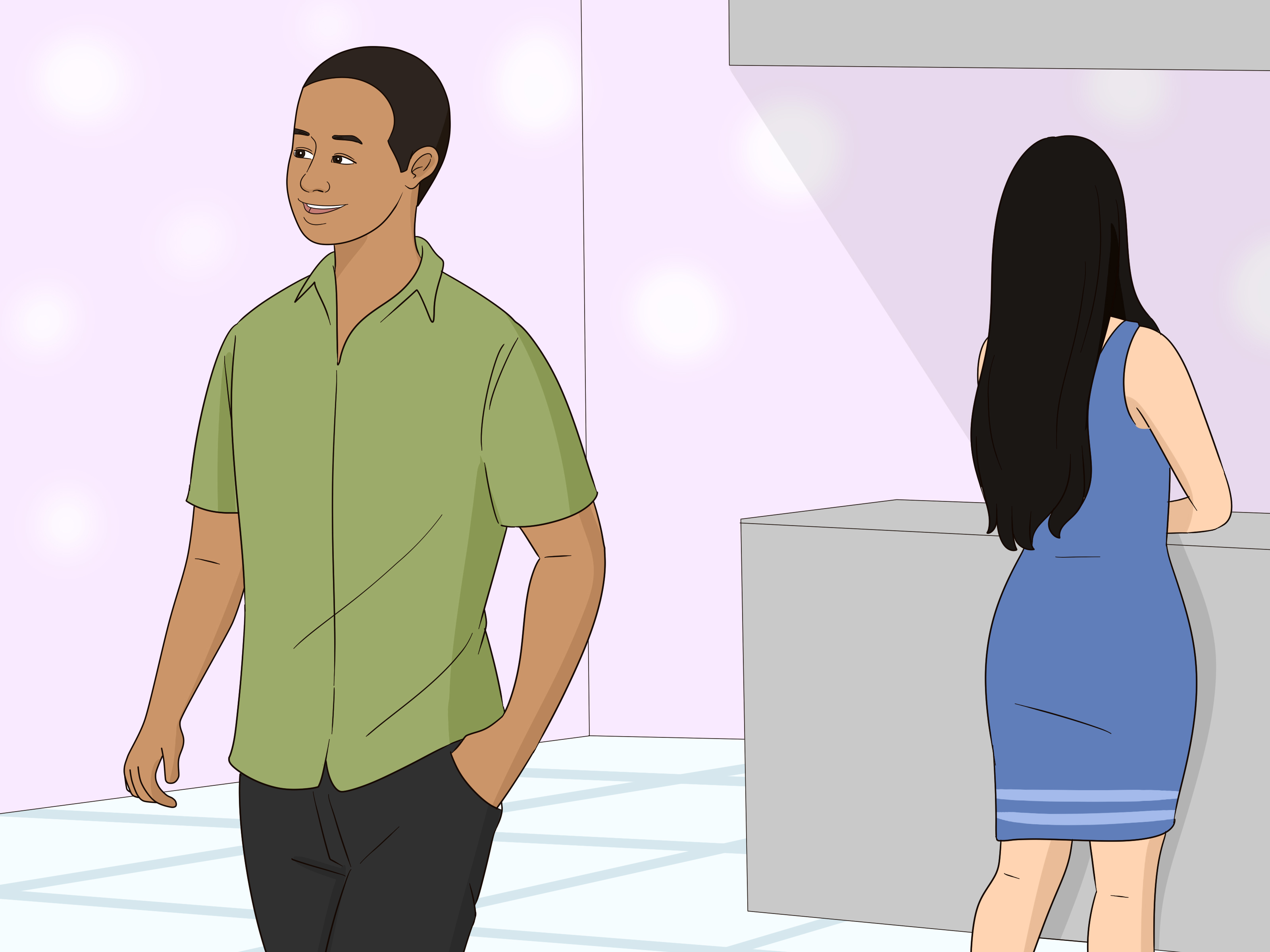
How you approach matters as much as what you say. Walk up from the front or side where she can see you, stop at a comfortable distance, make eye contact, and ask clearly. Do not sneak up behind her. Do not lean into her personal space. Do not hover silently like a mysterious coat rack.
What to say
Simple is best:
- “Hi, would you like to dance?”
- “Hey, I’m going to dance to this one. Want to join me?”
- “Would you be interested in dancing?”
Why it works
A respectful approach communicates safety. It shows that you are aware of her comfort and not trying to pressure her. This is especially important if you do not know her well.
Body language tips
Keep your shoulders relaxed. Smile naturally. Avoid crossing your arms, staring too intensely, or blocking her path. If she says yes, you can offer your hand, but do not assume she wants to take it. If she starts walking with you, great. If she reaches for your hand, also great. Let the moment breathe.
6. Invite Her into a Group Dance First
If asking for a one-on-one dance feels too intense, start with a group setting. Group dances are less intimidating because the spotlight is shared. This is a great option at school dances, parties, weddings, clubs, and casual events.
What to say
Try:
- “We’re all going to dance. Want to come?”
- “A bunch of us are heading to the floor. Join us?”
- “This song is perfect for a group dance. Want in?”
- “Come dance with usno professional skills required.”
Why it works
A group invitation feels casual and low-pressure. She does not have to decide whether she wants a romantic or personal dance with you. She can simply join the fun. If the group energy is good, a one-on-one dance may happen naturally later.
How to make it smooth
Do not use the group as a trick. If you invite her to a group dance, actually include her in the group. Avoid immediately separating her from everyone unless she clearly seems interested. Let comfort build naturally.
7. Ask Right Before the Next Song Starts
Timing can make your dance invitation feel much smoother. One smart moment to ask is near the end of a song or right as a new one begins. That way, if she says yes, you are not awkwardly stepping onto the floor halfway through a track when everyone else already knows the rhythm and you are still finding your left foot.
What to say
Try:
- “Would you like to dance to the next song?”
- “If the next one is good, want to dance?”
- “Want to dance after this song?”
- “Next song, you and me?”
Why it works
Asking for the next song gives her a moment to decide. It also avoids interrupting her mid-conversation or dragging her away from something she is already doing. It sounds confident but patient.
Best timing tip
If she is talking with friends, wait until there is a natural pause or until she makes eye contact. Interrupting a deep conversation to ask for a dance can feel rude, even if your intentions are good. Timing is part of charm.
8. Accept Her Answer Like a Gentleman
This may be the most important “way” to ask a girl to dance: ask in a way that makes “no” safe. A respectful invitation is not complete until you handle the answer well.
If she says yes
Smile and keep it easy:
- “Great.”
- “Awesome, let’s go.”
- “Nice, this should be fun.”
Lead her to the floor without rushing. During the dance, pay attention to her comfort. Do not grip too tightly, force complicated moves, or treat the dance floor like your personal audition for a talent show.
If she says no
Respond with grace:
- “No worries. Enjoy your night.”
- “Totally fine. Maybe another time.”
- “All good. Thanks anyway.”
Then leave politely. Do not ask “Why not?” Do not negotiate. Do not stand there looking wounded like a dramatic painting in a museum. A graceful response protects her comfort and your dignity.
What Not to Do When Asking a Girl to Dance
Now that we have covered good approaches, let’s talk about the common mistakes. Avoid these and you will already be ahead of many people who think “confidence” means “ignoring social cues.”
Do not grab her hand
Never pull someone onto the dance floor without asking. Even if the music is loud, use eye contact, a clear gesture, and a verbal invitation if possible. Consent still matters when the bass is shaking the napkins.
Do not pressure her after she says no
One “no” is enough. Asking again immediately can make her uncomfortable. If she says she is resting, believe her. If she says maybe later, let her decide whether later happens.
Do not insult yourself too much
A little humor is fine, but do not lead with, “I’m terrible, you’ll hate this, I’m probably embarrassing.” That makes her responsible for reassuring you before the dance even starts. Confidence does not mean perfection; it means being comfortable enough to try.
Do not show off at her expense
If she says yes, match her skill level. A dance is not the time to prove you can spin someone into another county. Keep the moves simple until you know she is comfortable.
How to Read Her Body Language Before Asking
Body language is not a magic code, but it can help you decide whether the moment is right. If she is smiling, making eye contact, moving to the music, or already near the dance floor, she may be more open to an invitation. If she is turned away, deep in conversation, checking her phone, looking tired, or avoiding eye contact, wait or ask someone else.
Do not overanalyze every eyebrow movement like you are solving a detective case. Just use common sense. A good invitation should feel welcome, not ambush-like.
How to Ask If You Are Shy
If you are shy, start small. You do not need a perfect speech. Pick one short sentence and practice it before the event:
- “Would you like to dance?”
- “Want to dance to this song?”
- “Would you like to join me for the next one?”
That is enough. You can even make the invitation more casual by asking during an upbeat song or in a group setting. Remember, courage is not the absence of nerves. Courage is being nervous and still acting like a decent human being with rhythm.
How to Make the Dance Enjoyable After She Says Yes
Getting the yes is not the finish line. Once you are dancing, your job is to help create a fun, comfortable experience.
Keep it simple at first
Start with basic steps. If she seems comfortable, you can add a turn or playful move. If she seems unsure, simplify. A smooth basic dance is better than a chaotic advanced one.
Pay attention
Watch her facial expressions and posture. If she laughs and relaxes, great. If she stiffens, pulls back, or looks uncomfortable, give her more space and slow down.
Thank her afterward
At the end, say, “Thank you, that was fun,” or “Thanks for the dance.” It is simple, classy, and appreciated. Then let her return to her friends without making the ending awkward.
Experience Section: Real-Life Lessons About Asking a Girl to Dance
Most people imagine that asking a girl to dance is one dramatic moment: spotlight, slow-motion eye contact, swelling music, and somehow everyone in the room knows this is your grand romantic chapter. Real life is usually less cinematic. There may be a loud DJ, sticky shoes, a cousin doing questionable dance moves nearby, and your brain yelling, “Abort mission!” That is exactly why experience matters.
One of the most useful lessons is that simple always beats complicated. Many guys overthink the invitation and try to create the perfect line. They wait for the perfect song, perfect lighting, perfect confidence, and perfect opening. By the time all those stars align, the event is over and someone is stacking chairs. A clear “Would you like to dance?” often works better than a speech that sounds like it was written by a nervous poet in a tuxedo.
Another lesson is that timing changes everything. Asking when she is laughing with friends near the dance floor feels natural. Asking when she is eating, texting, fixing her shoe, or having an emotional conversation beside the dessert table is less ideal. A respectful person notices what is happening before making a move. That does not mean you need to become a professional body language expert; it means you should pause long enough to ask, “Does this seem like a good moment?”
Experience also teaches that rejection is not as painful as people fear. The awkward part is usually not the “no”it is what happens after. If you respond calmly, the moment passes quickly. If you panic, complain, or keep asking, you create the awkwardness yourself. A graceful “No worries, enjoy your night” can actually make you look more confident. Strange but true: handling a no well can be more impressive than getting a yes.
There is also a big difference between confidence and performance. Confidence says, “I would enjoy dancing with you, and I’m okay with your answer.” Performance says, “Please validate my entire personality in the next eight seconds.” Girls can often feel that difference. The more comfortable you are with either outcome, the easier the invitation feels.
Finally, the best dance invitations are generous. You are not asking to win, impress, dominate, or prove something. You are asking to share three minutes of music. Maybe it becomes romantic. Maybe it becomes funny. Maybe you both discover you have the same two dance moves and create a tiny, joyful disaster. That is fine. The point is not perfection. The point is connection, respect, and a little courage wearing nicer shoes than usual.
Conclusion
Learning how to ask a girl to dance is really learning how to be confident, respectful, and socially aware at the same time. The best invitations are clear, friendly, and pressure-free. You can ask directly, use a light compliment, match the mood of the song, add humor, invite her into a group dance, or ask about the next song. However you do it, remember the golden rule: make it easy for her to say yes and safe for her to say no.
Dancing should feel fun, not forced. Approach with a smile, respect personal space, accept her answer gracefully, and focus on making the experience enjoyable. You do not need perfect moves. You need good manners, a little timing, and enough courage to ask. And if your dance skills are still under construction? Congratulationsyou are human. Keep it simple, stay kind, and let the music do some of the heavy lifting.