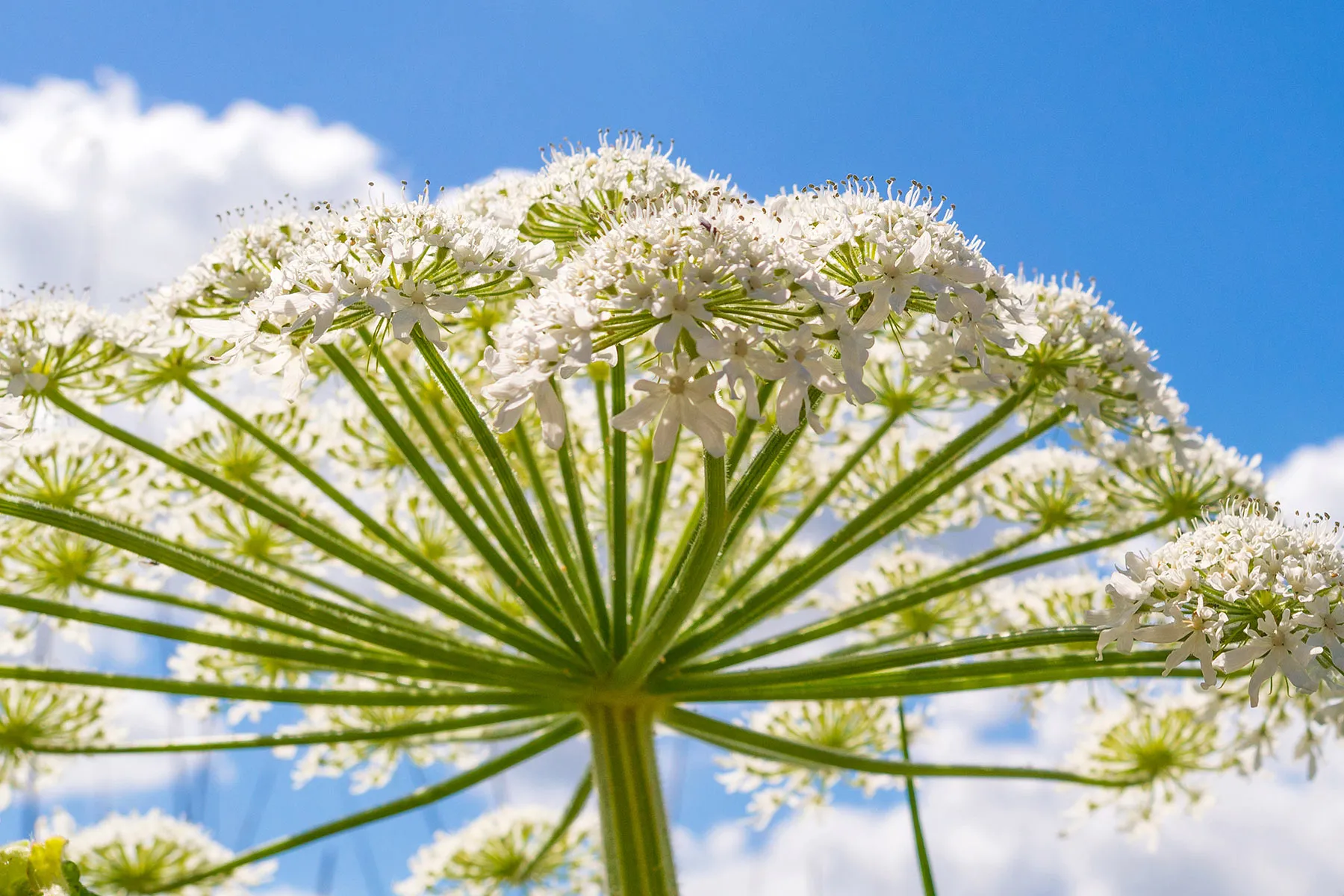
Giant hogweed sounds like something that should be guarding a bridge in a fantasy novel, not growing beside a stream near someone’s backyard. Unfortunately, this enormous invasive plant is very real, very dramatic, and very bad at respecting personal space. Known scientifically as Heracleum mantegazzianum, giant hogweed is famous for its towering height, giant umbrella-shaped white flowers, purple-blotched stems, and sap that can make skin dangerously sensitive to sunlight.
The good news? You do not need to panic every time you see a tall white-flowered plant. The better news? With the right identification tips and poison management steps, you can protect yourself, your family, your pets, and your property without turning into a backyard action hero in a rain suit. This guide explains how to identify giant hogweed, where it grows, why its sap is harmful, what to do after exposure, and how to report or manage it safely.
What Is Giant Hogweed?
Giant hogweed is a large invasive plant in the carrot family, the same broad family that includes Queen Anne’s lace, cow parsnip, wild parsnip, and poison hemlock. That family reunion is not exactly relaxing, because several members look similar from a distance and some can cause unpleasant skin reactions. Giant hogweed, however, is the show-off cousin: huge, flashy, phototoxic, and absolutely not invited to the picnic.
Native to the Caucasus region of Eurasia, giant hogweed was introduced to North America as an ornamental plant. Gardeners once admired its giant size and dramatic flower heads. Then everyone realized the plant was not just “bold landscape architecture” but an invasive species capable of spreading into moist areas, crowding out native vegetation, and creating a serious public health problem.
In the United States, giant hogweed has been reported in several states, especially in the Northeast and parts of the Midwest and Pacific Northwest. Because it is regulated in many places, sightings should usually be reported to a state invasive species office, department of agriculture, conservation agency, extension service, or noxious weed control program. Translation: do not grab a shovel and declare yourself the Hogweed Sheriff until you know your local rules.
Why Giant Hogweed Is Dangerous
The danger comes from the plant’s sap. Giant hogweed sap contains furanocoumarins, chemical compounds that interfere with the skin’s natural protection against ultraviolet light. When sap gets on skin and that skin is exposed to sunlight, the result can be phytophotodermatitis, a painful inflammatory reaction that may include redness, swelling, blistering, dark pigmentation, and long-lasting sun sensitivity.
This reaction is not the same as a simple scratch or ordinary rash. The sap itself is the setup; sunlight is the trigger. That is why someone may touch the plant, feel fine at first, and then develop symptoms later after going outdoors. Moisture and heat can worsen the reaction, which means sweat, dew, and a sunny summer afternoon can turn a small mistake into a much bigger problem.
Eye exposure is especially serious. Sap in the eyes can cause severe irritation and may threaten vision, so flushing with water and getting medical care quickly is important. This is one reason experts strongly advise against cutting, trimming, mowing, or weed-whacking giant hogweed. Power tools plus toxic sap equals a very bad sprinkler system.
How to Identify Giant Hogweed
Correct identification is the first step in safe poison management. Many plants have white flower clusters, and not every tall roadside plant is giant hogweed. However, giant hogweed has a combination of features that make mature plants easier to recognize.
1. Height: It Can Be Enormous
Mature giant hogweed can grow roughly 8 to 14 feet tall, and some plants may reach even higher under ideal conditions. If the plant is taller than a basketball hoop and looks like Queen Anne’s lace after joining a gym, pay attention. Young plants are smaller, which makes them harder to identify, but mature flowering plants are usually striking.
2. Stems: Hollow, Thick, Hairy, and Purple-Blotched
The stem is one of the most useful identification clues. Giant hogweed stems are hollow, rigid, and often 2 to 4 inches wide. They usually have coarse white hairs and distinctive purple blotches or reddish-purple spots. The purple blotches are important because some similar native plants, such as cow parsnip, may be hairy and tall but generally lack the same bold purple-blotched pattern.
3. Leaves: Huge, Jagged, and Deeply Cut
Giant hogweed leaves can be enormous, sometimes up to 5 feet across. They are deeply lobed, sharply toothed, and dramatic enough to look like they belong in a dinosaur salad bar. The leaf edges are jagged rather than delicate or feathery. This helps separate giant hogweed from Queen Anne’s lace, which has much finer, fern-like leaves.
4. Flowers: Large White Umbels
When giant hogweed flowers, it produces huge umbrella-shaped clusters of small white flowers. These flower heads, called umbels, can be up to about 2.5 feet across. Flowering typically occurs from late spring into mid-summer, depending on location and weather. The size of the flower head is a major clue, but do not rely on flowers alone because several related plants also produce white umbels.
5. Habitat: Moist, Sunny, and Disturbed Areas
Giant hogweed often grows in moist places such as stream banks, river edges, ditches, forest openings, roadsides, fields, and disturbed areas. It likes rich, damp soil and enough light to grow aggressively. If you see a huge purple-blotched plant near a creek, it deserves careful attention from a safe distance.
Common Look-Alikes
Giant hogweed has several look-alikes, and misidentification can cause two problems. First, people may accidentally touch a hazardous plant. Second, people may destroy native plants that are not giant hogweed. Plant identification is not a game of “close enough,” especially when burns and invasive species laws are involved.
Cow Parsnip
Cow parsnip is native to North America and can look similar, but it is usually shorter, often around 3 to 7 feet tall. Its stems are hairy but generally do not have the strong purple blotches typical of giant hogweed. Cow parsnip sap can also cause sunlight-related skin irritation, so it still deserves respect.
Queen Anne’s Lace
Queen Anne’s lace is much smaller and more delicate. Its leaves are finely divided and fern-like, not giant, jagged, and deeply cut. If giant hogweed is a monster truck, Queen Anne’s lace is a bicycle with a flower basket.
Wild Parsnip
Wild parsnip usually has yellow flowers, not white, and grows much shorter than giant hogweed. Its sap can still cause phytophotodermatitis, so do not handle it casually.
Poison Hemlock
Poison hemlock can have purple markings on its stems and white umbrella-shaped flowers, but its leaves are more fern-like, and the plant has a different overall structure. Poison hemlock is dangerous if ingested, so never taste or handle unknown plants. The “sniff it, nibble it, guess it” method is not science; it is a bad afternoon waiting to happen.
What to Do If You Touch Giant Hogweed Sap
If you think giant hogweed sap has touched your skin, act quickly. The goal is to remove the sap before sunlight activates the reaction.
Step 1: Get Out of the Sun
Move indoors or into full shade as soon as possible. Cover the exposed area with clean clothing or a bandage if you need to walk through sunlight. Do not wait for symptoms to appear.
Step 2: Wash Thoroughly With Soap and Water
Wash the affected skin with plenty of soap and cool water. Be thorough but gentle. Avoid scrubbing so aggressively that you irritate the skin further. If clothing, gloves, shoes, tools, or pets may have sap on them, treat them as contaminated and wash carefully.
Step 3: Avoid Sunlight for at Least 48 Hours
Keep the area covered and protected from sunlight for at least 48 hours. Even after that, the skin may remain sensitive to sunlight for a while, so use protective clothing and sunscreen as the area heals.
Step 4: Watch for Symptoms
Symptoms may develop within hours or over the next couple of days. Watch for redness, burning sensation, swelling, blistering, dark discoloration, or increasing pain. Do not pop blisters. Keep the area clean and protected.
Step 5: Seek Medical Advice
Contact a healthcare professional if symptoms appear, if the affected area is large, if the reaction is painful, if a child is exposed, or if you have any concern about severity. Early medical treatment may reduce discomfort and help prevent complications. You can also call Poison Control in the United States at 1-800-222-1222 for immediate guidance.
Step 6: Eye Exposure Is Urgent
If sap gets into the eyes, rinse the eyes with clean running water right away and seek emergency medical care. Wear sunglasses or cover the eyes while getting help. Do not drive yourself if your vision is affected.
What Not to Do After Exposure
Do not ignore sap exposure just because the skin looks normal at first. Do not apply random home remedies, harsh chemicals, or abrasive scrubs. Do not expose the area to sunlight “to see what happens.” That is not curiosity; that is volunteering for unnecessary pain.
Also avoid mowing, cutting, or trimming giant hogweed without proper training and protective gear. Cutting the plant can spray sap several feet, contaminating skin, clothing, tools, and nearby people. A weed whacker may be useful for ordinary yard work, but against giant hogweed it becomes a sap confetti cannon.
Safe Management and Reporting
If you find a suspected giant hogweed plant, take photos from a safe distance. Capture the full plant, leaves, stem, flower head, and surrounding area. Do not touch, cut, collect, or transport plant parts. Then report the sighting to your state invasive species program, local extension office, conservation agency, department of agriculture, or noxious weed control board.
Professional or officially guided control is often recommended because giant hogweed can spread by seed and may require repeated management. Control methods vary depending on plant size, location, season, and local regulations. In some cases, root cutting, flower head removal, herbicide treatment, or multi-year monitoring may be used by trained crews. The key is to prevent seed production and keep monitoring until the seed bank is exhausted.
Seeds can persist in soil for years, so a one-day victory dance may be premature. Think of management as a long-term campaign, not a single dramatic duel. If the plant grows near water, extra care is needed because seeds can move downstream and because herbicide use near water is regulated.
Protective Gear for Working Near Giant Hogweed
If local experts instruct you to work near giant hogweed, protective gear matters. Recommended precautions commonly include waterproof gloves, long sleeves, long pants, boots, eye protection, and water-resistant outerwear. Synthetic water-resistant materials are often preferred because sap can soak through regular clothing.
Keep soap, water, and eye rinse nearby. Work in shade or after sunset when possible to reduce sunlight exposure. Remove contaminated gear carefully so sap does not transfer to skin. Wash tools, boots, gloves, and clothing afterward. If that sounds like preparing for a low-budget space mission, you understand the seriousness correctly.
Giant Hogweed and Pets
Pets can brush against giant hogweed, carry sap on their fur, and transfer it to people. If your dog runs through a suspected patch, keep the animal out of sunlight, avoid touching contaminated fur with bare hands, and wash the pet carefully while wearing gloves. Contact a veterinarian if your pet shows skin or eye irritation. Also wash leashes, collars, and towels that may have contacted sap.
How to Prevent Problems on Your Property
Prevention starts with observation. Learn what giant hogweed looks like at different life stages, especially if you live near streams, wooded edges, or disturbed soil. Walk your property regularly in spring and early summer. Keep children away from suspicious tall plants and teach them not to use hollow stems as pretend swords, telescopes, flutes, or anything else invented by the Committee of Terrible Ideas.
If you landscape your yard, use native plants and avoid moving unknown soil from infested areas. Clean mowing and digging equipment before moving it between sites. If a neighbor has a suspected infestation, coordinate reporting and management because seeds do not respect property lines.
Real-World Examples: How Exposure Happens
Many giant hogweed injuries happen during ordinary outdoor activities. A homeowner tries to clear a ditch. A child plays with a hollow stem. A hiker pushes through tall vegetation near a creek. A gardener removes a mystery plant without gloves. A pet runs through a patch and later gets hugged by its unsuspecting human. None of these people wake up thinking, “Today I shall meet a toxic invasive umbrella.” That is exactly why awareness matters.
Another common scenario is mistaken identity. Someone sees a big white flower head and assumes it is harmless Queen Anne’s lace. Someone else sees a tall plant with a thick stem and thinks it is just a weed needing a quick trim. The safest approach is simple: if a plant is huge, white-flowered, jagged-leaved, and purple-blotched, do not touch it. Photograph it, step back, and ask experts.
Experience-Based Field Notes: Lessons From Giant Hogweed Awareness
One of the most useful lessons about giant hogweed is that identification improves when you slow down. People often spot the flower first because it is large and bright, but the stem and leaves tell the better story. A tall white flower alone is not enough. A thick hollow stem with purple blotches, coarse hairs, and enormous deeply cut leaves creates a much stronger case. The plant is like a suspicious character in a detective story: one clue is interesting, but the pattern solves the mystery.
Another practical experience is that distance is your friend. You do not need to stand inside the plant to photograph it. Modern phone cameras can zoom. Take a full-plant photo from several steps away, then carefully capture close-ups only if you can do so without touching the plant. If you cannot get a safe close-up, skip it. A slightly blurry photo is better than a crystal-clear medical bill.
Parents and teachers can turn giant hogweed awareness into a simple outdoor safety lesson. Children do not need a scary lecture; they need a memorable rule: never touch giant mystery plants, especially ones with huge white umbrella flowers and spotted stems. Make it normal to ask an adult before picking plants. This rule also helps with poison ivy, poison hemlock, stinging nettle, wild parsnip, and other botanical troublemakers.
For homeowners, the biggest experience-based tip is to resist the urge to “just cut it down.” Many yard problems can be solved with gloves and determination, but giant hogweed is not ordinary yard clutter. Cutting may expose you to sap and may cause the plant to regrow or still set seed if handled poorly. Reporting first is usually the smarter move, especially in states with active control programs.
Outdoor workers should treat giant hogweed as a job-site safety issue. Landscapers, road crews, utility workers, surveyors, park staff, and farm workers may encounter it before homeowners do. A short training session with photos of giant hogweed and its look-alikes can prevent injuries. Crews should know how to stop work, mark the area, report the plant, and wash immediately after suspected exposure.
Hikers and anglers should be especially careful near waterways. Giant hogweed likes moist corridors, and stream banks are exactly where people push through vegetation, kneel, cast fishing lines, or let dogs explore. Wearing long pants and staying on established paths reduces risk. If you see a suspicious plant, do not break stems or collect souvenirs. The best souvenir from a hike is a photo, not a phototoxic rash.
Finally, remember that poison management is not just first aid after exposure; it is also prevention before exposure. Learn the plant, respect the plant, report the plant, and let trained people handle serious infestations. Giant hogweed may be tall, dramatic, and weirdly impressive, but it is not unbeatable. With good information and a calm response, you can keep your skin, eyes, pets, and local ecosystem safer.
Conclusion
Giant hogweed is one of the most important invasive plants for Americans to recognize because it combines ecological harm with a real human health hazard. Its towering height, purple-blotched hollow stems, giant jagged leaves, and huge white flower umbels make mature plants distinctive, but look-alikes can confuse even careful observers. The safest rule is simple: do not touch suspicious plants. Photograph from a distance, report sightings, and wash immediately if sap exposure occurs.
Poison management depends on speed and sunlight avoidance. Wash exposed skin with soap and water, keep it covered from sunlight for at least 48 hours, seek medical advice for reactions, and treat eye exposure as urgent. Giant hogweed may look like a plant with main-character energy, but with the right knowledge, it does not get to be the villain of your summer.